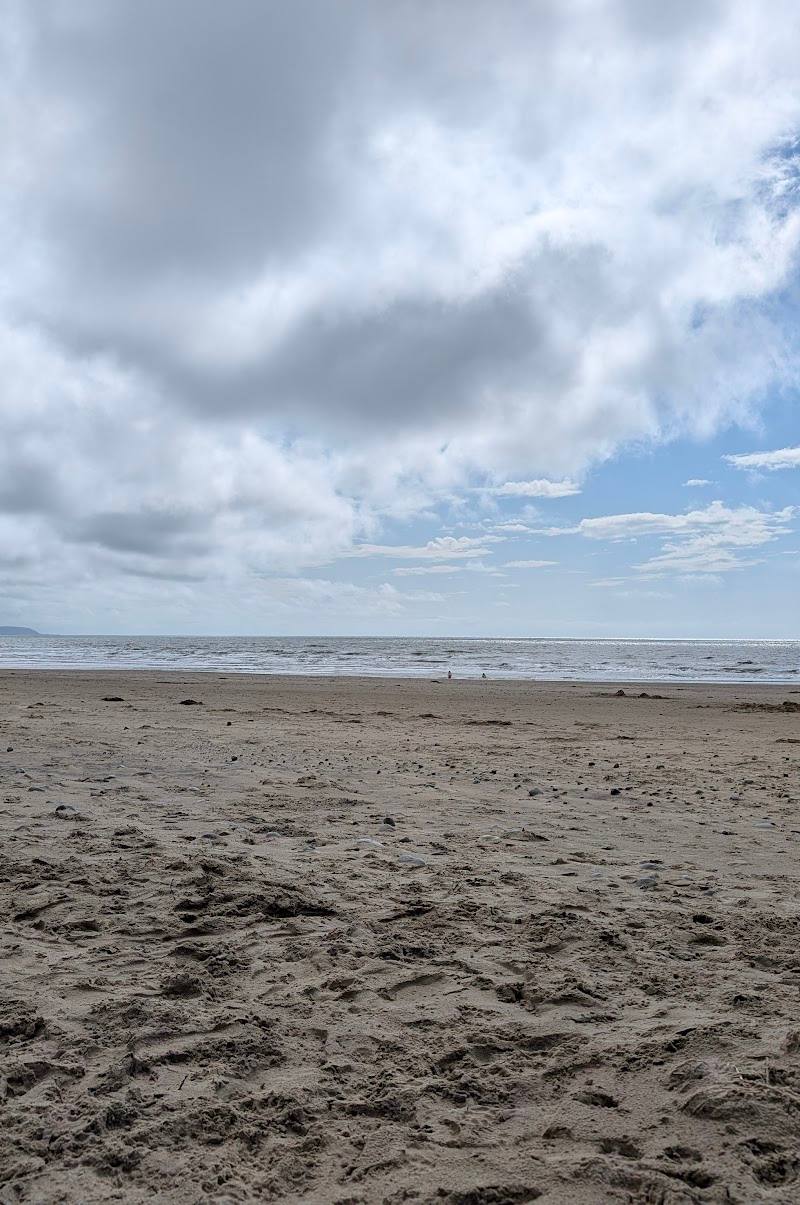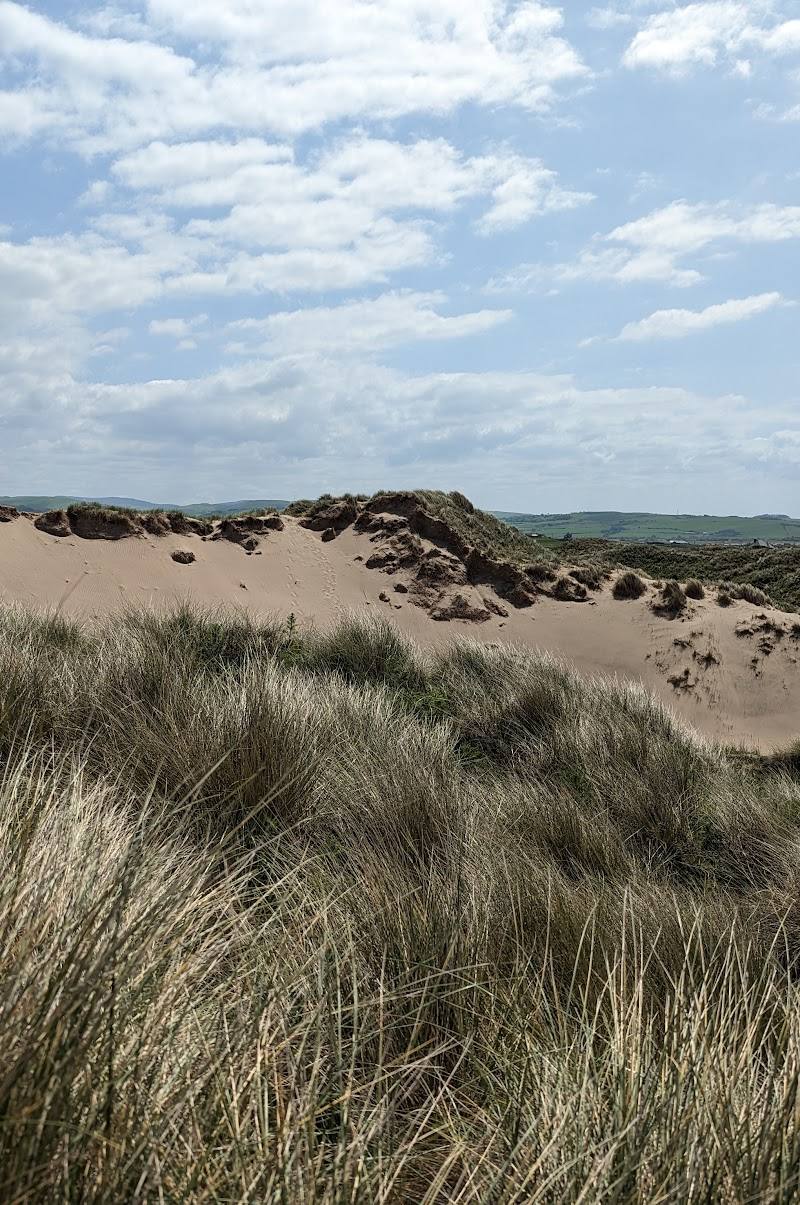
Ynyslas, near Borth, Ceredigion, Wales
Ynyslas National Nature Reserve and Beach
Coastal reserve
Place photograph
7.8
Wildland
1–2 hours
Time
Paid
Cost
Wild
Feel
Why it's Wildland
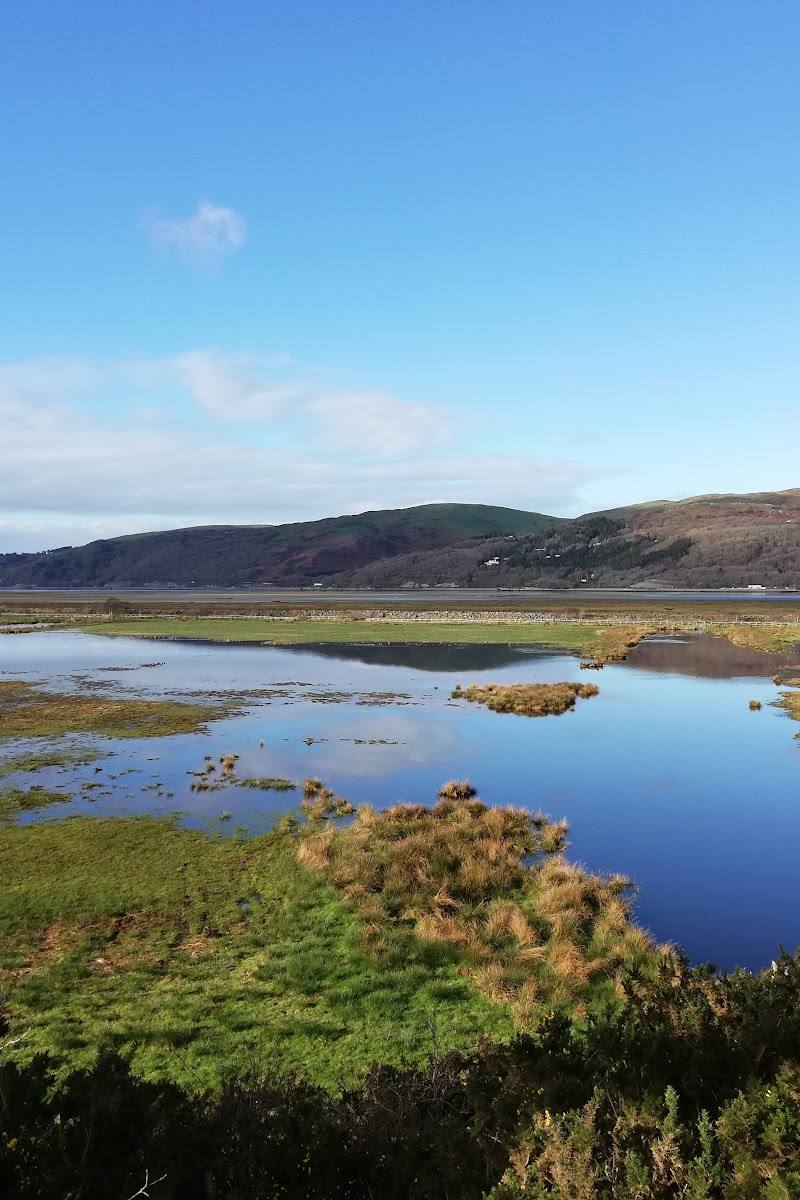
7.8Dunes, shoreline and saltmarsh meet the wide mudflats and sandbanks of the Dyfi estuary, where wetland birds feed and roost.
Ynyslas earns its place for the way its shifting dunes, seashore and estuary habitats sit side by side. Choose a short dune-and-beach walk or take the longer waymarked trail for a broader sweep of the reserve; the tidal currents and flood-prone beach car park make checking conditions essential.
Wild · Big-sky · Dramatic
Find your way
Open mapYnyslas, near Borth, Ceredigion, Wales
Opening map…
Know this place a little better?
The experience
Choose between two waymarked walks: the easy 2.1 km Dune Walk (30 minutes to 1 hour) or the easy 4.3 km Ynyslas Walk (1¼–2 hours). Expect sand dunes, seashore and, on the longer route, farmland and saltmarsh. This is a place for walking and watching wildlife, not swimming: swimming and inflatables are prohibited because of strong tidal currents.
Things to do
Walk the dunes and seashore
Follow the easy, waymarked Dune Walk through changing dunes and along the shore. The reserve describes spring and summer flower displays and colourful autumn fungi.
30 minutes–1 hour
Take the longer waymarked reserve walk
The easy Ynyslas Walk covers dunes, seashore, farmland and saltmarsh, with views of the estuary.
1¼–2 hours
Look for wetland birds across the estuary
Observe the estuary’s mudflats, sandbanks and saltmarsh, which provide feeding and roosting areas for wetland birds.
Make a day of it
Quick escape · 30 minutes–1 hour
Quick escape: the Dune Walk
- 01
Start at the reserve visitor centre.
- 02
Follow the waymarked Dune Walk through the dunes and along the seashore.
- 03
Pause to take in the coastal scenery and look for seasonal dune flowers.
- 04
Return by the waymarked trail.
Half day · 1¼–2 hours
Make a half day of it: the Ynyslas Walk
- 01
Check the car-park flood information and conditions before setting off.
- 02
Follow the waymarked Ynyslas Walk through dunes and along the seashore.
- 03
Continue across farmland to the saltmarsh.
- 04
Stop to look across the Dyfi estuary, then complete the waymarked walk.
Hidden details
Seasonal life in the dunes — The reserve’s dunes support orchids, mosses, liverworts, fungi, insects and spiders. The official trail description also notes dune flowers in spring and summer and colourful fungi in autumn.
The estuary’s feeding and roosting grounds — The mudflats, sandbanks and saltmarsh provide feeding and roosting areas for wetland birds. Watch from the trail without disturbing wildlife.
When to go
March · April · May · June · July · August · September · October · Check tide times and the car-park flood information before choosing a visit time; the supplied sources do not specify a best time of day.
Natural Resources Wales highlights dune flowers in spring and summer and colourful fungi in autumn. Conditions vary with the tide, and the beach car park can flood at high tide.
Coastal weather and tidal conditions can change. The car park is on the beach and frequently floods during high tides. Do not swim or use inflatables; strong tidal currents make swimming unsafe. Check current conditions before travel.
The route
- distance
- Dune Walk: 1.3 miles / 2.1 km. Ynyslas Walk: 2.7 miles / 4.3 km.
- duration
- Dune Walk: 30 minutes–1 hour. Ynyslas Walk: 1¼–2 hours.
- difficulty
- Easy for both trails.
- waymarking
- Both trails are waymarked from start to finish.
- start point
- Visitor centre.
- parking start
- Charged parking, including parking for Blue Badge holders, is listed by Natural Resources Wales. The car park is on the beach and can flood at high tide; check the information at the entrance.
- shorter alternative
- The easy 2.1 km Dune Walk takes 30 minutes–1 hour, compared with 4.3 km and 1¼–2 hours for the Ynyslas Walk.
- Dunes and seashore on the Dune Walk
- Dunes, seashore, farmland and saltmarsh on the Ynyslas Walk
- Views of the Dyfi estuary on the Ynyslas Walk
What to look for
Look for dune flowers in spring and summer, fungi in autumn, and wetland birds feeding or roosting across the estuary mudflats, sandbanks and saltmarsh.
Best time to go
Spring and summer for dune flowers; autumn for fungi. The trails are available year-round, but coastal conditions and car-park flooding need checking.
Spring and summer bring displays of flowers in the dunes; autumn is noted for colourful fungi. Check the tide and car-park flood information before setting out.
How long to spend
1–2 hours
Perfect for
Walkers · Wildlife lovers · Photographers
Before you go
Address
Website
Listed hours
- Monday: 9:30am-4pm
- Tuesday: 9:30am-4pm
- Wednesday: 9:30am-4pm
- Thursday: 9:30am-4pm
- Friday: 9:30am-4pm
- Saturday: 9:30am-4pm
- Sunday: 9:30am-4pm
Check before visiting.
Google rating
Practical information
Opening & access
A Natural Resources Wales reserve with waymarked walking trails. Swimming and inflatables are not allowed because of strong tidal currents. The beach car park can flood at high tide; check the on-site flood information before parking.
Check before visiting
Parking
Charged parking is available, including parking for Blue Badge holders. The car park is on the beach and frequently floods at high tide; check the flood information displayed at the entrance.
Check before visiting
Toilets
Toilets are listed by Natural Resources Wales. Check current availability before visiting.
Check before visiting
Food & drink
The Borth Community Hub provides beverages and cold food at selected times. Check availability before visiting.
Check before visiting
Dogs
Dog restrictions apply. Check current reserve guidance and signs, particularly around grazing enclosures and areas protected for ground-nesting birds.
Check before visiting
Accessibility
The source row reports a wheelchair-accessible car park and entrance. Trail surface and route accessibility are not specified; check with Natural Resources Wales before planning an accessible route.
Check before visiting
Cost
Paid
Water
Sea, estuary, saltmarsh and mudflats. Swimming and inflatables are not allowed; strong tidal currents make the beach unsafe for swimming.
Gallery
Place photographs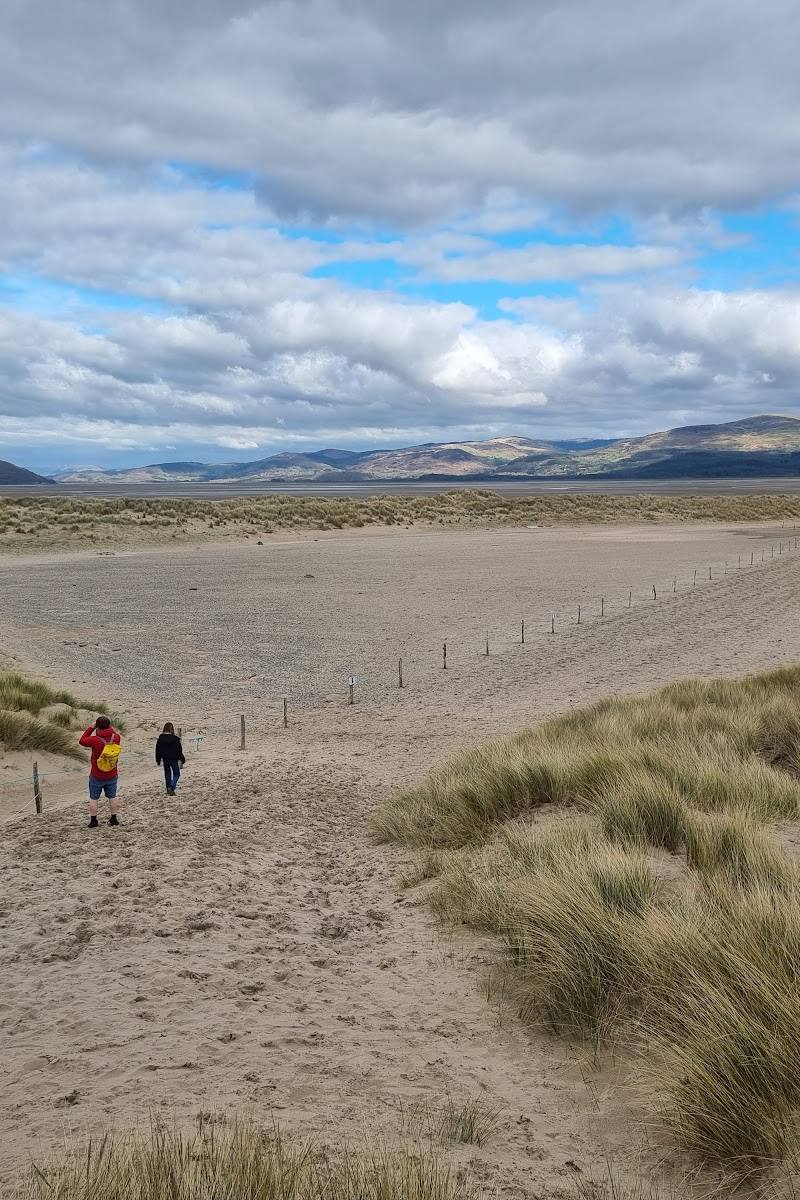
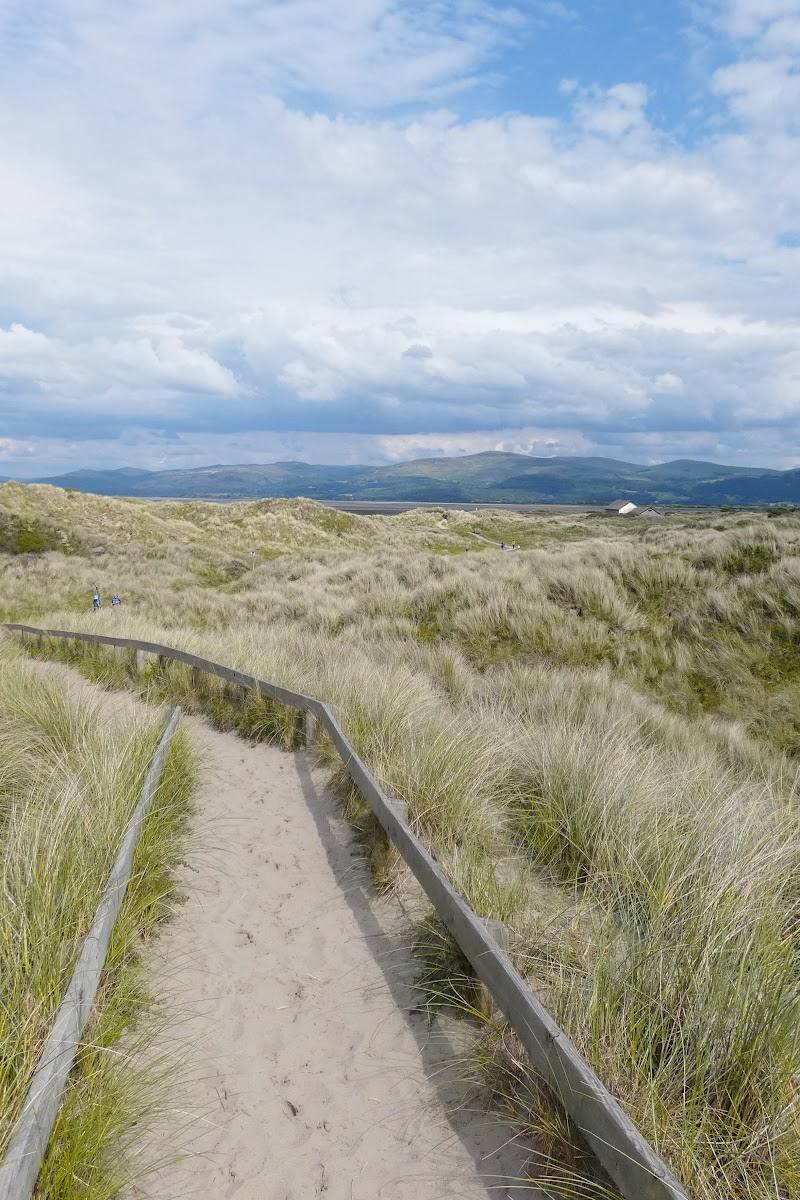
Keep exploring
Around Ynyslas National Nature Reserve and Beach
Within 50 km · approximate straight-line distances