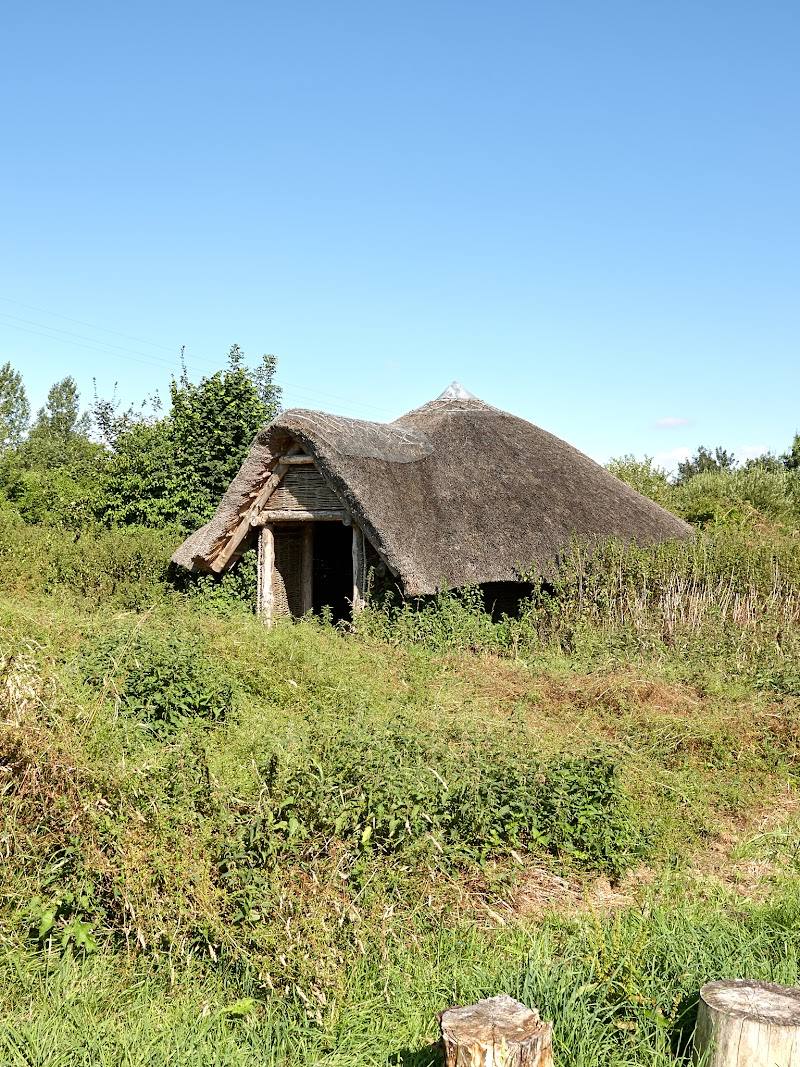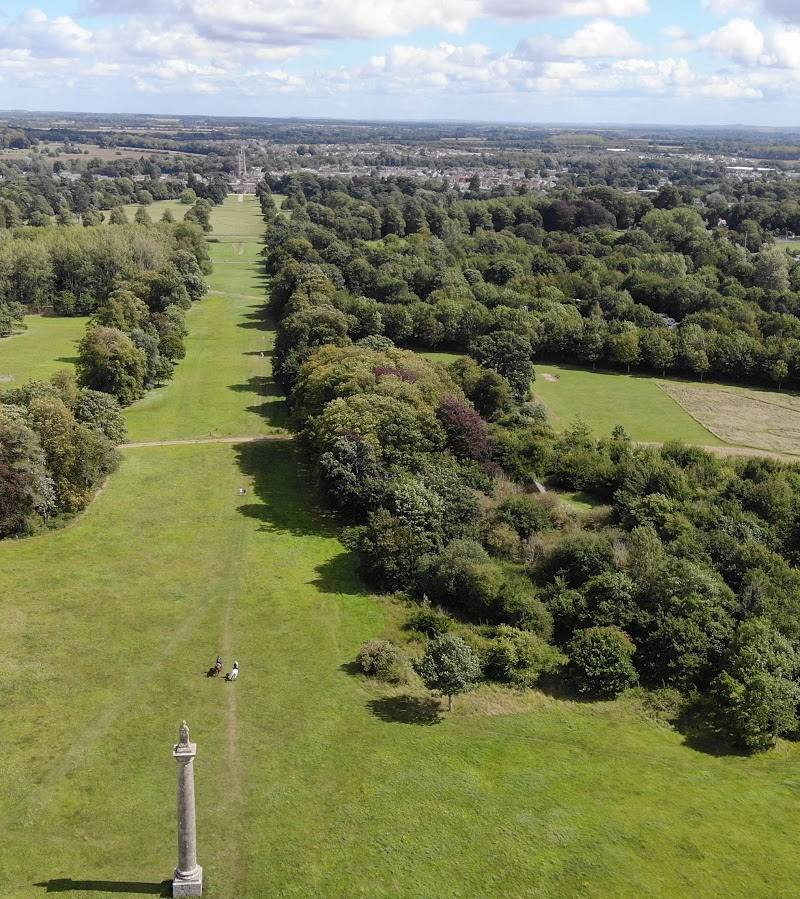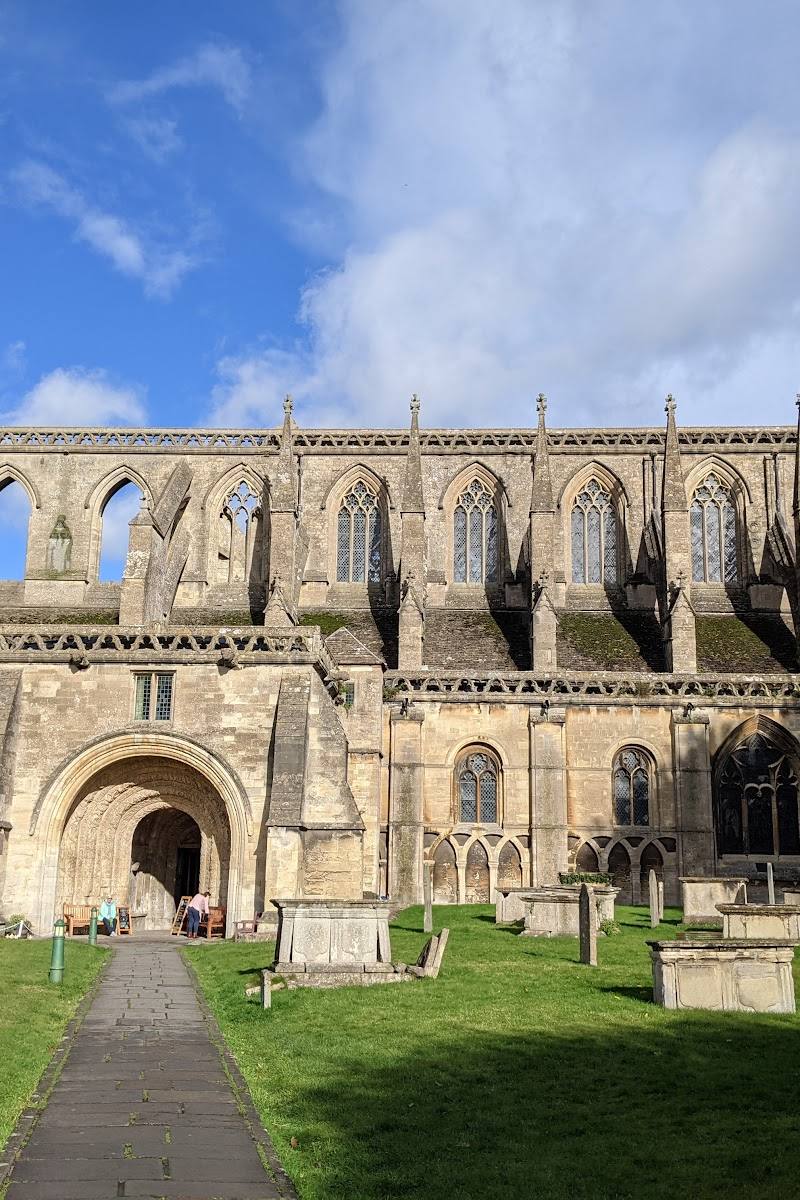
Oathill Lane, near Rodmarton, Gloucestershire GL7 6PU
Windmill Tump Long Barrow
Prehistoric
Place photograph
7.2
Wildland
Under 1 hour
Time
Free
Cost
Atmospheric
Feel
Why it's Wildland
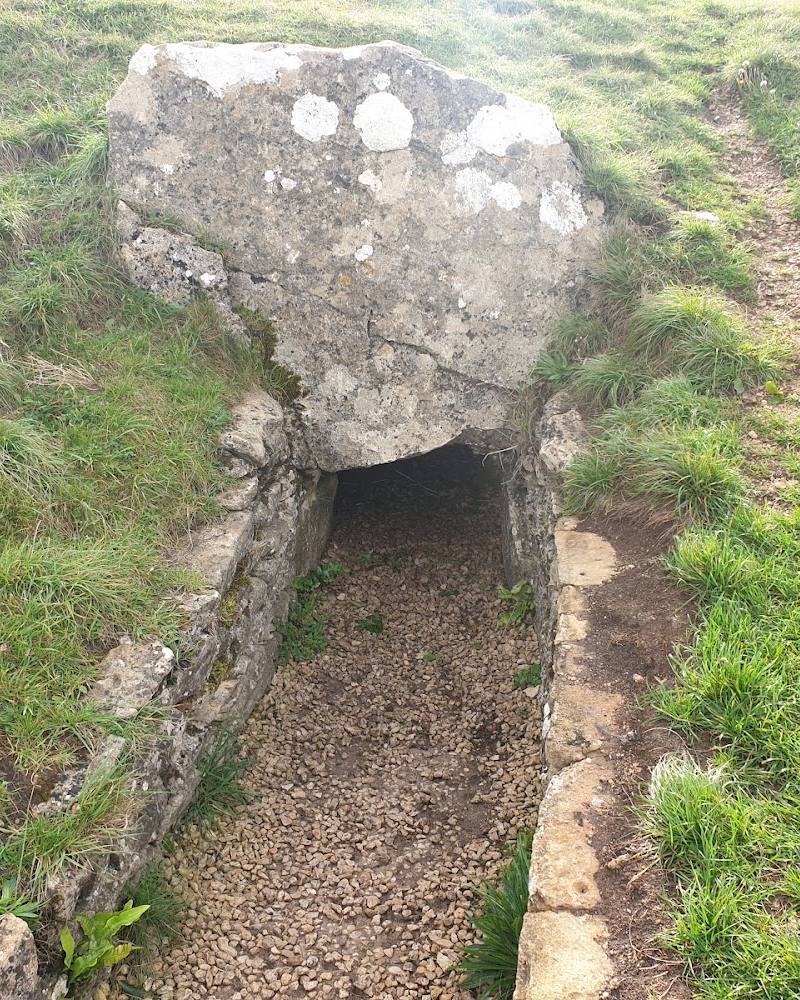
7.2Built by Neolithic farming communities more than 5,500 years ago, Windmill Tump is a long burial mound whose chambers have been refilled. Its unusual ‘false entrance’ looks like a gateway but does not lead into the tomb.
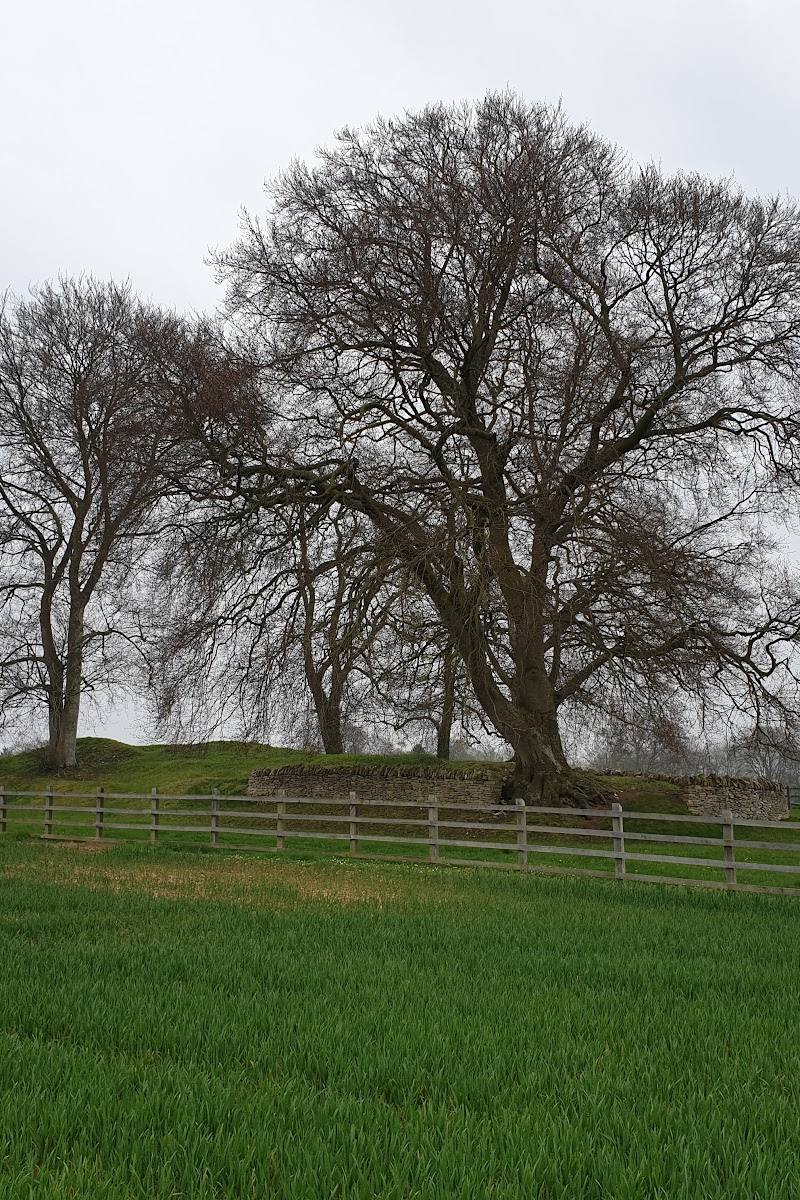
This is a short countryside visit with an unusually legible prehistoric story: a long burial mound, collapsed side chambers and a stone-marked forecourt where ceremonies may have taken place. The chambers are no longer open, so the interest lies in reading the shape and surviving features of the monument in its landscape.
Atmospheric · Peaceful
Find your way
Open mapOathill Lane, near Rodmarton, Gloucestershire GL7 6PU
Opening map…
Know this place a little better?
The experience
Walk from the Oathill Lane layby along the signed field edge, then take time to read the mound’s outline, collapsed chamber areas and east-end forecourt. The chambers have been refilled and are not accessible.
Things to do
Walk the signposted field-edge approach
From the Oathill Lane layby, follow the signpost for about 250 metres to the monument. The path may be muddy in wet weather.
About 10–15 minutes each way, estimated from the stated distance.
Read the mound’s shape
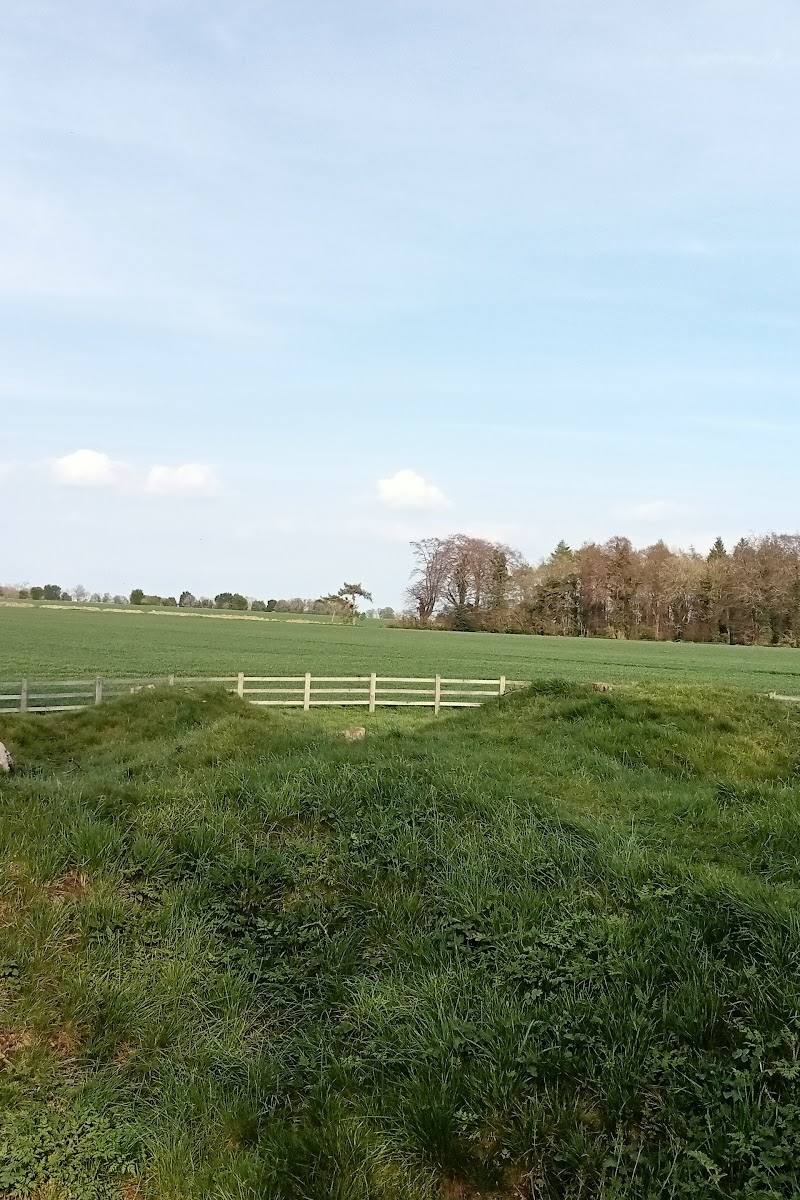
Walk around the exterior and notice the long profile and the areas where side chambers have collapsed. The chambers have been refilled and cannot be entered.
15–30 minutes, estimated.
Find the ‘false entrance’
Look at the two stones at the forecourt. English Heritage describes the feature as an enigmatic false entrance; the expert account explains that the replica gateway does not lead into a chamber.
5–10 minutes, estimated.
Make a day of it
Quick escape · Allow about 30–60 minutes, including the walk from the layby; duration is an estimate.
Quick Escape: Read the long barrow
- 01
Park in the layby on Oathill Lane, following English Heritage’s directions from the Rodmarton crossroads.
- 02
Follow the signposted path approximately 250 metres along the field edge.
- 03
Walk around the accessible exterior and notice the mound’s length, the collapsed chamber areas and the forecourt stones.
- 04
Return by the same path. Expect potentially muddy ground in wet weather.
Verified history
English Heritage describes Windmill Tump as a Neolithic chambered tomb and dates its construction to more than 5,500 years ago. In an English Heritage video, archaeologist Timothy Darvill explains that it was built by early farming communities and used as a burial place; it may also have marked territory. The tomb had side chambers, which were refilled after excavation in the 1930s. The forecourt and its false portal are visible features, but the precise activities once carried out there remain interpretive rather than certain.
Folklore & legend
The name ‘Windmill Tump’ is linked to a tradition that a windmill once stood on the mound. Britain Express notes that there is no archaeological evidence or written record supporting that tradition; it should be treated as folklore, not established history.
Hidden details
A gateway that leads nowhere — The two large stones at the forecourt form what the English Heritage expert account calls a replica or ‘false’ entrance: it resembles a gateway but does not provide access to the burial chambers.
The chambers are no longer open — Excavated chambers were refilled in the 1930s. The monument is best understood from its exterior rather than as a tomb visitors can enter.
When to go
· Daylight hours; English Heritage says the site is open at any reasonable time during daylight.
No specific seasonal highlight is evidenced. English Heritage warns that the field-edge approach can be muddy in wet weather.
The approach may be muddy after rain. Wear footwear suitable for uneven, potentially wet ground.
What to look for
- 01
Look for the mound’s long, tapering profile
- 02
the remains of side-chamber areas
- 03
and the two stones marking the forecourt’s ‘false entrance’. The chambers themselves have been refilled and cannot be entered.
The story
Neolithic archaeology and prehistoric burial
Best time to go
Any reasonable time during daylight hours, according to English Heritage. The approach can be muddy in wet weather.
Visit during daylight hours at a reasonable time. Avoid assuming the field-edge approach will be firm after wet weather.
How long to spend
Under 1 hour
Perfect for
History lovers · Walkers · Photographers
Before you go
Address
Phone
Website
Listed hours
- Monday: Open 24 hours
- Tuesday: Open 24 hours
- Wednesday: Open 24 hours
- Thursday: Open 24 hours
- Friday: Open 24 hours
- Saturday: Open 24 hours
- Sunday: Open 24 hours
Check before visiting.
Google rating
Practical information
Opening & access
English Heritage describes the site as open at reasonable times during daylight hours, with free entry. From the layby on Oathill Lane, follow the signposted field-edge path for about 250 metres. The path can be muddy in wet weather.
Parking
Free parking is available in a layby on Oathill Lane, approximately half a mile from the crossroads in central Rodmarton. Walk about 250 metres along the signposted field edge to reach the barrow.
Toilets
Check before visiting
Check before visiting
Food & drink
Check before visiting
Check before visiting
Dogs
Assistance dogs only, according to English Heritage.
Accessibility
The approach is an uneven field-edge path that can be muddy in wet weather. The supplied Google listing reports no wheelchair-accessible car park or entrance; check with the site manager before travelling if access requirements are important.
Check before visiting
Cost
Free
Water
None evidenced
Gallery
Place photographs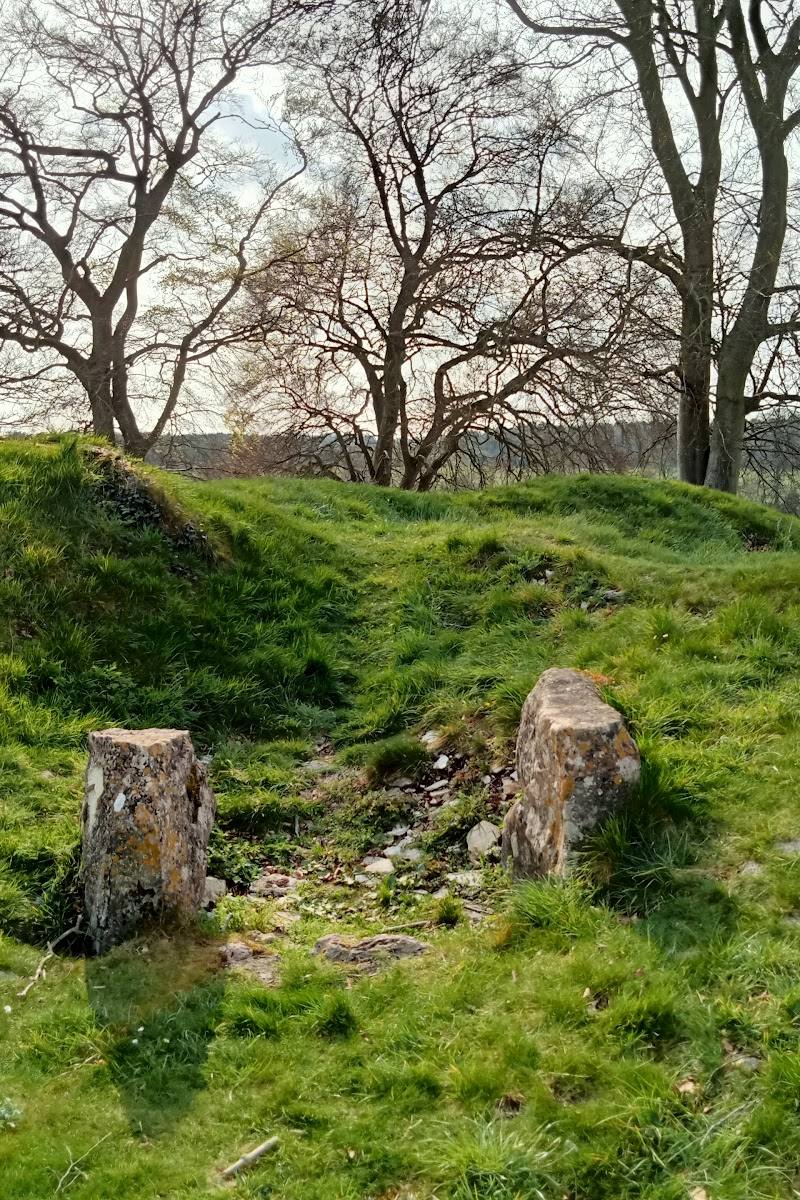
Keep exploring
Around Windmill Tump Long Barrow
Within 50 km · approximate straight-line distances