Near Llanfair Discoed, Caldicot, Monmouthshire, Wales
Wentwood Forest
Ancient woodland
Place photograph
7.6
Wildland
1–2 hours
Time
Check
Cost
Ancient-feeling
Feel
Why it's Wildland
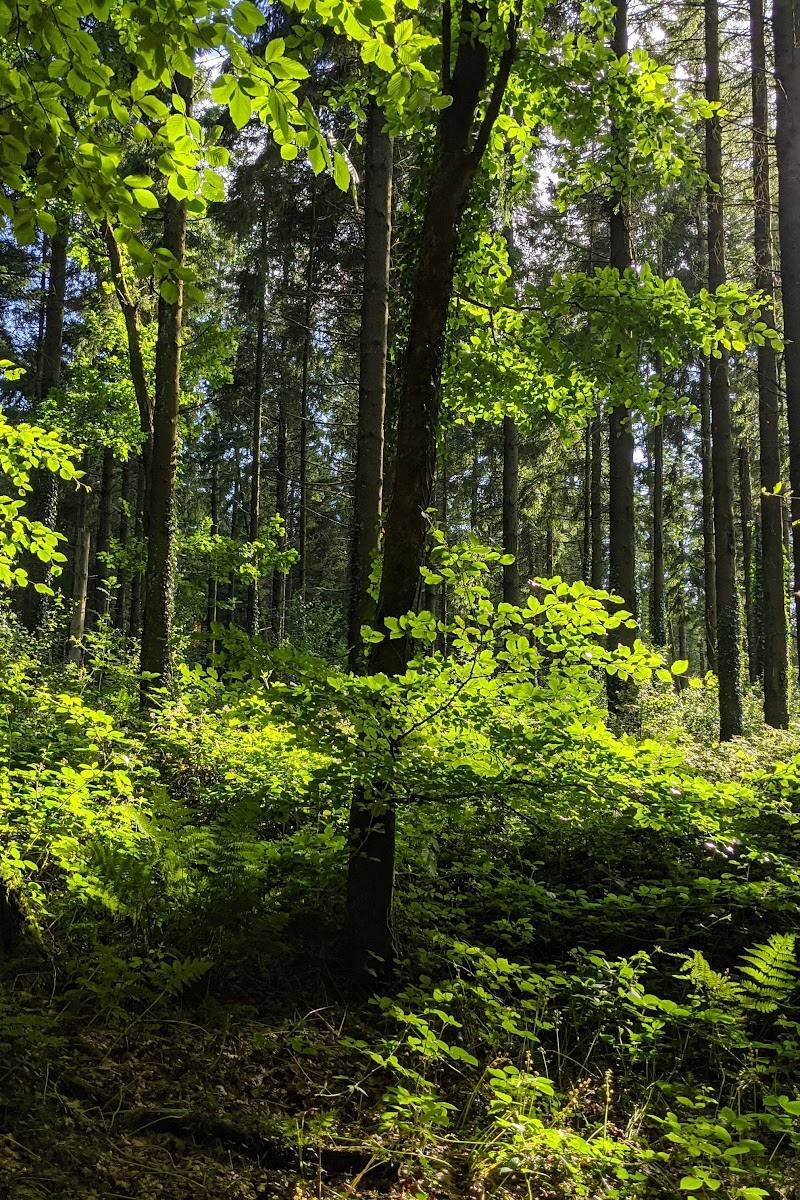
7.6Wentwood is part of the largest block of ancient woodland in Wales, a remnant of forest that once stretched between the Usk and Wye. Its ridge-top Bronze Age burial mounds and views over the Severn Estuary give a forest walk a much older, wider story.
Wentwood earns its place through scale and layers: ancient woodland, ridge-top Bronze Age barrows, spring bluebells and forest tracks with views towards the Severn Estuary. It feels like more than a routine woodland walk, though you’ll need to choose a route from the available tracks rather than rely on a single specified circuit.
Ancient-feeling · Peaceful · Wild
Find your way
Open mapNear Llanfair Discoed, Caldicot, Monmouthshire, Wales
Opening map…
Know this place a little better?
The experience
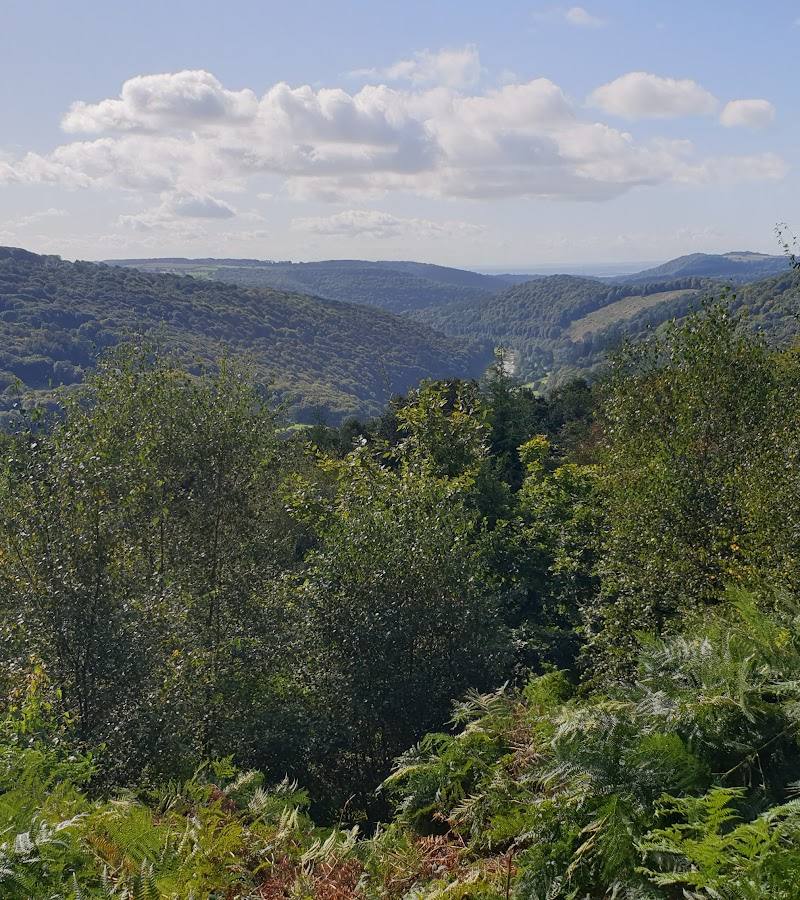
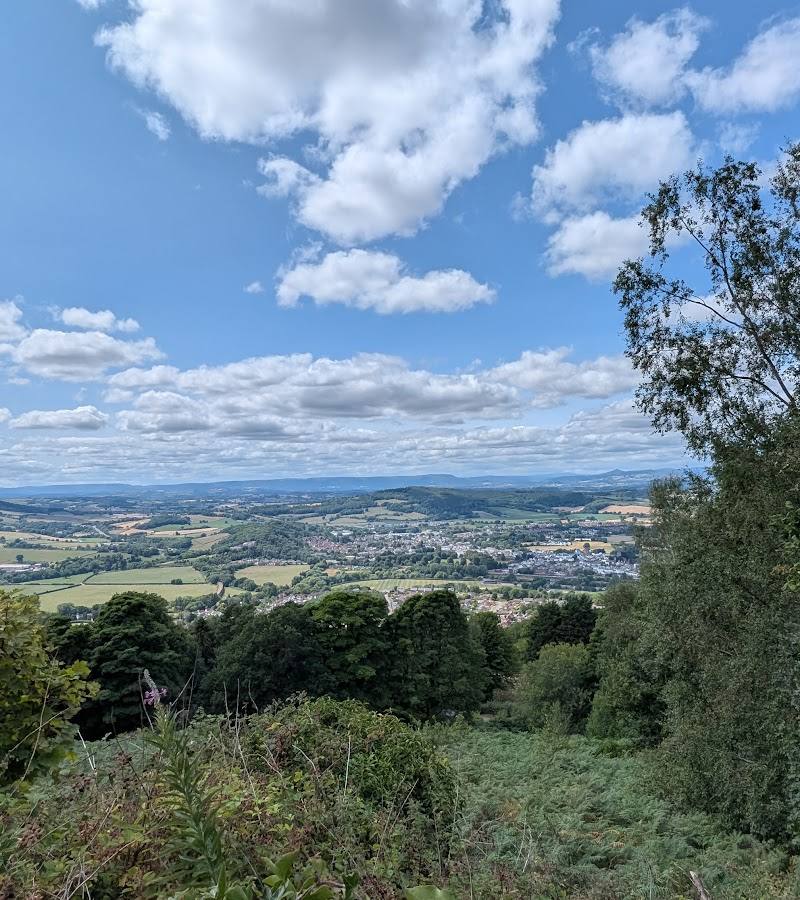
Explore the forest tracks for bluebells in spring or fungi in autumn, and look out for Bronze Age tumuli on the ridge tops. Some walks are reported to offer views over the Severn Estuary; choose a route using current local information, as the supplied sources do not establish a particular circuit or duration.
Things to do
Look for the ridge-top tumuli
Wentwood contains Bronze Age funerary barrows on its ridge tops. Their exact locations and a route linking them are not specified in the supplied sources; check a current map before setting out to find them.
Catch the spring bluebells
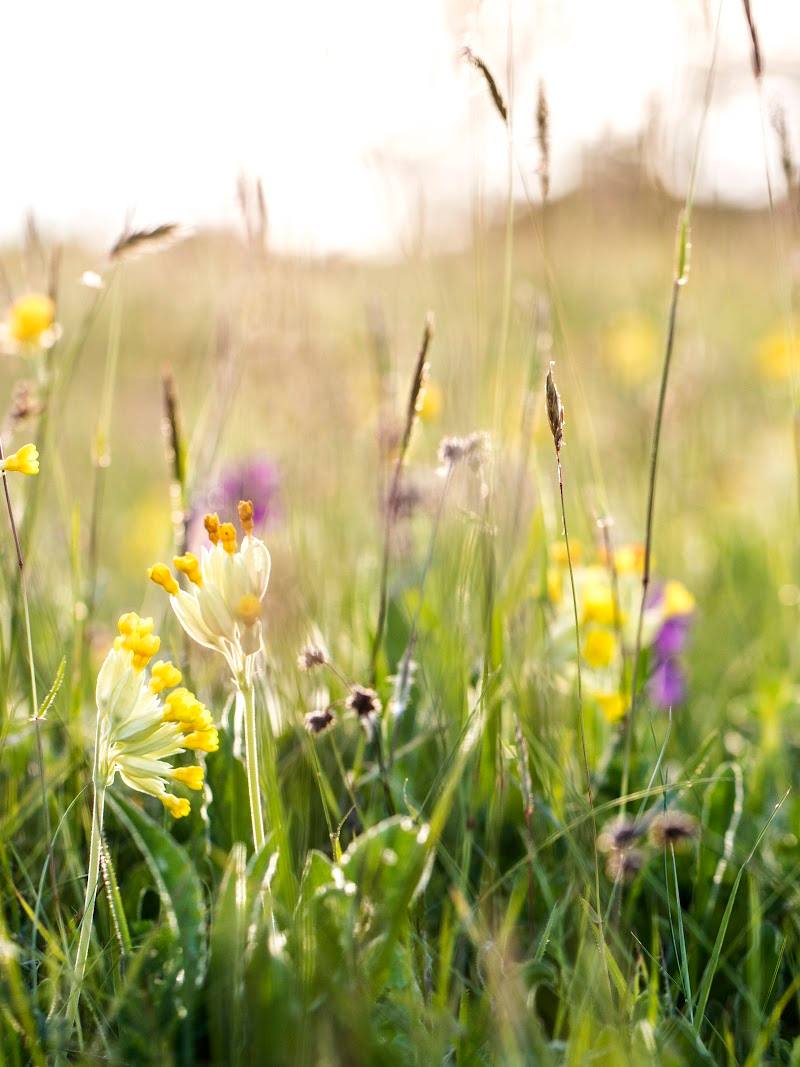
Visit in spring for the woodland’s bluebells; the sources do not specify exact peak dates or a particular part of the forest.
Look for autumn fungi
Autumn is highlighted as a season for spotting colourful fungi. No particular species or location is identified in the supplied sources.
Walk the forest tracks
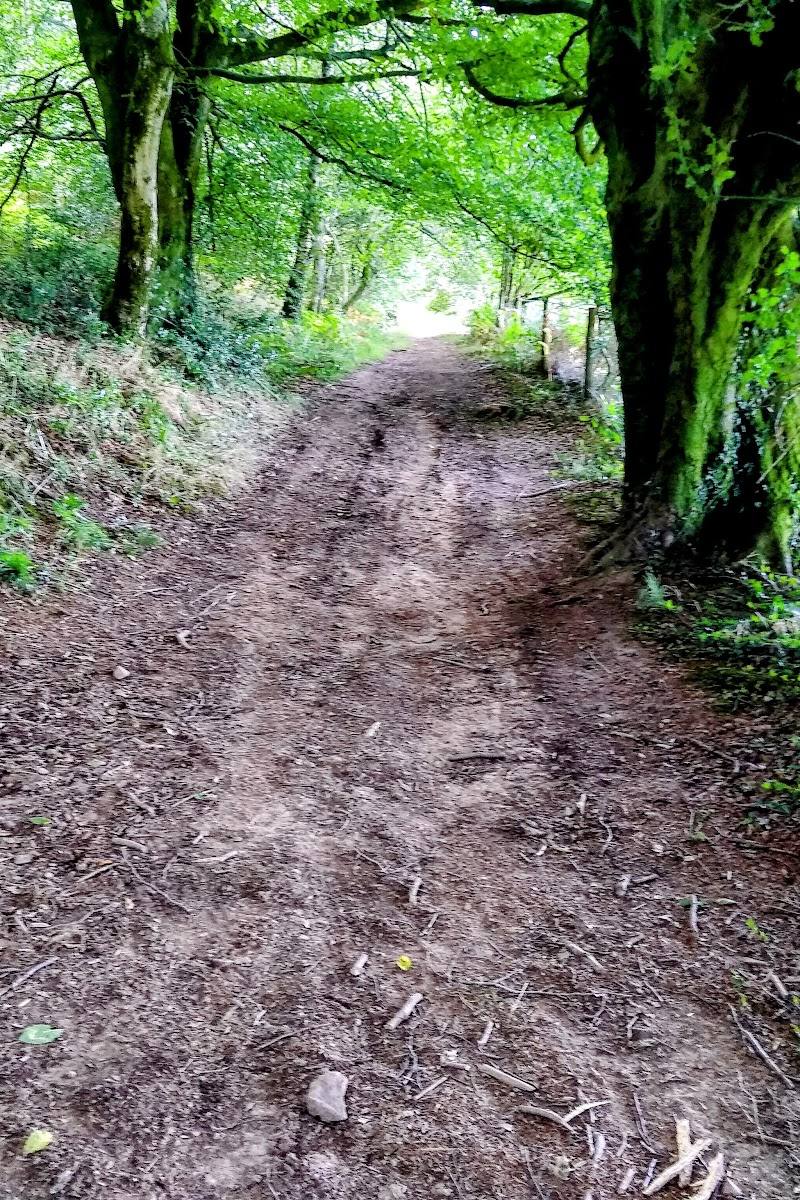
Wentwood has a network of waymarked tracks and bridleways. Choose a route from current local information; lengths and conditions are not established here.
Make a day of it
Quick escape · Check route length and walking time before setting out
A forest-and-barrows wander
- 01
Choose a current route from one of Wentwood’s access points, including Foresters’ Oaks or Cadira Beeches.
- 02
Follow forest tracks and bridleways, looking for ridge-top Bronze Age tumuli.
- 03
In spring, look for bluebells; in autumn, look for fungi.
- 04
Where your chosen route allows, pause for views towards the Severn Estuary.
Verified history
Wentwood is described as part of the largest block of ancient woodland in Wales and as a remnant of forest that once stretched from the River Usk to the Wye. The ridge tops contain Bronze Age funerary barrows. The supplied local tourism source says the woodland was an important timber source in Roman times and formed part of the hunting grounds of Chepstow Castle. The name Gwent is also linked in that source to the historical division between Gwent Uwch-coed (“beyond the wood”) and Gwent Is-coed (“below the wood”).
Hidden details
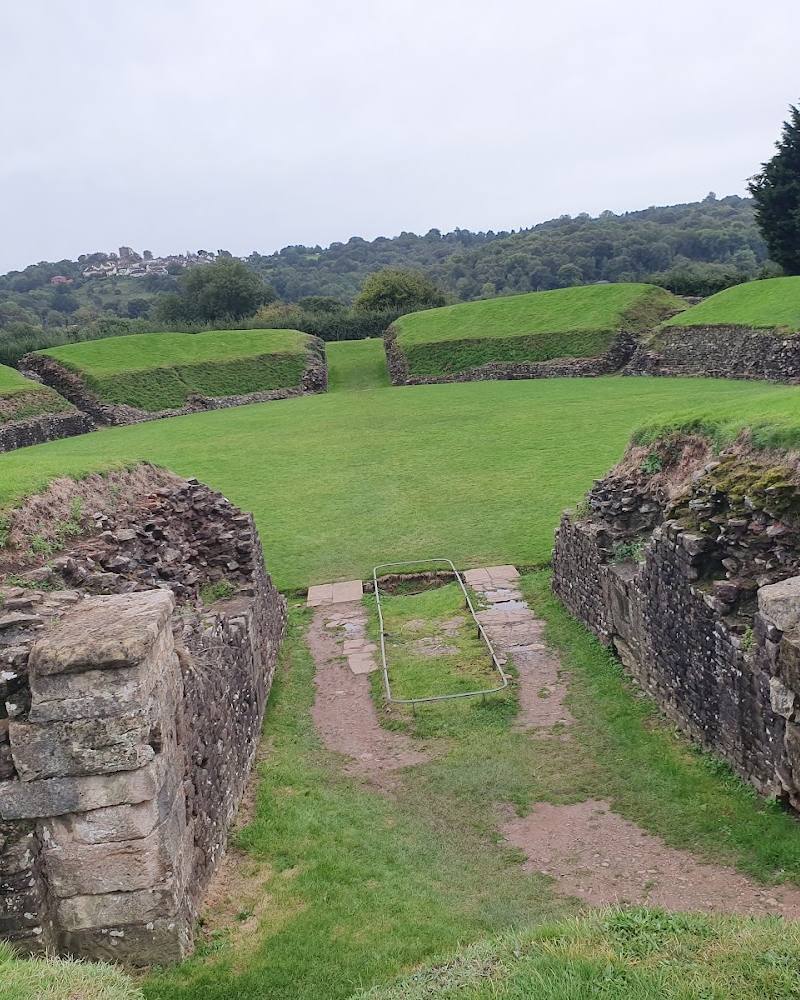
Bronze Age burial mounds on the ridges — The tumuli are funerary barrows, not simply bumps in the woodland landscape. The supplied sources do not give their precise positions, so use current route information to locate them.
A forest that shaped the name of Gwent — The local tourism source connects the woodland with the historic distinction between Gwent Uwch-coed, “beyond the wood”, and Gwent Is-coed, “below the wood”.
When to go
April · May · October · November · No time-of-day guidance is established by the supplied sources; check local conditions and route information before setting out.
Spring is recommended for bluebells, while autumn is highlighted for colourful fungi. Exact peak weeks are not provided.
Forest paths and bridleways are described, but current surface and weather conditions are not supplied. Check conditions before visiting.
What to look for
- 01
Look for the Bronze Age tumuli on the ridge tops, then notice how the woodland shifts between native broadleaves and older conifer plantations. In spring, look for bluebells
- 02
in autumn, watch for fungi.
The story
Ancient woodland; Bronze Age funerary barrows; Roman-era timber use; medieval hunting grounds associated with Chepstow Castle.
Best time to go
Spring for bluebells; autumn for fungi and woodland colour.
Spring for bluebells; autumn for colourful fungi. Exact peak weeks vary, so check conditions locally.
How long to spend
1–2 hours; allow longer to explore more of the woodland
Perfect for
Walkers · Wildlife lovers · Photographers · History lovers
Before you go
Address
Google rating
Practical information
Opening & access
A woodland visitor destination with walking routes and access points including Foresters’ Oaks and Cadira Beeches car parks. Check current access and parking arrangements before visiting.
Check before visiting
Parking
Named access points include Foresters’ Oaks and Cadira Beeches car parks. Check current parking arrangements before travelling.
Check before visiting
Toilets
Check before visiting
Check before visiting
Food & drink
Check before visiting
Check before visiting
Dogs
Check current guidance and on-site signage before visiting.
Check before visiting
Accessibility
Routes include forest tracks and bridleways; surface, gradients and accessibility details are not specified. Check before visiting.
Check before visiting
Cost
Check before visiting
Check before visiting
Water
No visitor water activity or swimming access is established by the supplied sources.
Gallery
Place photographs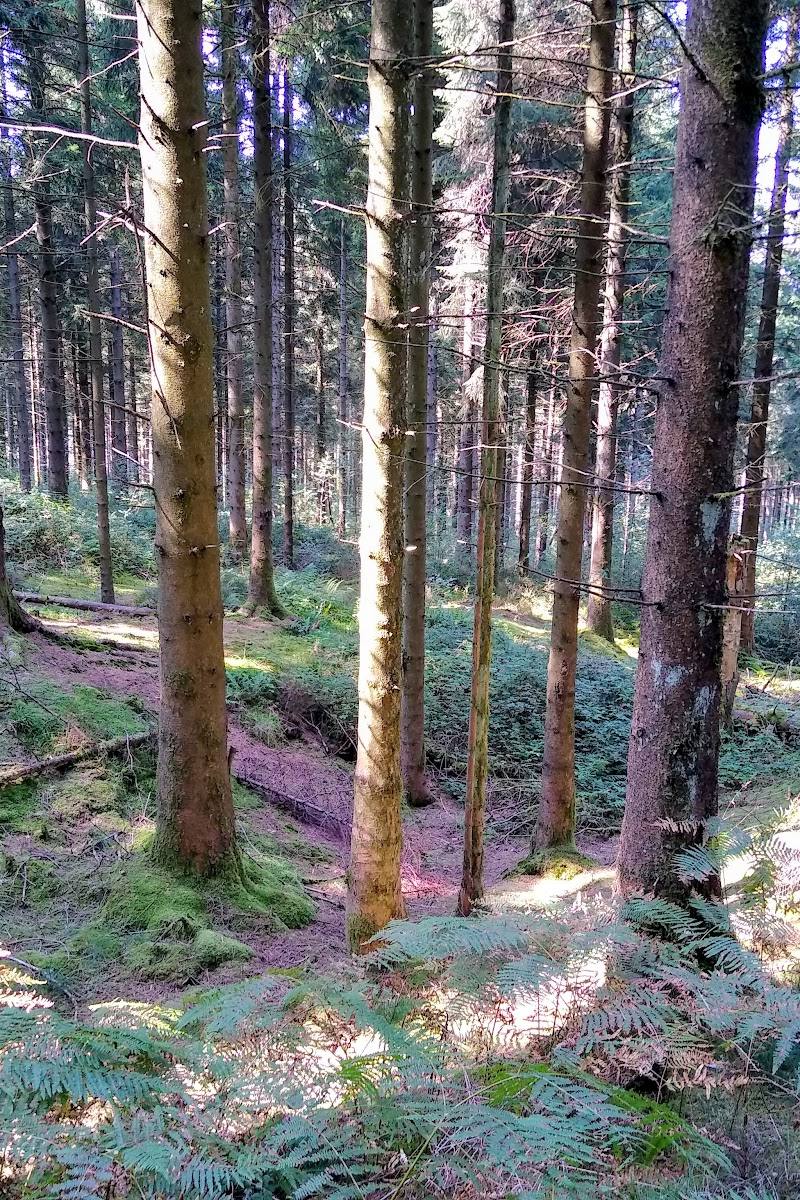
Keep exploring
Around Wentwood Forest
Within 50 km · approximate straight-line distances