8.2
Wildland
Allow about an hour for the abbey itself
Time
Check
Cost
Atmospheric
Feel
Why it's Wildland
8.2Founded in 1131, Tintern Abbey grew from timber buildings into a major Gothic monastery. Its roofless church still stands beside the River Wye, nearly five centuries after the abbey surrendered during the Dissolution of the Monasteries.
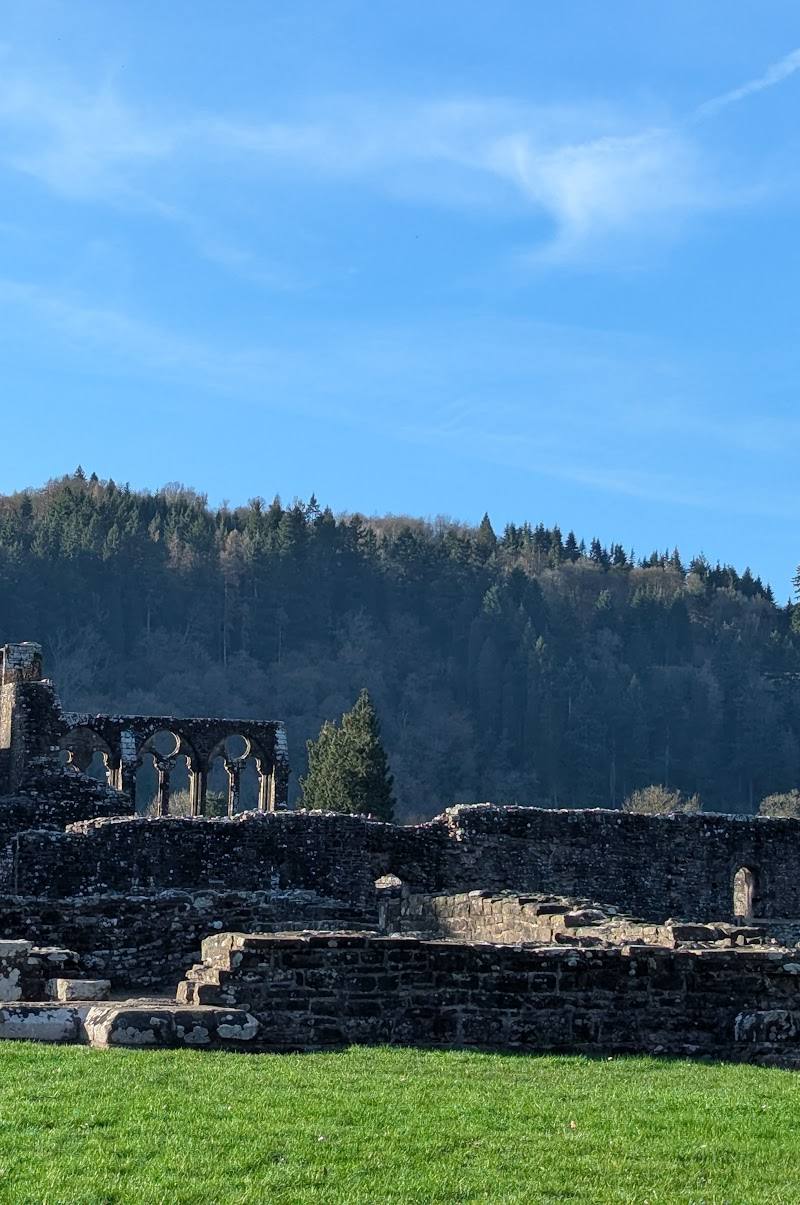
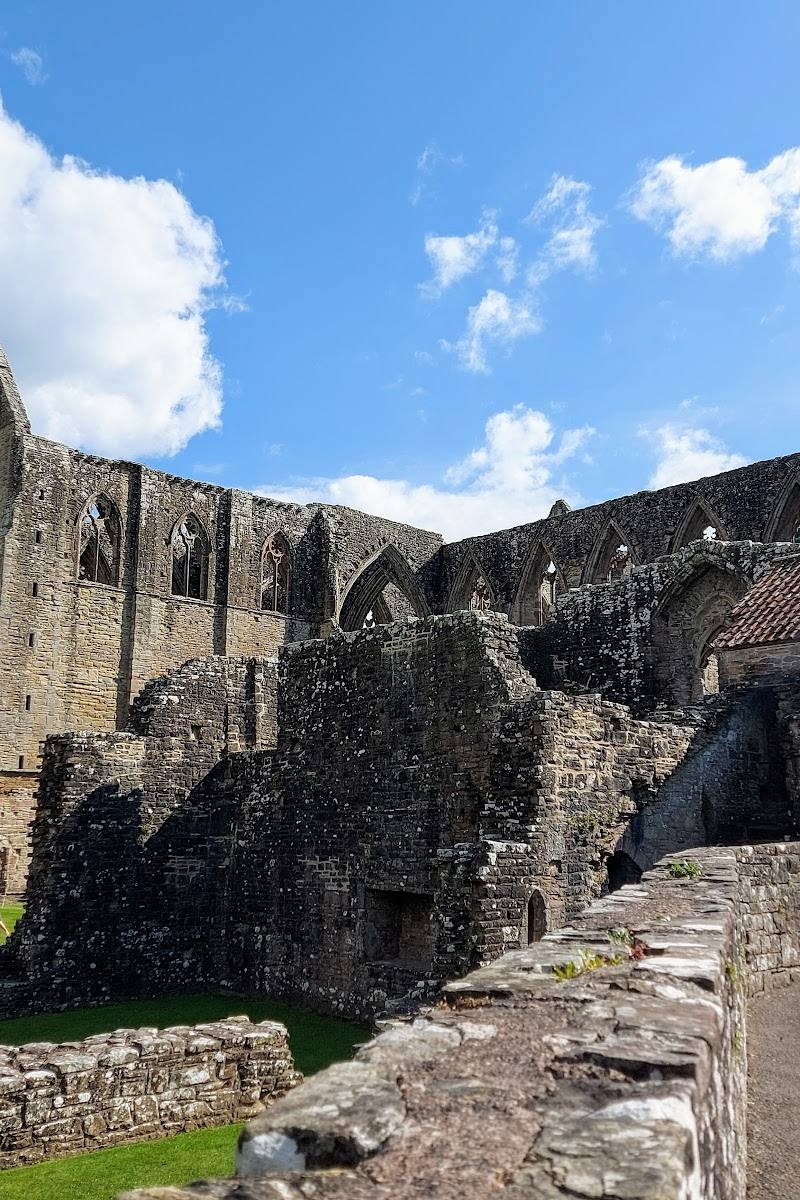
The scale and surviving Gothic architecture make Tintern more than a picturesque ruin: its seven-lancet west window and soaring nave arches give a vivid sense of the ambition behind the medieval abbey. Its Wye Valley setting adds atmosphere, while the site’s long story is still legible in the stonework.
Atmospheric · Grand · Historic
Find your way
Open mapTintern, Wye Valley, NP16 6SE
Opening map…
Know this place a little better?
The experience
Explore the abbey’s surviving church and monastic remains, using the Gothic architecture to imagine the scale of a monastery that developed over centuries. For a longer outing, combine the visit with a sourced walk or time in Tintern village; check access and opening details before setting out.
Things to do
Read the Gothic west front
Look for the west front’s seven-lancet window, identified by Cadw as a defining feature of the abbey church.
Part of an abbey visit
Stand beneath the nave arches
Take in the scale of the surviving arches and imagine the roofed church described in the abbey’s history.
Part of an abbey visit
Follow the abbey’s changing story
Trace the story from its foundation in 1131, through the construction of the Gothic church begun in 1269, to the abbey’s surrender in 1536.
Part of an abbey visit
Make a day of it
Quick escape · About 1 hour
The Gothic heart of Tintern
- 01
Check Cadw’s current opening information and admission arrangements before travelling.
- 02
Explore the surviving abbey church and monastic remains.
- 03
Pause at the west front and look for its seven-lancet window and the soaring arches of the nave.
Half day · Half day
Abbey and village half-day
- 01
Visit Tintern Abbey and take time to follow its surviving architectural features.
- 02
Continue into Tintern village for a local café or pub, checking current opening and availability independently.
- 03
If you want more walking, consider the Wye Valley Greenway or the Devil’s Pulpit walk; verify route details and access before setting out.
Verified history
Tintern Abbey was founded in 1131 by Cistercian monks, initially using timber buildings. A stone church and cloisters followed. Construction of the great Gothic abbey church began in 1269, with the west front and nave among its defining surviving features. In 1536 the abbey surrendered during the first phase of the Dissolution of the Monasteries, after which it gradually became a ruin. Cadw also records Abbot Henry, described as a reformed robber, and the abbey’s patronage by the Marcher lord Roger Bigod.
Hidden details
A seven-lancet west window — Cadw identifies the great west front’s seven-lancet window as a distinctive surviving feature; use it as a focal point when examining the church façade.
The abbey’s first buildings were timber — Before the later stone church and Gothic rebuilding, the Cistercian community began with timber buildings—a reminder that the monumental ruins were the result of centuries of change.
When to go
· Early morning or late afternoon for the window light described by the supplied local visitor guide; check Cadw’s opening hours before planning around this.
The supplied sources describe seasonal events and recommend summer visits, but do not establish reliable best months for general visits. Check Cadw’s current event calendar and visitor information.
The supplied sources do not provide site-specific weather guidance. Check the forecast and Cadw visitor information before travelling.
Worth pairing with
Tintern village
The supplied local visitor guide describes village cafés, pubs and small shops as possible additions to an abbey visit. Check current opening and availability.
Wye Valley Greenway
Suggested by the supplied local visitor guide as a walking or cycling pairing; confirm route access, conditions and suitability before setting out.
Devil’s Pulpit
Suggested by the supplied local visitor guide as a walk with views over Tintern Abbey. Verify route details and access before departure.
What to look for
- 01
The great west front and its seven-lancet window
- 02
the soaring nave arches
- 03
surviving stonework that reveals the scale of the church
- 04
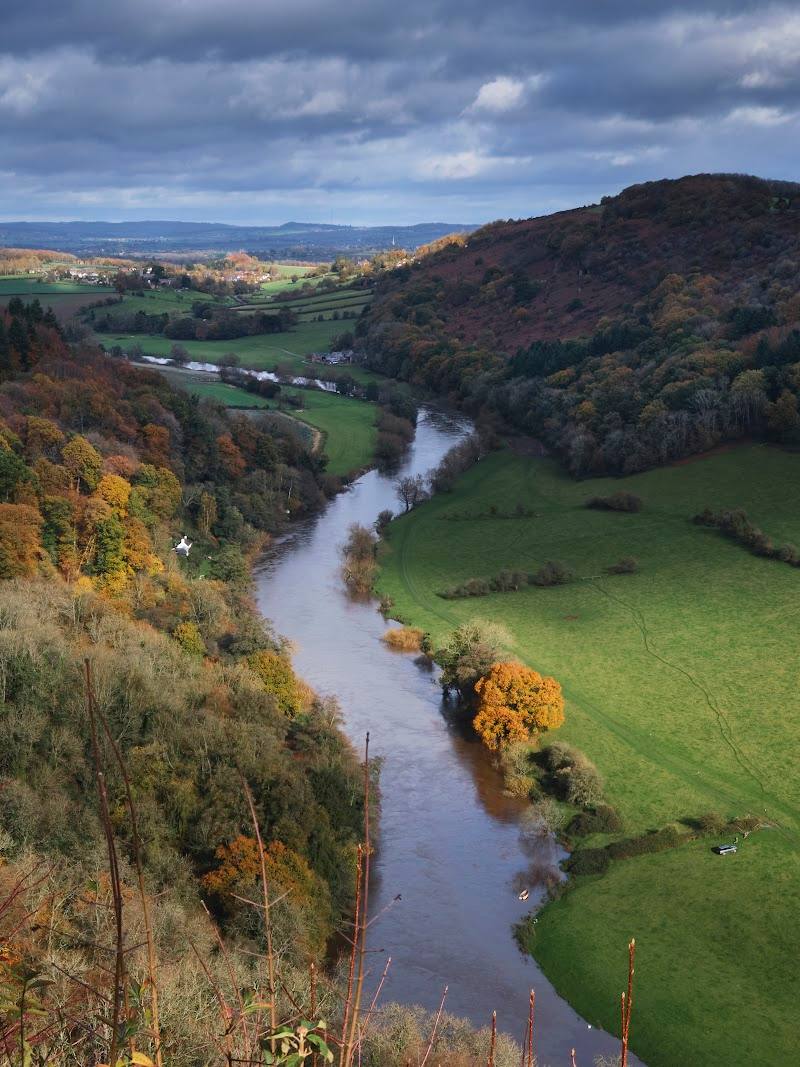
and the relationship between the abbey and the River Wye setting.
The story
Monastic history; Gothic architecture; Dissolution of the Monasteries
Best time to go
Spring or summer for longer daylight and seasonal events; check Cadw for current event dates and visiting information.
Visit during Cadw’s published opening hours. For photography, the supplied local visitor guide recommends early morning or late afternoon light through the Gothic windows; light and access conditions vary.
How long to spend
Allow about an hour for the abbey itself; a longer visit can be paired with Tintern village or a sourced local walk.
Perfect for
History lovers · Photographers · Families · Walkers
Before you go
Address
Phone
Website
Listed hours
- Monday: 9:30am-5pm
- Tuesday: 9:30am-5pm
- Wednesday: 9:30am-5pm
- Thursday: 9:30am-5pm
- Friday: 9:30am-5pm
- Saturday: 9:30am-5pm
- Sunday: 9:30am-5pm
Check before visiting.
Google rating
Practical information
Opening & access
Cadw-managed visitor site. Admission tickets can be bought on arrival or booked online; check current opening times, prices and any conservation-related access restrictions before travelling.
Check before visiting
Parking
The supplied Cadw source does not confirm parking arrangements. Check before visiting.
Check before visiting
Toilets
The supplied Cadw source does not confirm current toilet provision. Check before visiting.
Check before visiting
Food & drink
The supplied Cadw source does not confirm food facilities. Check before visiting; local cafés and pubs are mentioned by the supplied visitor-information source.
Check before visiting
Dogs
Check with Cadw before visiting; dog access rules are not confirmed by the supplied official source.
Check before visiting
Accessibility
Source-row Google information reports a wheelchair-accessible car park, entrance and toilet, but these details are not independently confirmed by the supplied Cadw source. Contact Cadw to verify current access and facilities before visiting.
Check before visiting
Cost
Paid; check Cadw for current admission prices and any applicable concessions.
Check before visiting
Water
River Wye nearby; no swimming or paddling permission established.
Gallery
Place photographs
Keep exploring
Around Tintern Abbey
Within 50 km · approximate straight-line distances