Lockwood Way entrance, 286 Blackhorse Lane, London E17 5QH. The reserve’s official visitor address is 2 Forest Road, London N17 9NH
Walthamstow Wetlands — Lockwood Way entrance
Mixed-habitat reserve
Source image
6.7
Wildland
1–2 hours
Time
Free entry
Cost
Peaceful
Feel
Why it's Wildland
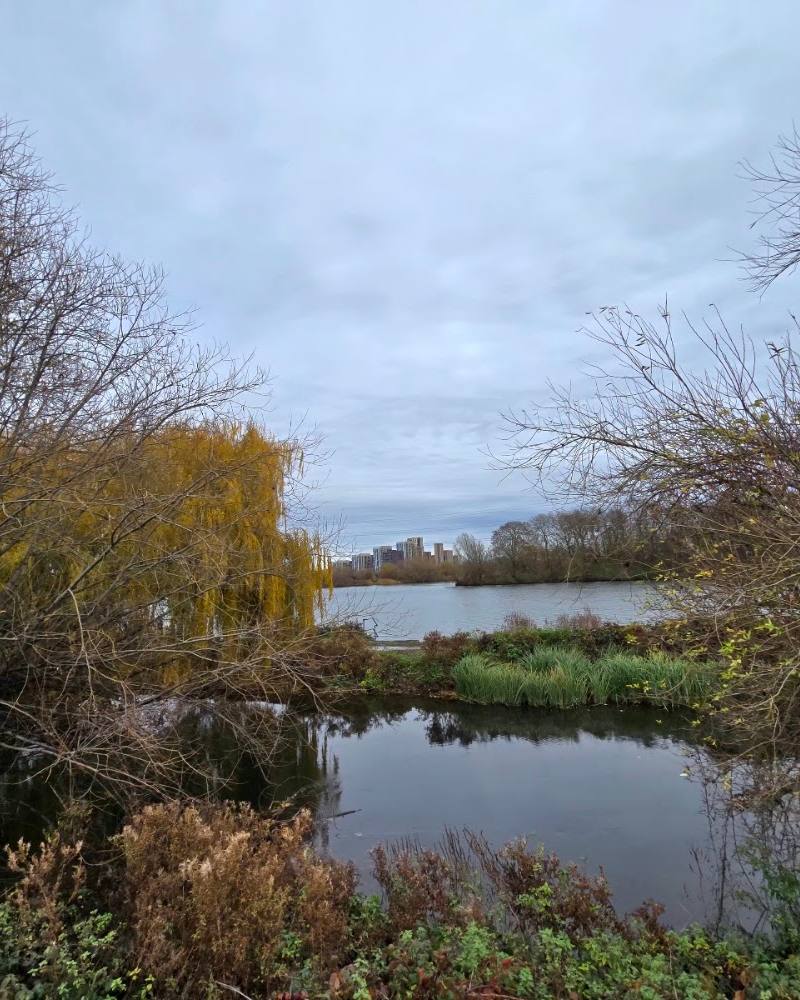
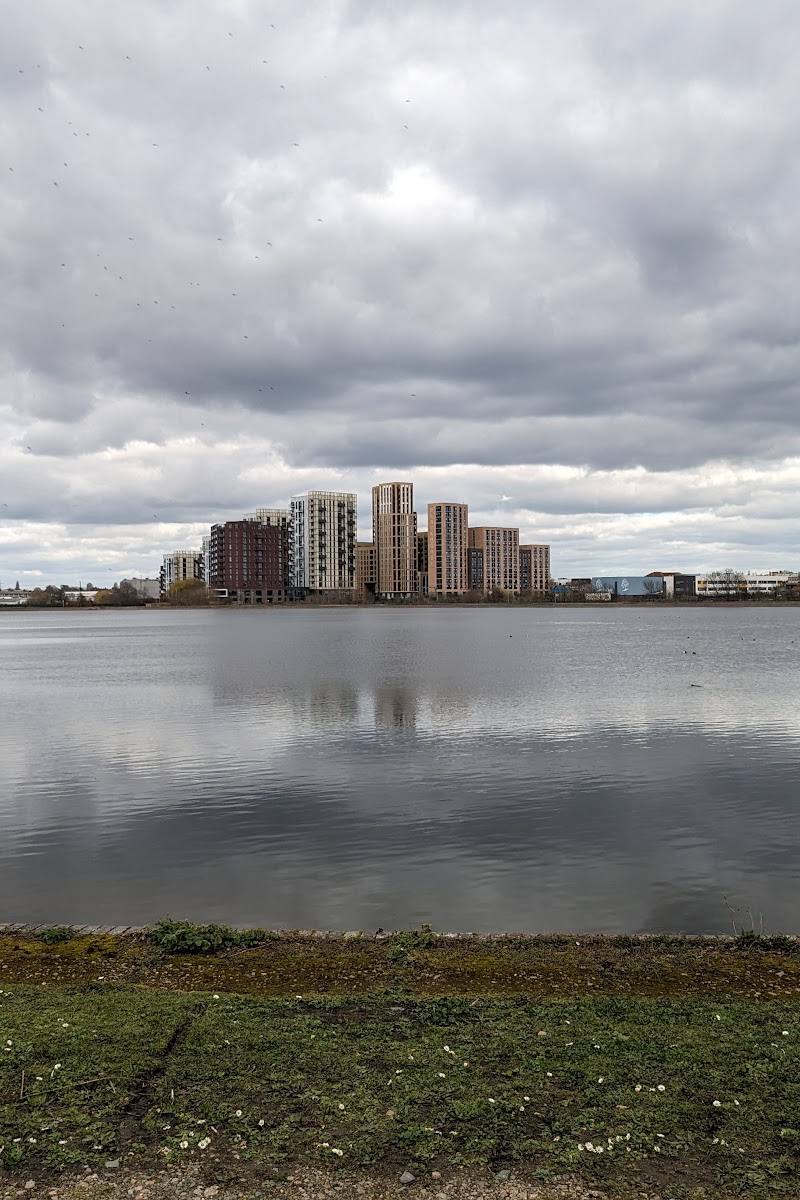
6.7Reservoirs built to supply London’s drinking water now sit within a 160-hectare wetland reserve where bird hides, reservoir edges and views towards the city bring wildlife into an unmistakably urban setting.
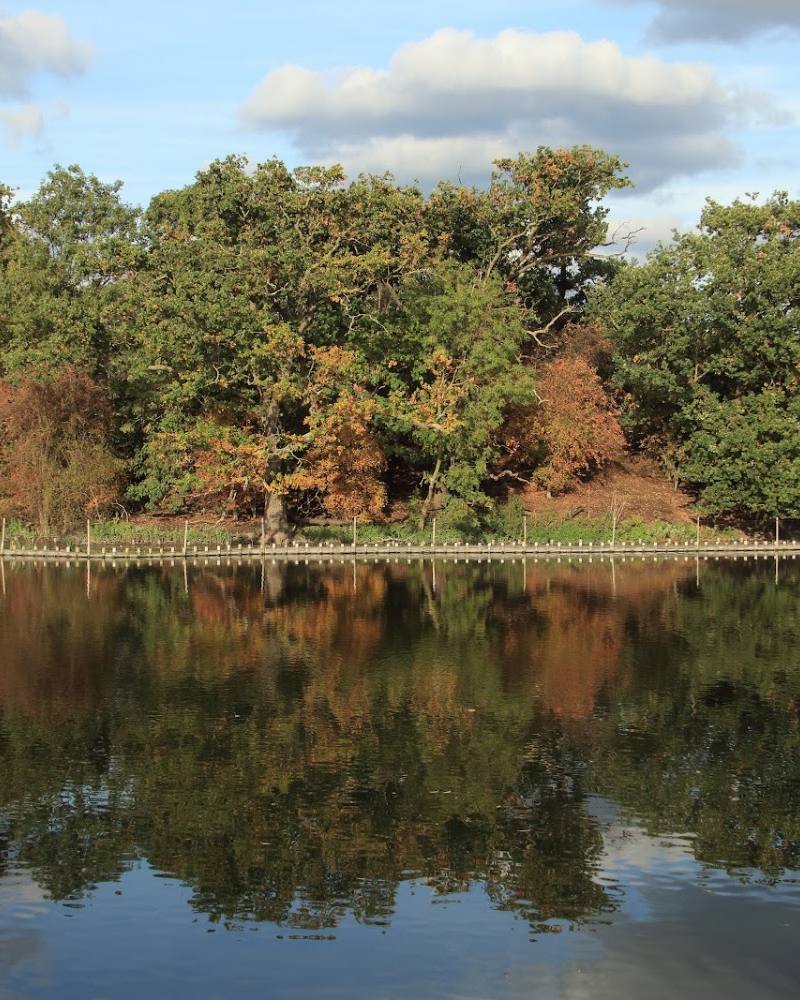
A substantial wetland wildlife reserve with an unusual double life: its working reservoirs supply drinking water while their shores and surrounding habitats support an internationally important range of wildlife. The mix of water, bird hides and broad city-facing views offers more to explore than a brief urban green-space stop.
Peaceful · Big-sky · Wild
Find your way
Open mapLockwood Way entrance, 286 Blackhorse Lane, London E17 5QH. The reserve’s official visitor address is 2 Forest Road, London N17 9NH
Opening map…
Know this place a little better?
The experience
Follow an open route beside the reservoirs, pause at bird hides, and watch for waterbirds against the city skyline. The visitor centre and main concrete path offer an accessible option; dirt-track paths may be uneven or muddy. Check for current closures before choosing a longer walk.
Things to do
Watch waterbirds from a hide
Pause at one of the reserve’s bird hides and look for species listed by London Wildlife Trust, including herons, egrets, kingfishers and waterfowl.
Allow time to stop and observe
Walk the main concrete path
Explore the reserve’s main concrete pathway, described as accessible for wheelchair users and visitors with walking difficulties. Check notices for current closures before setting out.
Compare the sheltered banks with the open-water views
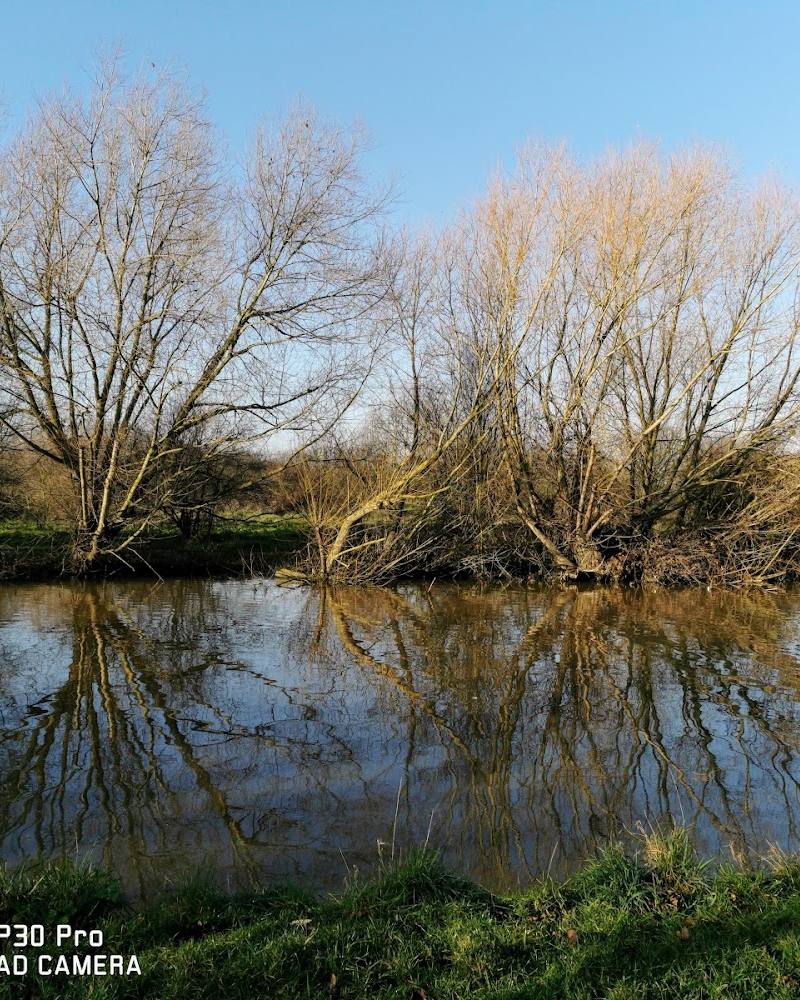
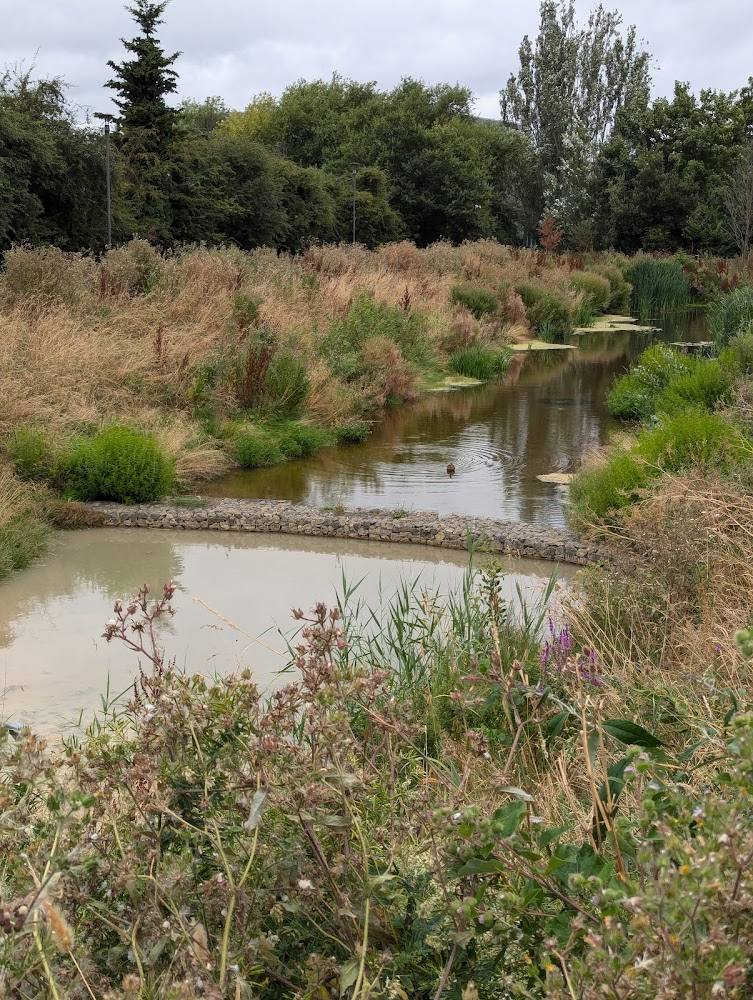
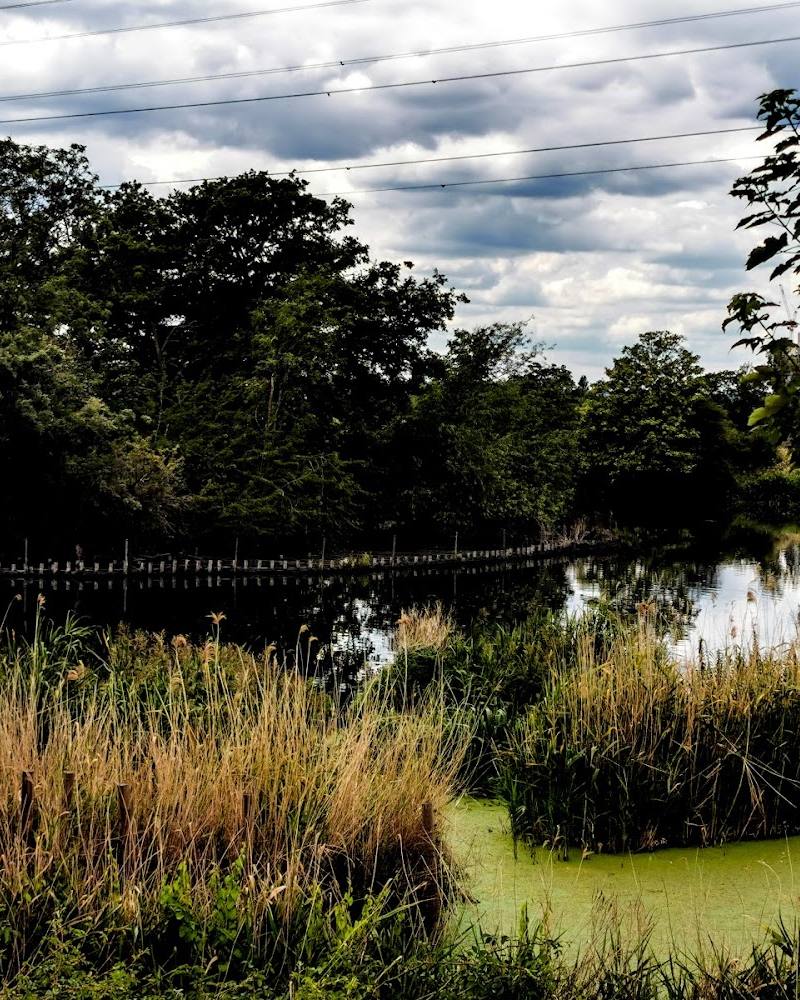
Look for the reserve’s contrasting habitats: sheltered, scrub-lined banks and broad, windswept views towards the city.
Make a day of it
Quick escape · 1–2 hours
Quick reservoir-and-bird-hide visit
- 01
Check the reserve’s current opening information and path notices before travelling.
- 02
Use a confirmed open entrance and follow the main concrete path or an open signed route.
- 03
Pause at a bird hide and scan the reservoir edges for waterbirds; return before the stated last-entry time.
Half day · Half day
Make a half day of the wetlands
- 01
Start at the visitor centre and check which paths are open that day.
- 02
Explore an open section of the reserve, taking time at bird hides and along the reservoir edges.
- 03
Use the café or picnic area if open, then continue along another open path before returning.
Verified history
The reserve occupies a working Thames Water reservoir site. London Wildlife Trust says the 160-hectare site is a main source of water for 3.5 million people. Its identity is therefore both natural and infrastructural: an important wildlife reserve within an operating water-supply landscape.
Hidden details
A wildlife reserve that is also a water-supply site — The reservoirs are not simply a scenic backdrop: the reserve’s official account says the site remains operational and supplies water to 3.5 million people.
Look for the change in character between banks — The reserve describes sheltered scrub-lined banks as well as wide, windswept views towards the city; notice how the landscape changes as you move between them.
When to go
· Check current opening and last-entry times; quieter periods are not verified.
The reserve recommends visiting all year. Seasonal species and conditions vary; no specific peak period is established by the supplied official information.
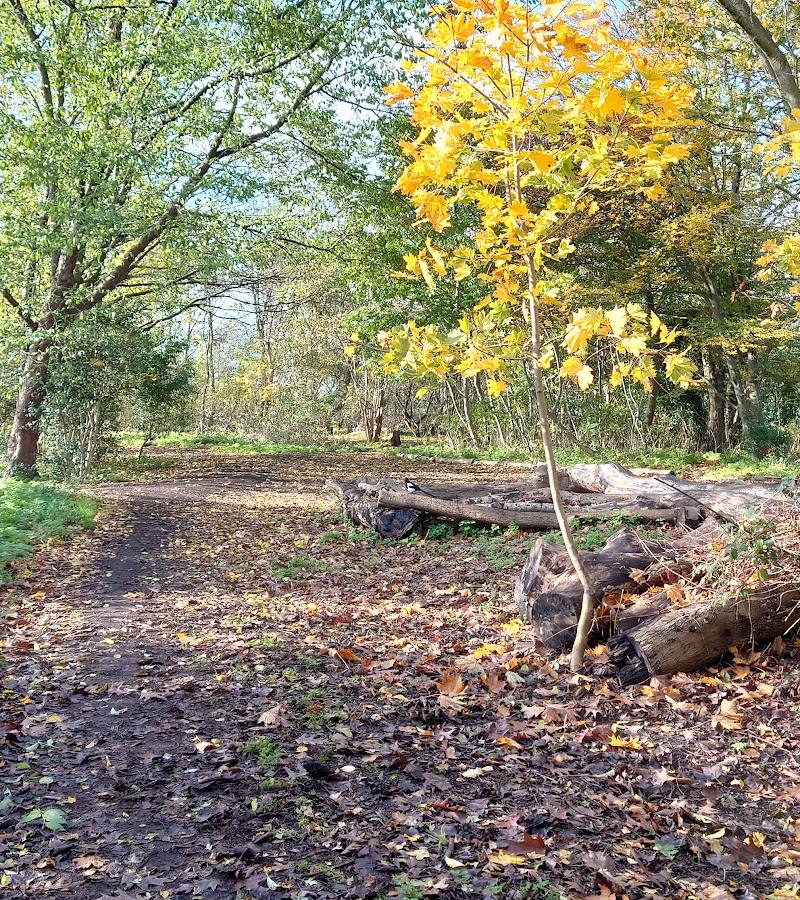
Dirt-track paths may be uneven or muddy. Check current path notices and wear suitable footwear.
What to look for
- 01
Look for grey herons, little egrets, kingfishers, cormorants and waterfowl named by the reserve. Notice the contrast between sheltered scrub-lined banks, open reservoir water and wide views towards the city
- 02
bird hides offer places to stop and look.
The story
Industry; Science
Best time to go
Open year-round; the reserve recommends visiting in all seasons. Check current path conditions and closures before visiting.
The reserve says it can be visited all year. Visit with time to pause at the hides and scan the water; check current opening hours and last-entry times before travelling.
How long to spend
1–2 hours
Perfect for
Walkers · Wildlife lovers · Photographers · Families
Before you go
Address
Phone
Website
Listed hours
- Monday: 9:30am-5pm
- Tuesday: 9:30am-5pm
- Wednesday: 9:30am-5pm
- Thursday: 9:30am-5pm
- Friday: 9:30am-5pm
- Saturday: 9:30am-5pm
- Sunday: 9:30am-5pm
Check before visiting.
Google rating
Practical information
Opening & access
The reserve is free to visit. The supplied pin is a Google Maps main-place pin, not a verified entrance or parking point. Check the reserve’s current access information and path closures before setting out.
Check before visiting
Parking
Paid parking is available at the reserve; payment information is shown on site. Four free bays are listed for Blue Badge holders. Check before visiting, as the supplied pin is not a parking pin.
Check before visiting
Toilets
Toilets and accessible toilets are listed at the reserve; facilities close before the site. Check current arrangements before visiting.
Check before visiting
Food & drink
The reserve lists a café/refreshments at the visitor centre. Check current availability and closing times before visiting.
Check before visiting
Dogs
Assistance dogs on duty only; other dogs and pets are not allowed.
Accessibility
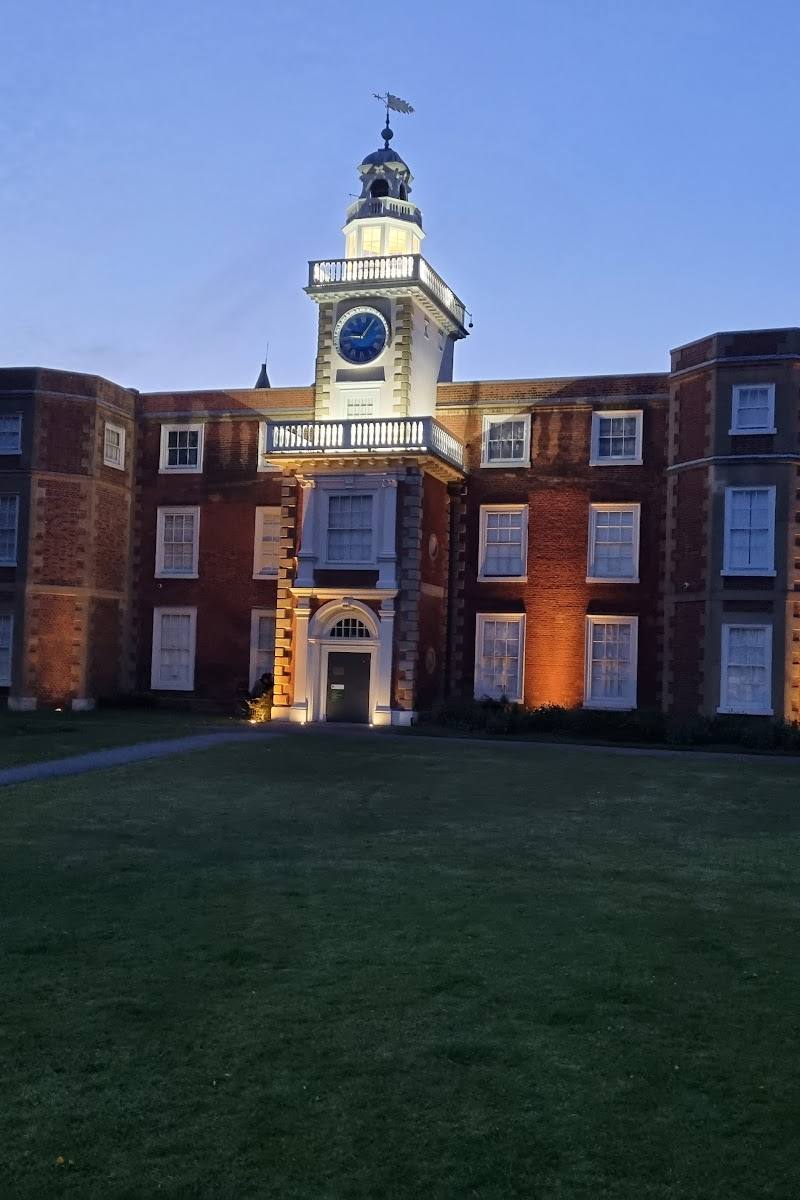
The Engine House and main concrete path are described as accessible for wheelchair users and visitors with walking difficulties. Other paths are dirt tracks and can be uneven or muddy. The reserve lists a platform lift, ramp-entry accessible toilets and Blue Badge parking; check current route conditions.
Check before visiting
Cost
Free entry; paid parking
Water
Reservoirs and wetland habitats. Swimming and paddling permission is not stated; do not enter the water.
Gallery
Place photographsKeep exploring
Around Walthamstow Wetlands — Lockwood Way entrance
Within 50 km · approximate straight-line distances