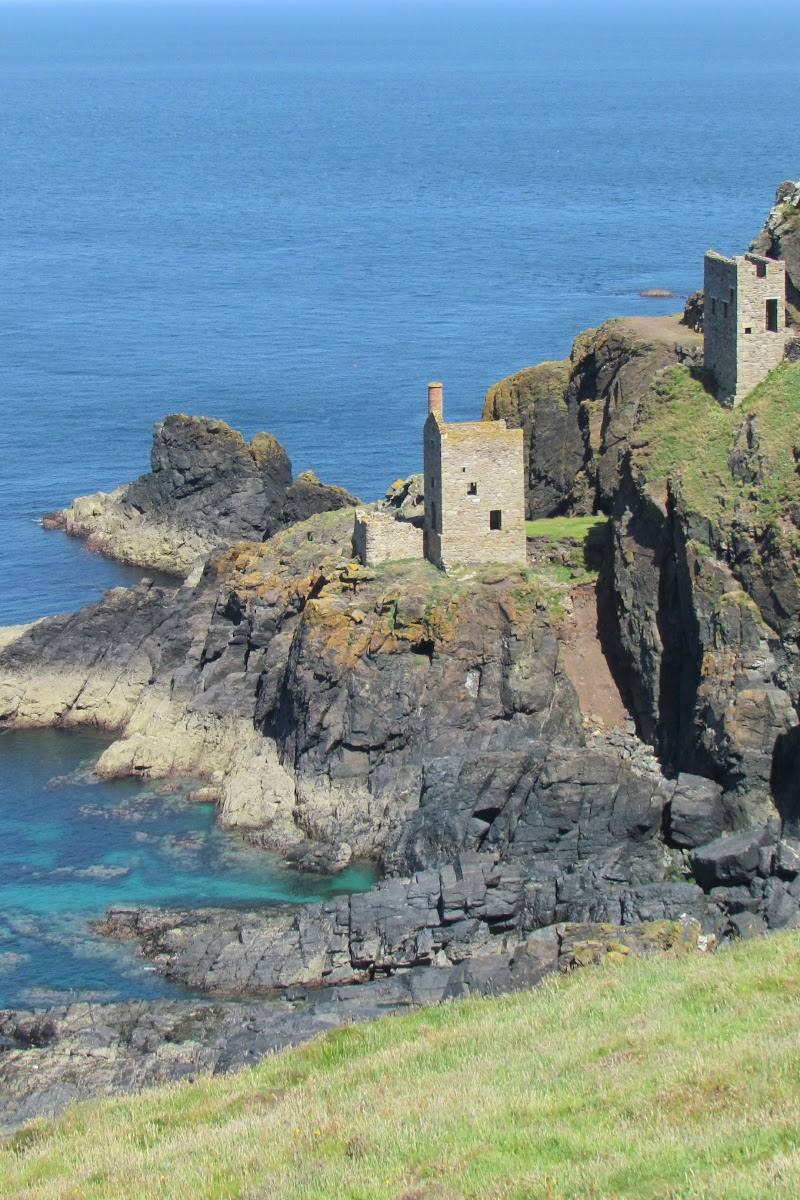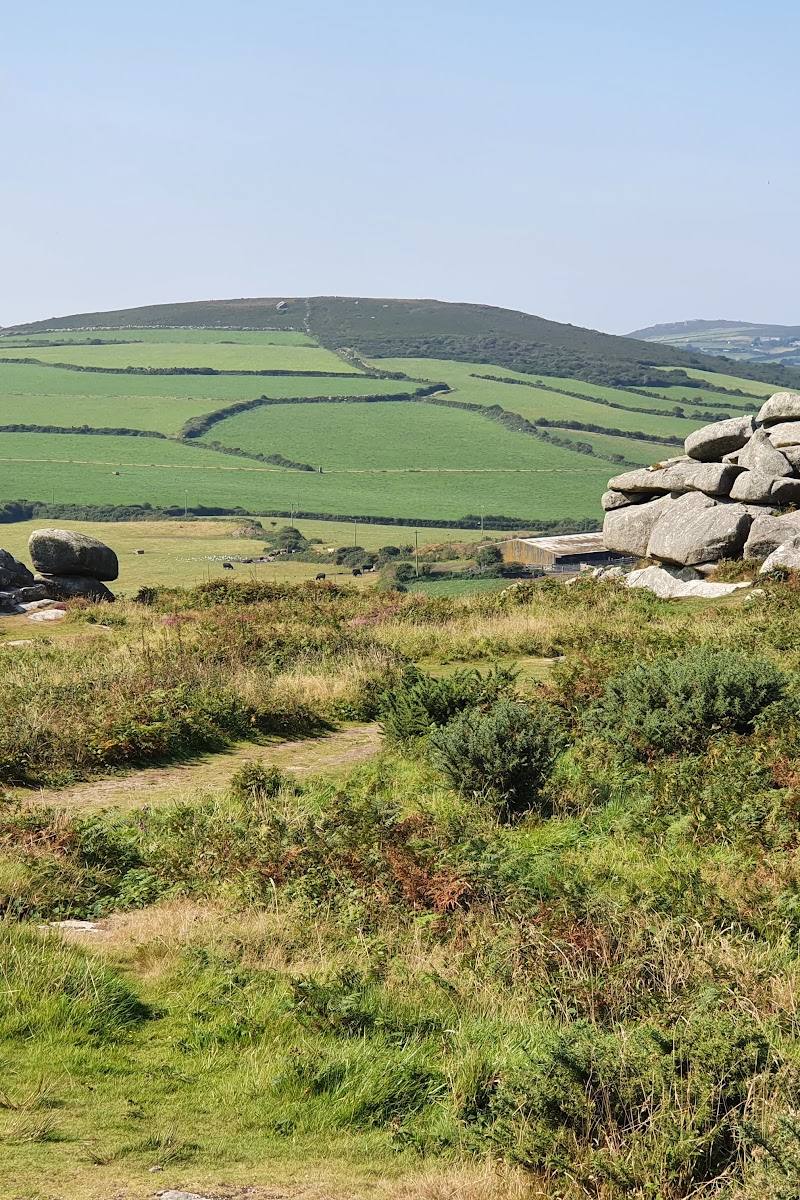
Near Zennor, north coast of the Penwith peninsula, Cornwall
Treen Cove
Beach
Place photograph
6.2
Wildland
Check before visiting
Time
Check
Cost
Remote
Feel
Why it's Wildland
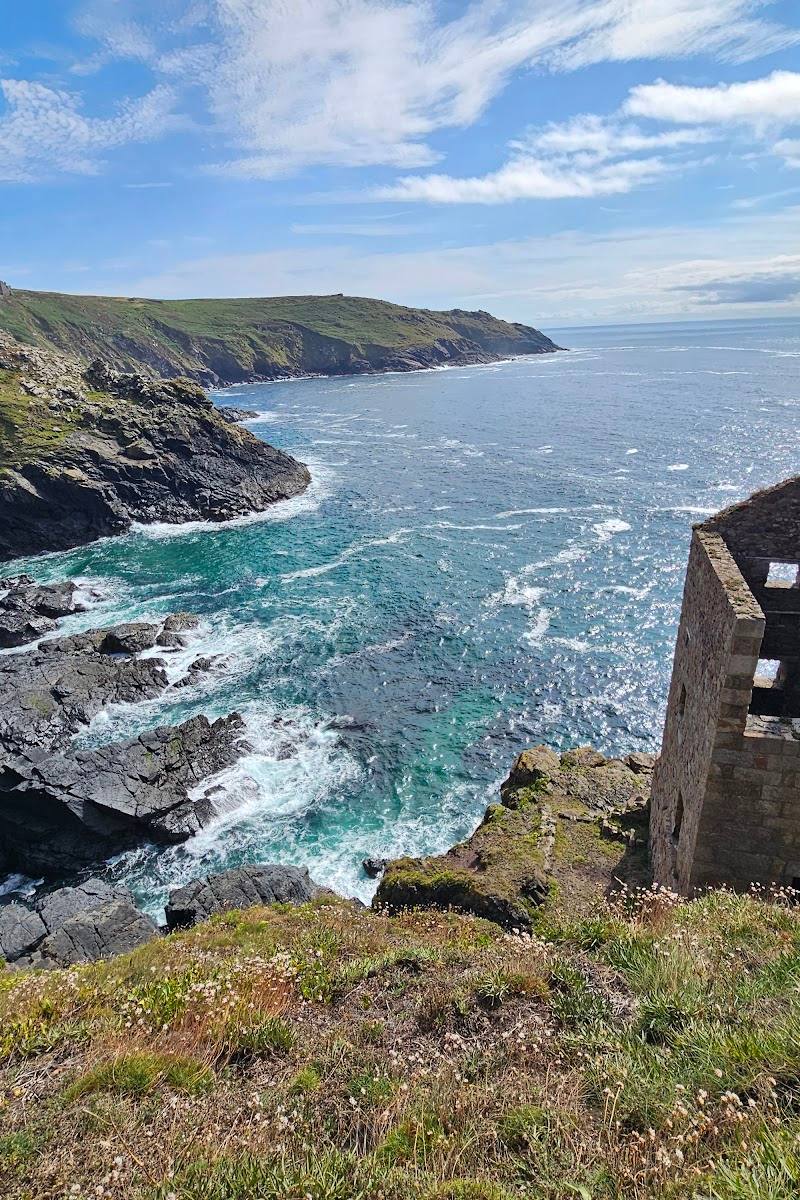
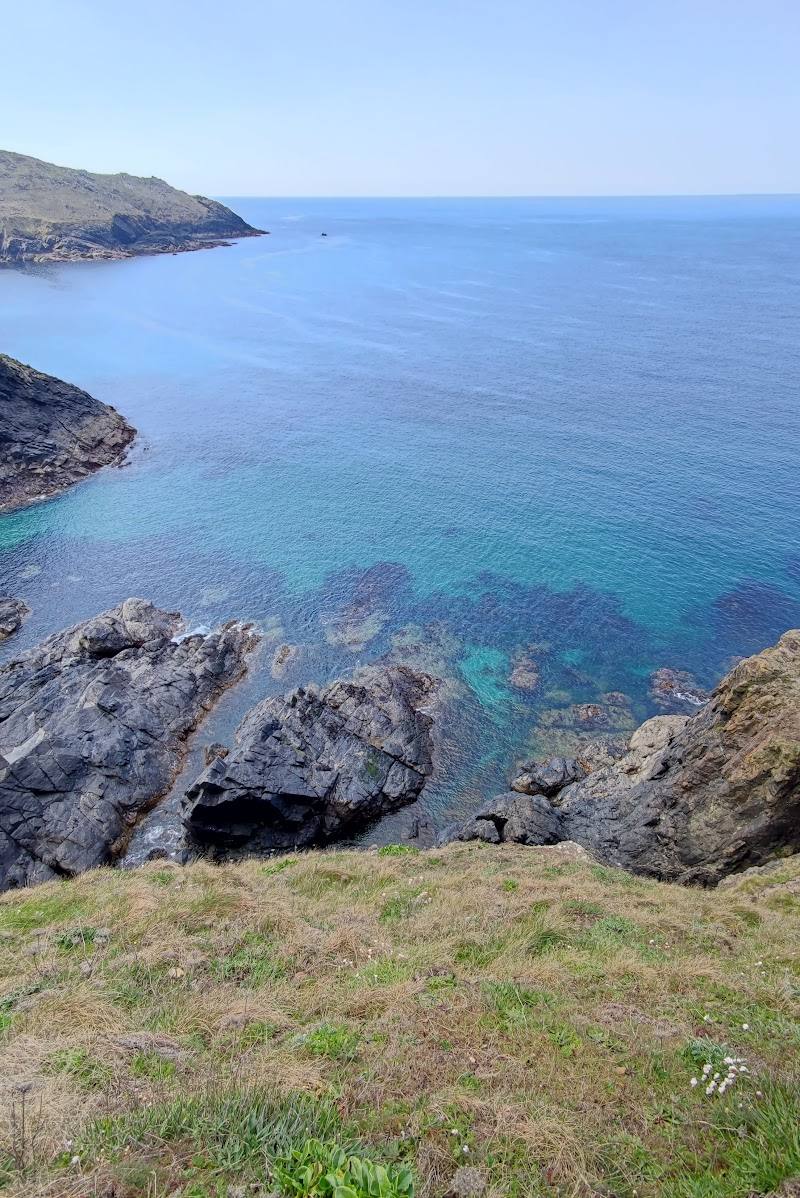
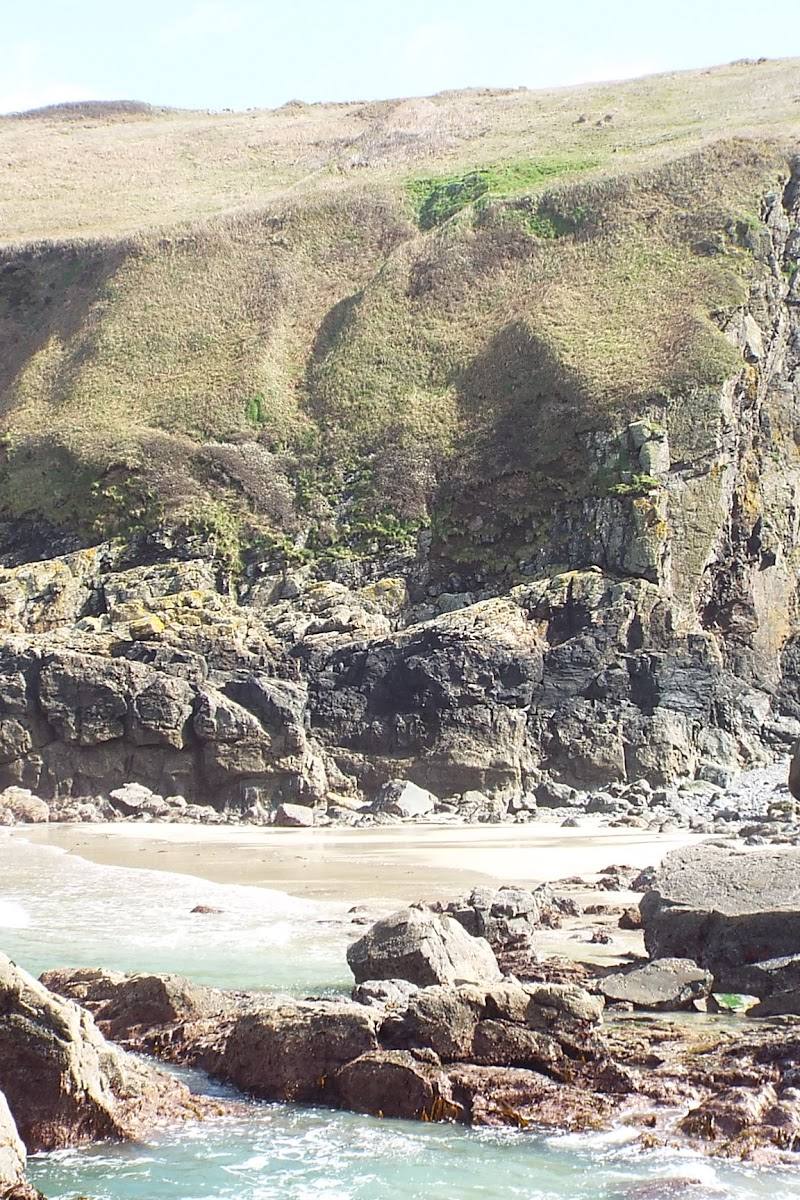
6.2A rock-and-shingle cove beneath the small hamlet of Treen, where a rock formation once sheltered fishing boats from the Atlantic swell. Above it are the scant remains of Chapel Jane, a former fisherman's chapel.
Treen Cove earns its place for its remote, foot-only approach and the way its working-coast story remains legible in the landscape: a sheltering rock, a historic fishing cove and chapel remains on the cliff above. It is a rugged cove, not a conventional sandy beach.
Remote · Wild · Atmospheric
Find your way
Open mapNear Zennor, north coast of the Penwith peninsula, Cornwall
Opening map…
Know this place a little better?
The experience
A remote coastal stop best approached on foot along the South West Coast Path. The cove is rocky and shingle rather than sandy, with a final scramble down; allow for exposed conditions and check access and coastal conditions before visiting.
Things to do
View the cove from the coast path
Take in the remote cove from the South West Coast Path before deciding whether the rocky descent is suitable in current conditions.
Look for Chapel Jane
On the cliff edge above the cove, look for the scant remains of the small fisherman's chapel.
Notice the cove’s guardian rock
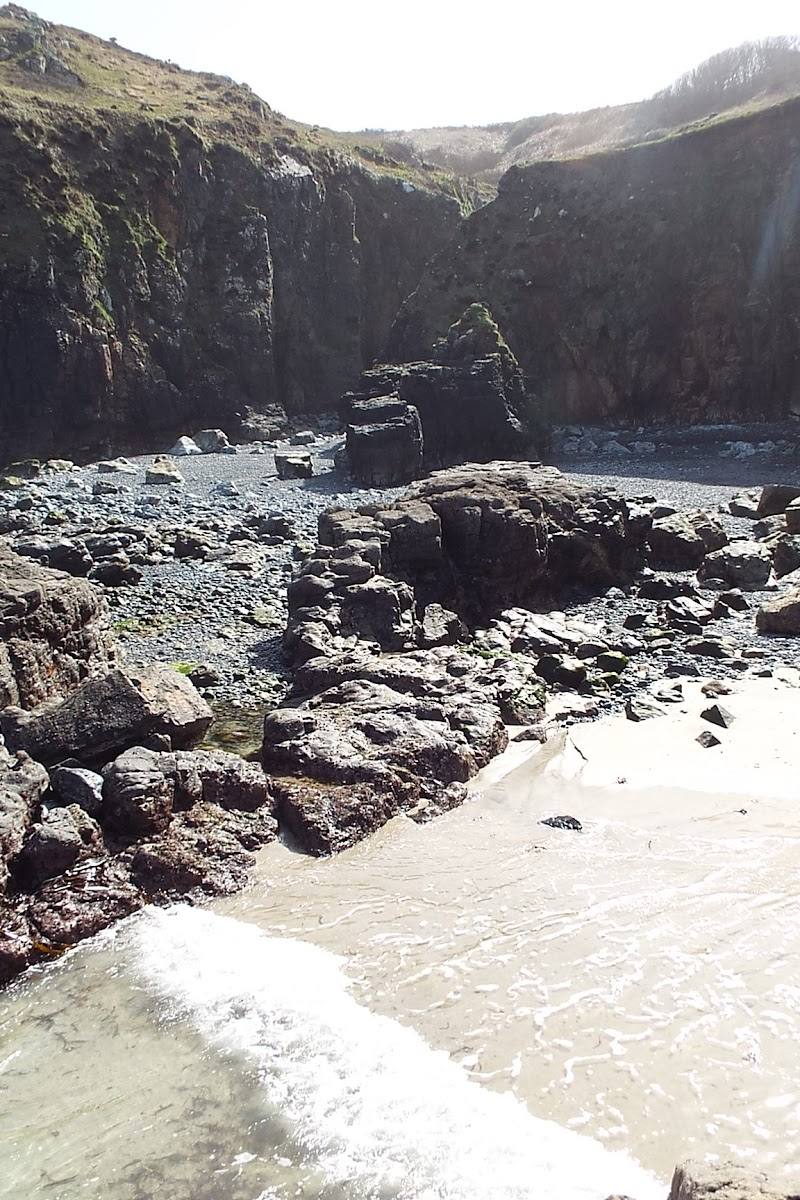
Look for the substantial rock formation that Francis Kilvert described as sheltering small fishing boats from the Atlantic swell.
Make a day of it
Quick escape · Check before visiting
Quick escape: cove and chapel remains
- 01
Reach the area on foot via the South West Coast Path; the supplied source places Treen Cove between Zennor Head and Gurnard’s Head.
- 02
Take in the cove from above before attempting the rocky descent.
- 03
If conditions and footing allow, scramble down to the rock-and-shingle shore.
- 04
Look for the scant remains of Chapel Jane on the cliff edge above the cove.
Verified history
Francis Kilvert recorded Treen Cove in his Cornish journal on 29 July 1870, describing a large “guardian-rock” that helped shelter small fishing boats. The supplied visitor guide says the local seine fishery employed around two dozen workers and ten boats in a good season. Chapel Jane, above the cove, has surviving pottery dated to around 1100–1150 AD; the chapel is thought to have remained in occasional use until the sixteenth century.
Folklore & legend
Local tradition associates Chapel Jane with a nearby holy well and suggests the site may have been in religious use before the surviving pottery dates, possibly as early as the eighth century. This earlier date is tradition, not established by the supplied evidence.
Hidden details
Chapel Jane above the shore — The chapel remains sit on the cliff edge above the cove, on an exposed platform facing the Atlantic.
A name tied to settlement and fort — The supplied guide explains the name Treen through Cornish elements referring to a farm or settlement and a fort, linking it to Trereen Dinas on Gurnard’s Head.
When to go
· No specific time is established by the supplied sources.
The supplied sources do not establish a best season. Coastal weather, tide and footing can affect a visit; check current conditions before setting out.
The cove is exposed to the open Atlantic and the final rocky scramble may be slippery. Check current coastal conditions and tide information before visiting.
What to look for
- 01
The substantial rock formation described by Francis Kilvert as a “large guardian-rock”
- 02
the rocky, shingle shoreline
- 03
and the scant remains of Chapel Jane on the cliff edge above the cove.
The story
Maritime; Saints & pilgrimage
Best time to go
Check local coastal conditions before setting out; no specific best season is established by the supplied sources.
No specific best time is verified in the supplied sources. Check tide, weather and coastal conditions before setting out.
How long to spend
Check before visiting
Perfect for
Walkers · Photographers · History lovers
Before you go
Address
Google rating
Practical information
Opening & access
Reached on foot from the South West Coast Path; there is no direct road access or car park. The final descent involves scrambling over rocks, which may be slippery.
Parking
No car park at the cove and no direct road access. Check before visiting for a suitable South West Coast Path starting point.
Check before visiting
Toilets
Check before visiting
Check before visiting
Food & drink
Check before visiting
Check before visiting
Dogs
Check before visiting
Check before visiting
Accessibility
Not suitable for assuming step-free access: the cove is reached on foot and the final descent is a rocky scramble.
Cost
Check before visiting
Check before visiting
Water
Sea
Gallery
Place photographs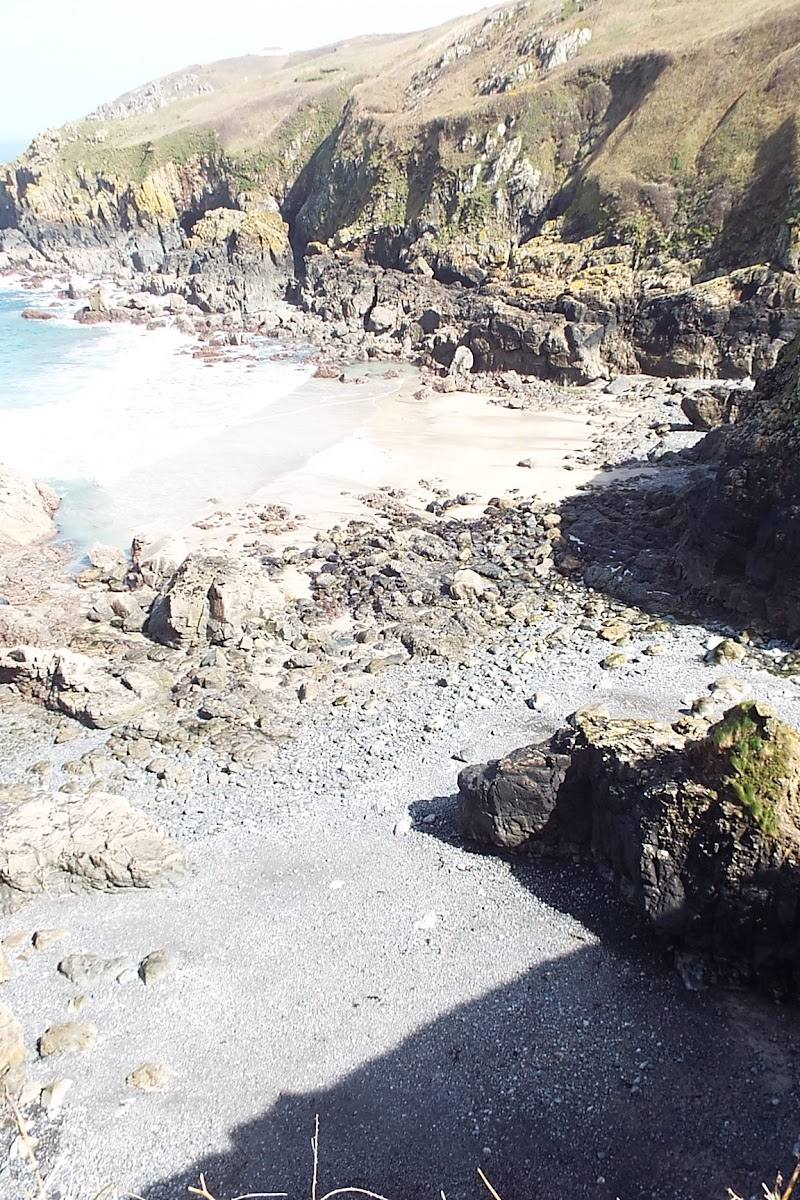
Keep exploring
Around Treen Cove
Within 50 km · approximate straight-line distances