Hendon Wood Lane, Barnet, London
Totteridge Fields
Mixed-habitat reserve
Place photograph
6.8
Wildland
1–2 hours
Time
Check
Cost
Peaceful
Feel
Why it's Wildland
6.8On London’s northern edge, old hay meadows, hedgerows and veteran boundary oaks preserve a striking patch of traditional countryside.
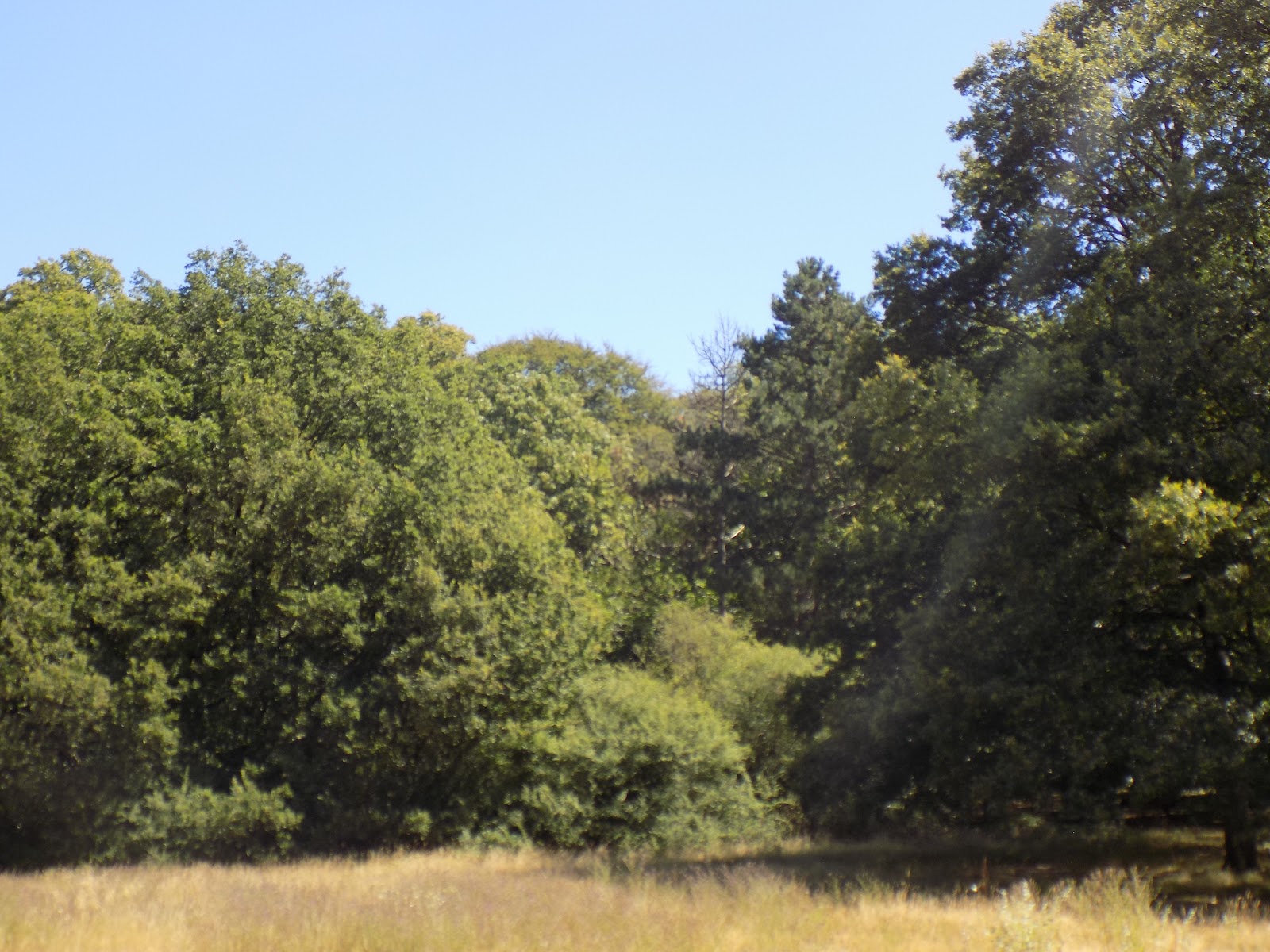
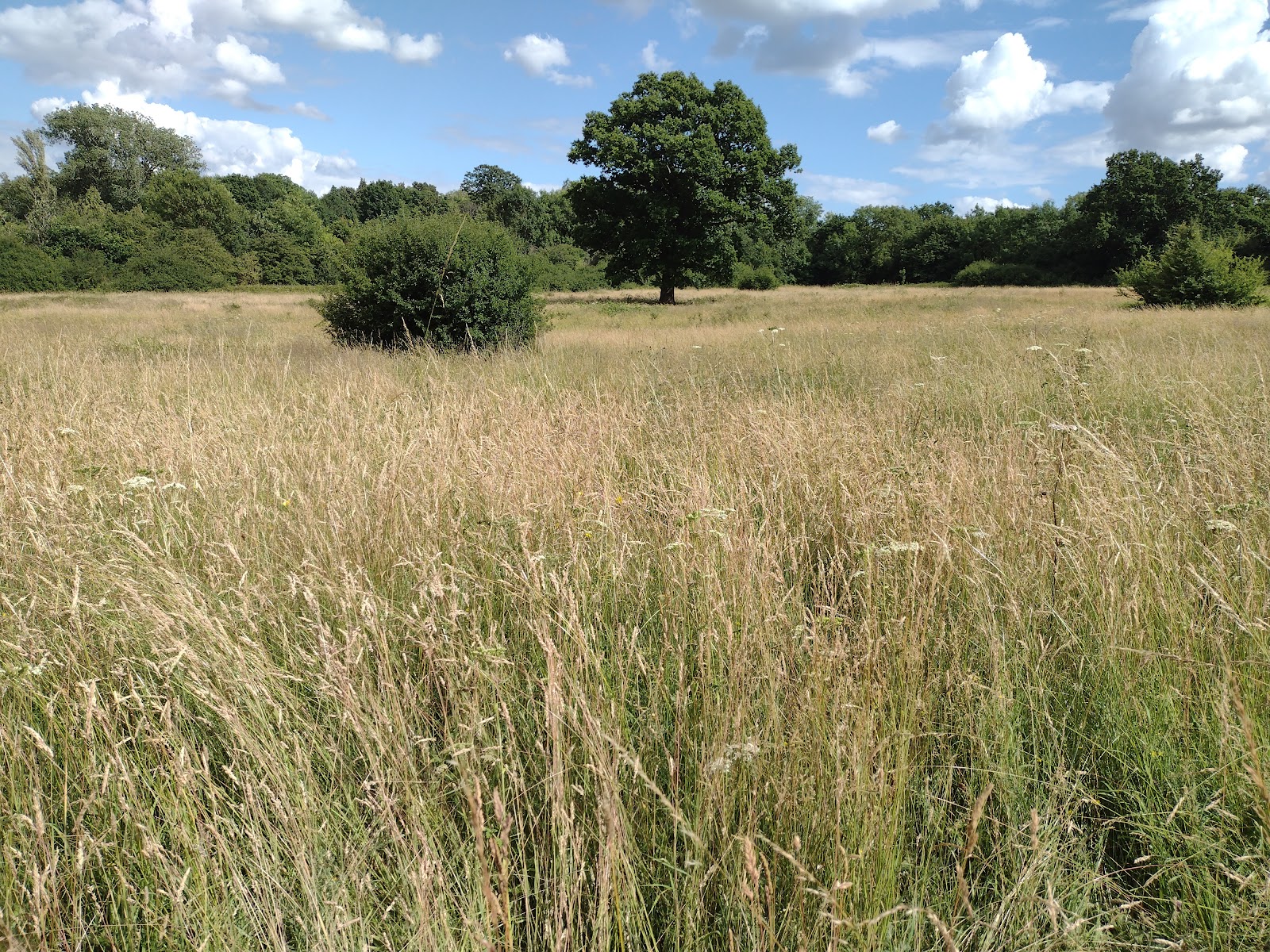
Totteridge Fields earns its place for the contrast: open, flower-rich meadows and old hedgerows survive within London, with veteran oaks marking the field boundaries. It is a place for a seasonal walk and close attention to the small things—blossom, butterflies and the life in the ditches—rather than a big-ticket attraction.
Peaceful · Wild
Find your way
Open mapHendon Wood Lane, Barnet, London
Opening map…
Know this place a little better?
The experience
A straightforward nature-reserve visit: enter from Hendon Wood Lane or another listed entrance, follow the paths through meadow and hedgerow country, and allow time to look closely at flowers, trees and ditch edges. Paths are mainly unsurfaced; cattle graze the reserve.
Things to do
Walk through the old hay meadows
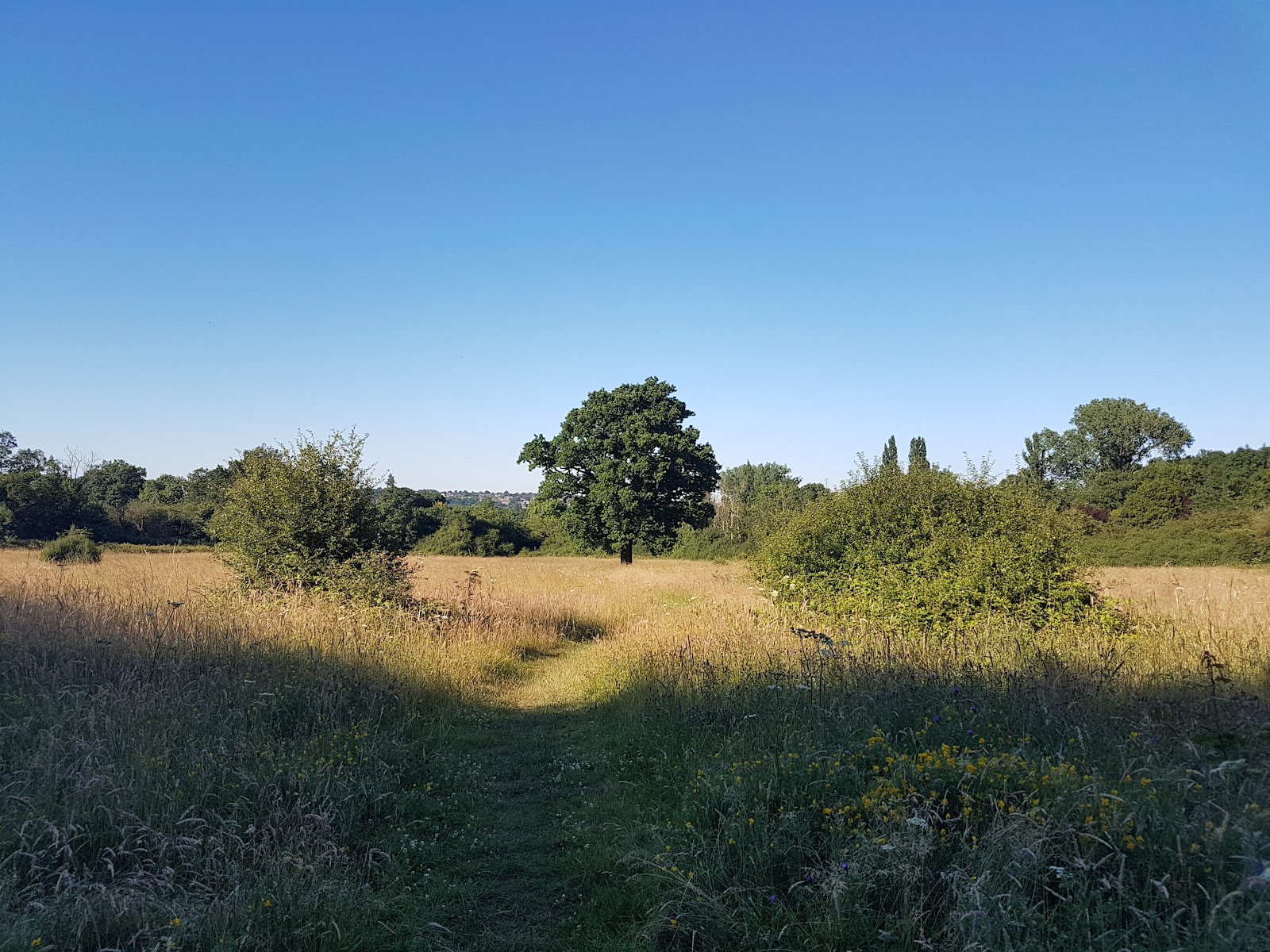
Follow the reserve paths through ancient hay meadows, part of a remaining tract of traditional countryside in outer London.
Allow around 30–60 minutes; suggested estimate
Look closely at the hedgerows and veteran oaks
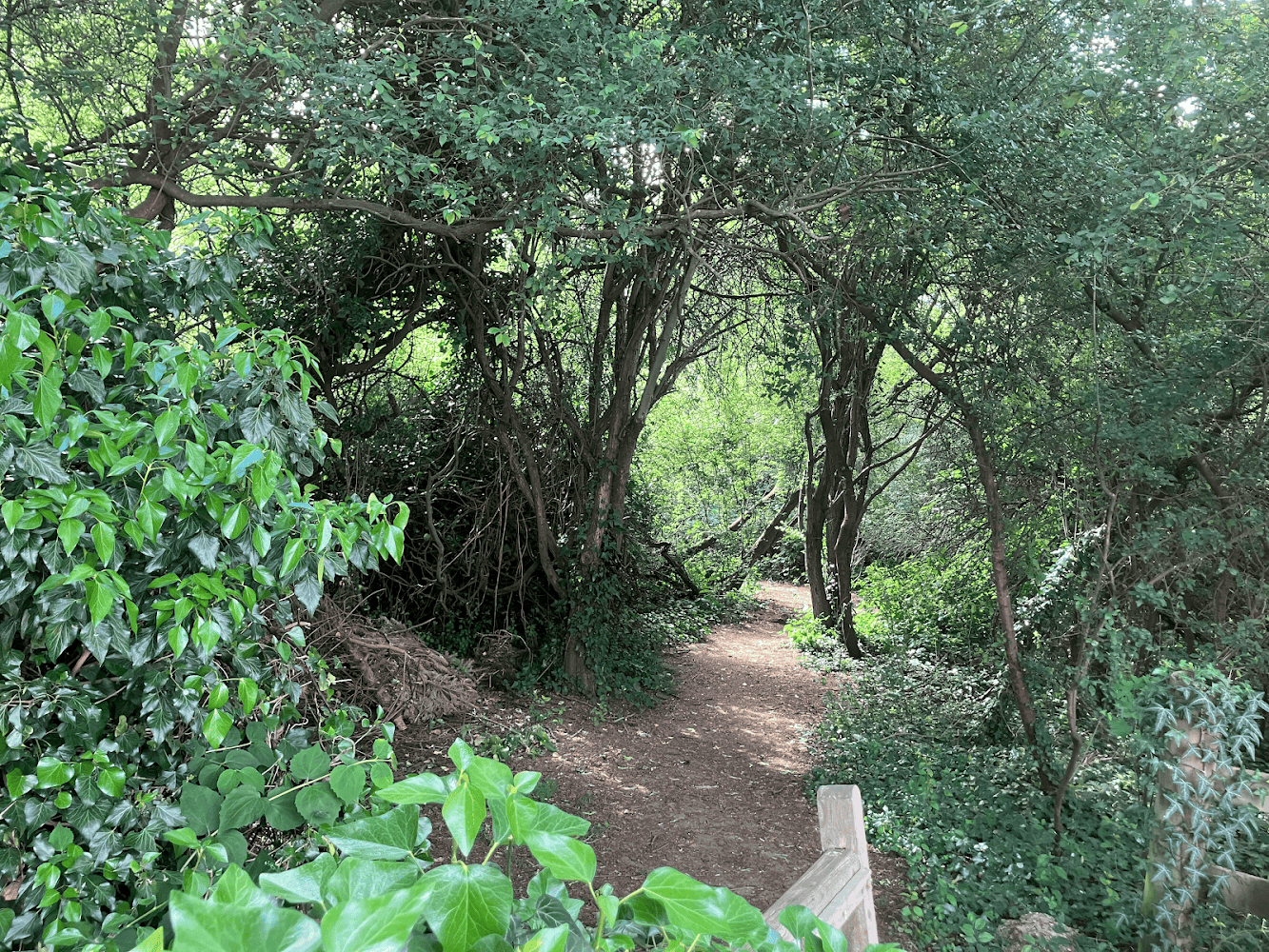
Notice the old hawthorn and blackthorn hedges and the veteran oak trees marking field boundaries. London Wildlife Trust describes the hedges as nesting and feeding sites for birds.
Search the meadows for flowers and butterflies
In summer, look for flowers among the grasses and butterflies over the fields. The local wildlife-site account also records locally uncommon grassland flowers and several butterfly species.
Notice the reserve’s ditches
From the paths, look for sedges along the ditches, which London Wildlife Trust identifies as valuable shelter for amphibians. Do not enter the ditches or disturb wildlife.
Make a day of it
Quick escape · About 1 hour; suggested estimate, not an official visit time
Quick meadow-and-hedgerow walk
- 01
Enter via the main entrance on Hendon Wood Lane beside the Old Cholmelian Sports Club.
- 02
Follow the reserve paths through the meadow and hedgerow landscape.
- 03
Pause to look for blossom, meadow flowers, butterflies and veteran boundary oaks.
- 04
Return via the same entrance; paths are mainly unsurfaced and cattle graze the site.
Half day · About 2 hours; suggested estimate, not an official visit time
Take time over the seasonal details
- 01
Visit between April and July, the period recommended by London Wildlife Trust.
- 02
Explore the reserve paths at an unhurried pace, taking in the old hay meadows and hedgerows.
- 03
Look for meadow flowers and butterflies, and inspect the ditches from the path for sedges and signs of amphibian habitat.
- 04
Notice how veteran oaks mark the field boundaries. Keep dogs on leads and give grazing cattle space.
Verified history
London Wildlife Trust describes Totteridge Fields as part of one of London’s last remaining tracts of traditional countryside. Its account identifies ancient hay meadows, old hedgerows and veteran oak boundary trees. The supplied sources do not establish a more detailed dated history for the reserve.
Hidden details
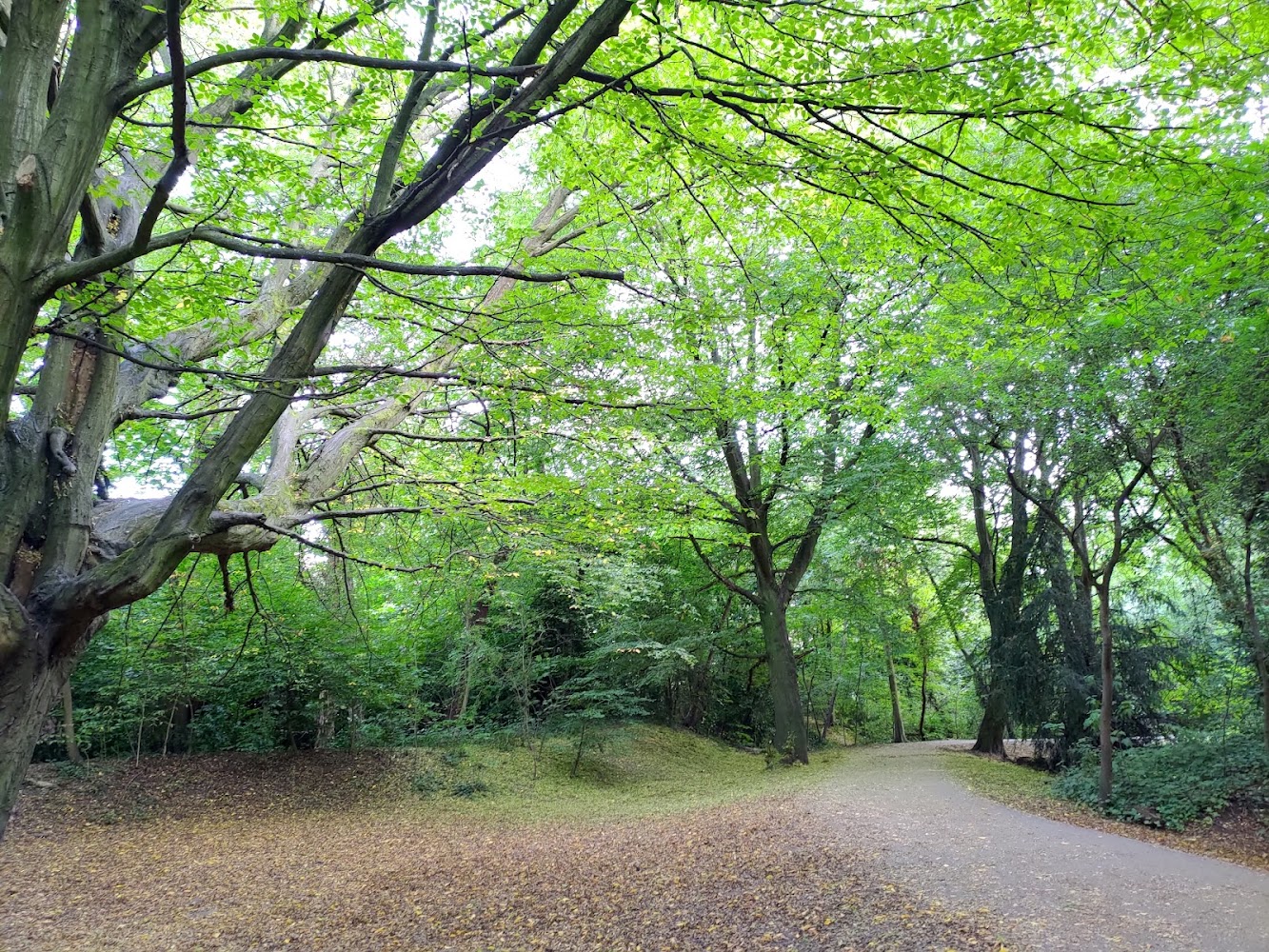
Veteran oaks mark the field boundaries — Look for the veteran oak trees along the boundaries; they are easy to overlook when attention is drawn to the open meadows.
Old hedges support more than flowers — The hawthorn and blackthorn hedgerows provide nesting and feeding sites for birds, as well as a visible record of the reserve’s field pattern.
Sedges among the ditch-side plants — The reserve account notes sedges in the ditches; the local wildlife-site record lists at least seven sedge species across the wider site.
When to go
April · May · June · July · No specific time of day is established by the supplied sources.
London Wildlife Trust recommends April to July. Its reserve account describes spring blossom and summer flowers and butterflies.
Paths are mainly unsurfaced. Check conditions before visiting, particularly after wet weather.
What to look for
Look for veteran oak boundary trees, flowering hawthorn and blackthorn, meadow flowers, butterflies and sedges in the ditches. London Wildlife Trust also notes that the ditches provide shelter for amphibians.
The story
Traditional countryside and old field boundaries
Best time to go
April–July, according to London Wildlife Trust; spring and summer bring blossom, flowers and insect activity.
April to July is London Wildlife Trust’s recommended visiting period. In spring, notice blossom in the hawthorn and blackthorn hedges; later in the season, look across the meadows for flowers and butterflies.
How long to spend
1–2 hours
Perfect for
Walkers · Wildlife lovers · Photographers
Before you go
Practical information
Opening & access
London Wildlife Trust says the reserve is open at all times. The main entrance is on Hendon Wood Lane, beside the Old Cholmelian Sports Club; two other entrances are also listed. Entrances are through kissing gates. The site includes grazing cattle, so take care around them.
Parking
The Trust identifies the nearest street parking as The Ridgeway. No dedicated reserve parking is confirmed; check local restrictions before travelling.
Check before visiting
Toilets
Check before visiting
Check before visiting
Food & drink
Check before visiting
Check before visiting
Dogs
Dogs must be kept on a lead, according to London Wildlife Trust.
Accessibility
The Trust says entrances have no steps or slopes, but are via kissing gates and paths are mainly unsurfaced. Pushchair and wheelchair suitability is not confirmed.
Cost
Check before visiting
Check before visiting
Water
Ditches
Gallery
Place photographs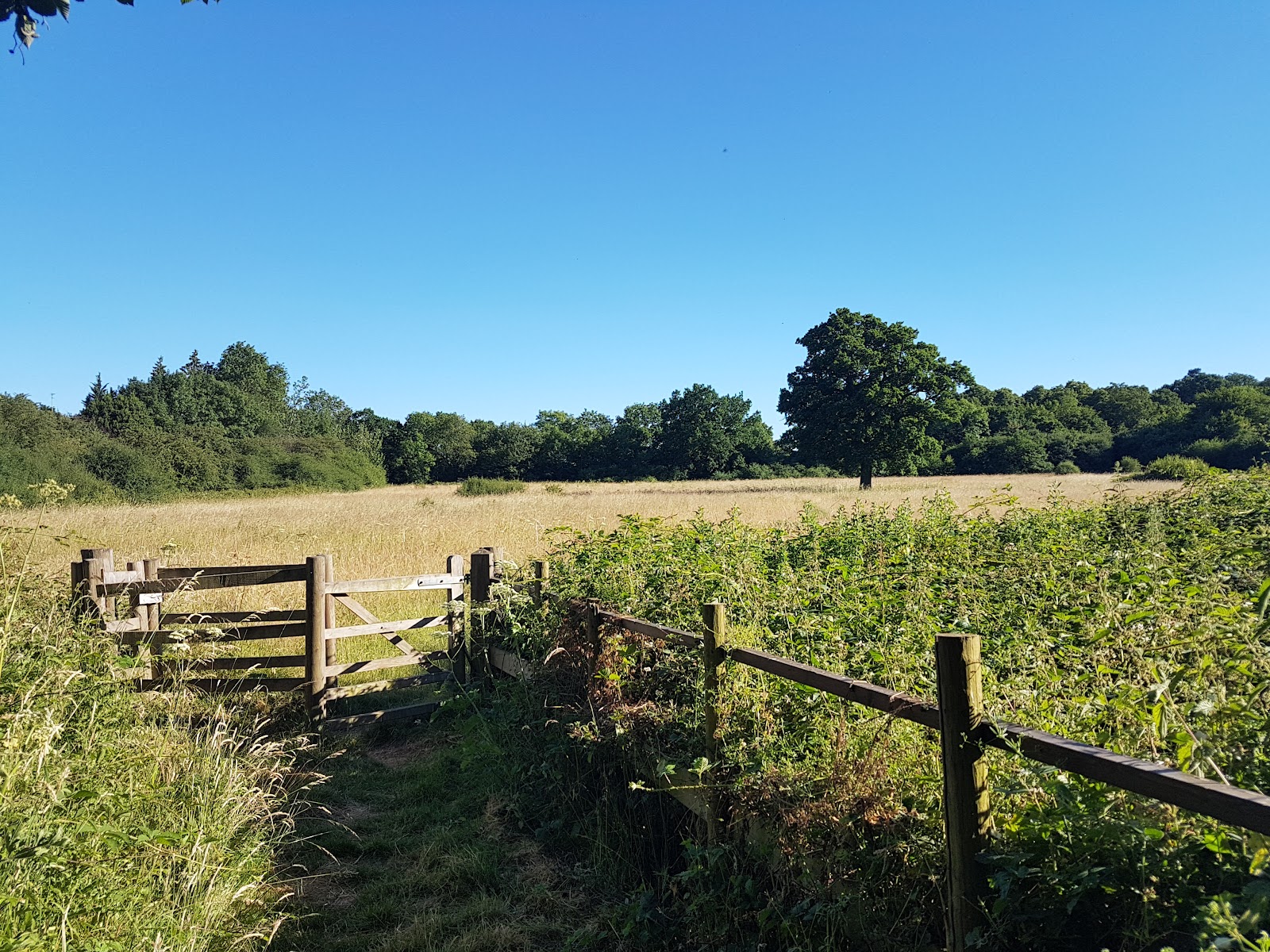
Keep exploring
Around Totteridge Fields
Within 50 km · approximate straight-line distances