Jubilee Way, Chessington, KT9 1TR
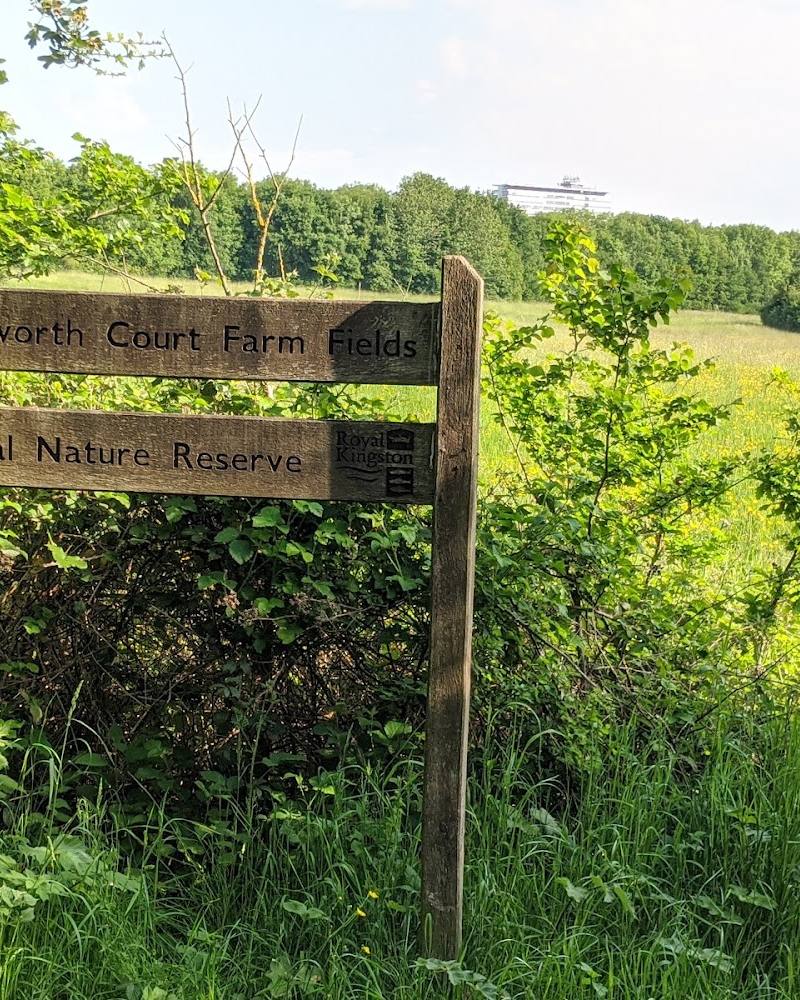
Tolworth Court Farm Fields
Mixed-habitat reserve
Source image
5.3
Wildland
1–2 hours
Time
Check
Cost
Wild
Feel
Why it's Wildland
5.3A working rewilding landscape where wetland restoration and grazing cattle are reshaping a series of meadows on the edge of London.
Tolworth Court Farm Fields offers a distinctive view of urban rewilding in progress: restored wetland, meadow and hedgerow habitats across a substantial green space, with Sussex cattle helping shape the landscape. Its appeal is in watching a changing ecosystem take form rather than arriving at a finished, highly managed attraction.
Wild · Peaceful
Find your way
Open mapJubilee Way, Chessington, KT9 1TR
Opening map…
Know this place a little better?
The experience
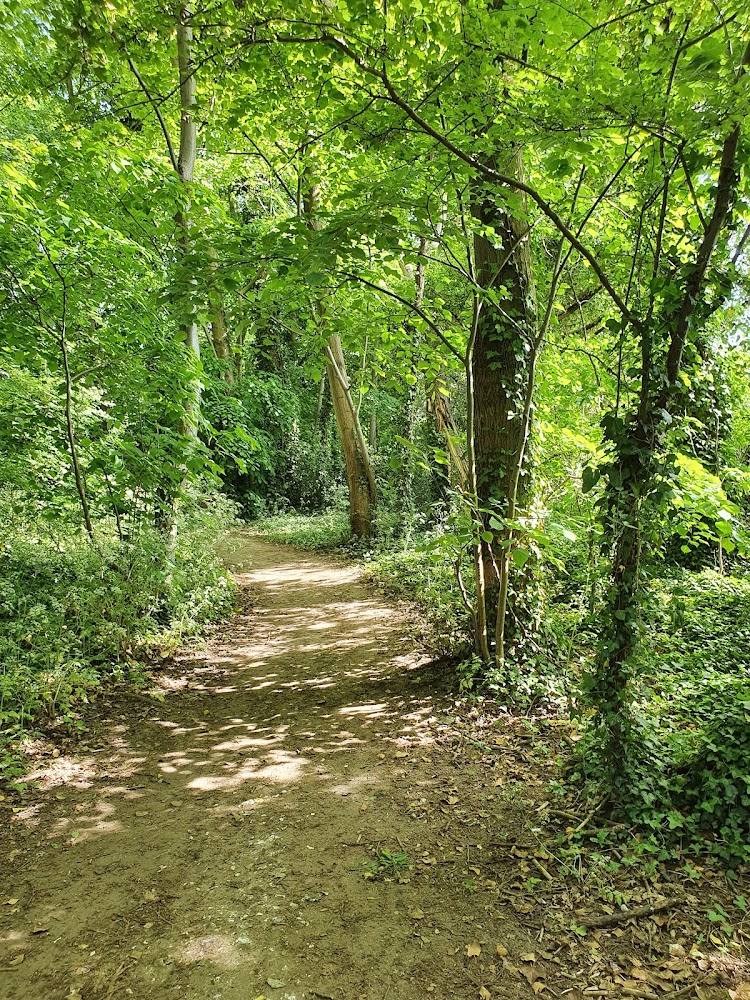
Explore a changing mosaic of fields and wetland, looking for the contrast between open meadow, hedgerows and restored habitats. This is a nature visit, not a verified route: no circuit, distance or waymarking details are available in the supplied sources.
Things to do
See urban rewilding in progress
Observe the mix of meadows and wetland described by the Wild Tolworth project. Restoration is ongoing, so the landscape may change over time.
Look for the grazing Sussex cattle
Cattle have been introduced as part of the rewilding project. Watch from a permitted path and give livestock plenty of space.
Notice the hedgerows and wet ground
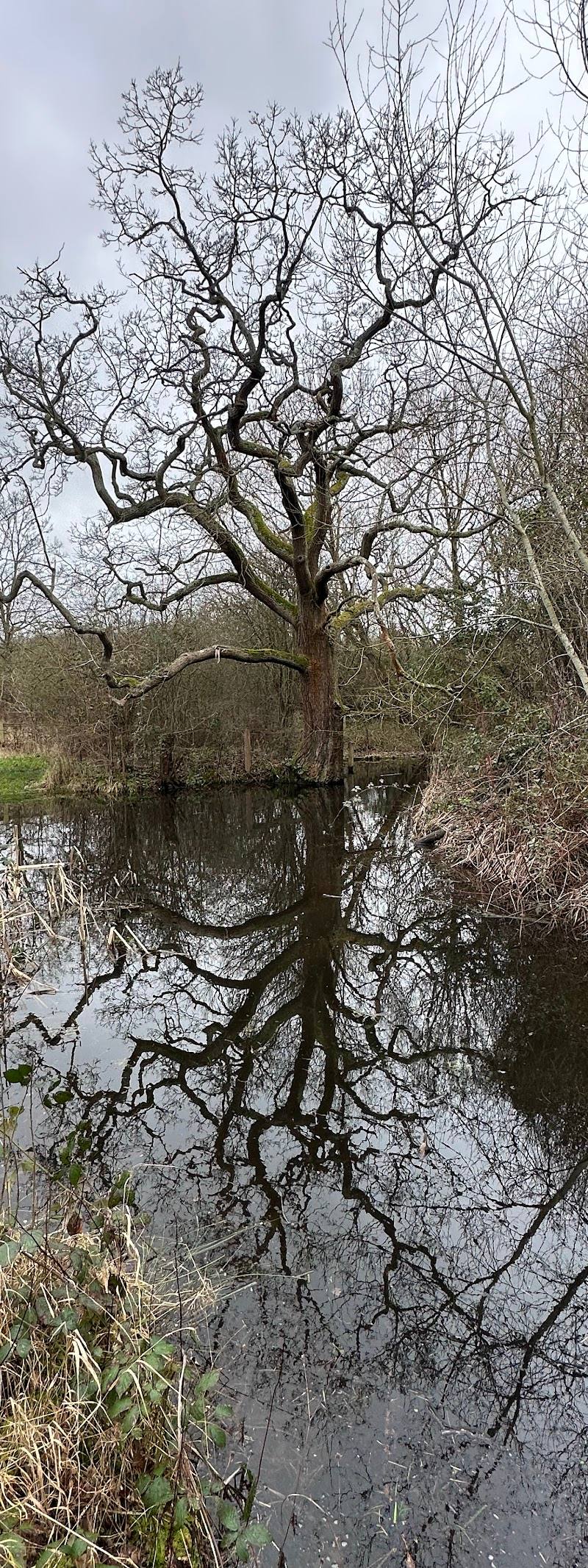
The project describes ancient hedgerows, while a supplied reference describes damp fields and wetland habitat. Look for changes in vegetation and ground conditions without leaving permitted paths.
Watch for wildlife
The project identifies a locally significant brown hairstreak butterfly population and reports wildlife survey work. Treat sightings as a possibility rather than a guarantee.
Make a day of it
Quick escape · 1–2 hours
A short look at the rewilding landscape
- 01
Enter only by a current public access point and check any notices at the entrance.
- 02
Explore the accessible field edges and wetland area from permitted paths.
- 03
Pause to observe the habitat mosaic and look for grazing cattle from a respectful distance.
Half day · Half day
Take time to notice the changing habitats
- 01
Check current access and route information before setting out; a verified circuit is not available in the supplied sources.
- 02
Spend time comparing the restored wetland area with the meadows and hedgerows described by the project team.
- 03
Watch quietly for wildlife and observe any cattle only from permitted paths; do not approach or feed livestock.
Verified history
A supplied reference says the fields have been farmed since the Domesday Book and may have formed part of a high-status medieval manor. It describes hedgerows with ditch-and-bank features and a field layout thought to pre-date late eighteenth-century enclosure. These historical details come from the supplied Wikipedia source and have not been independently corroborated by the other supplied sources.
Hidden details
A rewilding experiment you can watch change — The project combines wetland restoration and managed grazing, with the stated aim of developing a more varied habitat mosaic. The visible landscape is part of an ongoing project rather than a finished restoration.
When to go
April · May · June · July · Check current wildlife information before planning around a particular species or time of day.
The supplied project source describes meadow, wetland and butterfly habitat but does not establish exact seasonal peaks. Spring and summer are a reasonable time to see vegetation actively growing; verify current conditions locally.
Wetland and meadow ground may be soft or muddy after rain; the supplied sources do not confirm current path surfaces. Check conditions before visiting.
What to look for
- 01
Look for the boundaries and hedgerows that give the fields their structure, wet ground in the restored wetland area, and grazing Sussex cattle where visible from permitted paths. The supplied Citizen Zoo page also notes historic hedgerows and a locally significant brown hairstreak butterfly population
- 02
sightings are not guaranteed.
The story
Historic farming landscape; a supplied source describes farming here since the Domesday Book.
Best time to go
Spring and summer for meadow growth and wildlife activity; check current conditions before setting out.
Spring and summer are a sensible starting point for seeing the reserve’s changing meadow and wetland habitats. Check current conditions before visiting; no specific peak wildlife dates are verified here.
How long to spend
1–2 hours
Perfect for
Walkers · Wildlife lovers · Photographers
Before you go
Practical information
Opening & access
A nature reserve in south-west London. A 2026 BBC report describes the site as open to the public; check current access and any on-site notices before visiting.
Check before visiting
Parking
Check before visiting.
Check before visiting
Toilets
Check before visiting.
Check before visiting
Food & drink
Check before visiting.
Check before visiting
Dogs
Check before visiting; follow current site signage and keep dogs under control around livestock and wildlife.
Check before visiting
Accessibility
Path surfaces and step-free access are not established by the supplied sources. Check before visiting.
Check before visiting
Cost
Check before visiting
Check before visiting
Water
Wetland; the supplied sources also describe the site as associated with the Hogsmill River area.
Gallery
Place photographsKeep exploring
Around Tolworth Court Farm Fields
Within 50 km · approximate straight-line distances