Cuddington Way, Cheam, Sutton, Surrey
Howell Hill Nature Reserve
Mixed-habitat reserve
Source image
6.2
Wildland
Under 1 hour
Time
Check
Cost
Peaceful
Feel
Why it's Wildland
6.2A five-hectare chalk downland reserve on old chalk spoil heaps, with around 260 recorded flowering-plant species.
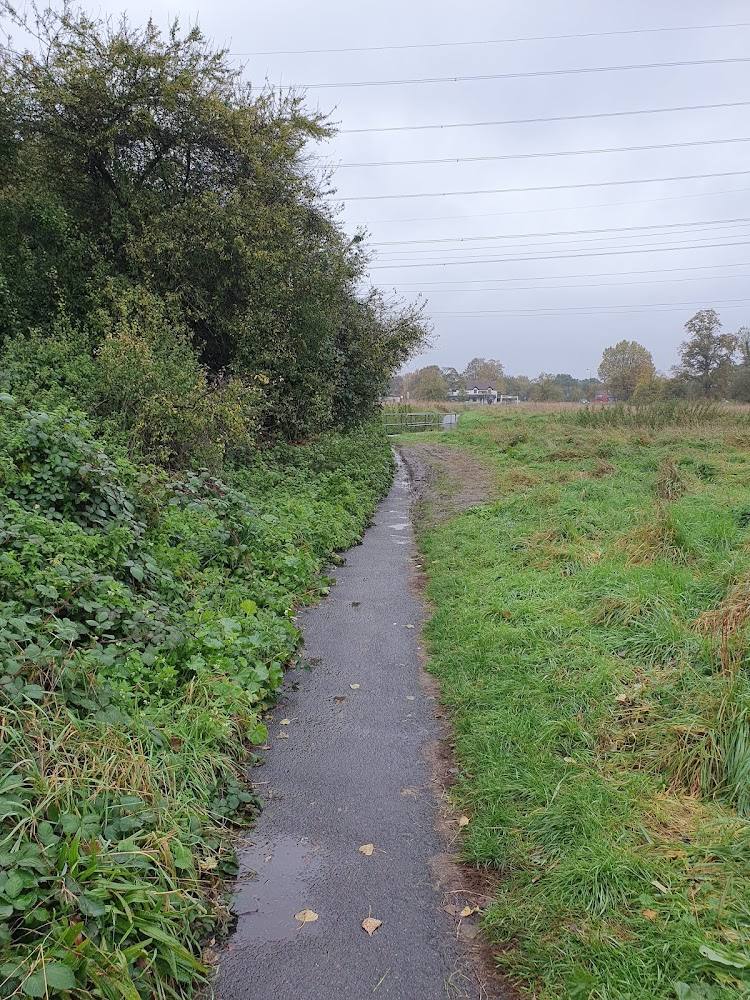
Howell Hill earns its place for botanical richness packed into a small urban-edge reserve: old chalk spoil heaps support orchids, kidney vetch and other distinctive wildflowers. It is a focused nature visit rather than a long countryside walk; access is on foot, and the Trust says it is unsuitable for wheelchair users and people with limited mobility.
Peaceful · Wild
Find your way
Open mapCuddington Way, Cheam, Sutton, Surrey
Opening map…
Know this place a little better?
The experience
Come for the chalk downland flowers and insect life rather than a lengthy walk. The reserve is five hectares; allow a short visit and take care to follow the footpath and any reserve guidance.
Things to do
Look for chalk downland wildflowers
Explore the old chalk spoil heaps and look for the orchids and other flowering plants recorded at the reserve. Surrey Wildlife Trust lists around 260 kinds of flowering plants.
Allow a short visit; exact duration not stated
Look for small blue butterflies
The Wildlife Trusts’ reserve tour identifies Howell Hill as a place to look for small blue butterflies, which are on the wing in June.
Notice the reserve’s chalk spoil heaps
The heaps were created in the 1960s when adjoining school playing fields were levelled. Their chalk substrate is part of the reserve’s distinctive botanical setting.
Make a day of it
Quick escape · Under 1 hour
Quick chalk-downland nature stop
- 01
Reach the reserve on foot via the path near the Cheam Road roundabout on the A232; there is no car park.
- 02
Explore the reserve on foot, staying on accessible paths and observing any reserve guidance.
- 03
Look for chalk downland flowers, including orchids and kidney vetch; June is a stated time to look for small blue butterflies.
Half day · Half day
Make time for Howell Hill and Priest Hill
- 01
Visit Howell Hill first, allowing time to look closely for its flowering plants and chalkland wildlife.
- 02
If you want to extend the outing, consider Priest Hill. Surrey Wildlife Trust’s reserve tour describes the route between them via Banstead Road and arable fields.
- 03
Check current access and route conditions before setting out; the supplied sources do not give a complete route description or timings.
Verified history
The chalk spoil heaps at Howell Hill were created in the 1960s when adjoining school playing fields were levelled. The land was left unmanaged for many years and is now managed on behalf of Surrey County Council. Surrey Wildlife Trust records around 260 kinds of flowering plants at the reserve.
Hidden details
Chalk heaps shaped by school-field levelling — The reserve’s chalk spoil heaps were formed in the 1960s when adjoining school playing fields were levelled.
A notable orchid list — The Trust records bee, common spotted, fragrant, pyramidal and white helleborine orchids at Howell Hill.
Small blue butterfly in June — The Wildlife Trusts’ guided tour specifically points visitors towards Howell Hill for small blue butterflies in June.
When to go
May · June · July · Not specified by the supplied sources.
Surrey Wildlife Trust gives May to July as the best time to visit. The Trust’s reserve tour notes that small blue butterflies are on the wing in June.
Check local conditions before visiting. The supplied sources do not describe weather-related access or ground conditions.
Worth pairing with
Priest Hill Nature Reserve
A possible extension to the outing: Surrey Wildlife Trust’s guided tour describes travelling between Howell Hill and Priest Hill via Banstead Road and arable fields. Check current access and route details before setting out.
What to look for
Look for orchids, kidney vetch, mouse-eared hawkweed and the old chalk spoil heaps that give the site its distinctive terrain. The Trust also records anthills and green woodpeckers.
Best time to go
May–July, the reserve’s stated best visiting period.
May to July is the reserve’s stated best time to visit. Small blue butterflies are noted in June.
How long to spend
Under 1 hour
Perfect for
Walkers · Wildlife lovers · Photographers
Before you go
Address
Phone
Website
Listed hours
- Monday: Open 24 hours
- Tuesday: Open 24 hours
- Wednesday: Open 24 hours
- Thursday: Open 24 hours
- Friday: Open 24 hours
- Saturday: Open 24 hours
- Sunday: Open 24 hours
Check before visiting.
Google rating
Practical information
Opening & access
Open at all times. Access is by footpath near the Cheam Road roundabout on the A232; there is no car park.
Parking
No car park. Access via footpath near the Cheam Road roundabout on the A232.
Toilets
Check before visiting
Check before visiting
Food & drink
Check before visiting
Check before visiting
Dogs
Dogs on a lead.
Accessibility
Not suitable for wheelchair users or people with limited mobility, according to Surrey Wildlife Trust.
Cost
Check before visiting
Check before visiting
Gallery
Place photographsKeep exploring
Around Howell Hill Nature Reserve
Within 50 km · approximate straight-line distances