Thurstaston Common, Wirral, Merseyside
Thor’s Stone, Thurstaston
Strange monument
Place photograph
6.1
Wildland
1–2 hours
Time
Check
Cost
Atmospheric
Feel
Why it's Wildland
6.1A sandstone tor with a famous name and a less ancient story: the supposed link to Thor and pagan rites was proposed in the Victorian period, not established by archaeological evidence.
This is more than a rock to scramble over: Thor’s Stone is a striking sandstone outcrop set among commonland paths, with far-reaching views from nearby Thurstaston Hill. Its most compelling story is the contrast between its evocative name and the much later origins of the Thor-and-pagan association.
Atmospheric · Quirky · Big-sky
Find your way
Open mapThurstaston Common, Wirral, Merseyside
Opening map…
Know this place a little better?
The experience
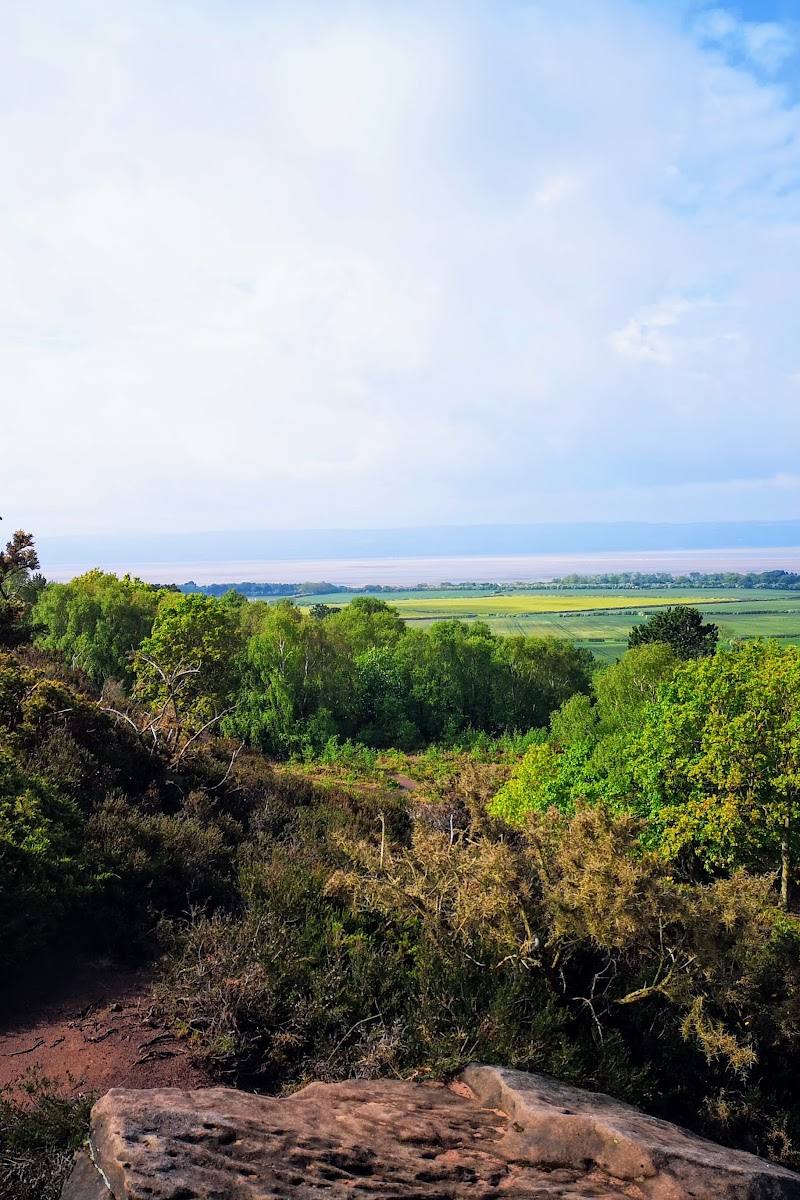
Visit the outcrop as part of a walk on Thurstaston Common. Pair the rock with the nearby hilltop viewpoint for broad views across the Dee Estuary, Wirral and, on a clear day, North Wales. Paths are uneven and can be muddy after rain.
Things to do
Look closely at Thor’s Stone
Examine the distinctive sandstone outcrop and its smoothed, worn surface. A specialist account describes names, initials and worn climbing routes on the rock.
20–40 minutes
Walk up to the Thurstaston Hill viewpoint
The hilltop viewpoint is described as looking across the Dee Estuary, Wirral and the Welsh hills; distant views depend on clear conditions.
Allow extra time for the uphill path; exact duration is not established.
Follow the commonland paths
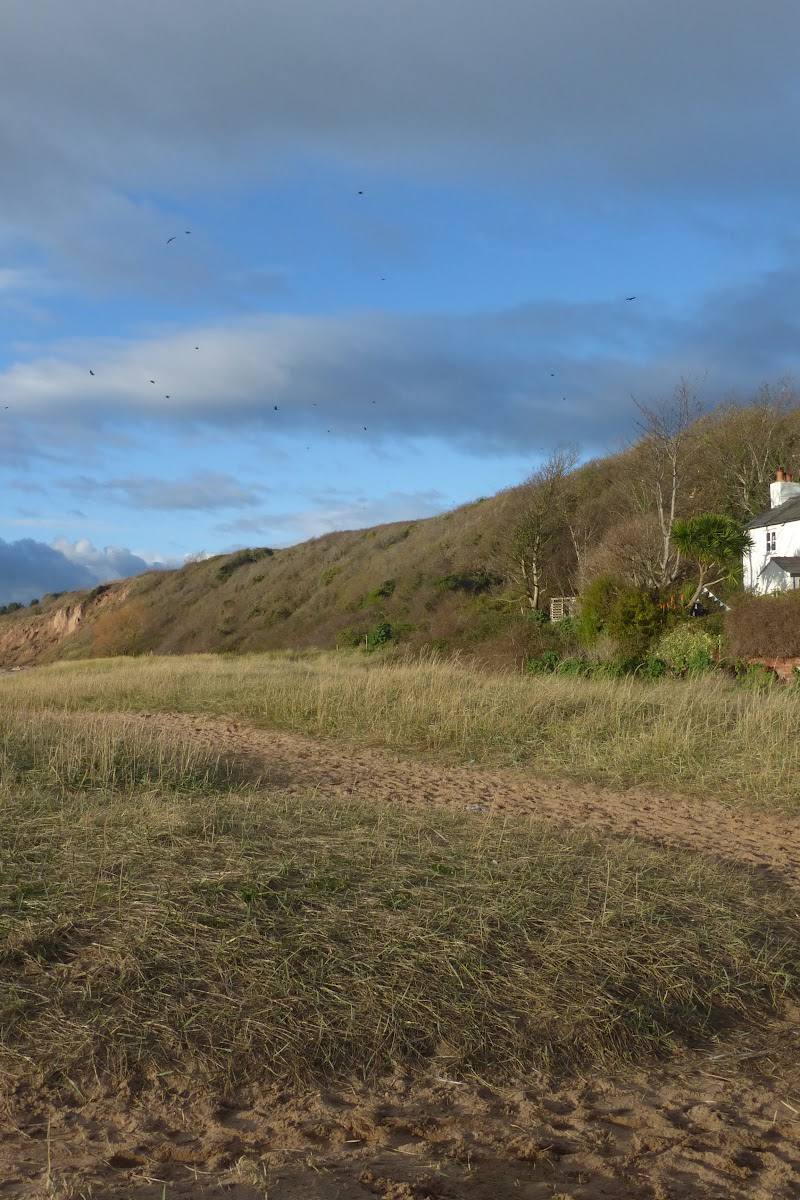
Explore the paths around the outcrop and hill. Accounts describe woodland and heathland, uneven rocky sections and paths that may be muddy after rain; use a current map rather than relying on an old route description.
Make a day of it
Quick escape · 1–2 hours
Quick escape: find Thor’s Stone
- 01
Start from the car park described at the beginning of the circular walk, after confirming current access.
- 02
Follow the commonland paths towards Thor’s Stone; expect rocky, uneven steps.
- 03
Pause to look closely at the sandstone and its worn, carved surface.
- 04
Return by the route you came, taking care on uneven ground.
Half day · Half day
Make a half day of it: stone, hill and views
- 01
Explore Thor’s Stone on Thurstaston Common.
- 02
Continue to the viewpoint on Thurstaston Hill for views described across the Dee Estuary, Wirral and North Wales.
- 03
Allow time for a pause at the viewpoint; a visitor account mentions a bench.
- 04
If you want to extend the outing, consider the wider walk towards Royden Park or the shore, checking current routes and facilities first.
Verified history
Thor’s Stone is a natural sandstone outcrop. Archaeologist Howard Williams notes that the claim linking it to Thor or pagan rites was proposed by J. A. Picton in 1877, amid Victorian interest in Old Norse paganism. Williams reports no archaeological evidence for early medieval activity on this part of the common and rejects a Viking-period ritual or gathering connection. The evocative name should not be mistaken for proof of an ancient shrine.
Folklore & legend
A local story recorded by a visitor account says the rock was known as “Fair Maiden’s Hall” and that children were said to dance around it once a year. Treat this as local lore, not verified history.
Hidden details
The marks on the stone are part of its modern story — A specialist account describes names and initials carved into the sandstone, alongside polished surfaces and worn routes left by repeated climbing. These traces record recreation and erosion; they do not demonstrate ancient ritual use.
A Victorian origin for the Thor association — The supposed pagan connection was first proposed in 1877, according to archaeologist Howard Williams. The distinction between an evocative place-name story and archaeological evidence is easy to miss on a casual visit.
When to go
· Choose a clear, dry spell for views and safer footing; no preferred time of day is established by the supplied sources.
The sources mention heather in season but do not give reliable peak dates. Dry weather is a practical choice because paths are described as rocky and sometimes muddy.
The hilltop views depend on visibility. Paths and steps are uneven, and lower sections may be muddy after rain. Take care on the sandstone, especially when wet.
Worth pairing with
Thurstaston Hill viewpoint
A natural extension to the visit, with reported views across the Dee Estuary, Wirral and the Welsh hills.
Royden Park
A walking account describes the park adjoining the common and mentions a café and toilets there. Check facilities and opening before relying on them.
Thurstaston shore
A longer walking option described in a published route account; the article warns that its route details may no longer be accurate, so check a current map before setting out.
What to look for
Notice the smoothed, worn sandstone and the names and initials carved into the rock. The carved marks and worn climbing routes are recent human traces, not evidence of an ancient shrine.
The story
Folklore and legend; Victorian-era interpretation of a natural sandstone outcrop.
Best time to go
Clear, dry weather is best for the views and for negotiating the rocky, uneven paths. Heather is noted in season, but its peak timing is not established by the supplied sources.
Choose a clear, dry day for the broadest views and easier footing. Heather is reported on the common in season, but the sources do not establish exact peak weeks.
How long to spend
1–2 hours
Perfect for
Walkers · Photographers · History lovers · Families
Before you go
Address
Listed hours
- Monday: Open 24 hours
- Tuesday: Open 24 hours
- Wednesday: Open 24 hours
- Thursday: Open 24 hours
- Friday: Open 24 hours
- Saturday: Open 24 hours
- Sunday: Open 24 hours
Check before visiting.
Google rating
Practical information
Opening & access
A natural sandstone outcrop on Thurstaston Common, reached by uneven paths and rocky steps. A source describes a car park at the start of the circular walk, but check current access and conditions before visiting. Access arrangements are unconfirmed. Check before visiting; do not enter private land or restricted structures.
Check before visiting
Parking
A car park at the start of a circular walk is described in a visitor account; verify its current location, availability and any charges before setting out.
Check before visiting
Toilets
A visitor account mentions toilets at Royden Park; check current availability before visiting.
Check before visiting
Food & drink
Cafés are mentioned at Royden Park and near the shore in supplied walking accounts; check current opening and availability.
Check before visiting
Dogs
Dog access is described for parts of the wider area, with restrictions where sheep are grazing; check current signs and local guidance.
Check before visiting
Accessibility
The source row says the car park and entrance are not wheelchair accessible. Visitor accounts describe rocky, uneven steps and paths; this should not be treated as an accessible route.
Cost
Check before visiting
Check before visiting
Water
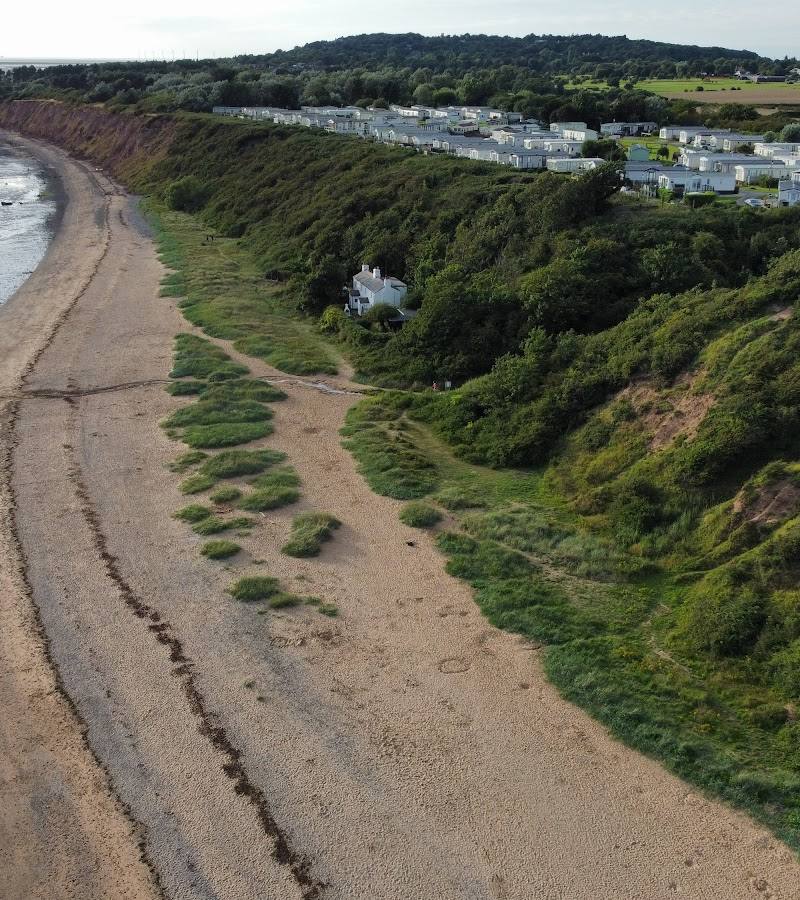
Dee Estuary views are described from the surrounding area; no water activity or swimming access is evidenced.
Gallery
Place photographs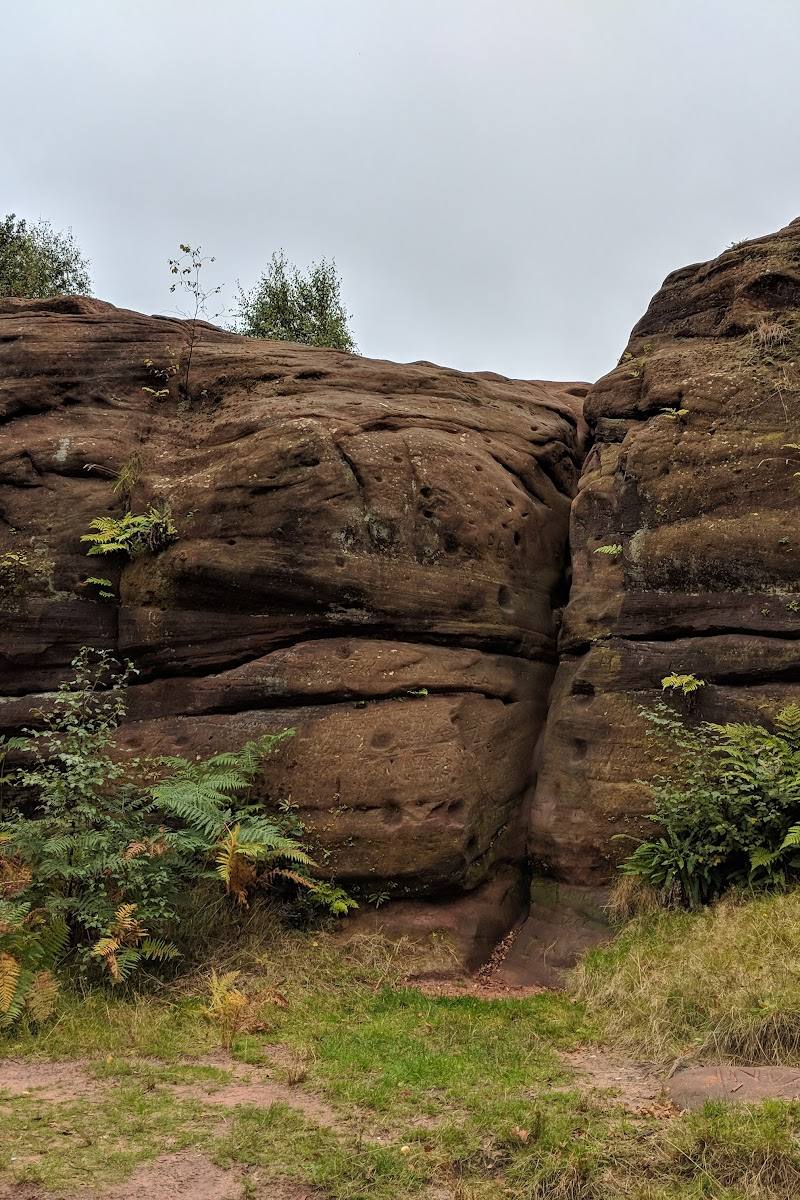
Keep exploring
Around Thor’s Stone, Thurstaston
Within 50 km · approximate straight-line distances