City of London, London
London Roman Wall Walk
route · Heritage walk
Place photograph
6.4
Wildland
Allow around 2–3 hours for a partial exploration
Time
Check
Cost
Atmospheric
Feel
Why it's Wildland
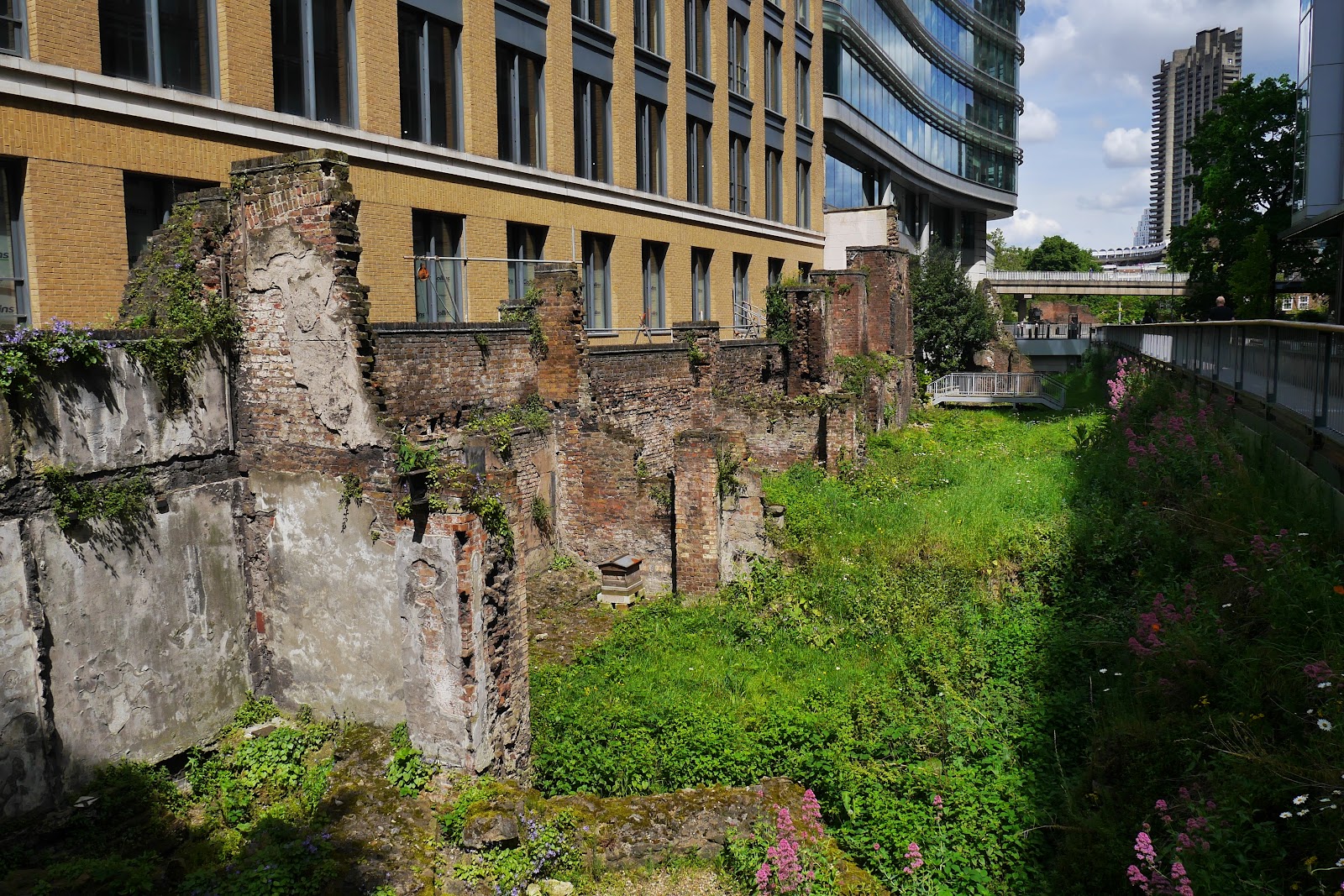
6.4Follow the changing line of Londinium’s defensive wall through a modern city. Roman masonry, medieval additions and later fragments survive in unexpected settings, while some sections and gates have disappeared beneath London’s growth.
This is a history walk with a strong physical thread: traces of a city wall built around AD 200, medieval repairs and surviving fragments set against today’s streets and buildings. Its appeal is the contrast between the ancient fortification and the changing city around it.
Atmospheric · History-rich
Find your way
Open mapCity of London, London
Opening map…
Know this place a little better?
The experience
A self-guided heritage walk tracing the route of London’s Roman and medieval city wall. Use the surviving masonry and medieval remains as anchors, while allowing for route changes and missing plaques.
Things to do
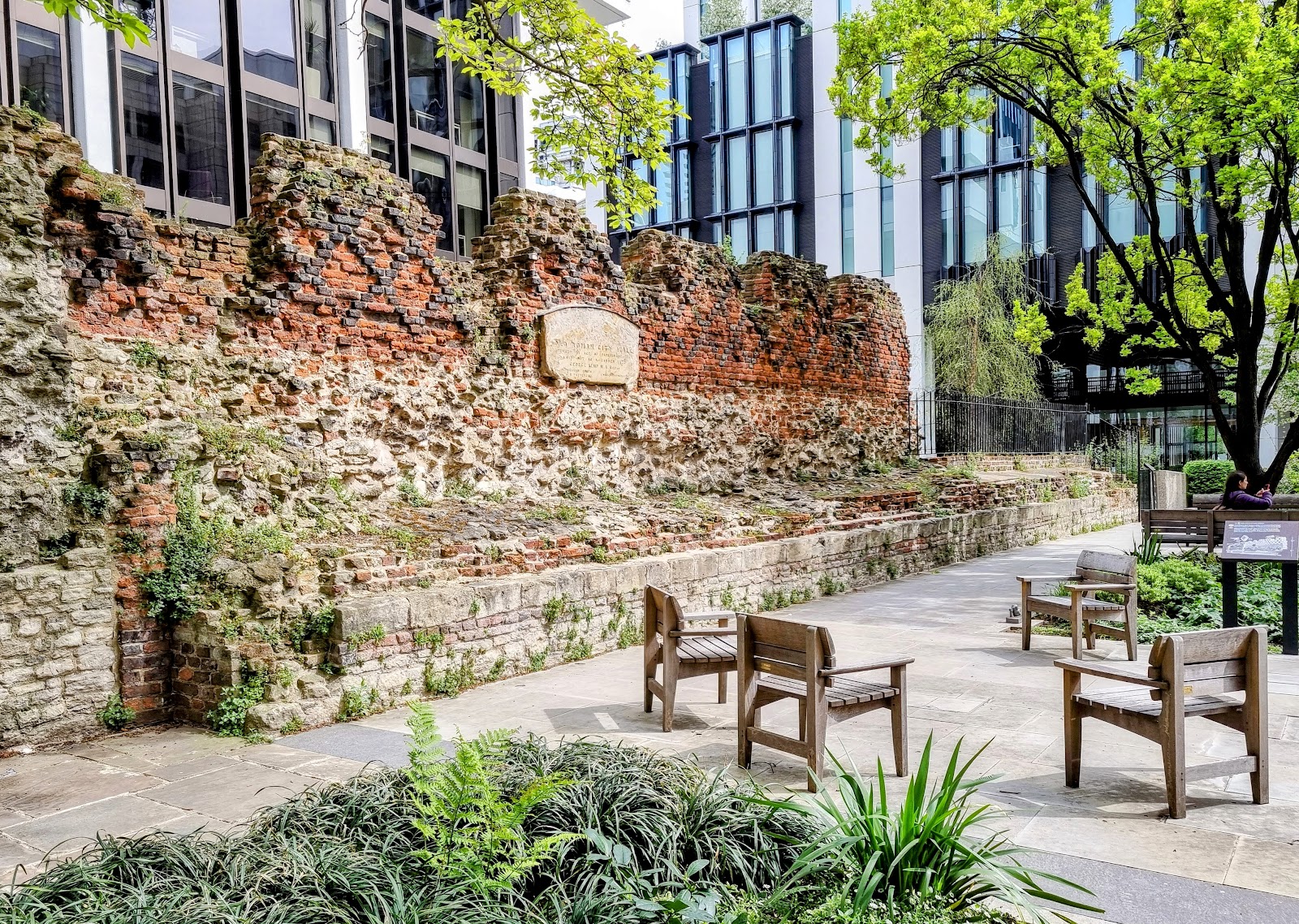
Compare Roman masonry with medieval additions
At the Tower Hill section, look for the difference between the Roman wall and later medieval work; the cited guide says the surviving section is substantially taller because of medieval additions.
10–15 minutes
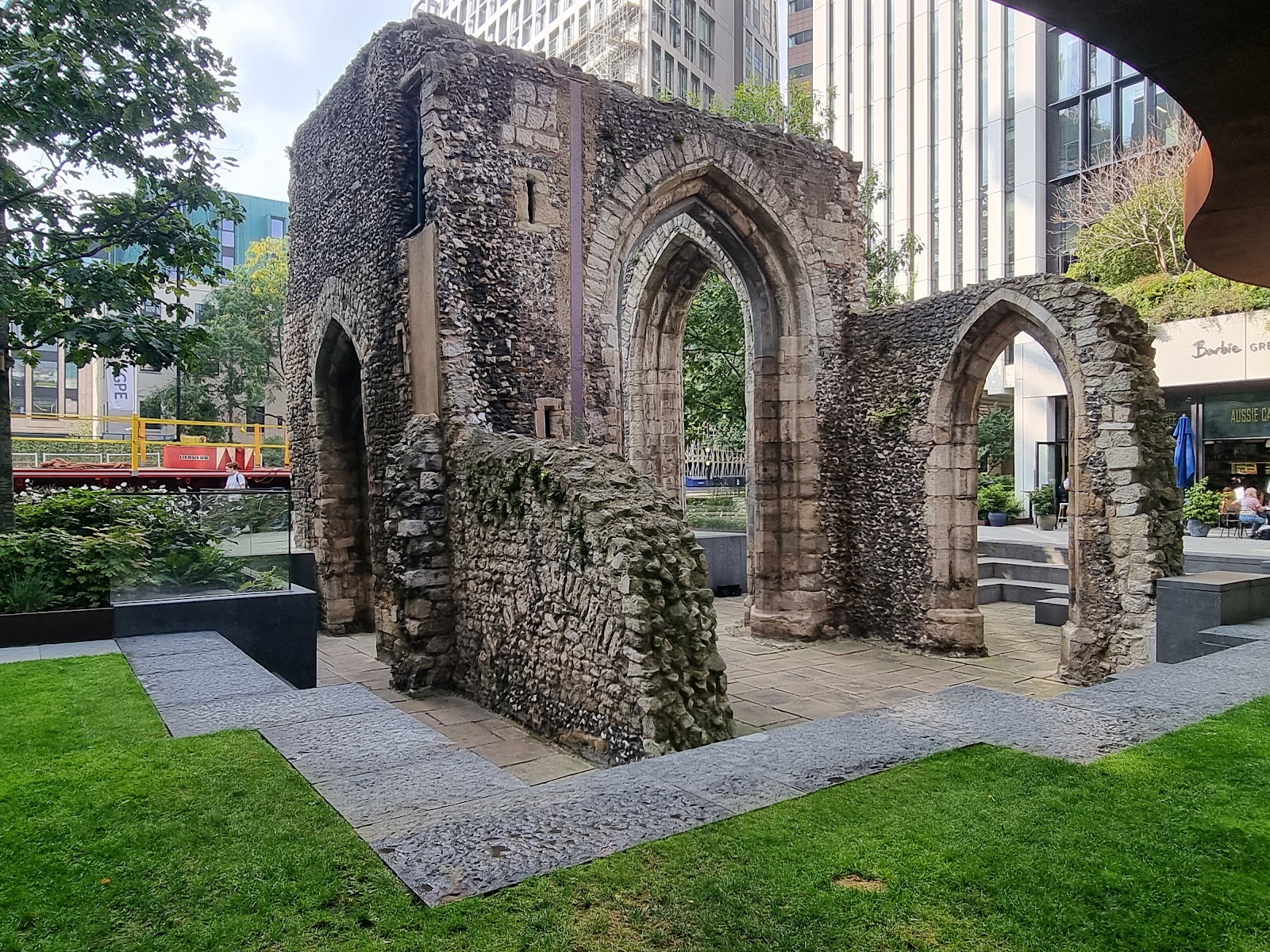
Find the medieval postern gate
The guide describes a medieval pedestrian gate and defensive tower near the Tower of London, uncovered during excavations in 1979. Check current access and exact location before visiting.
10–15 minutes
Use the plaques as historical clues
Look for plaques marking the wall’s route, while bearing in mind that some have been lost and the old suggested route is no longer a dependable guide throughout.
Make a day of it
Quick escape · About 1 hour; estimate
Find a surviving fragment
- 01
Use the supplied main-place pin only as a general location reference, not as a confirmed start.
- 02
Choose one accessible surviving wall section identified by the cited walk guides.
- 03
Examine the masonry for Roman and medieval layers, then return by the route you came.
Half day · Roughly 2–3 hours; estimate
Follow the wall’s changing line
- 01
Use the cited self-guided route as a guide, checking its directions against current streets and access.
- 02
Pause at surviving wall fragments and the medieval postern gate described by the source.
- 03
Notice where plaques mark the route, but do not rely on them as a complete or current navigation system.
Verified history
The Roman wall around Londinium was built around AD 200, according to the supplied self-guided walk guide. It was maintained and enhanced in the medieval and Tudor periods. The guide describes a medieval postern gate built between 1297 and 1308, uncovered in excavations in 1979, and a Tower Hill wall section whose present height includes medieval additions. Ian Visits reports that the Museum of London installed 21 ceramic plaques around the City in 1984; by the time of that 2016 article, the plaque route was already becoming less reliable as the city changed.
Hidden details
The Tower Hill section is taller than its Roman original — The supplied guide estimates the Roman wall here at roughly 6 metres and the surviving structure at about 10 metres after medieval additions. Look for the change in masonry to help distinguish the phases.
A medieval gate survived because it subsided — The guide says the postern gate survived because part of it subsided and was buried in 1440, before it was uncovered in 1979.
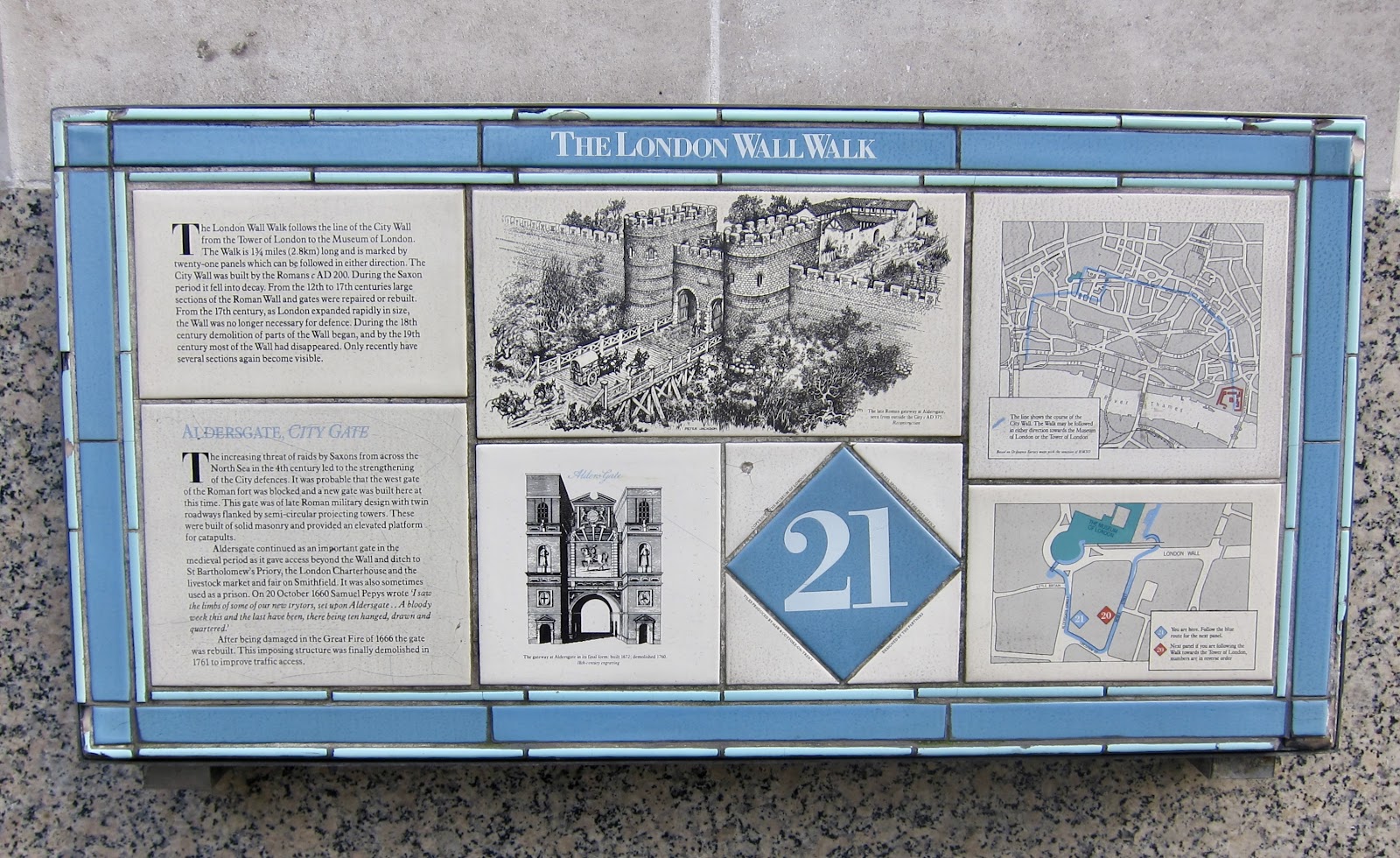
The numbered plaque route has gaps — The 2016 account notes that the original set of 21 plaques had become incomplete, and that the route map was only a rough guide as London changed.
When to go
· Daylight, to make it easier to navigate streets and inspect masonry; no more specific recommendation is supported by the supplied sources.
The supplied sources do not establish seasonal highlights or access patterns.
Check the forecast and wear suitable footwear for an urban walk. Current conditions and route access are not established by the supplied sources.
The route
- ascent
- Not established by the supplied sources
- stiles
- Not established by the supplied sources
- surface
- Urban streets and paths; specific surfaces not established
- distance
- Roughly 4 km for the self-guided route described by Living London History; the Ian Visits article cautions that the older plaque route is only a rough guide.
- duration
- About 2–3 hours; estimate, subject to route checks and stops
- difficulty
- Easy urban walking; route surface and step-free continuity not verified
- waymarking
- Ceramic plaques mark parts of the route, but some are reported lost and the old route is no longer fully reliable.
- route shape
- Linear route following the former wall’s course; confirm current directions before setting out
- start point
- A cited guide starts at the Tower of London; the supplied Google pin is not a confirmed start point.
- parking start
- Check before visiting; no parking information established.
- shorter alternative
- Visit one surviving wall section rather than attempting the full route; the cited sources do not establish a formal shorter loop.
- Surviving Roman wall at Tower Hill
- Medieval postern gate near the Tower of London
- Roman and medieval masonry layers
- Ceramic plaques marking parts of the wall’s line
What to look for
- 01
Look for changes in masonry that distinguish Roman work from medieval additions
- 02
the medieval postern gate remains near the Tower, and the route’s plaques mark parts of the wall’s line. Some plaques and sections have been lost or become difficult to follow as the city changed.
The story
Archaeology, Roman, Medieval
Best time to go
Year-round in suitable weather; the supplied sources do not identify a preferred season.
Choose a clear, dry day when you can pause to examine the masonry and navigate between sites comfortably. No preferred time of day is established by the supplied sources.
How long to spend
Allow around 2–3 hours for a partial exploration; the cited self-guided route is roughly 4 km. Confirm the route and timing before departure.
Perfect for
History lovers · Walkers · Photographers
Route at a glance
Duration
Allow around 2–3 hours for a partial exploration; the cited self-guided route is roughly 4 km. Confirm the route and timing before departure.
Terrain
Historic town, Urban historic
Parking / start
Check before visiting; no parking information is established by the supplied sources.
Before you go
Practical information
Opening & access
A self-guided urban walk described by the supplied sources. The pin is a main-place marker, not a confirmed start point or entrance; check current route access and conditions before setting out.
Check before visiting
Parking
Check before visiting; no parking information is established by the supplied sources.
Check before visiting
Toilets
Check before visiting
Check before visiting
Food & drink
Check before visiting
Check before visiting
Dogs
Check before visiting
Check before visiting
Accessibility
A source-row listing attribute reports a wheelchair-accessible entrance, but it does not establish step-free access along the walking route. Check route-specific access before setting out.
Check before visiting
Cost
Check before visiting
Check before visiting
Gallery
Place photographsKeep exploring
Around London Roman Wall Walk
Within 50 km · approximate straight-line distances