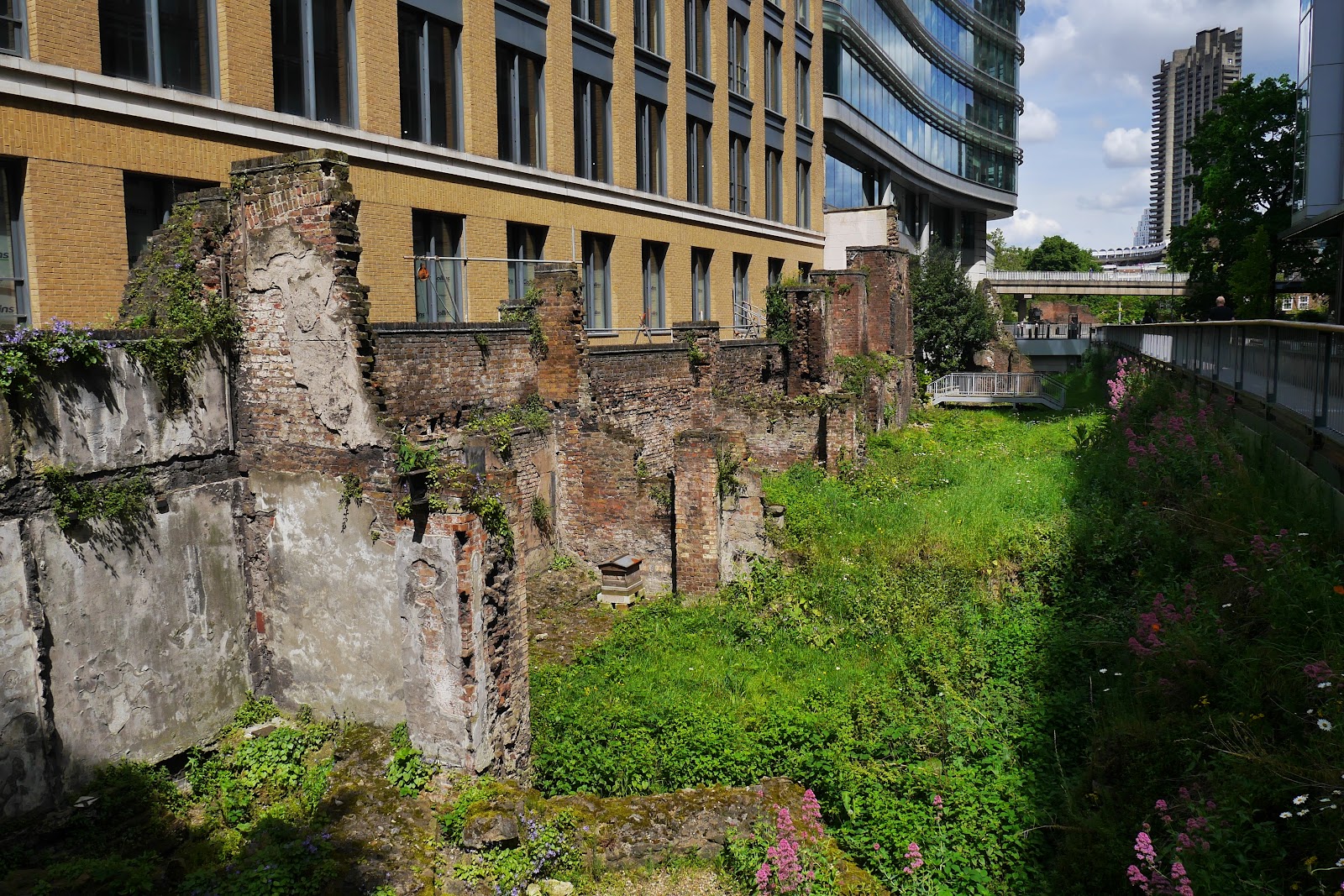
Noble Street and London Wall, Barbican, City of London, London EC2V 7EE
Roman Fort of Londinium
Roman
Place photograph
5.7
Wildland
Under 1 hour
Time
Check
Cost
Atmospheric
Feel
Why it's Wildland
5.7Built north-west of Londinium’s main settlement around AD 110–120, this 12-acre fort could house up to 1,000 soldiers. A century later it was decommissioned and its buildings dismantled; fragments survive within the modern city.
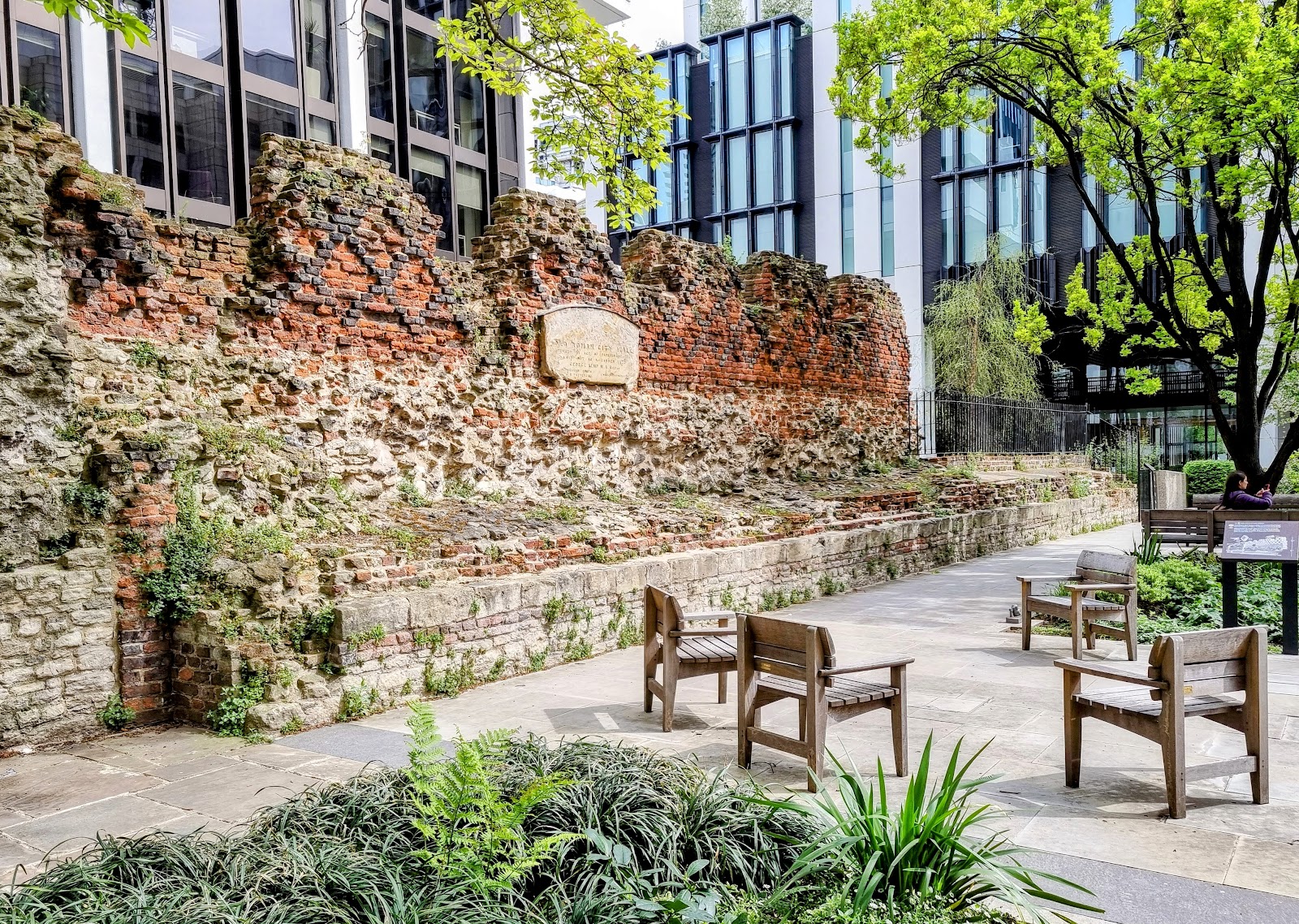
A remarkable encounter with Roman London hiding in plain sight: surviving fort edges and a later city wall built into the earlier fort can be seen amid the Barbican’s modern architecture. It is a compact heritage stop, not a wilderness destination.
Atmospheric · Historic
Find your way
Open mapNoble Street and London Wall, Barbican, City of London, London EC2V 7EE
Opening map…
Know this place a little better?
The experience
A short, self-guided look at the surviving fort remains and the later city wall. The official source identifies visible remains on Noble Street and London Wall, but does not provide a visitor route or confirm access arrangements.
Things to do
See the Noble Street remains
The City of London identifies Roman Fort Ruins on Noble Street as part of the surviving remains of Londinium’s fort.
Allow a short stop; exact duration not stated
Find the Roman Fort Gate
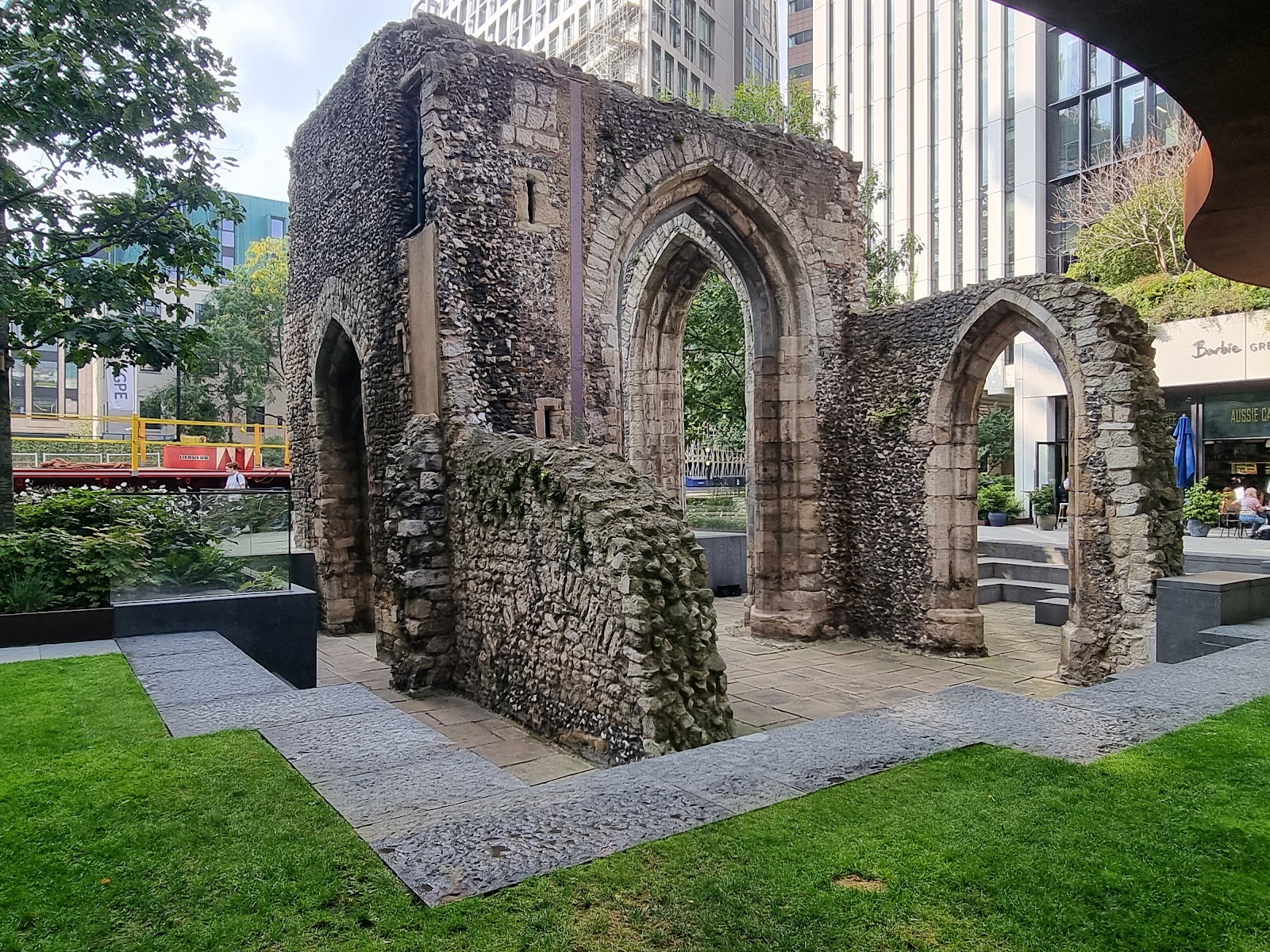
Look for the fort gate remains along London Wall, another surviving element identified by the City of London.
Allow a short stop; exact duration not stated
Spot the later wall built into the fort
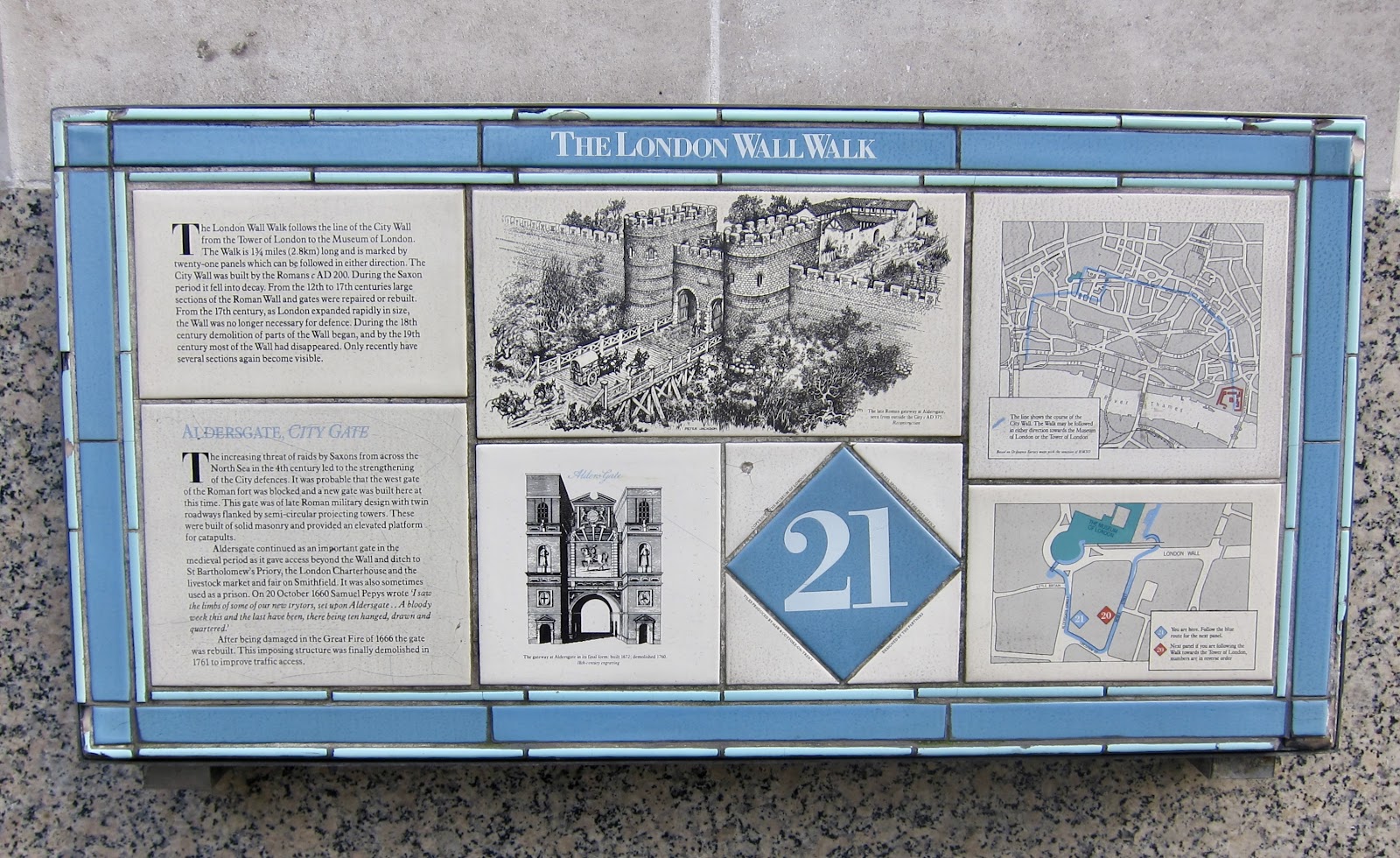
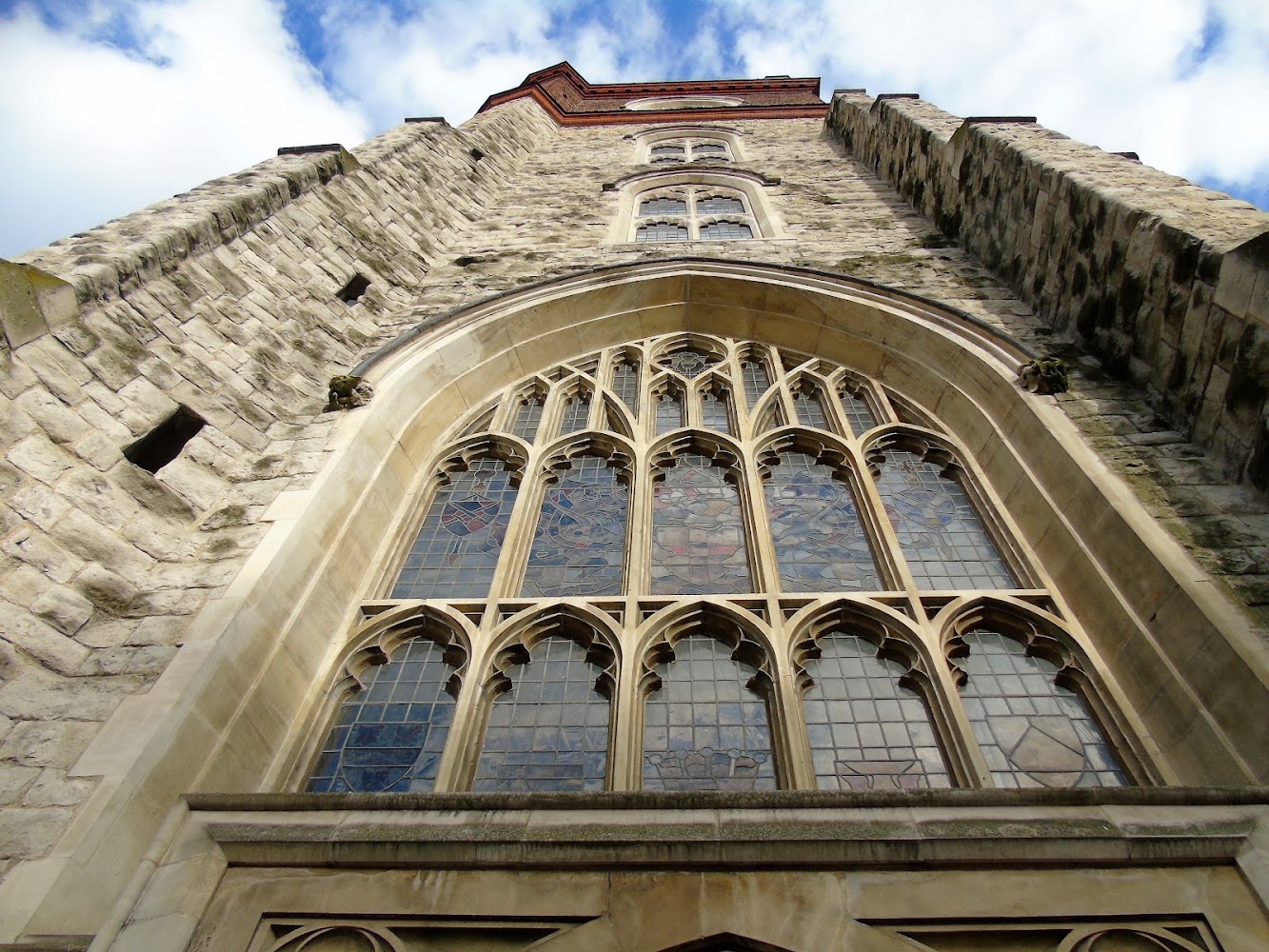
The official account points to remains near the Museum of London complex car park door where the later, AD 200 London city wall was built into the original fort wall. Confirm access before visiting this particular spot.
Allow a short stop if accessible
Make a day of it
Quick escape · Under 1 hour
Find the fort in the modern City
- 01
Visit the remains identified on Noble Street.
- 02
Continue to the Roman Fort Gate along London Wall.
- 03
If access allows, look for the later city wall built into the original fort wall near the Museum of London complex car park door.
Verified history
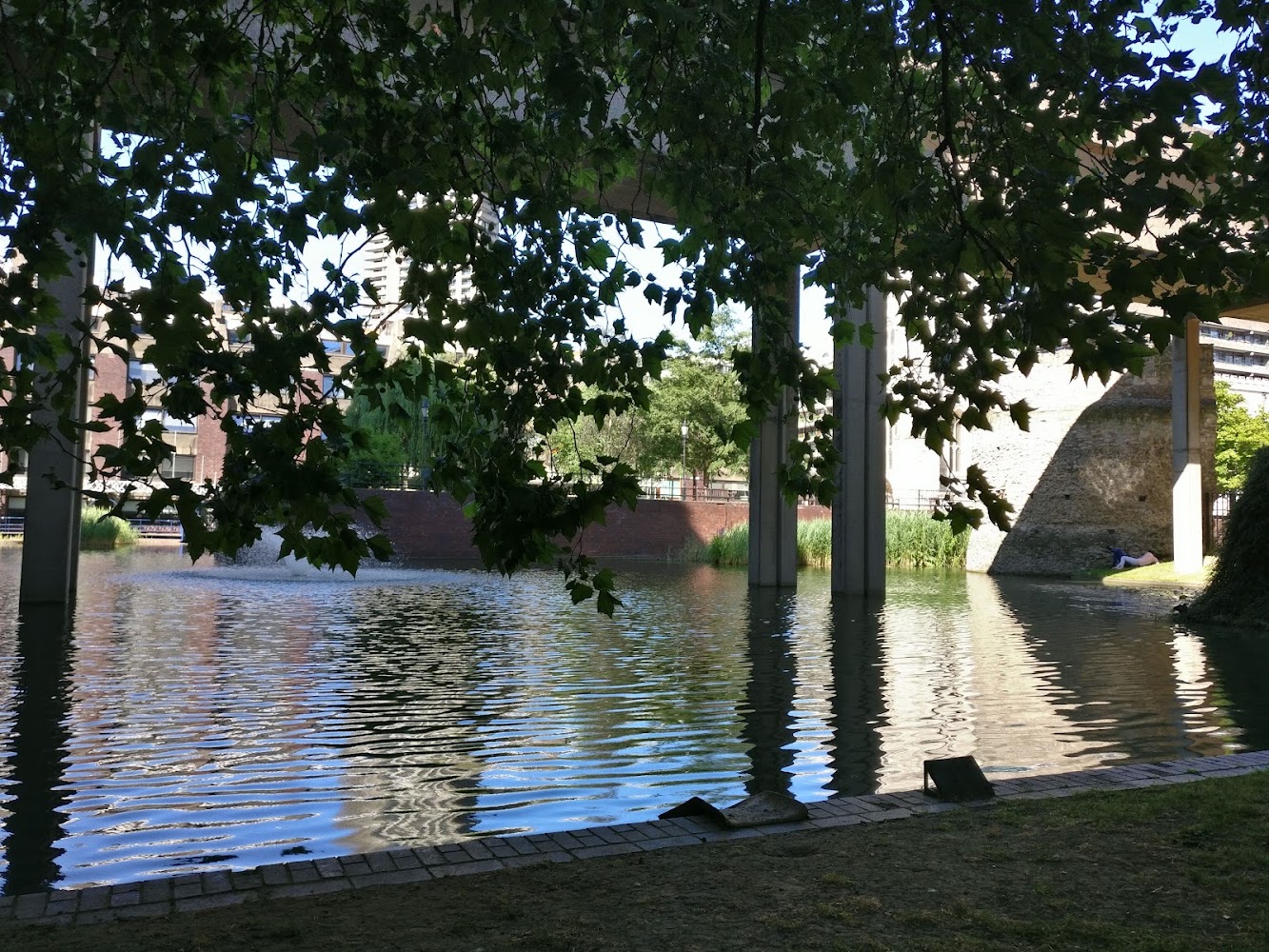
The City of London states that the Roman Fort of Londinium was built north-west of the main settlement around AD 110–120. It covered 12 acres, measured about 200 metres along each side and could house up to 1,000 soldiers. Around a century later, it was decommissioned as the military situation in southern Britannia became more secure, and its buildings were dismantled. The source says that surviving northern and western edges are visible around the Barbican and Museum of London complex. It also identifies a later, AD 200 city wall built into the original fort wall.
Hidden details
Two phases of Roman defence in one wall — The City of London highlights a place where the later, AD 200 city wall was built into the original fort wall. It locates this near a car park door in the Museum of London complex; access to that precise spot is not confirmed.
The fort was larger than its surviving fragments suggest — The original enclosure covered 12 acres and measured approximately 200 metres on each side, although only parts of its northern and western edges remain visible today.
When to go
· No preferred time is supported by the supplied evidence.
The supplied source gives no seasonal visiting advice.
Check the forecast and current access information before visiting; the remains are in an urban setting, but the source does not describe visitor conditions.
Worth pairing with
London Museum
The City of London identifies the Museum of London complex as a place where further remains can be seen via a museum tour. Confirm current museum arrangements and availability before planning a visit.
Billingsgate Roman House and Baths
The City of London lists this Roman site as a related attraction. Its current access and opening arrangements are not established by the supplied source.
What to look for
- 01
Look for the surviving northern and western edges of the fort, the Roman Fort Gate on London Wall, and the point where the later, AD 200 city wall was built into the original fort wall. The City of London source places this last detail near a car park door within the Museum of London complex
- 02
verify access before looking for it.
The story
Archaeology, Roman
Best time to go
All year, subject to access and any site restrictions; the supplied source gives no seasonal guidance.
No preferred time is established by the supplied evidence. Check current access before setting out.
How long to spend
Under 1 hour
Perfect for
History lovers · Walkers · Photographers
Before you go
Address
Website
Listed hours
- Monday: Open 24 hours
- Tuesday: Open 24 hours
- Wednesday: Open 24 hours
- Thursday: Open 24 hours
- Friday: Open 24 hours
- Saturday: Open 24 hours
- Sunday: Open 24 hours
Check before visiting.
Google rating
Practical information
Opening & access
The City of London says the fort’s northern and western edges remain visible around the Barbican and London Museum complex, with remains on Noble Street and the Roman Fort Gate along London Wall. Check current access and any restrictions before visiting.
Check before visiting
Parking
Check before visiting; the supplied sources do not verify visitor parking.
Check before visiting
Toilets
Check before visiting.
Check before visiting
Food & drink
Check before visiting.
Check before visiting
Dogs
Check before visiting; dog rules are not verified by the supplied sources.
Check before visiting
Accessibility
Check before visiting; step-free access and surface conditions are not verified by the supplied sources.
Check before visiting
Cost
Check before visiting
Check before visiting
Gallery
Place photographsKeep exploring
Around Roman Fort of Londinium
Within 50 km · approximate straight-line distances