The Drift, East Horsley, Surrey
The Forest (Surrey Wildlife Trust)
Ancient woodland
Source image
5.6
Wildland
1–2 hours
Time
Check
Cost
Peaceful
Feel
Why it's Wildland
5.6A 27-hectare ancient semi-natural wood where spring bluebells are part of a much richer story: nearly 180 plant species have been recorded, alongside more than 50 bird species.
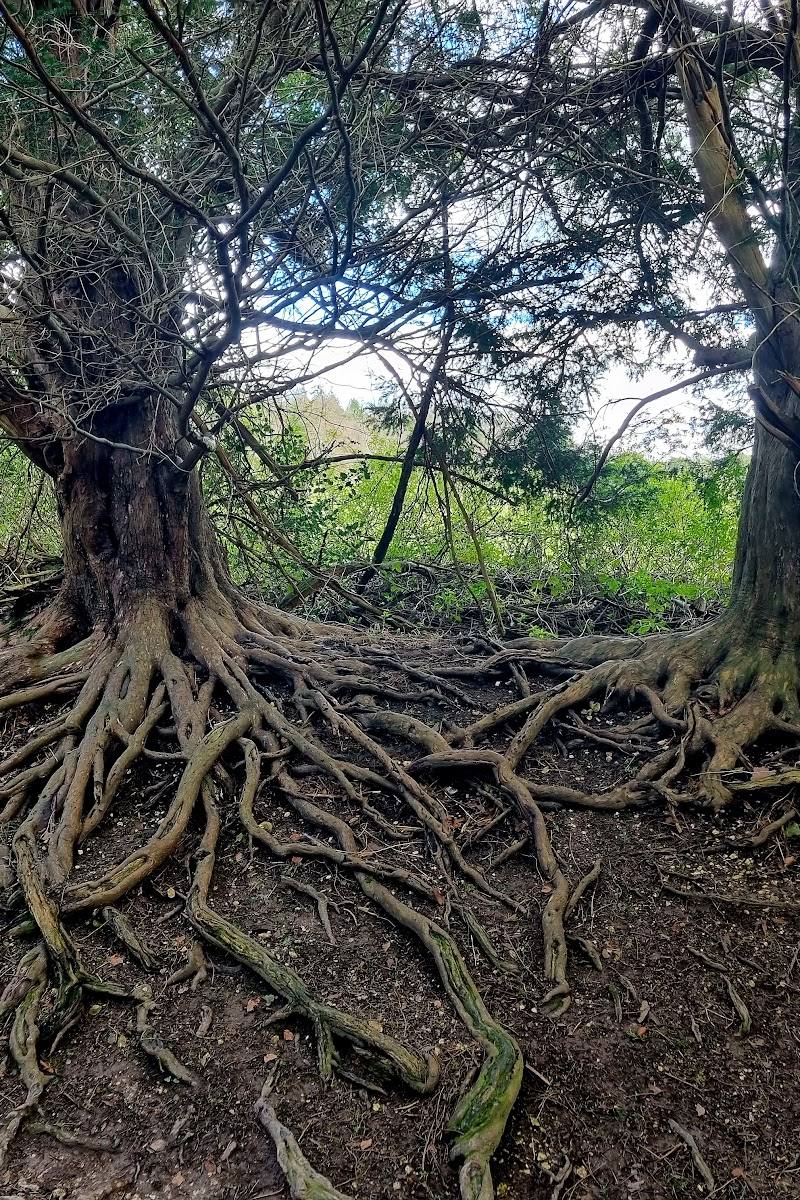
This is more than a patch of trees: Surrey Wildlife Trust describes ancient semi-natural woodland with notable plant diversity, a large bluebell display and habitat for woodland birds, deer, bats and amphibians. Its appeal is close observation rather than a documented long-distance route.
Peaceful · Ancient-feeling
Find your way
Open mapThe Drift, East Horsley, Surrey
Opening map…
Know this place a little better?
The experience
Come for a modest woodland visit rather than a mapped route: explore the unmade paths, look closely at the woodland flora and listen for birds. The Trust gives April–August as the best time to visit. There are no toilets or refreshments, and parking is limited.
Things to do
Look for spring bluebells
Explore the woodland in spring and look for the bluebells noted by Surrey Wildlife Trust, among the reserve’s wider variety of recorded plants.
Listen for woodland birds
Take time to listen and watch for the woodpeckers, nuthatches, treecreepers, tawny owls and sparrowhawks listed by the Trust.
Explore the unmade woodland paths
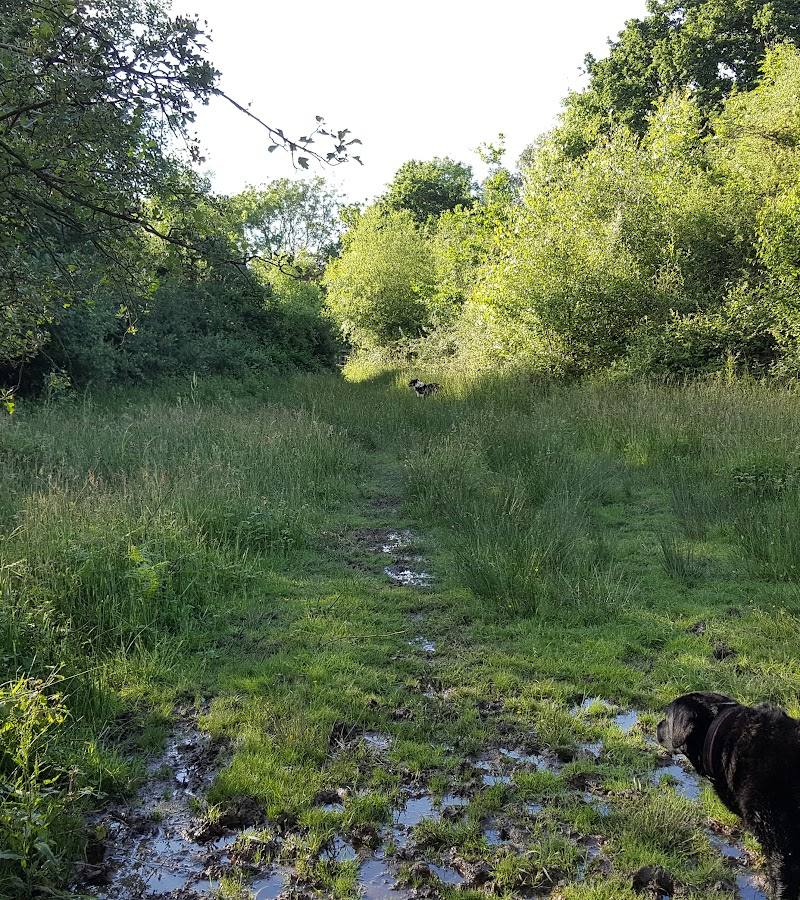
Wander the reserve’s paths at an unhurried pace. They may be uneven and slippery in places, so take care and choose footwear accordingly.
Look for signs of woodland wildlife
The Trust records roe deer, foxes and bats, and notes the site’s importance for amphibians including common toads and great crested newts.
Make a day of it
Quick escape · 1–2 hours
A bluebell-and-bird woodland wander
- 01
Use the limited lay-by parking on the B3001 only if available; there is no reserve car park.
- 02
Explore the unmade woodland paths at a comfortable pace.
- 03
In spring, look for bluebells and other woodland plants; pause to listen for woodland birds.
- 04
Allow extra care on uneven or slippery sections.
Half day · Half day
Make a half day of close-up nature watching
- 01
Visit during the Trust’s recommended April–August period.
- 02
Spend time exploring the woodland paths and looking for the recorded diversity of plants and birds.
- 03
Watch for signs of roe deer, foxes or bats, and keep an eye out for amphibians.
- 04
Bring refreshments: there are none on site, and no toilets are provided.
Verified history
The reserve includes ancient semi-natural woodland. Surrey Wildlife Trust says the woodland was purchased in 2002 using funds raised by a public appeal organised by the Horsley Countryside Preservation Society, with a further 13.5 acres purchased in 2010. It is managed on behalf of East Horsley Parish Council.
Hidden details
A notably varied woodland flora — Nearly 180 plant species have been recorded at the reserve, including a large number of bluebells.
A woodland with amphibian significance — The Trust identifies the site as particularly good for amphibians, including common toads and great crested newts, and describes it as regionally important.
When to go
April · May · June · July · August · Check before visiting; the supplied source does not identify a preferred time of day.
Surrey Wildlife Trust recommends April to August and notes the reserve’s large number of bluebells. Exact flowering dates are not specified.
Paths may be uneven and slippery. Check conditions before visiting, particularly after wet weather.
What to look for
- 01
Look for bluebells and other woodland plants
- 02
nearly 180 plant species have been recorded. Listen and watch for woodpeckers, nuthatches, treecreepers, tawny owls and sparrowhawks. The Trust also notes roe deer, foxes, bats, common toads and great crested newts.
The story
Ancient semi-natural woodland; purchased in stages in 2002 and 2010 and managed on behalf of East Horsley Parish Council.
Best time to go
April–August; the Trust highlights this as the best visiting period, with bluebells making spring a particularly rewarding time.
April to August, as specified by Surrey Wildlife Trust. Visit in spring for the bluebells; the source does not specify peak flowering dates.
How long to spend
1–2 hours
Perfect for
Walkers · Wildlife lovers · Photographers
Before you go
Address
Website
Listed hours
- Monday: Open 24 hours
- Tuesday: Open 24 hours
- Wednesday: Open 24 hours
- Thursday: Open 24 hours
- Friday: Open 24 hours
- Saturday: Open 24 hours
- Sunday: Open 24 hours
Check before visiting.
Google rating
Practical information
Opening & access
Surrey Wildlife Trust lists the reserve as open at all times. Paths are unmade and may be uneven or slippery; the site is not suitable for wheelchair users or people with serious mobility issues. Check current conditions before visiting.
Check before visiting
Parking
No car park. The Trust reports limited parking in a small lay-by on the B3001. Check the location and parking situation before setting out.
Check before visiting
Toilets
No toilets on site.
Food & drink
No refreshments on site.
Dogs
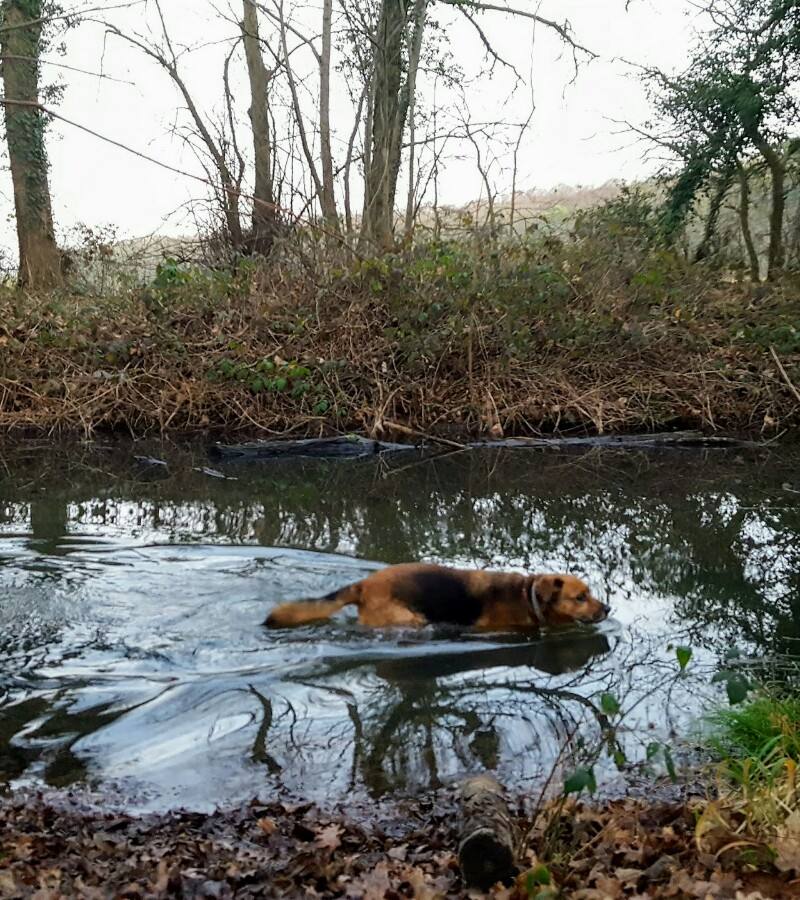
Dogs are permitted, according to Surrey Wildlife Trust. Check current signage and any restrictions before visiting.
Check before visiting
Accessibility
Not suitable for wheelchair users, mobility scooter users or people with serious mobility issues. There are no accessible self-guided trails; paths are unmade and may be uneven or slippery.
Cost
Check before visiting
Check before visiting
Water
Check before visiting; no water feature is identified in the supplied reserve information.
Check before visiting
Gallery
Place photographsKeep exploring
Around The Forest (Surrey Wildlife Trust)
Within 50 km · approximate straight-line distances