Church Road, Great Bookham, Leatherhead, Surrey KT23 3LT
Bookham Commons
Mixed-habitat reserve
Source image
6.2
Wildland
1–2 hours
Time
Paid
Cost
Peaceful
Feel
Why it's Wildland
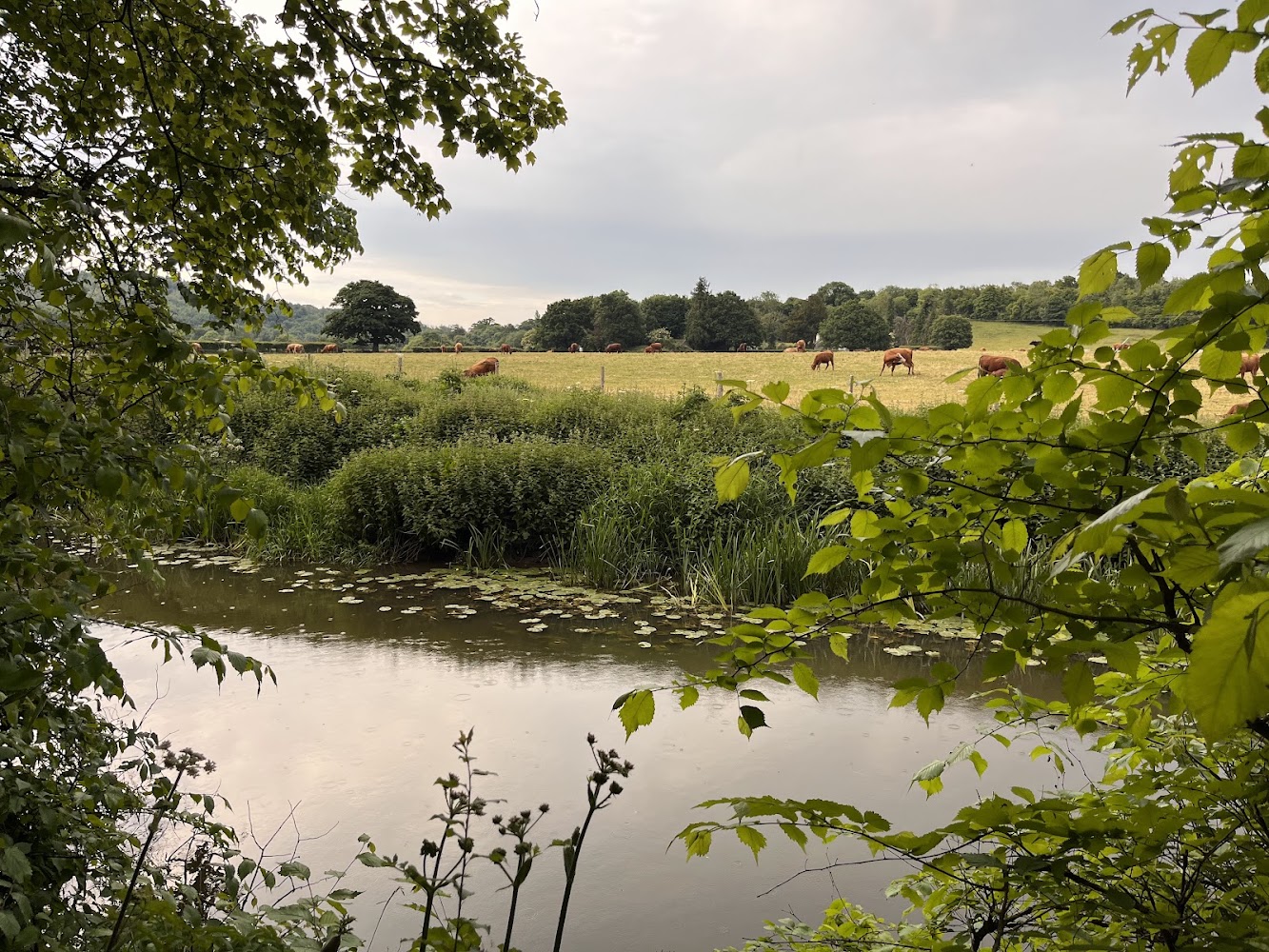
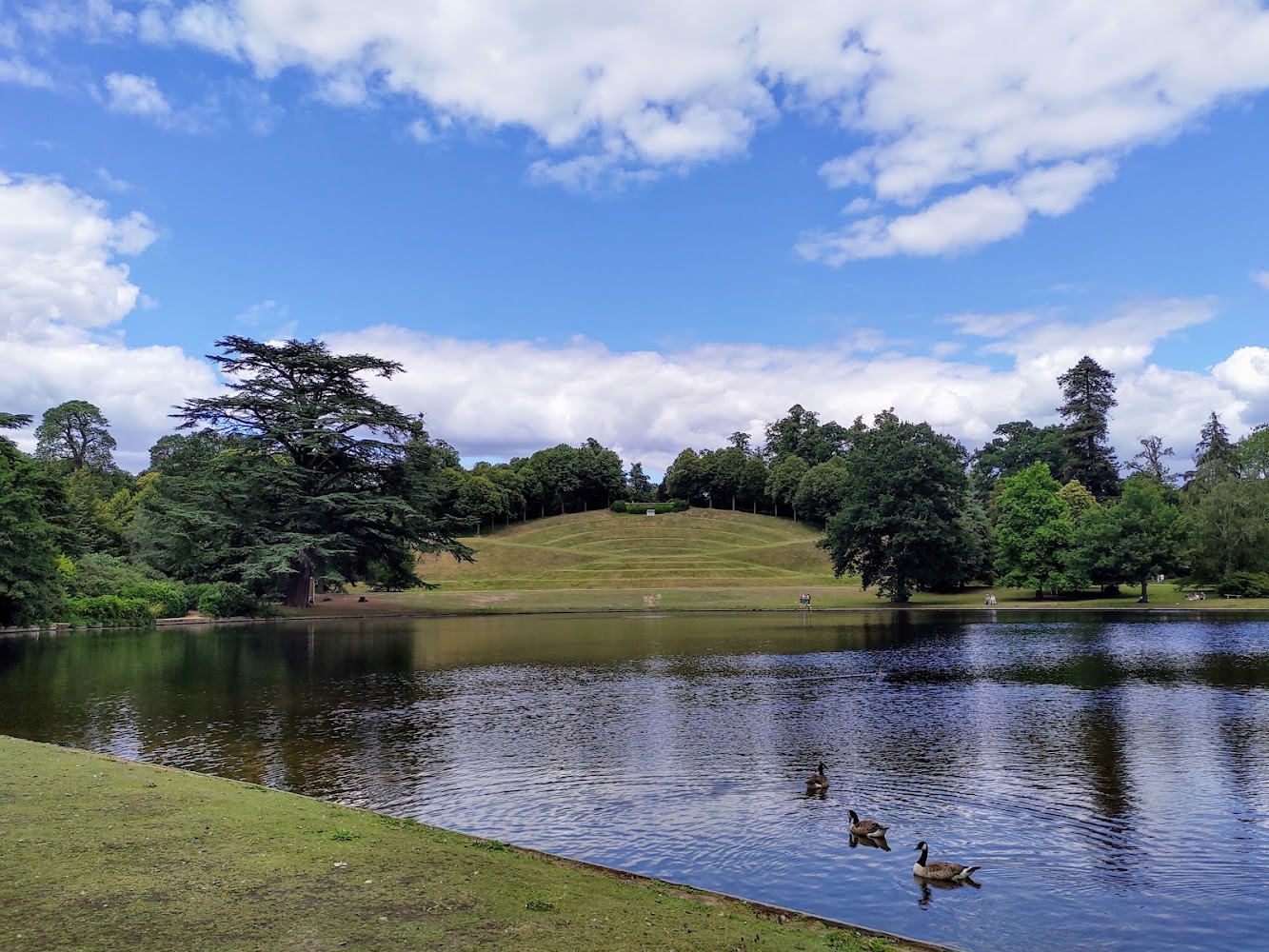
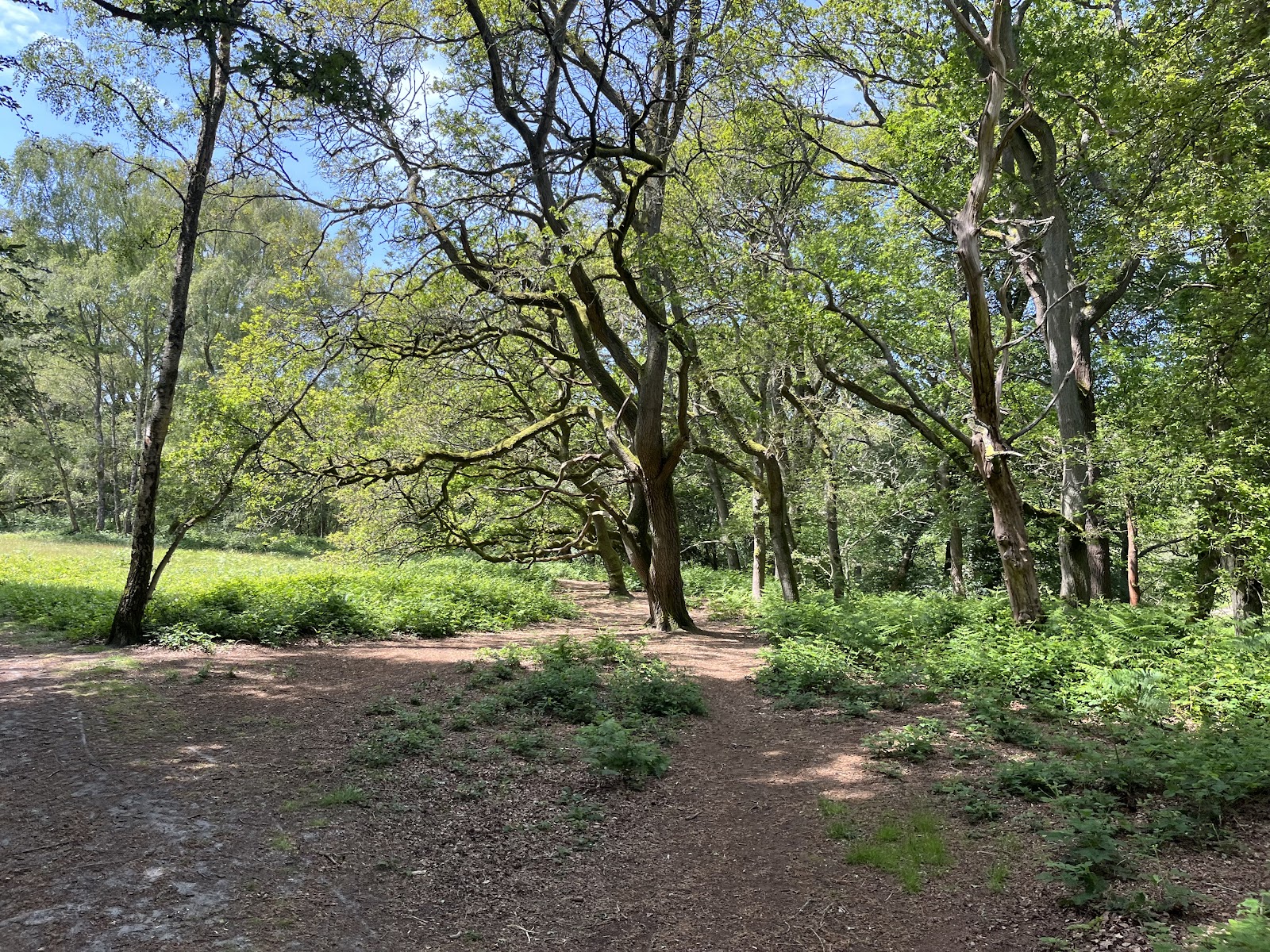
6.2A patchwork of woods, ponds and open grassland where a family trail passes ancient oaks and holly, with a bird hide overlooking Upper Eastern Pond.
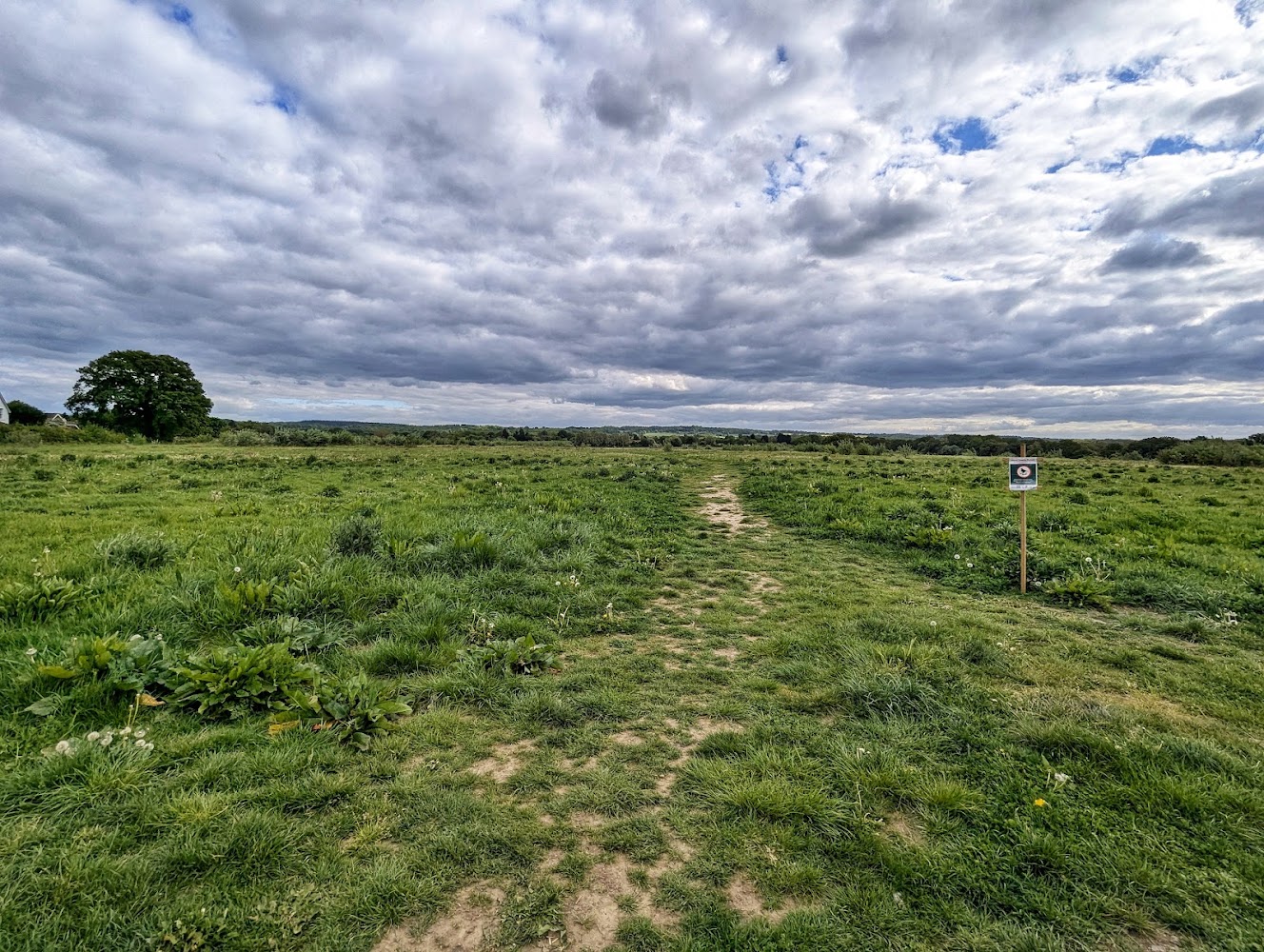
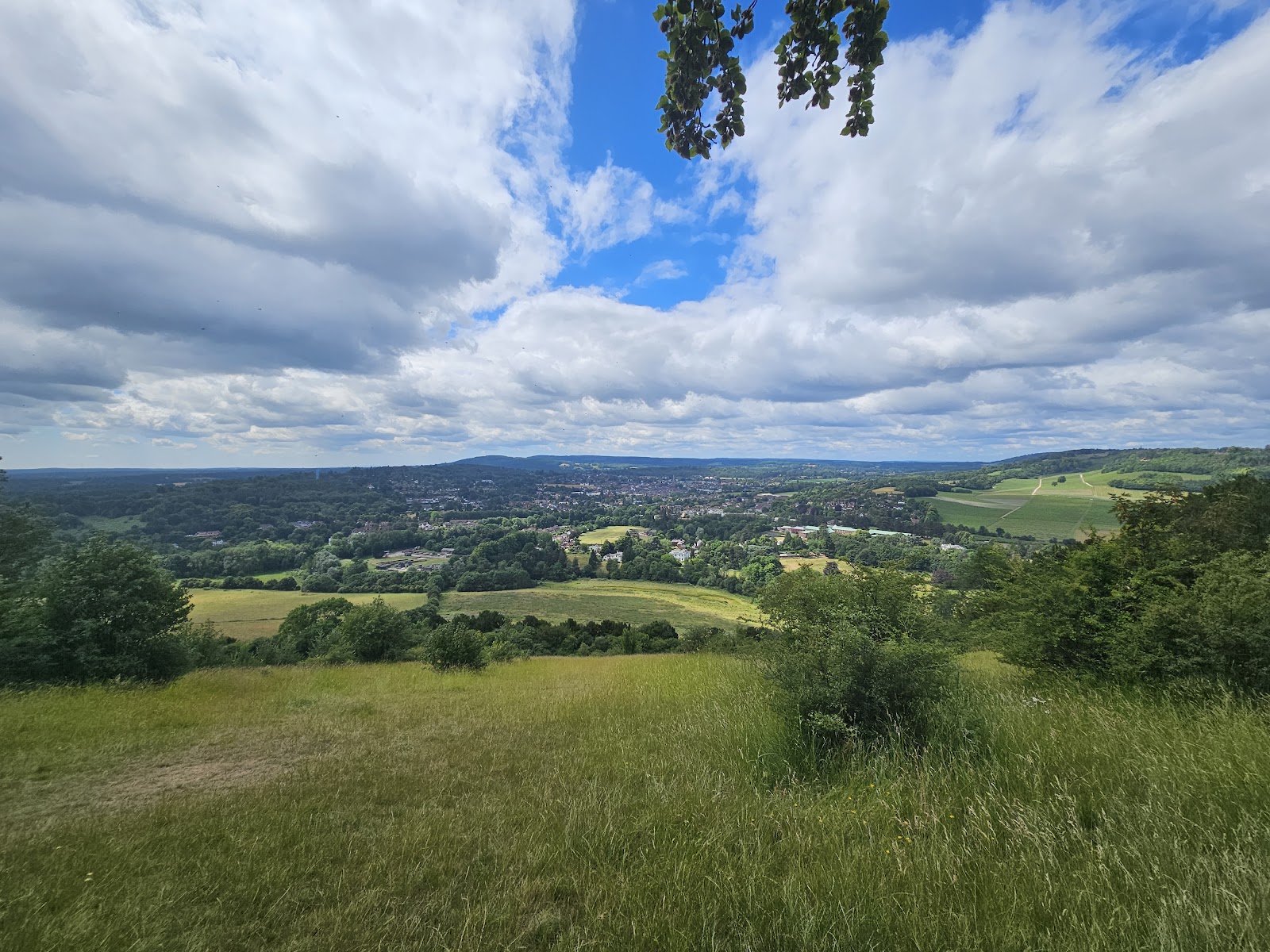
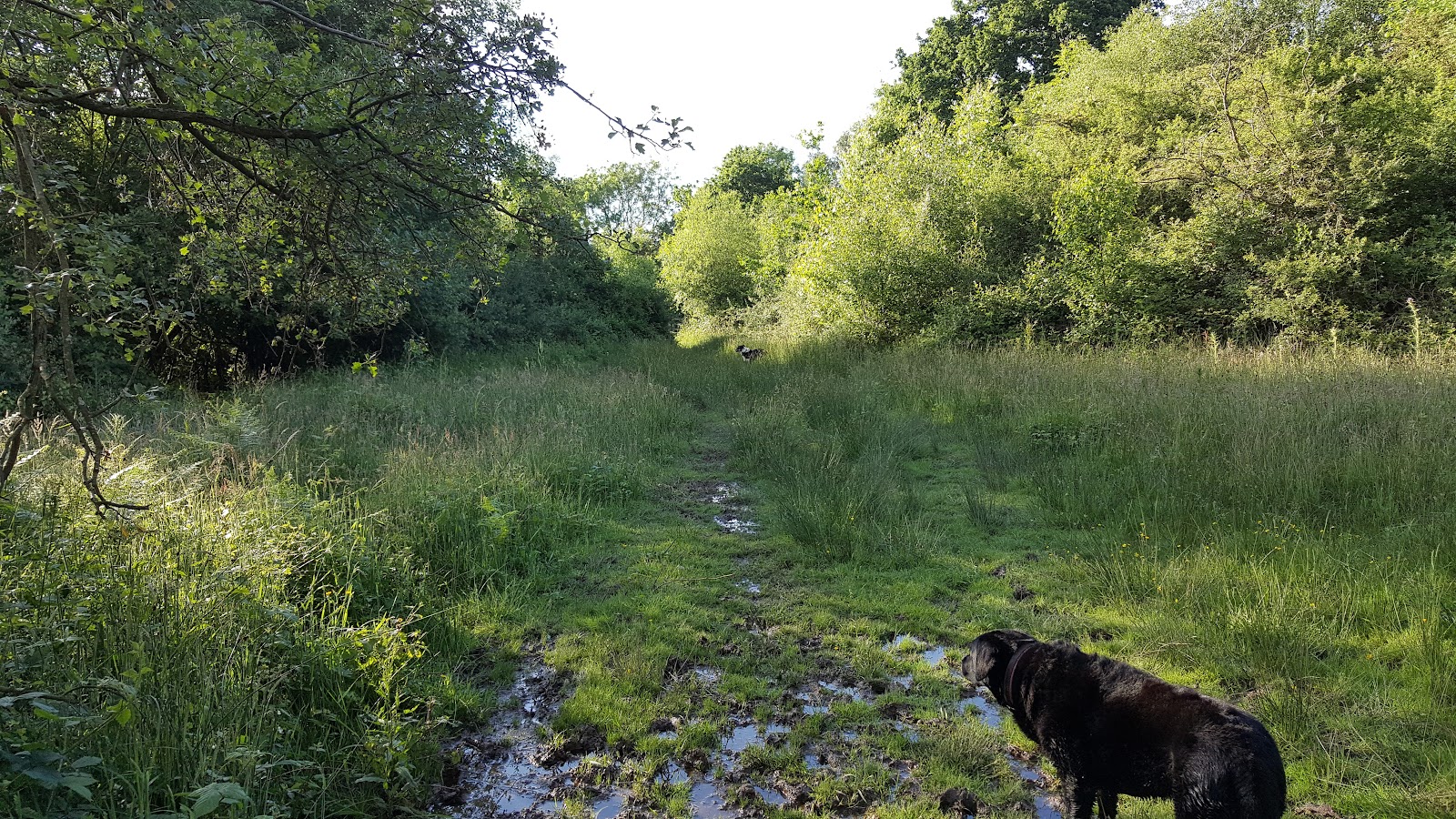
Bookham Commons offers more than a straightforward woodland walk: its mix of ponds, open plains and old trees gives you several different landscapes to explore, plus a family trail and a bird hide. The National Trust describes mainly wide, level, all-weather surfaced bridlepaths, though other paths can be wet underfoot.
Peaceful · Family-buzz · Ancient-feeling
Find your way
Open mapChurch Road, Great Bookham, Leatherhead, Surrey KT23 3LT
Opening map…
Know this place a little better?
The experience
Explore a varied landscape of woodland, ponds and open grassland. Choose a shorter wander or follow the National Trust family trail, which takes about two hours at a gentle pace and passes three ponds. The surfaced bridlepaths are mainly wide and level; other footpaths can be wet underfoot.
Things to do
Follow the circular family trail
Walk the family trail around the woodland edge and past three ponds. The National Trust says the route is circular, can be walked in either direction and takes about two hours at a gentle pace.
About 2 hours
Watch from the Upper Eastern Pond bird hide
Spend time quietly in the hide overlooking Upper Eastern Pond. The National Trust names kingfishers and herons among the birds visitors may spot there.
Look for old oaks and holly
The family-trail leaflet describes ancient English oaks and holly in the central and eastern woods, with some trees estimated in the leaflet to be at least 500 years old.
Choose a picnic spot by the ponds or plains
The National Trust suggests pond views on Hollows Path, the area beside the ancient oaks near Kelsey’s Pond, grassy glades on Eastern Plain or bird listening on Western Plain.
Look for winter colour and fungi
The National Trust highlights bright berries, scarlet elfcup and beefsteak fungus among leaf litter, and yellow gorse flowers as seasonal details to look for.
Make a day of it
Quick escape · About 1 hour
A short commons wander
- 01
Choose one of the National Trust-listed car parks and take a short walk among the commons’ woodland, ponds or open grassland.
- 02
Pause at a pond or open area to watch for wildlife; the National Trust describes tranquil ponds, secret glades and grasslands.
- 03
Check the route and ground conditions before setting out; footpaths can be wet underfoot.
Half day · About 2 hours at a gentle pace
Family trail and pond-side pauses
- 01
Start at Hundred Pound Bridge, Mark Oak or Tunnel car park; the National Trust family-trail leaflet identifies these as possible starts.
- 02
Follow the circular family trail around the outskirts of the woodland, passing three ponds. The leaflet says it can be walked in either direction.
- 03
Pause to look for old oaks and holly, watch birds and enjoy a picnic at one of the spots identified by the National Trust.
- 04
Expect flat terrain, but allow for wet ground underfoot; check current conditions before visiting.
Verified history
The National Trust family-trail leaflet says Great Bookham, Little Bookham and Banks Common were given to the National Trust between 1923 and 1925. It also describes ancient oaks and holly in the central and eastern woods, some estimated in the leaflet to be at least 500 years old. The leaflet says records suggest timber may have been felled from the commons to build Henry VIII’s palace at Nonsuch; that possibility is presented as a suggestion, not a confirmed fact.
Hidden details
The bird hide at Upper Eastern Pond — The hide overlooks Upper Eastern Pond and is identified by the National Trust as a place to watch birds, including kingfishers and herons.
Ancient oaks and holly in the central and eastern woods — The National Trust family-trail leaflet points visitors towards old oaks and holly and says some may be at least 500 years old.
Picnic places with different views — The National Trust identifies pondside Hollows Path, Kelsey’s Pond near the ancient oaks, the grassy glades of Eastern Plain and bird-rich Western Plain as picnic possibilities.
When to go
December · January · February · March · For birdwatching, allow time to sit quietly at the hide; no specific time of day is established by the supplied sources.
The National Trust identifies December to March as the best period to look for hawfinch and also highlights winter berries, fungi and gorse flowers. Its family-trail information notes that the route can be wet underfoot.
The family trail is described as flat but potentially wet underfoot. National Trust says surfaced tracks are suitable all year round; in dry periods, footpaths may also be suitable, but can include slippery clay, potholes or animal digging. Check current conditions.
What to look for
- 01
Look for the old oaks and holly described in the family-trail leaflet
- 02
pause at the bird hide over Upper Eastern Pond and watch for birds including kingfishers and herons. In winter, the National Trust says hawfinch may be seen feeding on berries. Look for seasonal fungi among the leaf litter.
The story
Commons given to the National Trust between 1923 and 1925; the family-trail leaflet describes ancient oaks and holly, some thought to be at least 500 years old.
Best time to go
December–March for winter birdwatching; the National Trust also describes seasonal fungi, berries and gorse flowers.
For winter birdwatching, visit between December and March and spend time quietly at the bird hide overlooking Upper Eastern Pond. The National Trust also highlights seasonal berries, fungi and gorse flowers.
How long to spend
1–2 hours; allow about two hours for the family trail at a gentle pace
Perfect for
Walkers · Wildlife lovers · Families · Dogs · Photographers
Before you go
Address
Phone
Website
Google rating
Practical information
Opening & access
National Trust-managed commons with visitor access. The National Trust lists several car parks and access by train to Bookham station, beside the commons. Check current visitor information before travelling.
Check before visiting
Parking
National Trust lists Tunnel, Mark Oak and Hundred Pound Bridge car parks. Tunnel car park is free for National Trust members; non-members pay via the JustPark app. Mark Oak Gate and Hundred Pound Bridge parking are listed as free. Check signs and current details before visiting.
Check before visiting
Toilets
No toilets, according to the National Trust.
Food & drink
Check before visiting.
Check before visiting
Dogs
Dogs are allowed. Keep them on leads where livestock are grazing; dog-waste bins are listed at Tunnel car park and Merritts Cottage.
Accessibility
National Trust states that the bridlepaths are mainly wide, level and all-weather surfaced, and that mobility scooters and wheelchairs can access the bird hide at Upper Eastern Pond. It also lists parking and benches. Check current route conditions and access details before visiting.
Check before visiting
Cost
Paid
Water
Ponds
Gallery
Place photographsKeep exploring
Around Bookham Commons
Within 50 km · approximate straight-line distances