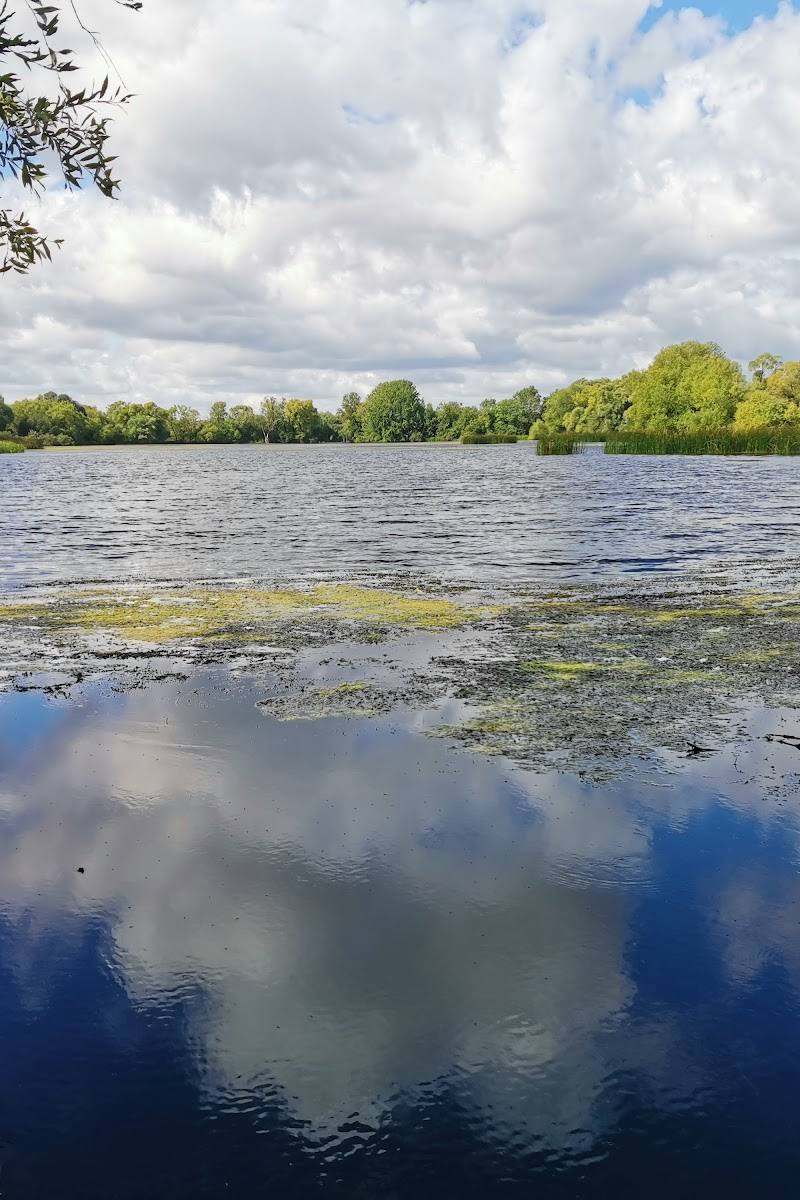
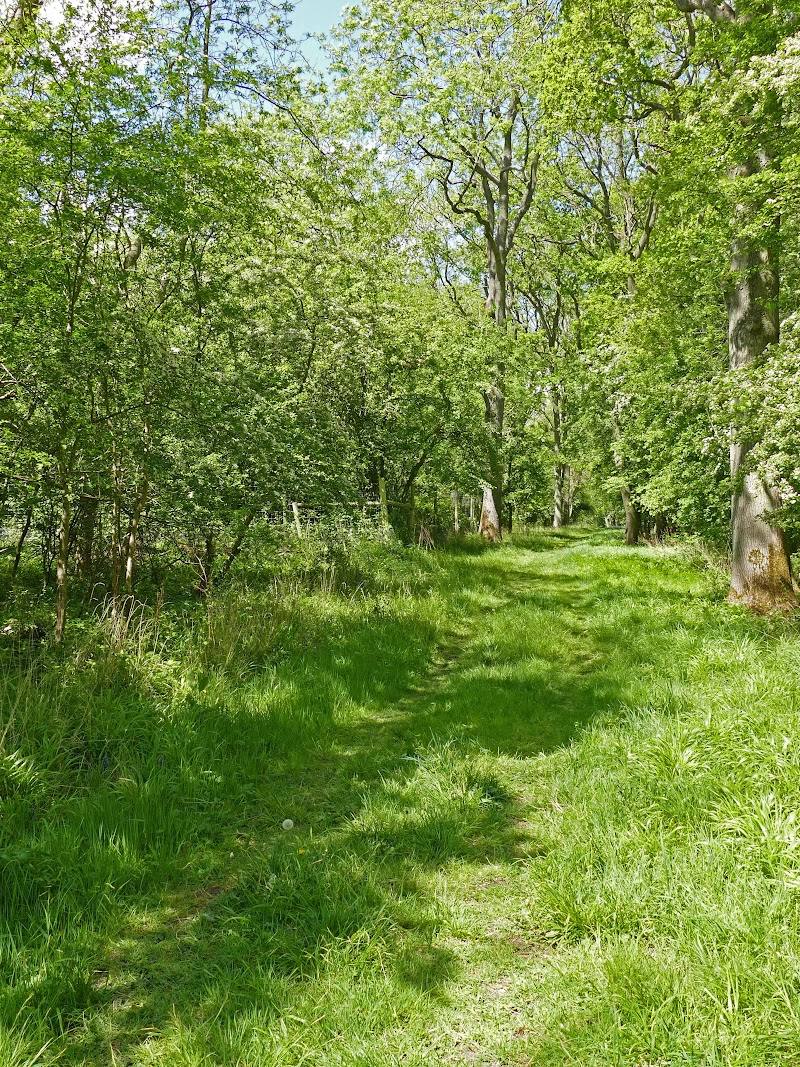
On the edge of Desborough, Northamptonshire, beside the River Ise
Tailby Meadow
Mixed-habitat reserve
Place photograph
5.8
Wildland
1–2 hours
Time
Free
Cost
Peaceful
Feel
Why it's Wildland
5.8A five-hectare flower-rich hay meadow where the River Ise’s former channel was reinstated in 2012, helping water flow through the old course again.
Tailby Meadow earns its place for its specific, seasonal natural history: a traditional hay meadow beside the River Ise, with summer butterflies and damselflies, including the red-eyed damselfly. It is a small reserve best explored slowly, looking closely at flowers and insects rather than expecting a long walk.
Peaceful · Seasonal
Find your way
Open mapOn the edge of Desborough, Northamptonshire, beside the River Ise
Opening map…
Know this place a little better?
The experience
Allow around 1–2 hours for a gentle visit. Follow the well-defined paths through the meadow, take time to look for flowers and insects, and notice how the river’s former channel runs along the reserve’s southern boundary. Paths can be very muddy in winter; dogs must be on a lead.
Things to do
Follow the meadow paths
Take a gentle walk on the well-defined paths through the flower-rich meadow. Some areas become very muddy in winter.
About 1 hour
Look for summer damselflies
Watch floating vegetation for red-eyed damselflies. The reserve authority says they emerge around mid-May and their flight season lasts until mid-August.
Search the flowers for butterflies
Look for cuckooflower, a food source for the orange-tip butterfly, and for lady’s bedstraw, which adds yellow colour from July to August. Pignut is also recorded here.
Find the restored river channel
Notice the old River Ise channel along the reserve’s southern boundary. It was reinstated in 2012 after earlier river straightening had dried the site and reduced plant diversity.
Make a day of it
Quick escape · About 1 hour
Quick Escape: a slow meadow wander
- 01
Enter the reserve and follow the well-defined paths through the meadow.
- 02
Pause to look for wildflowers and insects rather than rushing through.
- 03
If visiting in summer, scan floating vegetation for red-eyed damselflies.
Verified history
Last century, the River Ise was redirected through a straightened, deeper channel. The reserve authority says this dried out the site and reduced plant diversity. After several attempts, the original channel along the reserve’s southern boundary was reinstated in 2012, allowing water to flow through it again.
Hidden details
The old River Ise channel — The reinstated channel runs along the meadow’s southern boundary. Its return in 2012 is a less obvious part of the reserve’s story and its changing ecology.
A tiny summer moth among the meadow flowers — Pignut is recorded at the reserve and is the food plant of the chimney sweeper moth, described by the reserve authority as a small, day-flying black moth with white wing tips.
When to go
April · May · June · July · August · September · No specific time of day is confirmed by the supplied reserve source.
The reserve authority recommends April to September. Summer brings insects, including butterflies and damselflies; red-eyed damselflies are reported from around mid-May to mid-August. Lady’s bedstraw flowers from July to August.
Some areas become very muddy in winter. Check current path conditions before visiting.
What to look for
Look for cuckooflower and orange-tip butterflies, yellow lady’s bedstraw in July and August, pignut and the small black chimney sweeper moth. In summer, scan floating vegetation for red-eyed damselflies. The reinstated old River Ise channel follows the reserve’s southern boundary.
The story
River restoration: the River Ise’s original channel along the reserve’s southern boundary was reinstated in 2012.
Best time to go
April–September; summer is especially rewarding for meadow flowers, butterflies and damselflies.
April to September is the reserve’s stated visiting season. In summer, watch for butterflies and damselflies; the red-eyed damselfly is reported from around mid-May to mid-August. Check conditions before setting out.
How long to spend
1–2 hours
Perfect for
Walkers · Wildlife lovers · Photographers
Practical information
Opening & access
Wildlife Trust for Beds, Cambs & Northants says the reserve is open at all times. Well-defined paths cross the meadow; some areas become very muddy in winter. Dogs must be kept on a lead. Not suitable for wheelchairs or pushchairs.
Parking
Check before visiting; the supplied Wildlife Trust reserve page does not confirm parking.
Check before visiting
Toilets
Check before visiting.
Check before visiting
Food & drink
Check before visiting.
Check before visiting
Dogs
Dogs must be kept on a lead.
Accessibility
Not suitable for wheelchairs or pushchairs. The source row describes the ground as mostly flat, but the reserve authority warns that access is not suitable for wheelchair users or pushchairs; follow the reserve authority’s guidance.
Cost
Free
Water
River
Gallery
Place photographsKeep exploring
Around Tailby Meadow
Within 50 km · approximate straight-line distances

 Place photograph6.8
Corby Old Quarry ‘Gullet’ (The Gulley)
Priors Hall Park, Corby, Northamptonshire
13.7 km away
 Place photograph6.3
Fermyn Woods Country Park
Lyveden Road, near Brigstock, Northamptonshire NN14 3HS
14.8 km away