B5109, Beaumaris, Anglesey LL58 8SP, Wales
St Seiriol's Priory
Monastic ruins
Place photograph
5.5
Wildland
1–2 hours
Time
Paid
Cost
Atmospheric
Feel
Why it's Wildland
5.5A 6th-century monastic foundation, a finely carved 10th-century cross and the remains of a 13th-century Augustinian priory make Penmon a compact place where several centuries of sacred history meet.
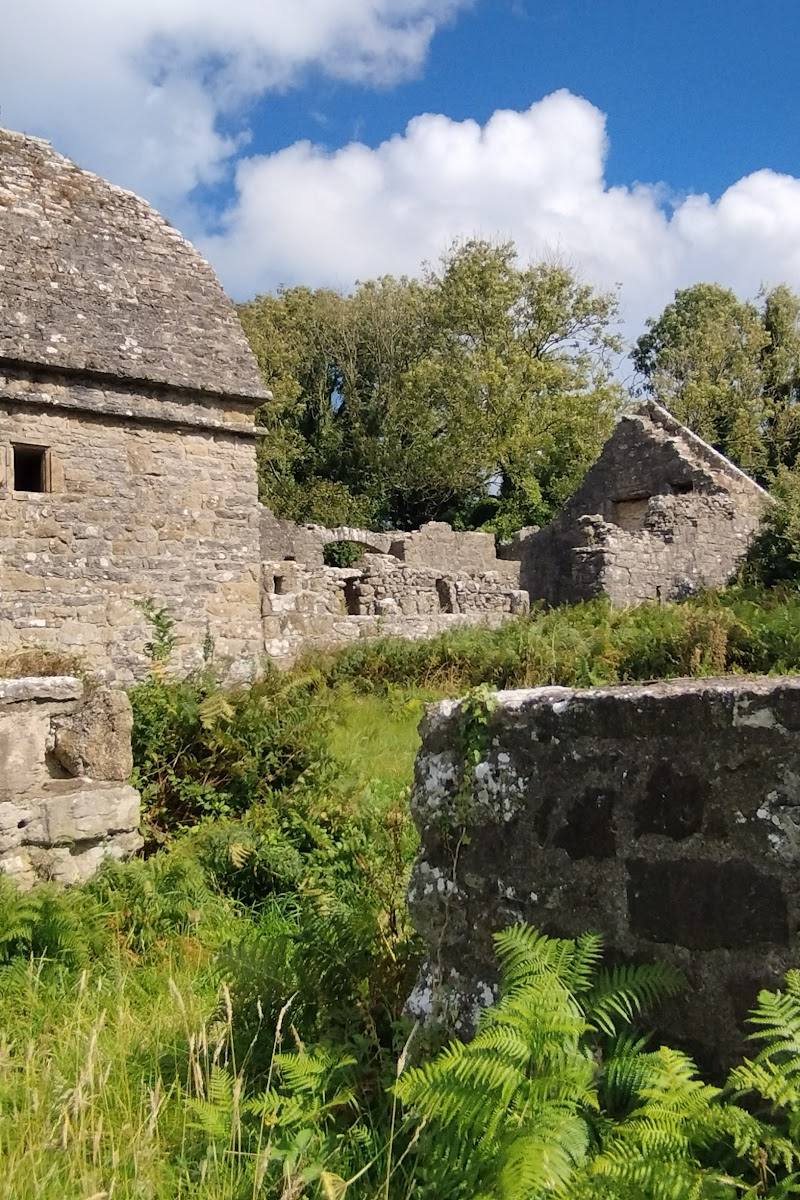
Penmon’s appeal is the way its surviving sacred landmarks sit together: priory remains, an intricately carved early medieval cross, St Seiriol’s Well and a nearby 15th-century dovecote. It rewards a slow, observant visit rather than a hurried look at one ruin.
Atmospheric · Ancient-feeling · Peaceful
Find your way
Open mapB5109, Beaumaris, Anglesey LL58 8SP, Wales
Opening map…
Know this place a little better?
The experience
Explore the priory remains and, when the church is open, see the carved Penmon Cross. Cadw also highlights St Seiriol’s Well and the nearby 15th-century dovecote. Allow time to take in the different layers of the site; check current visitor information before setting out.
Things to do
Explore the priory remains
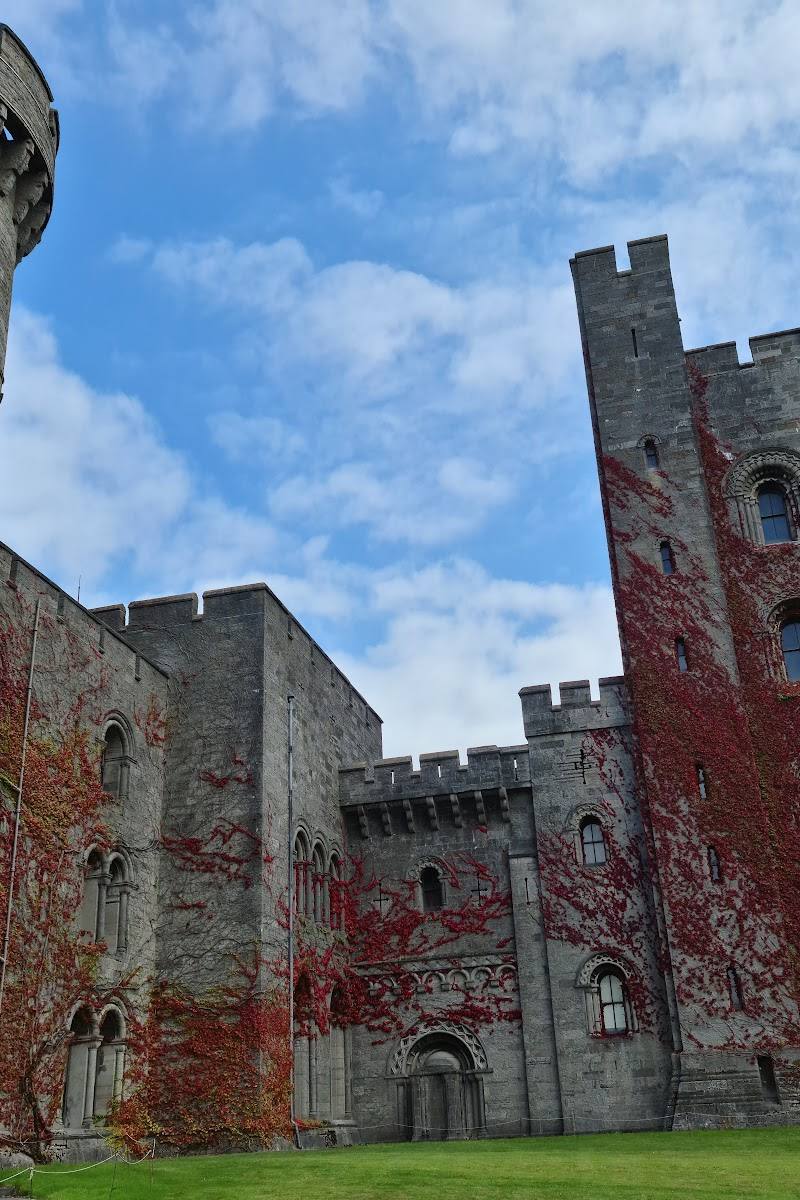
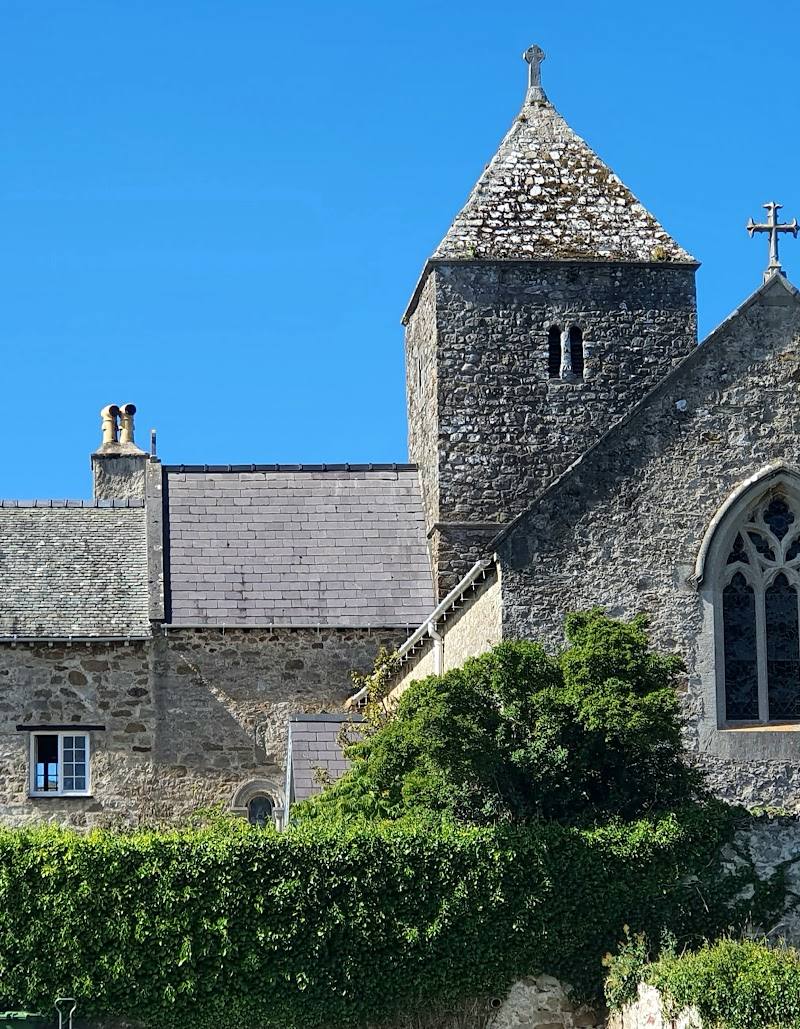
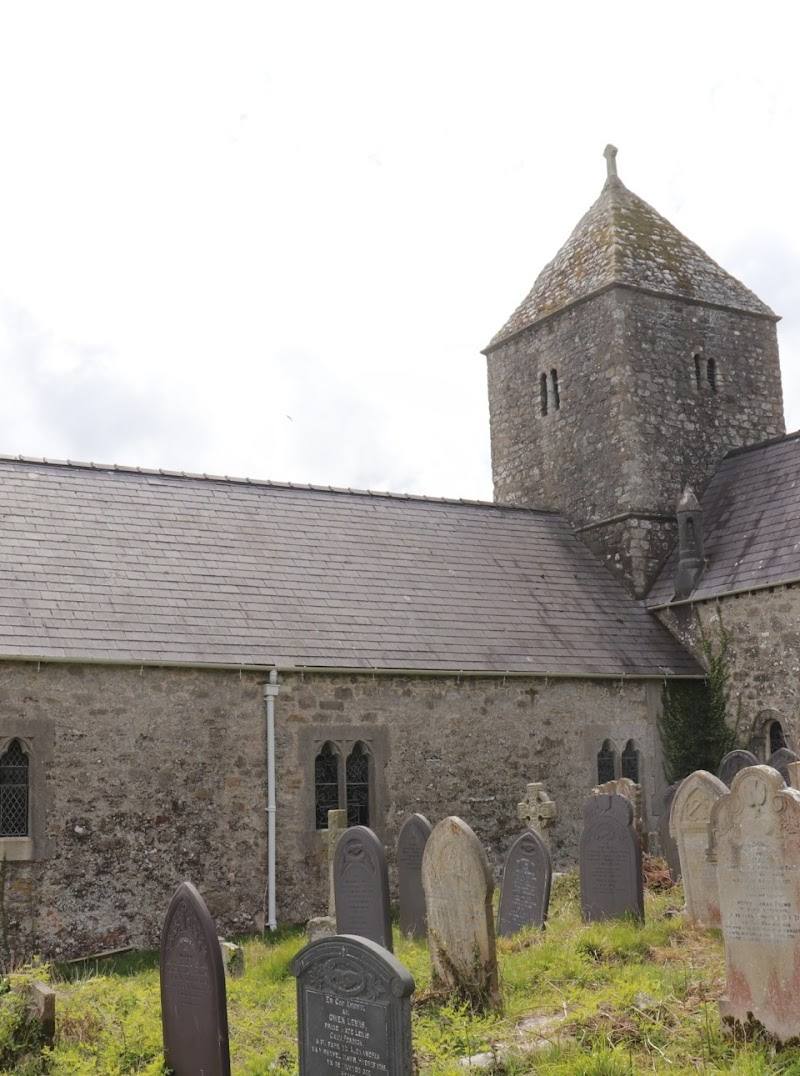
See the remains of the priory, most of which date from the 13th century, when it became part of the Augustinian order.
Check locally
See the Penmon Cross
When the church is open, look at the 10th-century cross shaft and its intricate fret and plait carving.
Visit St Seiriol’s Well
Visit the holy well associated with St Seiriol. Cadw says the well is thought to be associated with the 6th-century period, while the cell housing it is a much later construction.
Look around the dovecote
Cadw identifies a 15th-century dovecote close to the priory as another feature worth visiting.
Make a day of it
Quick escape · 1–2 hours
Priory, cross and well
- 01
Explore the remains of Penmon Priory.
- 02
When the church is open, go inside to view the 10th-century Penmon Cross.
- 03
Visit St Seiriol’s Well; Cadw describes the approach terrain as easy.
- 04
If time allows, see the nearby 15th-century dovecote.
Half day · Half day
Make a half day of Penmon’s sacred heritage
- 01
Spend time at the priory remains and church.
- 02
Look closely at the carved cross when the church is open.
- 03
Continue to St Seiriol’s Well and the nearby 15th-century dovecote.
- 04
Check current visitor information and conditions before travelling; the grounds can be slippery or muddy.
Verified history
Cadw traces Penmon’s religious history to a monastery established by St Seiriol in the 6th century. The well bearing his name is thought to be associated with that period, although its enclosing cell is much later. The priory remains largely date from the 13th century, when the institution became part of the Augustinian order. Inside the church is a 10th-century cross whose shaft is carved with fret and plait patterns. The nearby dovecote dates to the 15th century.
Folklore & legend
The well is reputed to have healing properties. Treat this as a reported tradition, not a verified medical claim.
Hidden details
The cross is inside the church — The Penmon Cross is not simply an exterior monument: Cadw says it is inside the church and can be viewed when the church is open.
The well’s enclosing cell is later — Although the well is thought to have an association with the 6th-century foundation, the cell that houses it is a much later construction.
When to go
· Visit during the stated 10am–4pm hours, after checking current opening information. The supplied source gives no evidence for a particular time of day.
The supplied evidence does not identify a best season. Cadw advises that exposed grounds may be slippery or muddy, so consider seasonal conditions and suitable footwear.
The grounds are exposed to the elements and may be slippery or muddy underfoot. Cadw advises choosing footwear appropriate to the season.
Worth pairing with
15th-century Penmon Dovecote
A nearby historic feature Cadw specifically recommends visiting alongside the priory.
What to look for
Inside the church, look closely at the 10th-century cross shaft for its carved fret and plait patterns. Notice that the cell enclosing St Seiriol’s Well is a later construction than the early monastic association attributed to the well.
The story
Saints & pilgrimage, Archaeology
Best time to go
Year-round; check current opening information before visiting.
The supplied source lists opening hours of 10am–4pm throughout the year, but advises checking for up-to-date visitor information. The cross is inside the church and can be viewed when it is open.
How long to spend
1–2 hours
Perfect for
History lovers · Walkers · Photographers
Before you go
Address
Phone
Website
Listed hours
- Monday: 10am-4pm
- Tuesday: 10am-4pm
- Wednesday: 10am-4pm
- Thursday: 10am-4pm
- Friday: 10am-4pm
- Saturday: 10am-4pm
- Sunday: 10am-4pm
Check before visiting.
Google rating
Practical information
Opening & access
Cadw lists the priory and cross as level 1 accessible terrain and St Seiriol’s Well as level 2, easy. The source row says the entrance is not wheelchair-accessible. Grounds may be slippery or muddy; check current visitor information before travelling. Access arrangements are unconfirmed. Check before visiting; do not enter private land or restricted structures.
Check before visiting
Parking
Cadw lists a pay-and-display car park managed by a third party. Check tariffs and parking duration before visiting.
Check before visiting
Toilets
Check before visiting.
Check before visiting
Food & drink
Check before visiting.
Check before visiting
Dogs
Check before visiting.
Check before visiting
Accessibility
Cadw rates the priory and cross as level 1 accessible terrain, and St Seiriol’s Well as level 2, easy. The source row states that the entrance is not wheelchair-accessible. Check current access arrangements before travelling.
Check before visiting
Cost
Paid
Water
Well
Gallery
Place photographsKeep exploring
Around St Seiriol's Priory
Within 50 km · approximate straight-line distances