Ayot St Peter Road, Ayot St Peter, Welwyn, AL6 9BQ, United Kingdom
St Peter's Old Churchyard
Church
Place photograph
4.4
Wildland
Under 1 hour
Time
Check
Cost
Atmospheric
Feel
Why it's Wildland
4.4Three churches stood on this site before the present parish church: a medieval building, an octagonal church and a Victorian church that was largely destroyed by lightning and fire in 1874. The buildings have largely disappeared, but graves remain in the old churchyard.
This is a small, quiet heritage stop rather than a broad countryside attraction. Its appeal is the unusually layered story of successive parish churches, the surviving graves and the chance to read that history in the landscape itself.
Atmospheric · Ancient-feeling
Find your way
Open mapAyot St Peter Road, Ayot St Peter, Welwyn, AL6 9BQ, United Kingdom
Opening map…
Know this place a little better?
The experience
A short heritage visit focused on the churchyard, surviving gravestones and the interpretation board. The parish website notes that little remains of the church buildings themselves.
Things to do
Read the churchyard interpretation board
The parish website says an interpretation board was installed in November 2024. Use it to orient yourself to the churchyard's history.
Look among the surviving graves
Many graves remain, although little trace of the earlier church buildings survives. A grave-name and date index is linked from the parish history page.
Trace the site's three church generations
The parish history describes the medieval church, an octagonal successor completed in 1751 and a Victorian church opened in 1862. The third church was largely destroyed by lightning and fire in 1874.
See whether the wild daffodils are in flower
The parish website records wild daffodils in the old churchyard in March 2018; flowering varies from year to year.
Make a day of it
Quick escape · About 30–60 minutes; estimate, not a published visit duration.
A short churchyard history stop
- 01
Check current access arrangements before setting out.
- 02
If accessible, walk from the current church along the lane to the old churchyard.
- 03
Explore the surviving gravestones and read the interpretation board.
- 04
Use the parish churchyard grave index to follow up names and dates.
Verified history
The parish history says a medieval church was built on a different site in 1282 and demolished in 1750. An octagonal successor, commissioned by the rector Reverend Ralph Freman, was completed in 1751 and demolished in 1861–62. A third church, designed by John Loughborough Pearson, opened in 1862. It was struck by lightning on 10 July 1874 and largely destroyed by fire. Its surviving apsidal end was later used as a mortuary chapel, which was demolished in 1954. The churchyard still contains many graves, though little trace of the church buildings remains. A tomb for Reverend Canon Henry Jephson, who died in 1911, was erected by parishioners and family in 1914.
Hidden details
A church remembered through its churchyard — The parish account says the old churchyard remains visible although little trace of the earlier church buildings survives; many graves remain.
The 1750 letter that helps untangle the rebuilding — The parish history quotes antiquary George North's 1750 letter, which indicates that the new church was built before the medieval one was demolished.
When to go
March · No particular time of day is evidenced; check access arrangements before visiting.
March is the only season-specific detail in the supplied parish history, which records wild daffodils in the churchyard that month in 2018.
No site-specific weather guidance is provided. Check conditions and access before travelling.
What to look for
Look for surviving gravestones, the interpretation board installed in November 2024, and the churchyard setting where earlier parish churches once stood. The parish website also provides an index of grave names and dates.
The story
Church history, local archaeology
Best time to go
March, when the parish website records wild daffodils in the churchyard.
March is a good seasonal choice: the parish website documents wild daffodils in bloom in March 2018. Flowers and access conditions may vary.
How long to spend
Under 1 hour
Perfect for
History lovers
Before you go
Practical information
Opening & access
The churchyard is identified along Ayot St Peter Road, north of the current church. The parish website recommends walking along the lane from the current church; parking nearby is very limited. Public access and current opening arrangements are not confirmed. Check before visiting. Access arrangements are unconfirmed. Check before visiting; do not enter private land or restricted structures.
Check before visiting
Parking
Very limited car parking by the old churchyard; the parish website recommends walking along the lane from the current church. Check before visiting.
Check before visiting
Toilets
Check before visiting.
Check before visiting
Food & drink
Check before visiting.
Check before visiting
Dogs
Check before visiting.
Check before visiting
Accessibility
The approach includes a lane and steps at the entrance, which were refurbished in 2019. Surface, gradients and step-free access are not confirmed; check before visiting.
Check before visiting
Cost
Check before visiting.
Check before visiting
Gallery
Place photographsKeep exploring
Around St Peter's Old Churchyard
Within 50 km · approximate straight-line distances
 Source image4.8
Lemsford Springs
Lemsford Village, Lemsford, Hertfordshire AL8 7TN, United Kingdom
3.2 km away

 Place photograph5.7
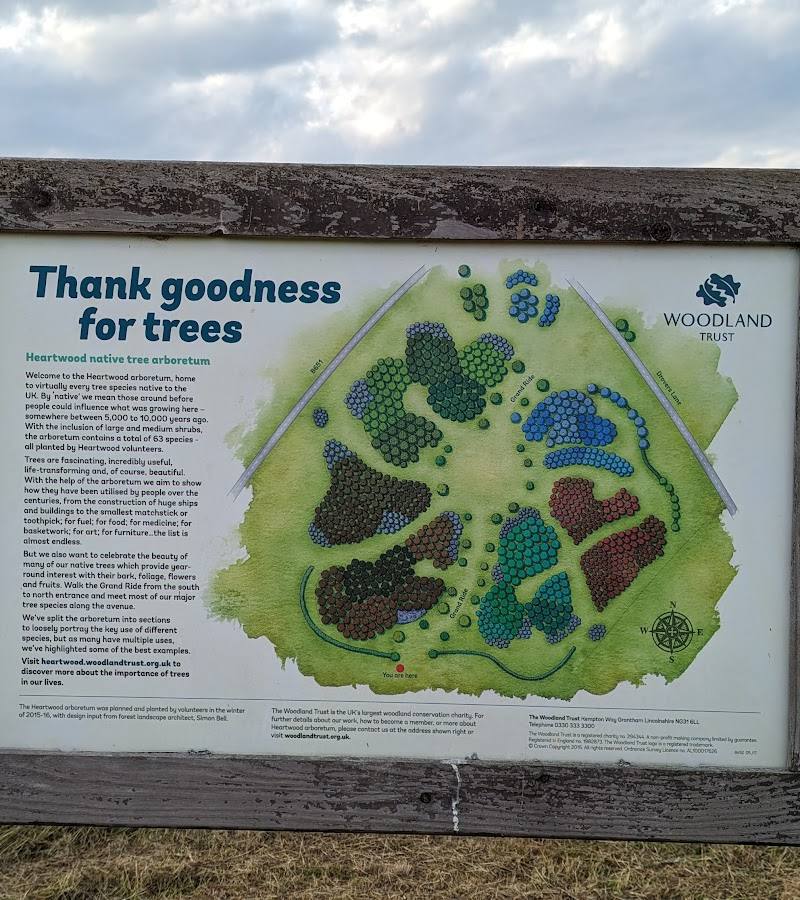
Heartwood Forest
Sandridge, 3 miles north of St Albans, Hertfordshire, AL4 8EY
5.1 km away