Mill Green, Hatfield, Hertfordshire AL9 5PD
Mill Green Museum and Watermill
Museum & collection
Place photograph
6.2
Wildland
1–2 hours
Time
Paid
Cost
Historic
Feel
Why it's Wildland
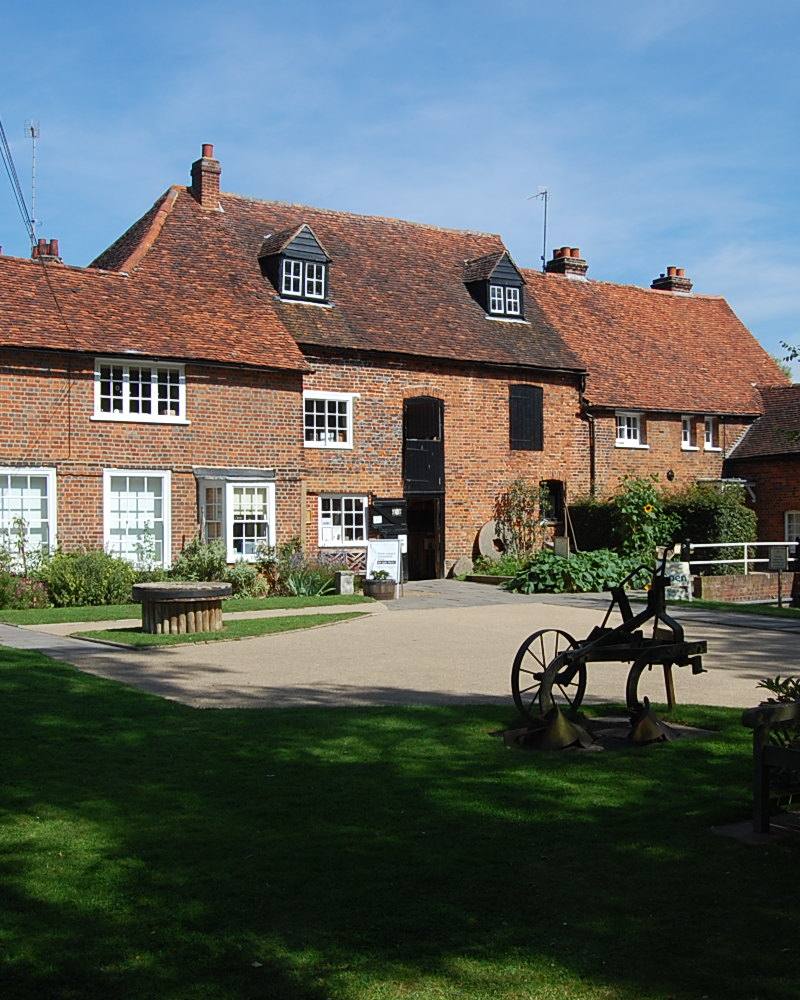
6.2An 18th-century working watermill uses the River Lea to grind grain into flour, on a site described as having a thousand-year milling history. When the mill is operating, its wheels, cogs and millstones turn that long story into something visitors can see in motion.
This is more than a display of old machinery: it is a working watermill where the River Lea still provides the power for milling. The combination of machinery in action and local-history collections gives a visit a clear, tangible focus.
Historic · Hands-on
Find your way
Open mapMill Green, Hatfield, Hertfordshire AL9 5PD
Opening map…
Know this place a little better?
The experience
Focus on the working mill and its machinery, then explore the museum’s local-history collections. Milling depends on conditions and repairs, so check ahead if seeing the mill operate is central to your visit.
Things to do
Watch the watermill machinery
See the restored working mill and, when milling is taking place, follow how the machinery uses the River Lea to grind grain into flour. Operation is subject to demand, weather and repairs.
Allow part of your visit; exact duration not specified
Explore local-history collections
Look beyond milling equipment to collections relating to local industry, social history and art. The supplied listing describes objects including tools, toys, furniture and clothing.
Trace the grain through the mill
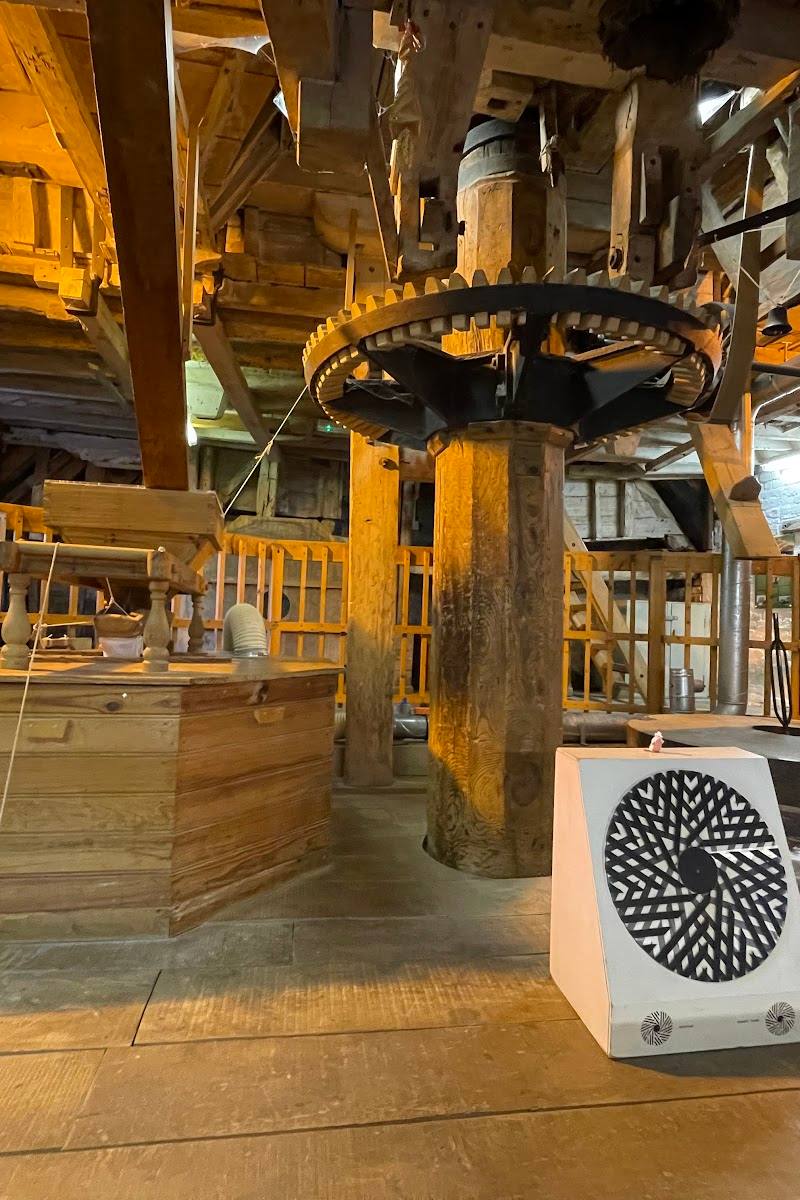
Notice the linked wheels, cogs and millstones that move grain through the milling process; a miller may explain how the system works.
Make a day of it
Quick escape · About 1–2 hours
Quick escape: see the mill at work
- 01
Check the museum’s current opening and milling arrangements before setting out.
- 02
Explore the restored watermill and watch the machinery if milling is taking place.
- 03
Look closely at how wheels, cogs and millstones move grain through the mill.
- 04
If time allows, finish with a circuit of the local-history galleries.
Half day · Half day
Make a half day of it: mill, museum and tea room
- 01
Check current opening, ticket and milling information with the museum.
- 02
Spend time in the working mill and follow the grain-to-flour process.
- 03
Explore the museum’s local-history collections, including objects connected with the borough’s industries and everyday life.
- 04
If open during your visit, take a break at the Miller’s Tea Room; verify its current service before travelling.
Verified history
The museum describes the watermill as an 18th-century restored working mill. The supplied source says it uses the River Lea to grind grain into flour and that milling has taken place on the site for a thousand years. The collections also document the history of Welwyn Hatfield, including local industries and everyday life. The sources provided do not establish a more precise chronology for the earlier milling history.
Hidden details
Look for the working sequence, not just the mill wheel — The mill’s process involves wheels and cogs moving grain through to the millstones. Watching the connected stages makes the visit more revealing than viewing the machinery as a single object.
Ask whether the mill will be operating — Milling is not guaranteed: the supplied listing says it depends on flour demand, weather and necessary repairs. Check ahead if seeing the machinery in action is important to your visit.
When to go
· During the museum’s confirmed opening hours; check current hours and milling arrangements before travelling.
The supplied evidence gives no seasonal recommendation. The mill’s operation depends on demand, weather and repairs rather than a verified visitor season.
Weather can affect whether milling takes place. Check with the museum before visiting if seeing the mill operate is a priority.
What to look for
- 01
Follow the sequence of wheels and cogs that carries grain towards the millstones. If milling is taking place, watch how the machinery turns grain into flour
- 02
operation is subject to demand, weather and repairs.
The story
Industrial heritage; milling
Best time to go
No season-specific advantage is established by the supplied evidence; check opening and milling arrangements before visiting.
Visit during the museum’s stated opening hours and check ahead whether milling is expected on the day.
How long to spend
1–2 hours
Perfect for
History lovers · Families
Before you go
Address
Phone
Website
Listed hours
- Monday: Closed
- Tuesday: Closed
- Wednesday: Closed
- Thursday: Closed
- Friday: 10am-4pm
- Saturday: Closed
- Sunday: 10am-4pm
Check before visiting.
Google rating
Practical information
Opening & access
A ticket is required. The museum’s FAQ lists opening on Fridays and Sundays, 10am–4pm, with last entry at 3.30pm. Check the official website before travelling for current access and ticket details.
Check before visiting
Parking
Check before visiting
Check before visiting
Toilets
The official FAQ states that public toilets, including accessible toilets, are available on site.
Food & drink
A tea room is listed in the official FAQ navigation; check the museum website for current service and opening details.
Check before visiting
Dogs
Guide dogs are permitted in museum buildings. Dogs are allowed on a lead in the gardens but not in the mill or No. 6 cottage.
Accessibility
The source row reports a wheelchair-accessible car park, entrance and toilet. Check directly with the museum for current access details and any limitations inside the mill.
Check before visiting
Cost
Paid
Water
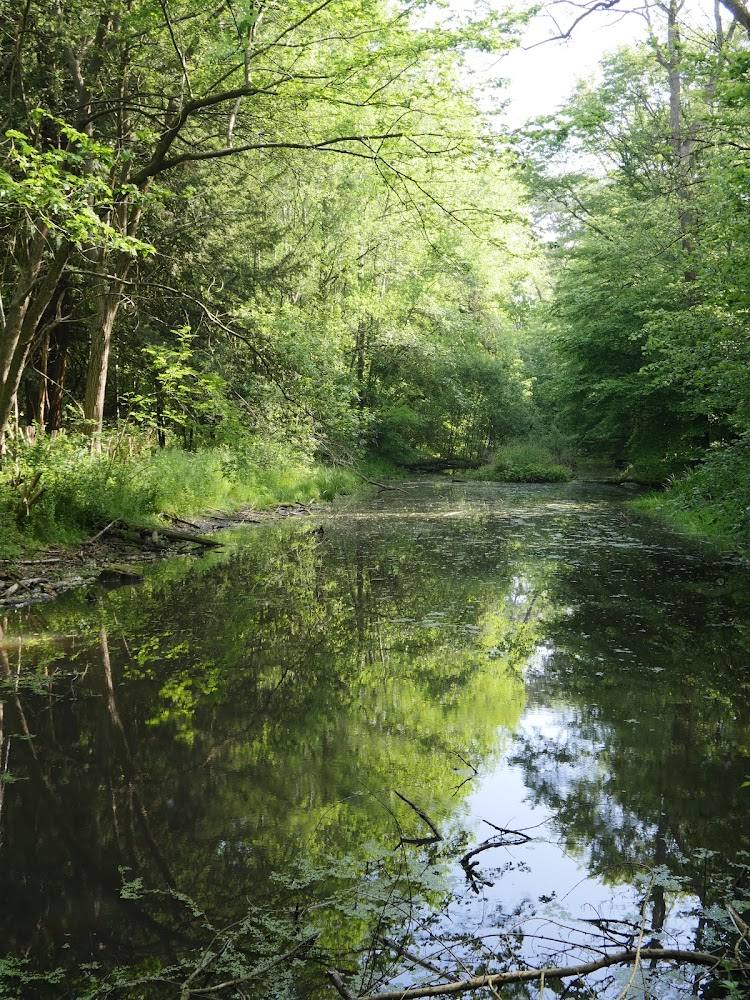
River Lea powers the mill; swimming or paddling permission is not established.
Gallery
Place photographs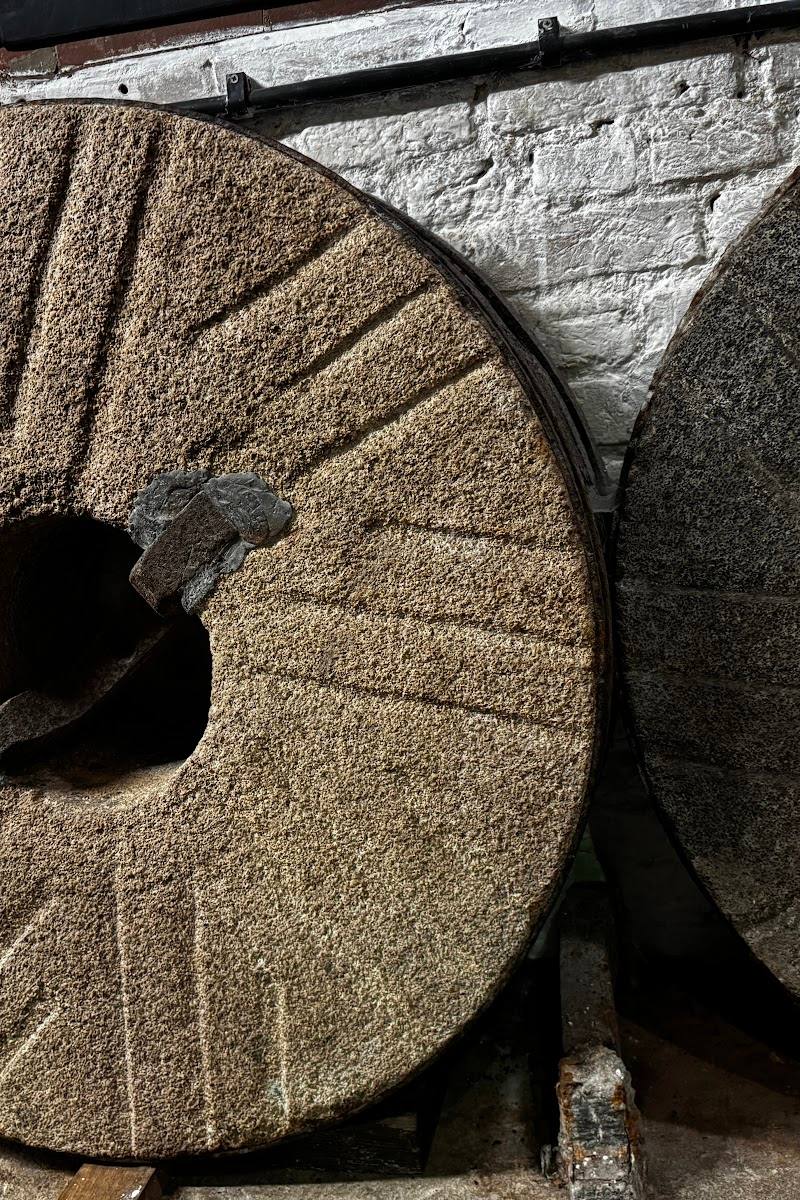
Keep exploring
Around Mill Green Museum and Watermill
Within 50 km · approximate straight-line distances

 Place photograph6.8
Tewin Orchard and Hopkyns Wood
Upper Green Road, Tewin, Hertfordshire AL6 0LZ
6.5 km away
 Source image5.8
Gobions Wood Nature Reserve
Off Mymms Drive, Brookmans Park, Hertfordshire AL9 7AF
6.5 km away