Priory Park, Dudley, West Midlands
St James Priory Ruins
Monastic ruins
Place photograph
6.2
Wildland
Under 1 hour
Time
Check
Cost
Atmospheric
Feel
Why it's Wildland
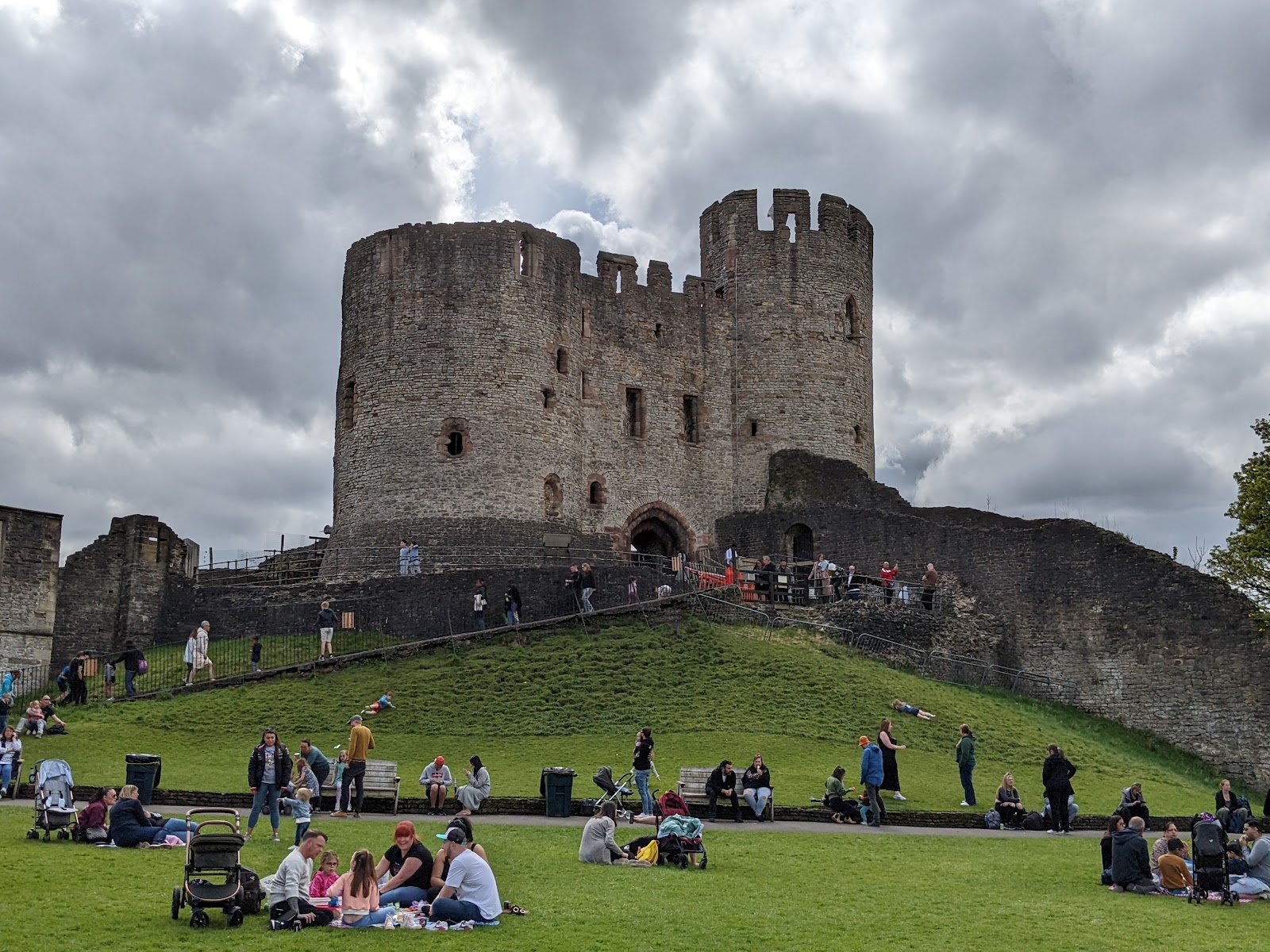
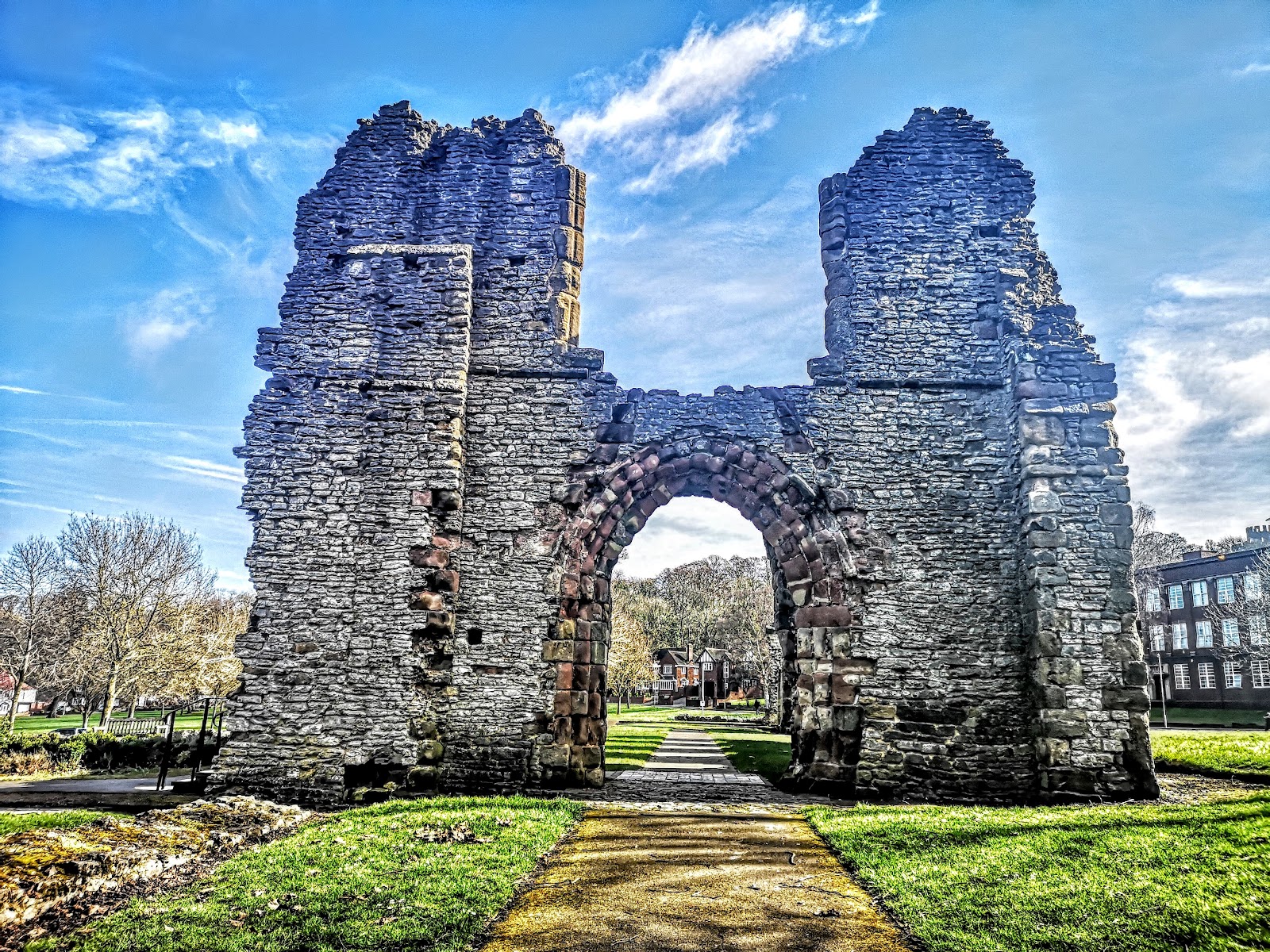
6.2Cluniac monks lived here for almost 400 years. Today, a spiral staircase, medieval tiles and the outlines of the priory’s different quarters survive among the ruins.
This is a compact but unusually layered urban heritage stop: the remains of a Grade I listed priory sit within a historic park, with visible medieval details and archaeology still hidden beneath the lawns. It merits a visit for close-looking rather than a long walk.
Atmospheric · Historic
Find your way
Open mapPriory Park, Dudley, West Midlands
Opening map…
Know this place a little better?
The experience
A short heritage visit focused on the surviving priory remains and the evidence of monastic life that can still be seen. The wider park adds context, including its later development as a public historic park.
Things to do
Trace the priory’s monastic quarters
Look for the boundaries of the different quarters used by the monks, still evident among the remains.
10–20 minutes
Look for the spiral staircase and medieval tiles
The council identifies both as features still evident on site. Take time to look closely rather than viewing the ruins only from a distance.
10–20 minutes
Read the landscape for the former fishponds
Dudley Council says much of the park area would have been fishponds for the monks, with substantial archaeology still hidden below ground.
10 minutes
Notice the park’s later history
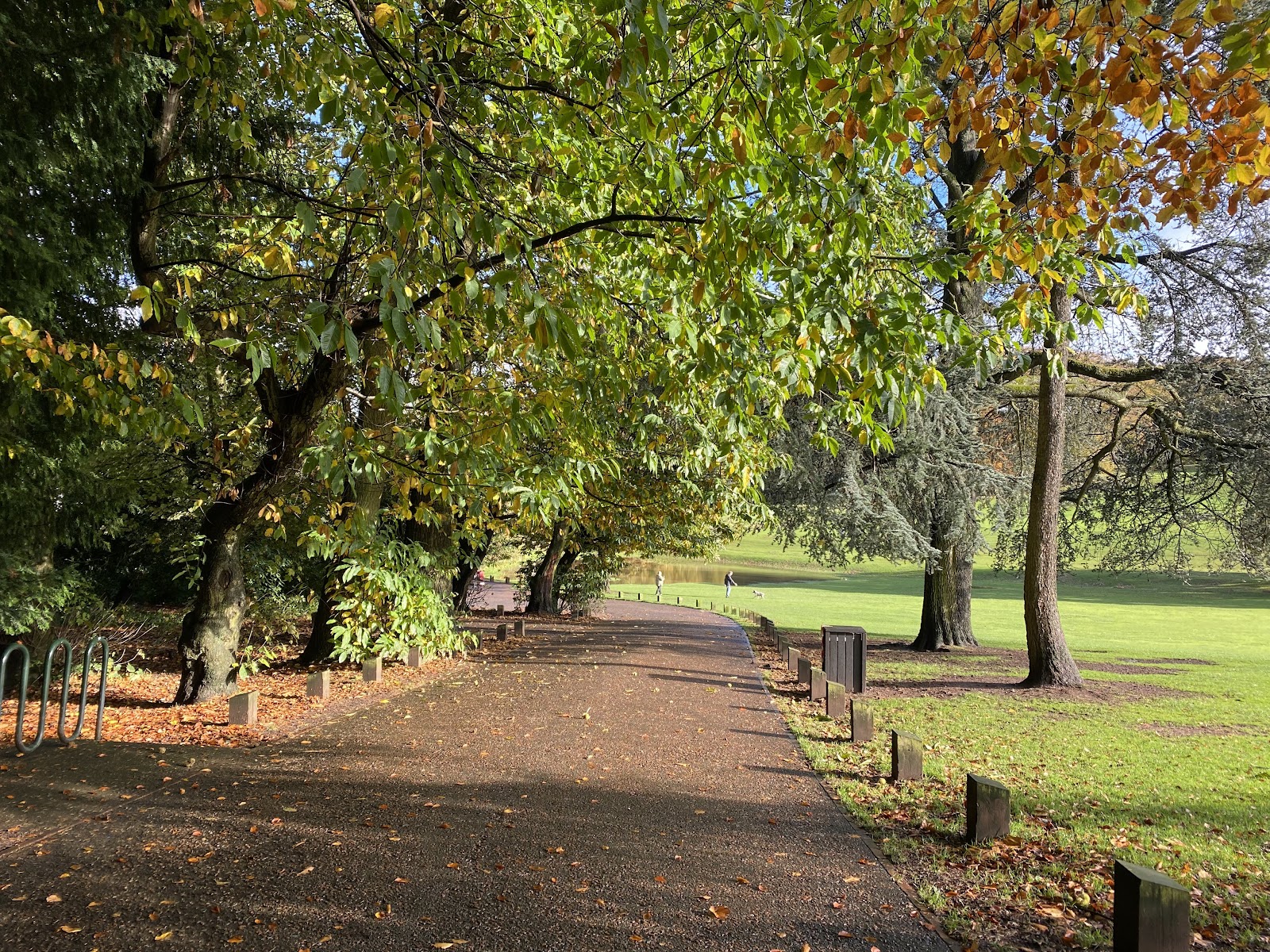
The priory is part of a layered site: the park was developed for public use and opened in 1932; during the Second World War it housed anti-aircraft guns and allotments were dug on the green.
10–20 minutes
Make a day of it
Quick escape · Allow around 30–60 minutes; this is a suggested visit length, not a published duration.
Quick escape: find the surviving priory details
- 01
Check current access information for Priory Park before travelling.
- 02
Visit the priory remains and look for the spiral staircase, medieval tiles and outlines of the monks’ quarters.
- 03
Remember that archaeology also survives below ground; avoid treating the visible ruins as the whole site.
Half day · Half day
Make a half day of Priory Park’s heritage
- 01
Begin with the St James Priory remains and examine the surviving architectural and archaeological details.
- 02
Continue through Priory Park, keeping the priory’s relationship with the wider historic landscape in mind.
- 03
Look for the park’s later layer of history: Dudley Council records its development for public use and its opening in 1932.
- 04
Check current park facilities and access before planning a longer visit.
Verified history
Dudley Council describes the priory as part of a network of priories and monasteries established after the Norman Conquest. Cluniac monks lived at the site for almost 400 years. As the Dissolution of the Monasteries began in 1536, the monks dispersed and the priory declined; it was plundered, and stone was taken for use in houses. From the 17th century, buildings on the site were used as workshops and cottages. The remains are over 900 years old and Grade I listed. The southern end of the park is a Scheduled Ancient Monument. The park was developed for public use, opened in 1932, and restored with the priory in 2013.
Hidden details
The staircase and tiles — A spiral staircase and medieval tiles are among the details Dudley Council says remain evident on site.
Archaeology beneath the park — Visible ruins are only part of the story: the council reports substantial archaeology below ground and says much of the park area would have been monastic fishponds.
When to go
· No evidence-based recommendation available.
The supplied research does not identify seasonal highlights or restrictions.
Check the forecast and current park information before visiting; path and weather conditions are not described in the supplied research.
What to look for
Look for the spiral staircase, medieval tiles and the boundaries of the different monastic quarters. The council also notes that archaeological remains, including the former fishpond area, survive below ground.
The story
Monastic history, medieval archaeology
Best time to go
No season-specific advantage is established by the supplied evidence.
No preferred time of day is established by the supplied evidence. Check current park information before setting out.
How long to spend
Under 1 hour
Perfect for
History lovers · Families
Before you go
Address
Website
Listed hours
- Monday: Open 24 hours
- Tuesday: Open 24 hours
- Wednesday: Open 24 hours
- Thursday: Open 24 hours
- Friday: Open 24 hours
- Saturday: Open 24 hours
- Sunday: Open 24 hours
Check before visiting.
Google rating
Practical information
Opening & access
The ruins are within Priory Park, which Dudley Council says opened to the public in 1932. Check the council’s current park information before travelling; opening arrangements and access to the ruins are not detailed in the supplied evidence.
Check before visiting
Parking
Check before visiting. Google listing data in the source row mentions free street parking and a free car park, but these details have not been verified by the supplied research sources.
Check before visiting
Toilets
Check before visiting
Check before visiting
Food & drink
Check before visiting
Check before visiting
Dogs
Check before visiting
Check before visiting
Accessibility
Check before visiting. The source row reports a wheelchair-accessible car park and entrance, but the supplied research source does not confirm access conditions at the ruins or paths.
Check before visiting
Cost
Check before visiting
Check before visiting
Gallery
Place photographsKeep exploring
Around St James Priory Ruins
Within 50 km · approximate straight-line distances