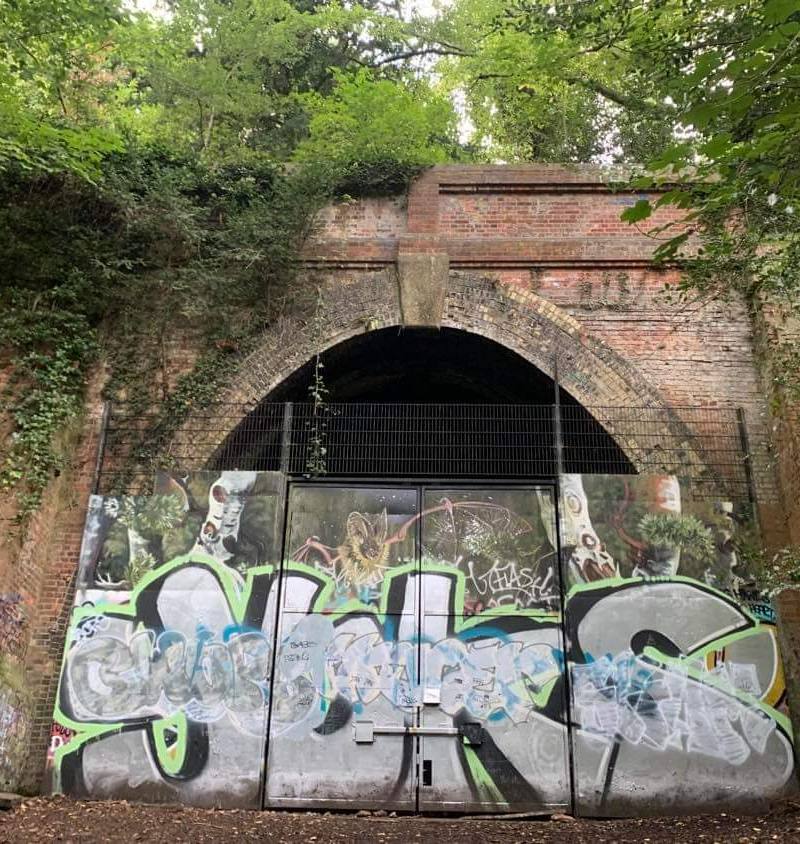
Round Hill, London SE26 4RG, United Kingdom
St Antholin’s Church Spire
Tiny historic site
Place photograph
4.0
Wildland
Under 1 hour
Time
Check
Cost
Quirky
Feel
Why it's Wildland
4.0A fragment of a Wren-designed City church stands far from its original home: saved after storm damage, bought for £5 by printing pioneer Robert Harrild and moved to his Sydenham garden.
This is an unusual piece of London history in an unexpected setting: a Portland-stone remnant of a Christopher Wren church, transplanted from the City to Sydenham and still standing beside a cedar from Harrild’s former garden.
Quirky
Find your way
Open mapRound Hill, London SE26 4RG, United Kingdom
Opening map…
Know this place a little better?
The experience
A brief heritage stop to view the surviving spire from the public realm, if access is available. It is a historic remnant, not an intact church or a full visitor attraction.
Things to do
Study the stonework
From an appropriate public vantage point, look for the spire’s octagonal plan, horizontal ribs and round shell openings described by the Heritage of London Trust.
Brief stop
Find the wolf’s-head weathervane
The Heritage of London Trust records the present weathervane as a wolf’s head, in place of the earlier vane bearing the arms of the Bishop of London.
Brief stop
Notice the surviving garden cedar
A large cedar from the former Round Hill House garden remains beside the spire, according to local heritage accounts.
Brief stop
Make a day of it
Quick escape · Under 1 hour
A brief look at the Wren spire
- 01
Check whether the site is accessible to visitors before travelling.
- 02
If access is available, view the spire respectfully from the public realm.
- 03
Look for its stone detailing and the wolf’s-head weathervane.
Folklore & legend
A Forest Hill Society account recalls children imagining that the spire was the only part of a buried church left above ground after a catastrophic mudslide. This is presented as a childhood story, not a historical event.
Hidden details
An unusually constructed Wren spire — The Heritage of London Trust describes the spire as Portland stone, unlike the timber-framed and clad spires used for Wren’s other churches.
A church fragment with a second address — The spire was moved from the City of London to Robert Harrild’s garden at Round Hill House after he bought it for £5 in 1829.
The cedar from the former estate garden — A cedar tree from the former Round Hill House garden survives beside the spire, linking the monument to the estate that once occupied the site.
When to go
· Daylight
The main interest is architectural and historical, with no seasonal visitor experience verified.
No weather-dependent activities are established. Check access before visiting.
What to look for
Look for the octagonal stone form, its horizontal ribs and shell-shaped openings, and the wolf’s-head weathervane. A cedar tree from the former garden also survives nearby.
The story
Industry, Architecture
Best time to go
Any season; the spire is an architectural detail rather than a seasonal nature destination.
Daylight is best for seeing the stonework. No seasonal opening information is available; check access before setting out.
How long to spend
Under 1 hour
Perfect for
History lovers · Photographers
Before you go
Address
Phone
Website
Google rating
Practical information
Opening & access
The spire stands on a housing estate at Round Hill. Public access to the site is not confirmed; check before visiting and respect residents’ privacy. Access arrangements are unconfirmed. Check before visiting; do not enter private land or restricted structures.
Check before visiting
Parking
Parking information is not verified; check before visiting.
Check before visiting
Toilets
Check before visiting.
Check before visiting
Food & drink
Check before visiting.
Check before visiting
Dogs
Check before visiting.
Check before visiting
Accessibility
Surface, step-free access and the site’s current visitor arrangements are not verified. Check before visiting.
Check before visiting
Cost
Check before visiting
Check before visiting
Gallery
Place photographsKeep exploring
Around St Antholin’s Church Spire
Within 50 km · approximate straight-line distances
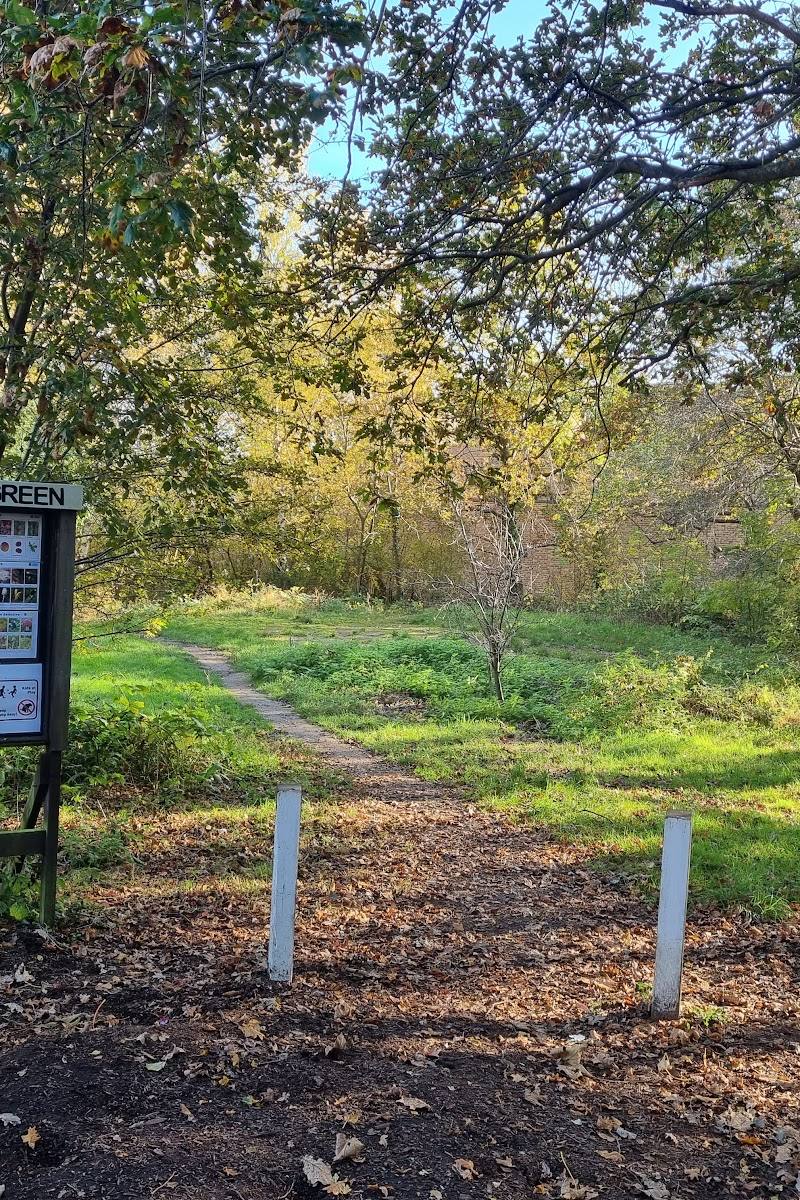 Place photograph5.1
Albion Millennium Green
Albion Villas Road, Forest Hill, London SE23 3HU
0.3 km away
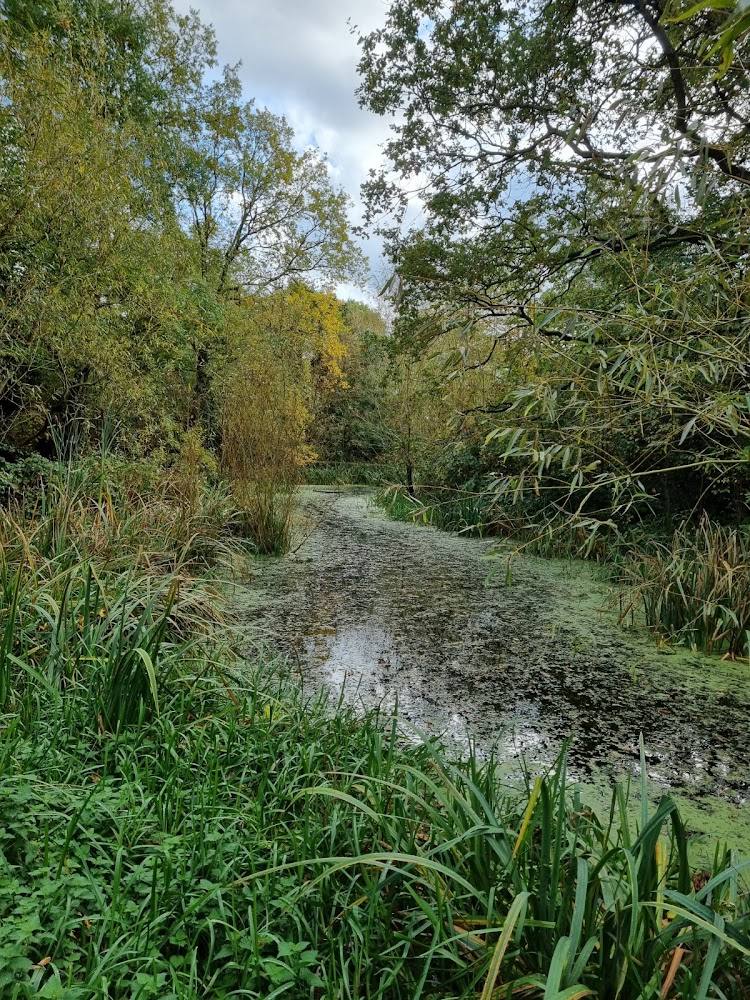
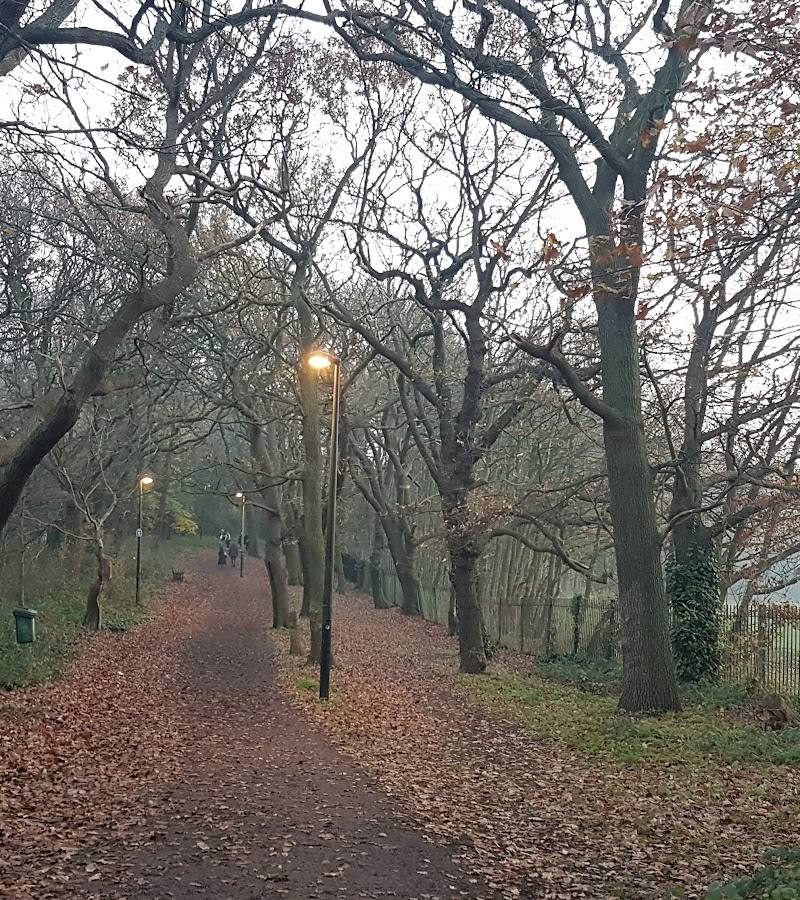
 Source image7.8
Sydenham Hill Wood and Cox’s Walk
Crescent Wood Road, Sydenham Hill, London SE26 6LS
0.7 km away