Horniman Museum and Gardens, London Road, Forest Hill, London SE23 3PQ
Horniman Nature Trail
Mixed-habitat reserve
Source image
6.3
Wildland
1–2 hours
Time
Check
Cost
Wild
Feel
Why it's Wildland
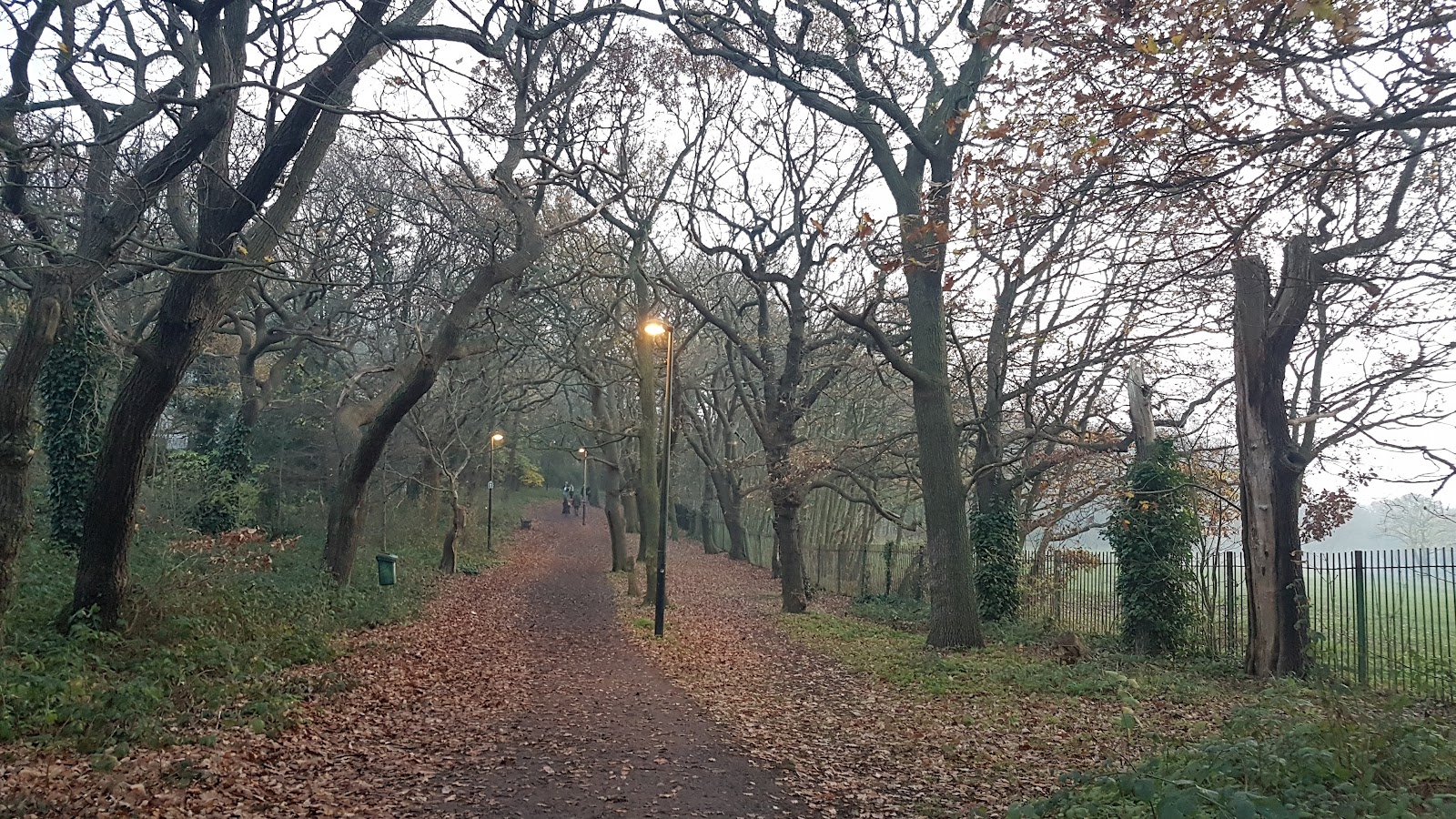
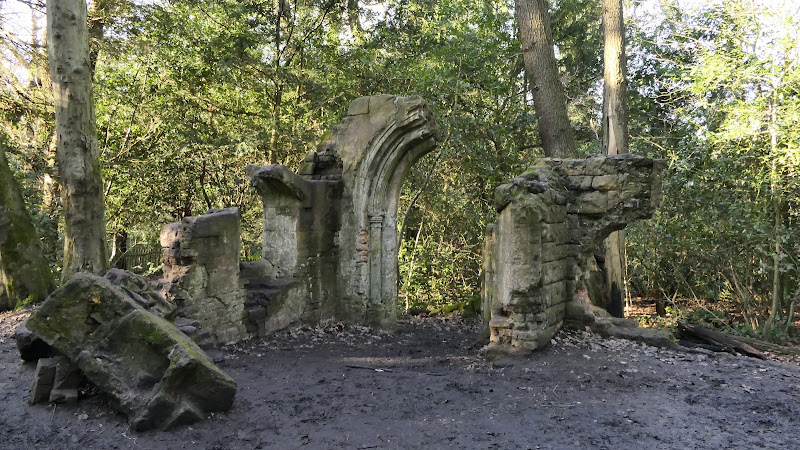
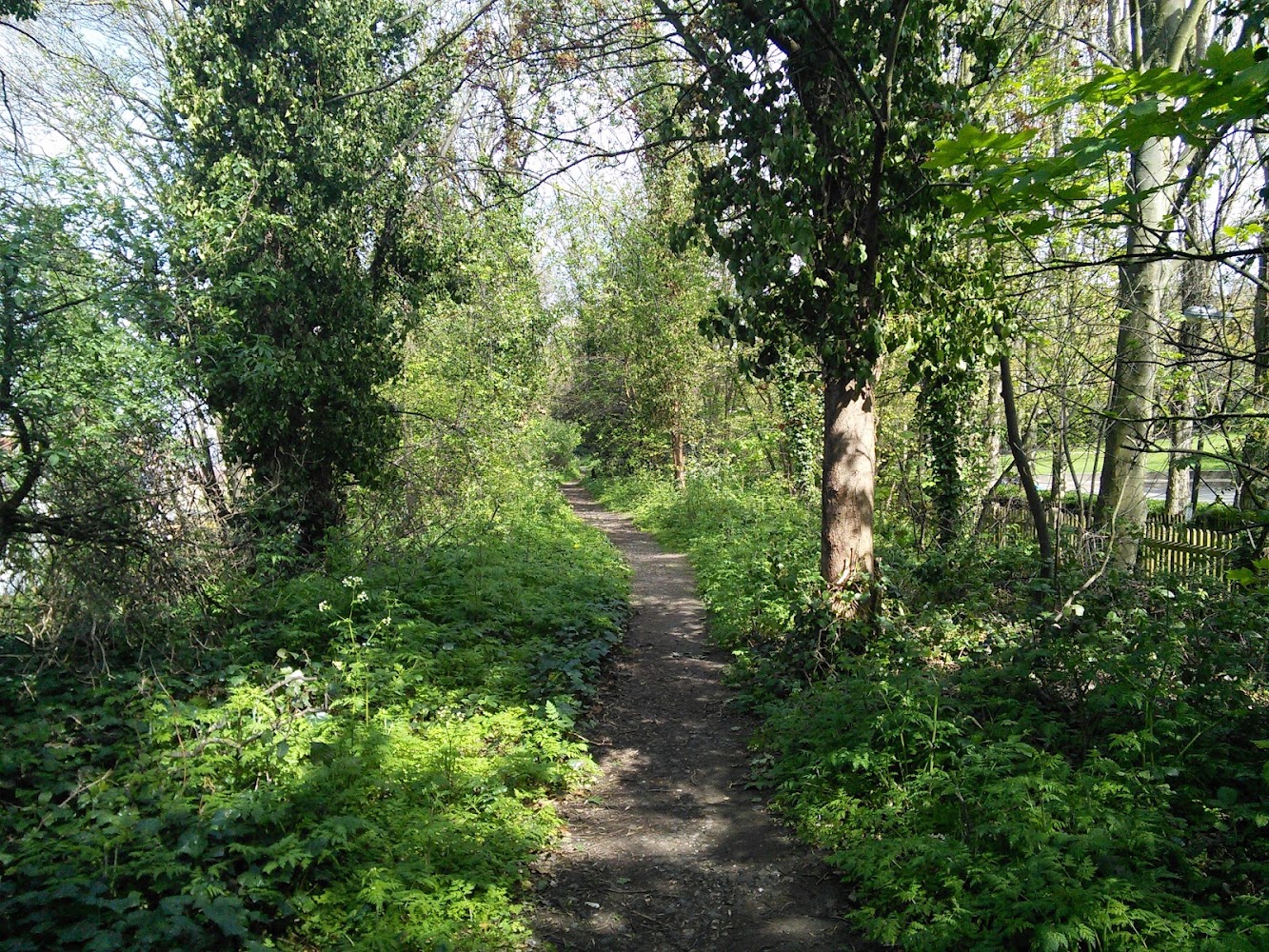
6.3A former railway corridor, closed in 1954 and left unmanaged until 1972, has become a woodland trail managed for plants, birds, insects and other wildlife.
This is a small but distinctive urban nature escape: a railway line turned wild woodland, with pond and meadow habitats and a log pile that supports mini-beasts including the endangered stag beetle. Its ecological story and unusual railway origins give it more character than a routine garden stroll.
Wild · Peaceful
Find your way
Open mapHorniman Museum and Gardens, London Road, Forest Hill, London SE23 3PQ
Opening map…
Know this place a little better?
The experience
Allow time for the roughly half-mile woodland trail and its pond, meadow and log-pile habitats. Check that it is open before setting out; the trail can close at short notice in bad weather. Dogs are not permitted, although guide dogs are allowed.
Things to do
Walk the former railway corridor
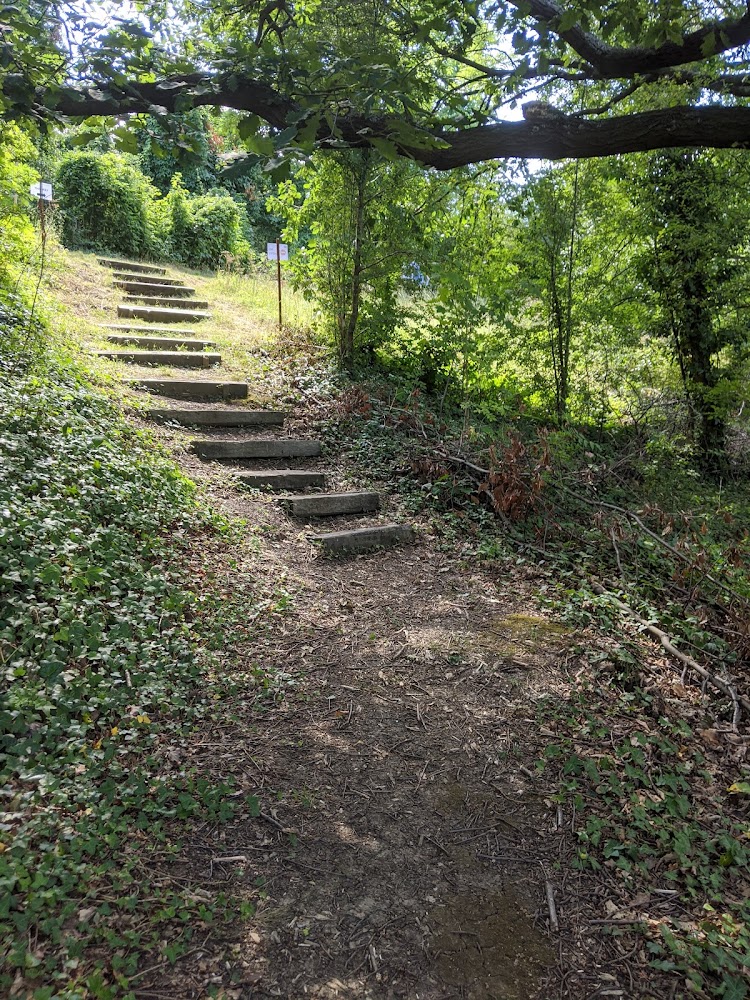
Follow the roughly half-mile woodland trail on the site of the former Crystal Palace and South London Junction Railway.
Allow around 1 hour for the trail itself; extra time is optional.
Look into the pond and meadow habitats
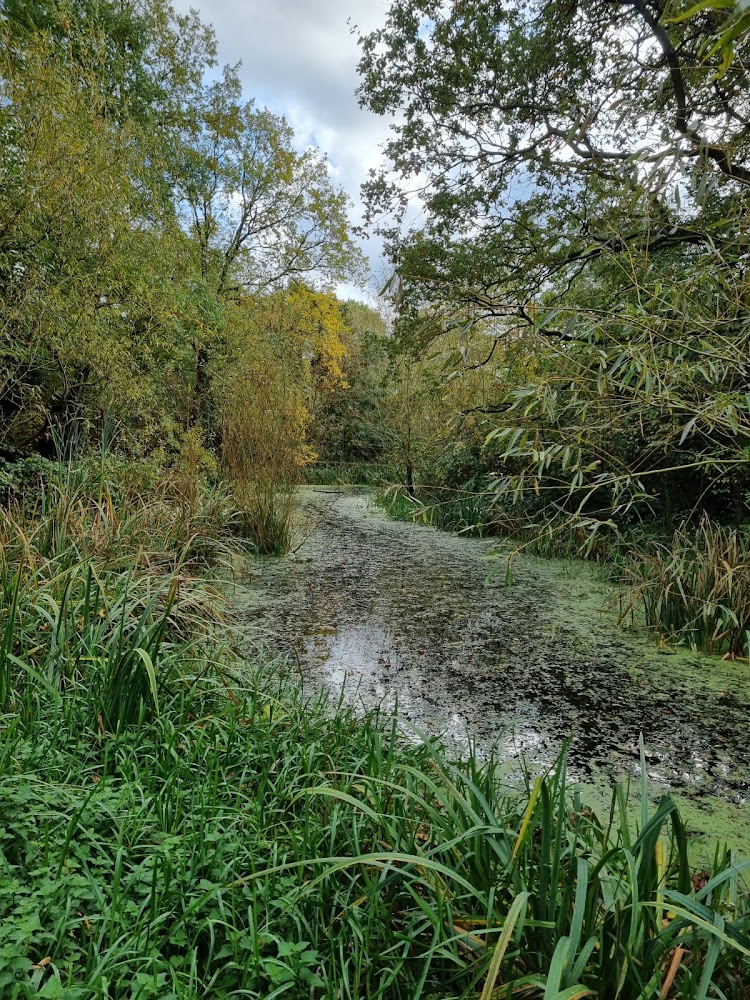
Explore the introduced pond and meadow habitats, created to attract additional species. Do not pick leaves or flowers.
Inspect the mini-beast log pile
Look for signs of invertebrate life around the log-pile habitat, which the Horniman says supports dozens of kinds of mini-beasts, including the endangered stag beetle.
Make a day of it
Quick escape · Allow around 1–2 hours, including time to explore; trail length is roughly half a mile.
Quick woodland escape
- 01
Check with the Horniman before setting out that the trail is open, particularly in unseasonal weather.
- 02
Enter by the ramped gate beside the Kusuma Nature Play Area, or use one of the other entrances described by the Horniman.
- 03
Walk the woodland trail and pause at the pond, meadow and log-pile habitats.
- 04
Return by the trail; do not try to exit onto Langton Rise.
Half day · Half day
Nature Trail and Horniman Gardens
- 01
Check current trail opening and access information before travelling.
- 02
Explore the roughly half-mile Nature Trail, looking out for its pond, meadow and mini-beast log pile.
- 03
Continue your visit in the Horniman Gardens; the museum describes the trail as a way to extend exploration of the gardens.
- 04
Check current facilities and opening arrangements with the Horniman before planning food or other activities.
Verified history
The trail occupies the site of the Crystal Palace and South London Junction Railway. The railway closed in 1954, and the area was left unmanaged until 1972, after which it developed into a wild woodland area. It is now managed to support plants, birds, insects and other animals.
Hidden details
A railway beneath the woodland story — The trail follows the former Crystal Palace and South London Junction Railway; its closure in 1954 preceded the unmanaged period that allowed the area to become woodland.
The log pile’s small inhabitants — The Horniman identifies the log-pile area as habitat for dozens of mini-beast species, including the endangered stag beetle.
When to go
· No specific time of day is established by the supplied evidence. Check current opening information before visiting.
The supplied sources do not identify seasonal highlights. The trail may close at short notice in bad weather, so check with the Horniman before setting out.
The Horniman says the trail may close at short notice during bad weather or unseasonal weather. Call before visiting to check whether it is open.
Worth pairing with
Horniman Gardens
The Horniman describes the Nature Trail as a way to extend exploration of its Gardens. Check current visitor information before planning a longer visit.
What to look for
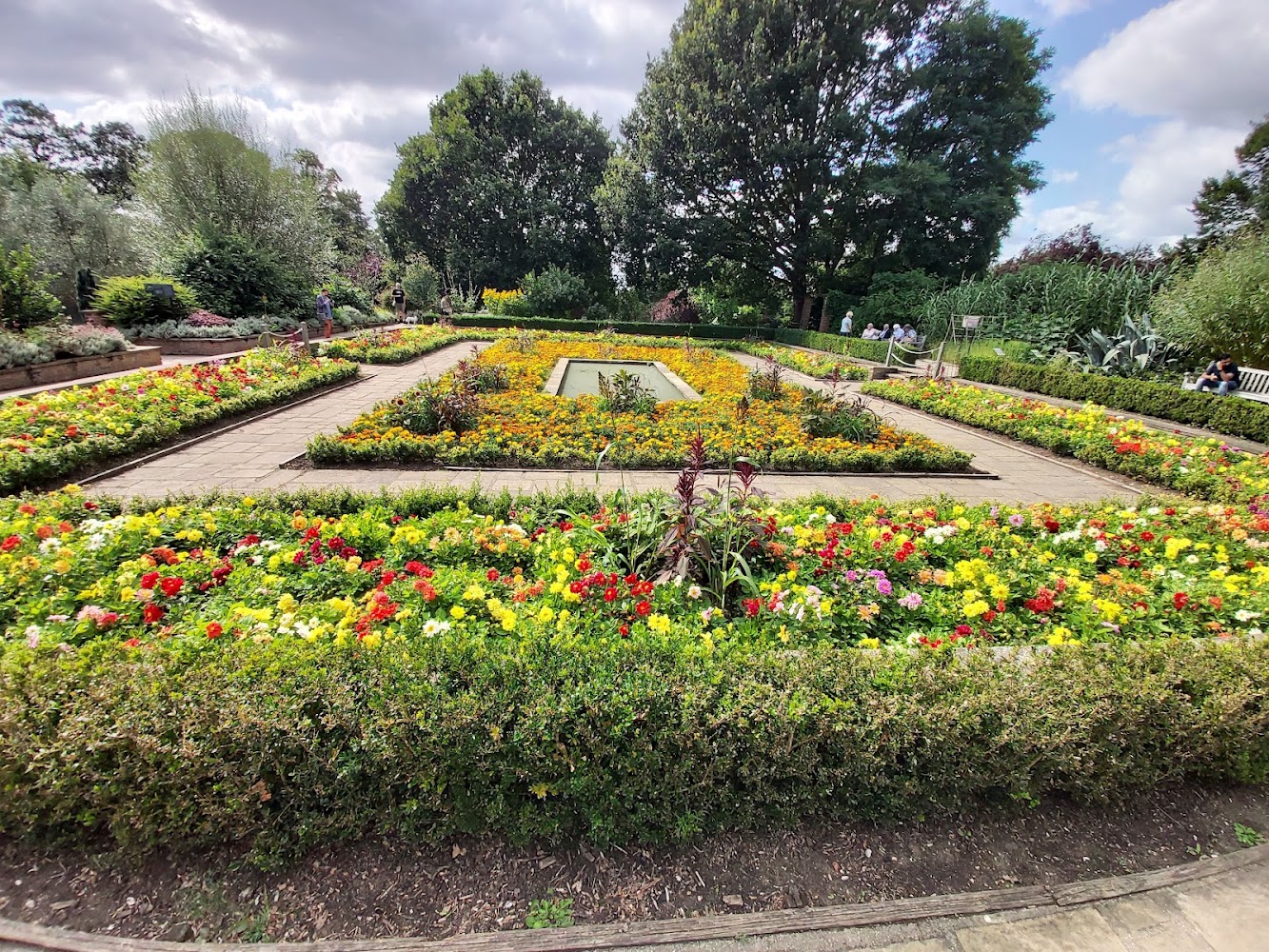
Notice the woodland growing along the former railway corridor, the introduced pond and meadow habitats, and the log-pile area, which is home to mini-beasts including the endangered stag beetle. Do not pick leaves or flowers.
The story
Railway; urban nature recovery
Best time to go
No specific best season is established by the supplied evidence. Check opening status before visiting, especially in unseasonal weather.
The supplied sources do not identify a best time of day. Check current opening information before travelling; the trail may close during bad weather.
How long to spend
1–2 hours
Perfect for
Walkers · Wildlife lovers · Families
Before you go
Address
Phone
Website
Listed hours
- Monday: 9am-4pm
- Tuesday: 9am-4pm
- Wednesday: 9am-4pm
- Thursday: 9am-4pm
- Friday: 9am-4pm
- Saturday: 9am-4pm
- Sunday: 9am-4pm
Check before visiting.
Google rating
Practical information
Opening & access
A roughly half-mile woodland trail within the Horniman Gardens. The Horniman advises visitors to call before visiting to confirm that it is open, as it may close at short notice in bad weather. Do not attempt to exit onto Langton Rise.
Parking
Check before visiting
Check before visiting
Toilets
Check before visiting
Check before visiting
Food & drink
Check before visiting
Check before visiting
Dogs
Dogs are not permitted on the Nature Trail. Guide dogs are allowed.
Accessibility
The entrance by the Kusuma Nature Play Area has a ramp and is described by the Horniman as improved access for visitors who find stairs difficult. The supplied source does not establish that the whole trail is step-free or wheelchair accessible.
Cost
Check before visiting
Check before visiting
Water
Pond
Gallery
Place photographsKeep exploring
Around Horniman Nature Trail
Within 50 km · approximate straight-line distances