Wood Street, Mitcham, CR4 4JT
Spencer Road Wetlands Local Nature Reserve
Mixed-habitat reserve
Source image
5.3
Wildland
Under 1 hour
Time
Check
Cost
Atmospheric
Feel
Why it's Wildland
5.3Once watercress beds on the River Wandle, this small wetland was gradually reclaimed by willow, reeds and other wetland plants after commercial production ended.
A one-hectare reserve with a layered wetland story: former watercress beds, willow carr, reed swamp and a volunteer-built kingfisher nesting bank. It offers a pocket of wetland habitat in an urban setting, but access is limited to organised open days.
Atmospheric · Wild
Find your way
Open mapWood Street, Mitcham, CR4 4JT
Opening map…
Know this place a little better?
The experience
A short, guided-by-signage nature visit along boardwalks and footpaths, with habitat and history to notice along the way. Entry is restricted to regular volunteer-run open days.
Things to do
Follow the Discovery Trail
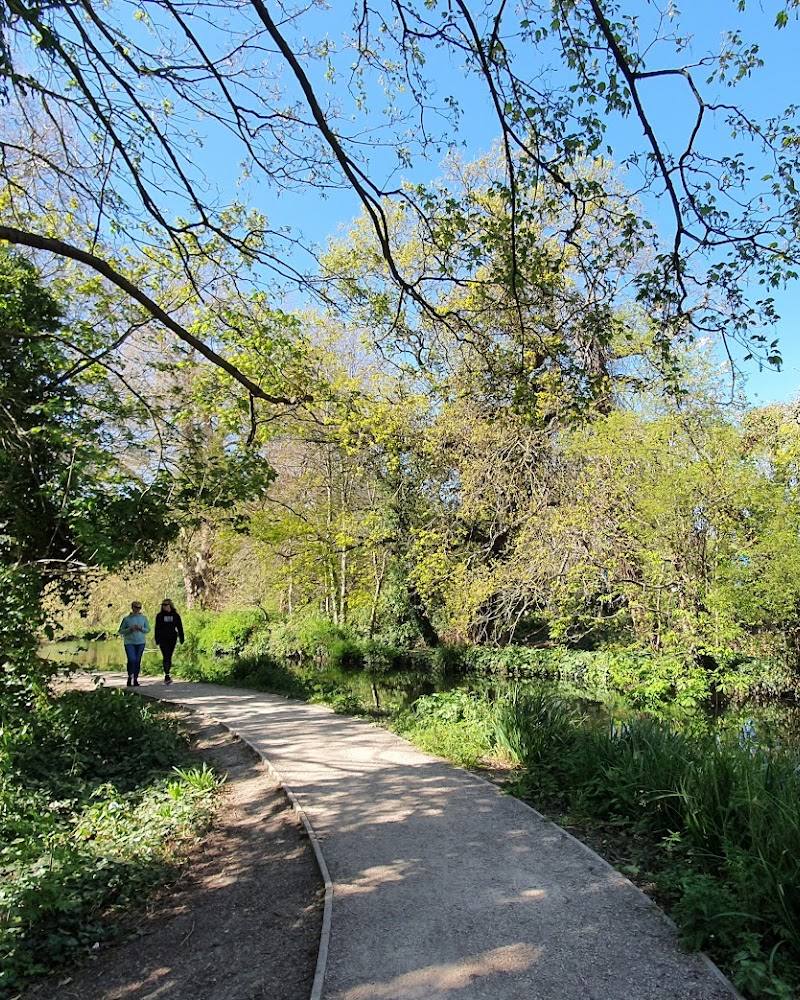
Use the reserve’s trail instructions to follow the boardwalk from the entrance to its numbered points of interest.
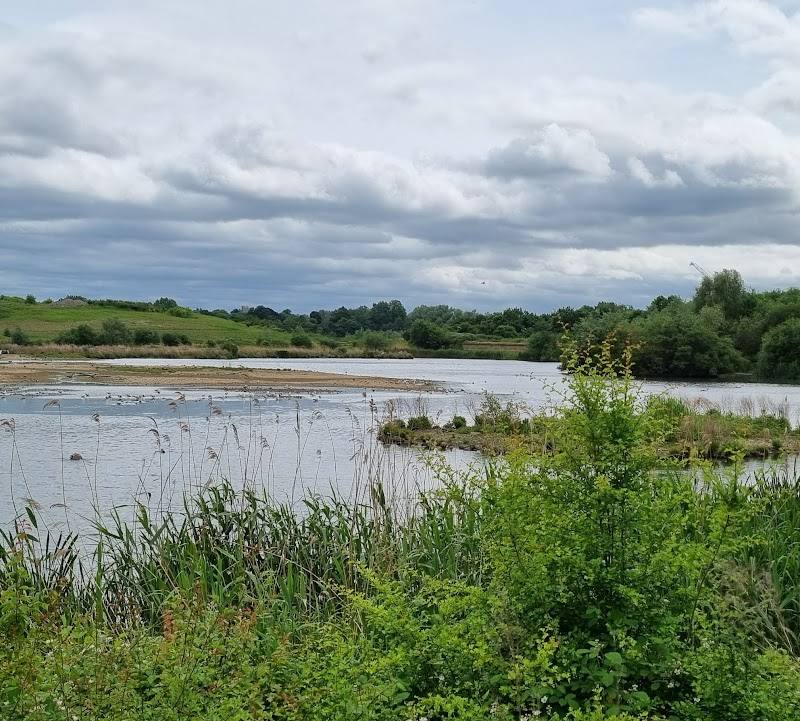
Look across Kingfisher Pond
At Platform 1, look for the artificial kingfisher nesting bank beside the pond. Kingfishers may be seen around the bank, but sightings are not guaranteed.
Compare the wetland habitats
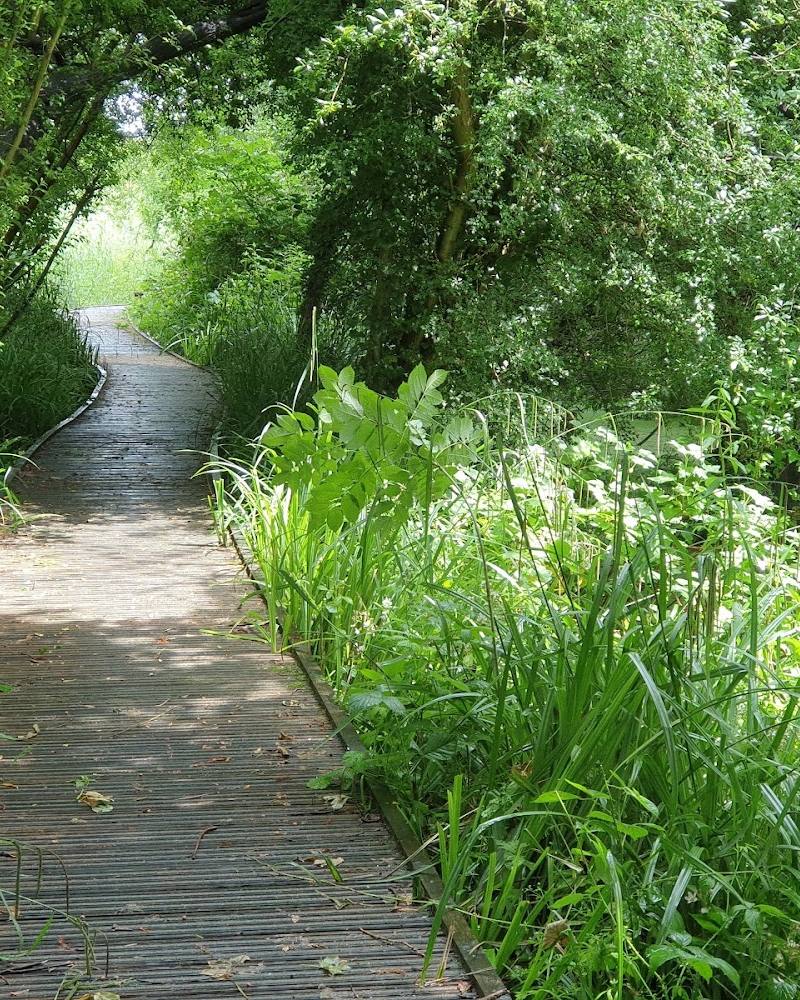
Notice the pond, reed swamp, sedge and wet willow woodland, including the willow carr described in the reserve information.
Look for wetland wildlife
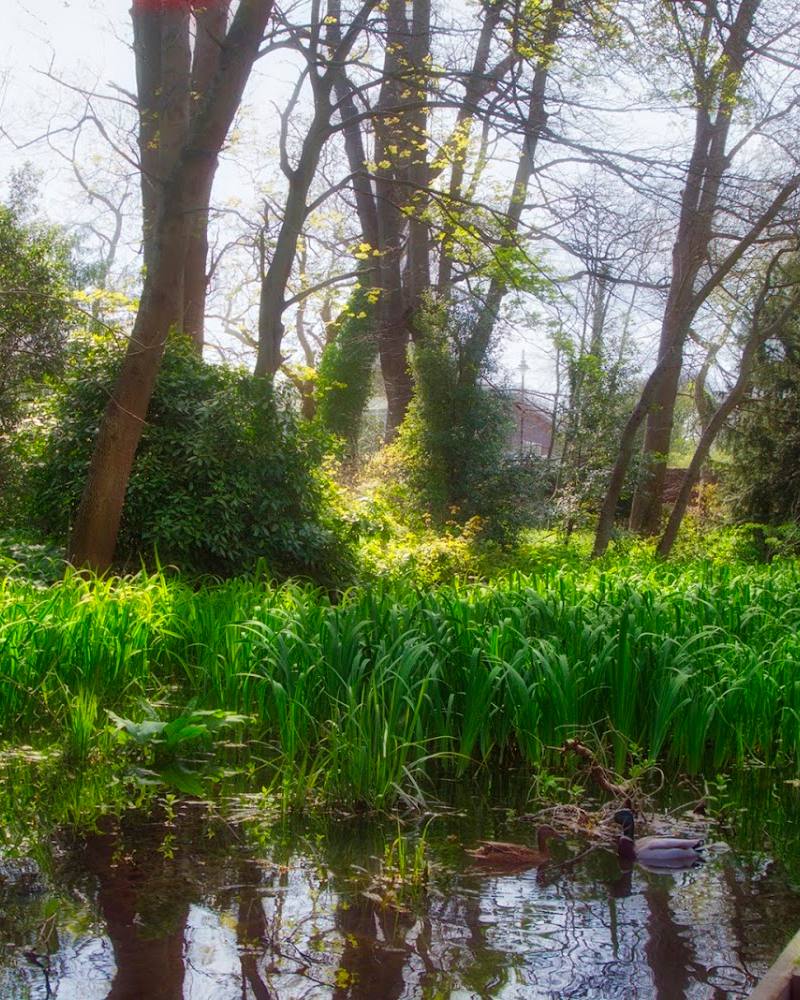
Watch and listen for birds including grey heron, kingfisher and reed warbler; the reserve also records insects such as the banded demoiselle.
Make a day of it
Quick escape · Under 1 hour
Quick wetland discovery
- 01
Visit only on a confirmed volunteer-run open day.
- 02
Follow the reserve’s Discovery Trail from the entrance along the boardwalk.
- 03
At Platform 1, look over Kingfisher Pond towards the artificial nesting bank and identify the surrounding wetland habitats.
Verified history
The land was used for commercial watercress production from at least 1895 until 1959, with controlled flooding creating growing beds. After production ended, wetland vegetation and willow woodland colonised the site. Sutton Conservation Volunteers began habitat-regeneration work in 1988, according to the reserve’s local history; London Wildlife Trust gives 1989 as the start of volunteer work and says it has managed the site since then. The reserve was designated a statutory Local Nature Reserve in 1992. The local reserve history also describes earlier calico bleaching around Hackbridge, where cloth was spread out to whiten in sunlight using water from the Wandle.
Hidden details
The volunteer-built nesting bank — The sandy-coloured mound beside Kingfisher Pond is an artificial nesting bank built by volunteers in 1996. The reserve’s local account says kingfishers have nested there.
A former watercress bed — The pond and wetland habitats occupy land once used for commercial watercress production. The local reserve history describes this as the last remaining watercress bed in the area that has not been built upon.
When to go
April · May · June · July · Visit during a confirmed open day; the supplied sources do not identify a best time of day.
London Wildlife Trust recommends April to July. The local reserve information notes that kingfishers may be seen around the nesting bank in spring and summer.
The boardwalk is described as anti-slip, but current conditions are not supplied. Check before visiting, particularly after wet weather.
Worth pairing with
Wilderness Island
London Wildlife Trust lists this nature reserve one mile away. Check its own access details before planning a combined visit.
What to look for
- 01
At Platform 1, look across Kingfisher Pond towards the artificial kingfisher nesting bank. Notice the contrast between pond, reed swamp, sedge and willow carr
- 02
the site also lists grey heron, kingfisher, reed warbler, banded demoiselle and watercress.
The story
Industry, Agriculture
Best time to go
April to July
April to July is the recommended visiting period. Check the local volunteer group’s open-day information before setting out.
How long to spend
Under 1 hour
Perfect for
Wildlife lovers · Photographers
Before you go
Address
Phone
Website
Listed hours
- Monday: Closed
- Tuesday: Closed
- Wednesday: Closed
- Thursday: Closed
- Friday: Closed
- Saturday: 11am-1:30pm
- Sunday: Closed
Check before visiting.
Google rating
Practical information
Opening & access
Access is restricted to regular open days run by the local volunteer group. Check the reserve’s website before visiting; do not assume it is open on a particular day.
Check before visiting
Parking
Street parking is available in Spencer Road. Check local restrictions before parking.
Check before visiting
Toilets
Check before visiting
Check before visiting
Food & drink
Check before visiting
Check before visiting
Dogs
No dogs permitted.
Accessibility
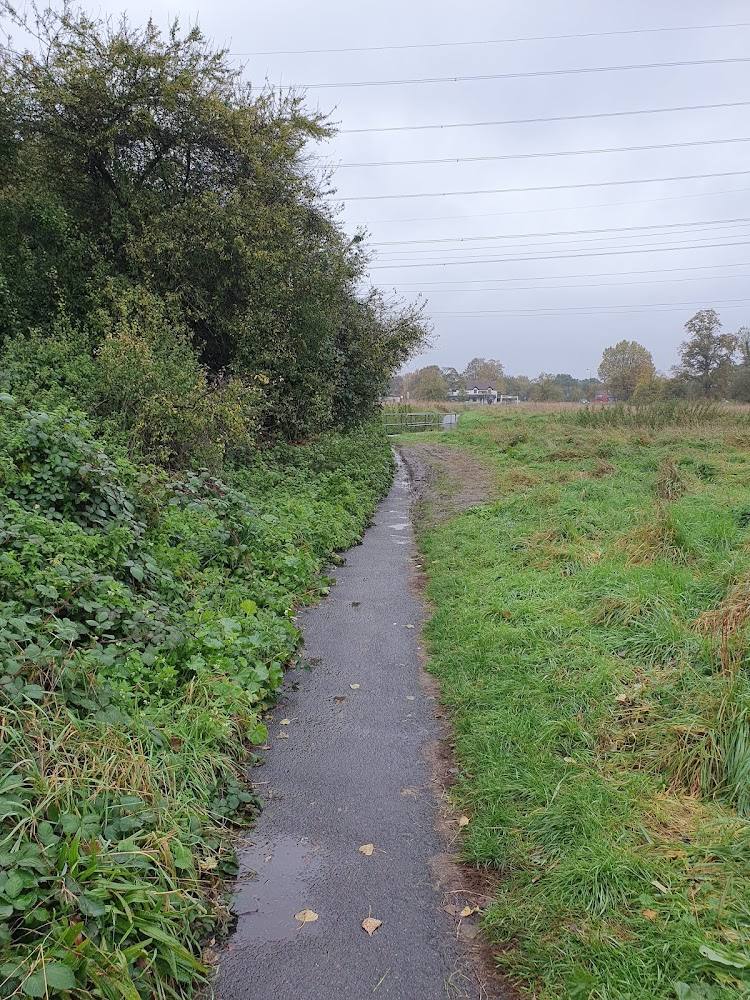
The reserve is described as flat and step-free, with anti-slip boardwalks and footpaths. Most of the reserve is reported as wheelchair accessible; check current conditions before visiting.
Check before visiting
Cost
Check before visiting
Check before visiting
Water
Pond
Gallery
Place photographsKeep exploring
Around Spencer Road Wetlands Local Nature Reserve
Within 50 km · approximate straight-line distances