7.4
Wildland
30 minutes to 90 minutes for the three waymarked routes described by the sources
Time
Check
Cost
Wild
Feel
Why it's Wildland
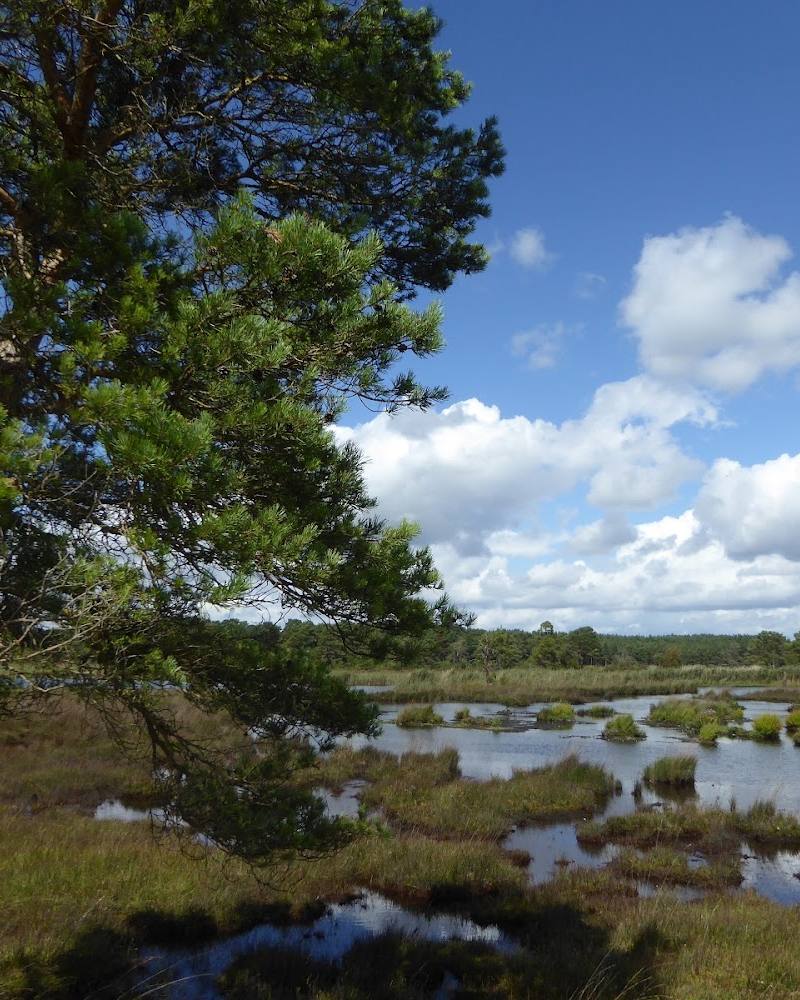
7.4Once a conifer plantation, Farnham Heath has been restored as heathland. In summer, its heather turns the open ground violet and purple; the reserve also protects habitats used by species including nightjars, Dartford warblers and field crickets.
This heath earns its place through a visible restoration story and a rare mix of open heath, acid grassland and woodland. Come for the summer heather, or take a waymarked route that crosses several habitats; the shorter orange trail is mostly level, while longer routes become rougher or steeper.
Wild · Peaceful · Seasonal
Find your way
Open mapThe Reeds Road, Farnham, Surrey GU10 2DL
Opening map…
Know this place a little better?
The experience
Choose a waymarked loop to suit your time and footing: the orange route is the shortest and most accessible option described by the sources, while the longer green route crosses heath, acid grassland and bluebell woodland. In summer, look out for heather and, from June to October when the event is running, the Heathland Artworks Trail.
Things to do
Walk the orange route
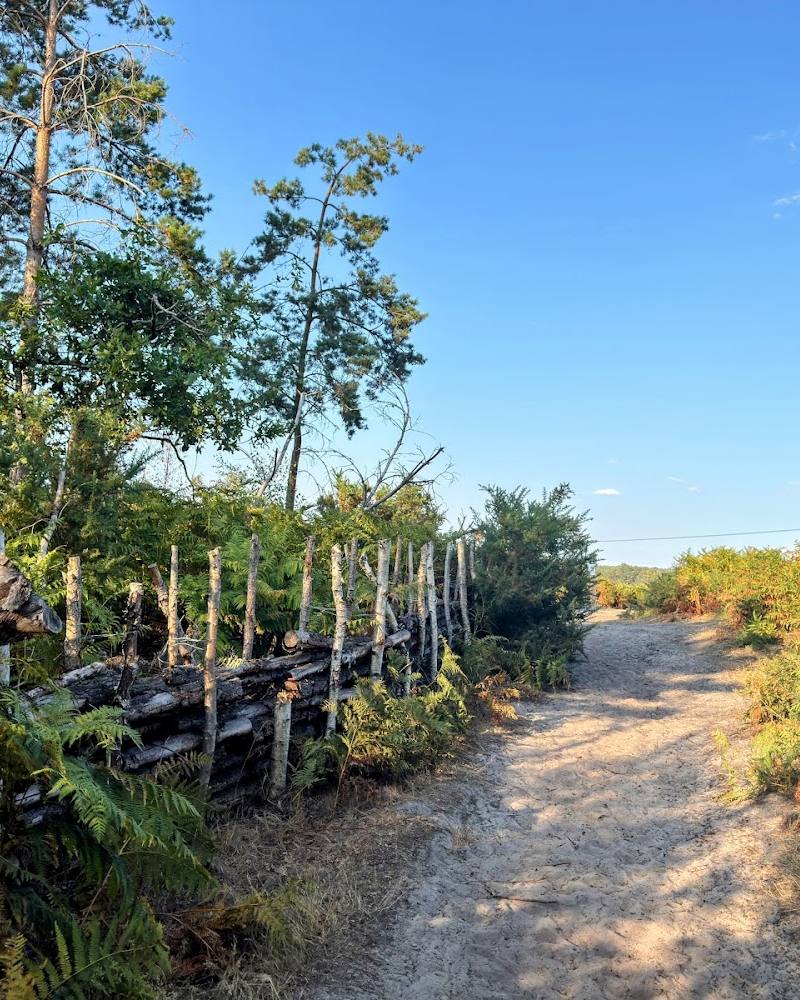
Follow the 0.75-mile waymarked loop. It is mostly fairly level and surfaced for much of its length, with one short gradient; wet weather can make it muddy.
30 minutes
Cross the heath on the green route
The 2-mile route passes through acid grassland, bluebell woodland and heath. The RSPB notes muddy patches and some steep inclines.
90 minutes
Look and listen for heathland wildlife
Watch and listen for species named by the RSPB, including nightjar, Dartford warbler, stonechat, tree pipit and woodlark. Field crickets can be heard from April to July, according to the RSPB.
Find the Heathland Artworks
A circular trail has featured temporary student installations responding to the heath’s wildlife, flora and history. The supplied 2026 event source lists the exhibition from 26 June to 31 October; verify whether it is running before visiting.
45 minutes for a separate walk guide’s circular route; allow extra time to explore installations
Make a day of it
Quick escape · 30 minutes; 0.75 mile (1 km)
A short loop across the heath
- 01
Use the orange waymarked loop for the shortest route described by the sources.
- 02
Take in the open heath and look for seasonal colour or wildlife from the path.
- 03
Expect one short gradient; the route is mostly level and surfaced for much of its length, but can become muddy in wet weather.
Half day · Allow about 90 minutes for the 2-mile (3 km) green route; longer if stopping to watch wildlife.
The longer heath-and-woodland circuit
- 01
Follow the green waymarked route across heath and acid grassland.
- 02
Continue through the bluebell woodland section.
- 03
Pause to watch and listen for heathland and woodland wildlife; expect some muddy patches and steep inclines.
Verified history
The RSPB says it bought the land in 2002, when it had been used to grow conifers for timber. The conifers shaded out the heather and heathland species; the reserve has since been restored to heathland. The RSPB also describes acid grassland, woodland and coppice habitats at the site.
Hidden details
A landscape changed from timber plantation to heath — The open heath is a restored landscape: before the RSPB bought the land in 2002, conifers grown for timber had shaded out the heather and displaced heathland species.
Field crickets in the acid grassland — The RSPB says field crickets can be heard from April to July and identifies Farnham as one of only eight UK sites where the species is found. Listen from the path rather than leaving it.
Temporary art among the heath — The supplied Surrey Hills Arts page describes an annual trail of student-made installations responding to local wildlife, flora and history. Its supplied 2026 dates are 26 June–31 October; check the current programme before making a special trip.
When to go
April · May · June · July · August · No source-supported best time of day; check current reserve and car park arrangements before setting out.
The RSPB says heather is at its best in July and August. Field crickets can be heard from April to July. Spring also brings bluebells along the green route, according to the Surrey Hills National Landscape.
Wet weather can make routes muddy; the purple route includes soft ground and tree roots, and the green route has muddy patches. The orange route has one short gradient.
Worth pairing with
Rural Life Living Museum
The neighbouring museum is the stated location of the car park and facilities including toilets; a café is also listed nearby. Check the museum’s opening arrangements before relying on parking, toilets or refreshments.
What to look for
Look for flowering heather in July and August, listen for field crickets from April to July, and watch for heathland birds such as stonechats, woodlarks and nightjars. The green route also passes acid grassland and bluebell woodland. In years when it runs, the Heathland Artworks Trail adds temporary installations to the walk.
The story
Heathland restoration and conservation
Best time to go
July–August for flowering heather; April–July for the field cricket’s calls. The reserve can be visited throughout the year, subject to practical access arrangements.
July and August for heather in bloom. April to July is the season when field crickets can be heard. The Heathland Artworks Trail has been listed for June to October; check current-year event details before setting out.
How long to spend
30 minutes to 90 minutes for the three waymarked routes described by the sources; allow longer for wildlife watching or the artworks trail.
Perfect for
Walkers · Wildlife lovers · Families · Photographers
Before you go
Address
Phone
Website
Listed hours
- Monday: Open 24 hours
- Tuesday: Open 24 hours
- Wednesday: Open 24 hours
- Thursday: Open 24 hours
- Friday: Open 24 hours
- Saturday: Open 24 hours
- Sunday: Open 24 hours
Check before visiting.
Google rating
Practical information
Opening & access
RSPB reserve with waymarked trails. The main car park belongs to the neighbouring Rural Life Living Museum and is open on varying days; check its website before travelling. A lay-by on The Reeds Road is also described by a walk guide as an option outside museum opening hours.
Check before visiting
Parking
The main car park belongs to the neighbouring Rural Life Living Museum and is open on varying days. The RSPB notes six Blue Badge spaces and a large grass car park, partly surfaced. Check museum opening arrangements before travelling; a walk guide also describes a roadside lay-by option.
Check before visiting
Toilets
At the neighbouring Rural Life Living Museum; check its opening arrangements.
Check before visiting
Food & drink
A café at the neighbouring Rural Life Living Museum is listed by the Surrey Hills National Landscape. Check opening arrangements.
Check before visiting
Dogs
Dogs are welcome; keep to footpaths and bridleways. Assistance dogs are welcome throughout the reserve.
Accessibility
The orange route is a 0.75-mile loop, mostly level and surfaced for much of its length, with one short gradient; it has been used by wheelchair users with a helper. The RSPB says gates are wheelchair-operable and there are no stiles, steps or width restrictions. The purple route has roots and soft ground; the green route has muddy patches and steep inclines. Accessible toilets are at the neighbouring museum.
Cost
Free entry; donations welcomed, according to Surrey Hills National Landscape. Check current details.
Check before visiting
Gallery
Place photographs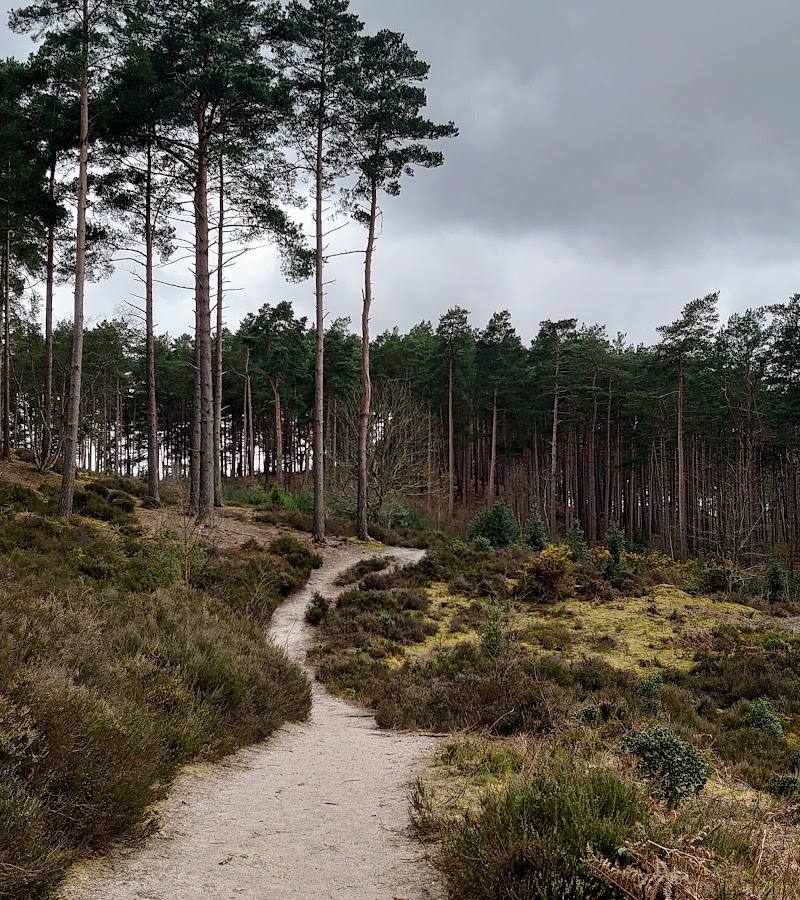
Keep exploring
Around RSPB Farnham Heath
Within 50 km · approximate straight-line distances