4.3
Wildland
Under 1 hour
Time
Check
Cost
Peaceful
Feel
Why it's Wildland
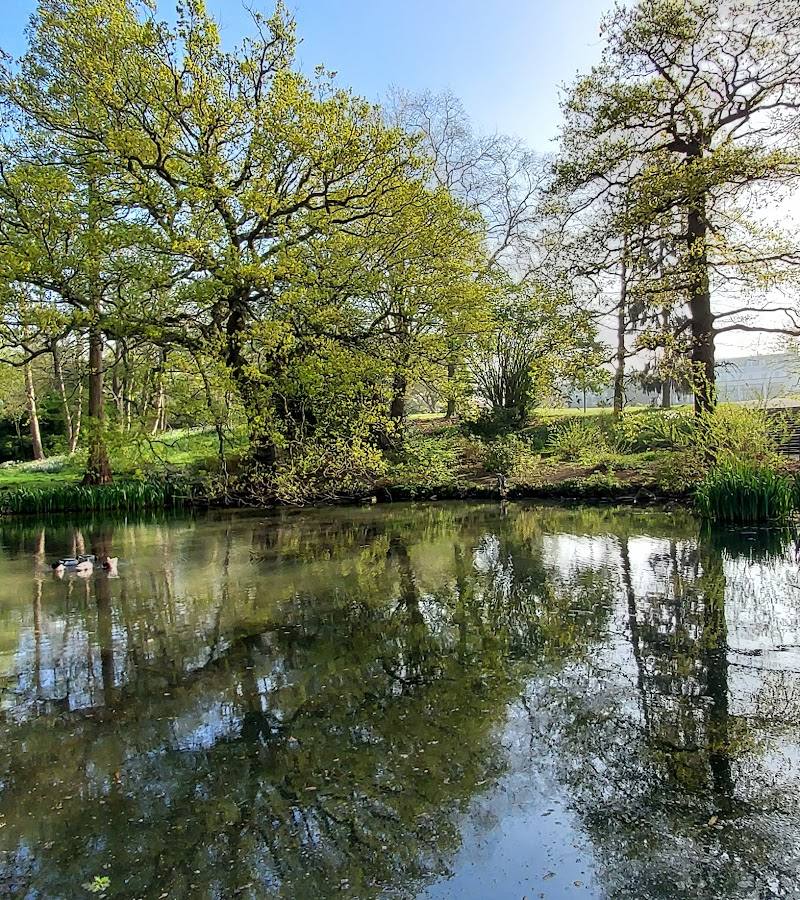
4.3A deep, tree-framed mere with a surprisingly dark local past: the marshy ground here was once a duelling spot, until a fatal encounter in 1838 brought the practice to an end.
Queen's Mere earns its place for the contrast between a quiet, mature-tree setting and a vivid piece of Commons history. In summer, yellow water-lilies and shoals of young fish bring the water to life.
Peaceful · Atmospheric
Find your way
Open mapQueensmere Road, London SW19 5QS
Opening map…
Know this place a little better?
The experience
A short stop to take in the tree-lined water, look for summer water-lilies and learn about the former duelling ground. No route or visitor facilities are verified in the supplied research.
Things to do
Look for summer water-lilies
The Commons’ ponds page reports a prominent stand of yellow water-lilies at Queensmere in summer, with white water-lilies nearby.
Watch the water for fish
The source describes Queensmere as rich in fish life; on warm summer days, shoals of yearling fish may sometimes be visible just below the surface.
Consider the former duelling ground
The area was a focal point for duels in the 1830s. In 1838 a man was shot dead there, after which duelling was prohibited.
Make a day of it
Quick escape · Under 1 hour
A quiet look at the mere
- 01
Check access arrangements before setting out.
- 02
Spend time taking in the mature trees around the water.
- 03
In summer, look for yellow water-lilies and watch for young fish near the surface.
Verified history
The Commons’ account says Queensmere was created to commemorate Queen Victoria’s Diamond Jubilee. It was excavated from flat, marshy grassland crossed by a stream. In the 1830s, the area became a focal point for duels; after a man was shot dead there in 1838, duelling was prohibited.
Hidden details
A stream once crossed the marshy ground — Before the mere was excavated, the site was flat marshy grassland crossed by a stream, according to the Commons’ account.
A duelling history — The area was used for duels in the 1830s. A fatal shooting in 1838 preceded the prohibition of duelling described by the Commons.
When to go
June · July · August · A warm summer day for the reported water-lilies and chance of seeing young fish near the surface.
The source specifically notes the yellow water-lilies in summer and that young fish can sometimes be seen on warm summer days.
No specific weather or path-condition information is available in the supplied research. Check before visiting.
What to look for
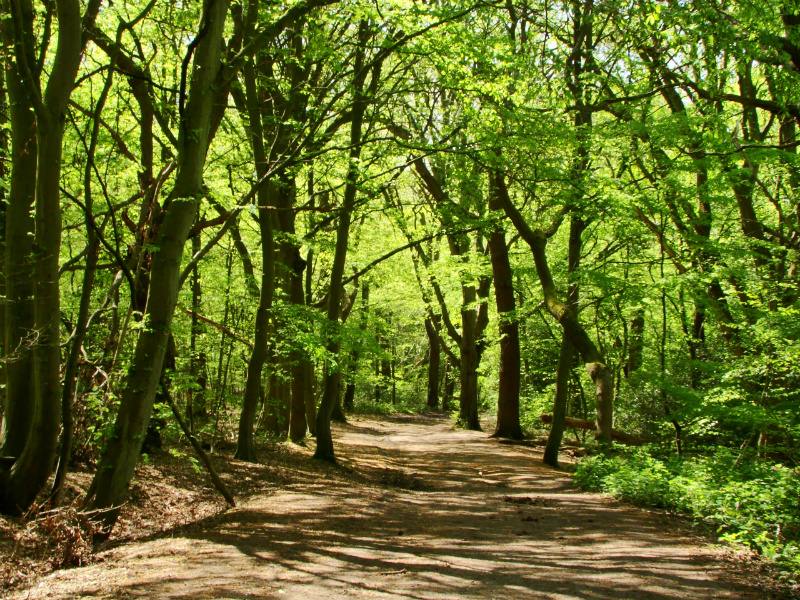
Look for the mature trees framing the water and, in summer, the reported stand of yellow water-lilies. The source also notes white water-lilies nearby and that young fish can sometimes be seen just below the surface.
The story
Crime & punishment
Best time to go
Summer
Summer, when yellow water-lilies are reported in bloom. Check current access before making a special trip.
How long to spend
Under 1 hour
Perfect for
Walkers · Photographers · Wildlife lovers
Before you go
Practical information
Opening & access
The supplied location identifies Queen's Mere on Wimbledon and Putney Commons. The Commons’ website describes the mere, but the supplied research does not confirm visitor access arrangements or opening details. Check before visiting. Access arrangements are unconfirmed. Check before visiting; do not enter private land or restricted structures.
Check before visiting
Parking
Check before visiting; parking availability and arrangements are unverified.
Check before visiting
Toilets
Check before visiting.
Check before visiting
Food & drink
Check before visiting.
Check before visiting
Dogs
Check before visiting.
Check before visiting
Accessibility
The source row reports a wheelchair-accessible entrance and on-site parking, but these details have not been confirmed by the supplied relevant source. Check current access and path conditions before visiting.
Check before visiting
Cost
Check before visiting
Check before visiting
Water
Lake
Gallery
Place photographsKeep exploring
Around Queen's Mere
Within 50 km · approximate straight-line distances