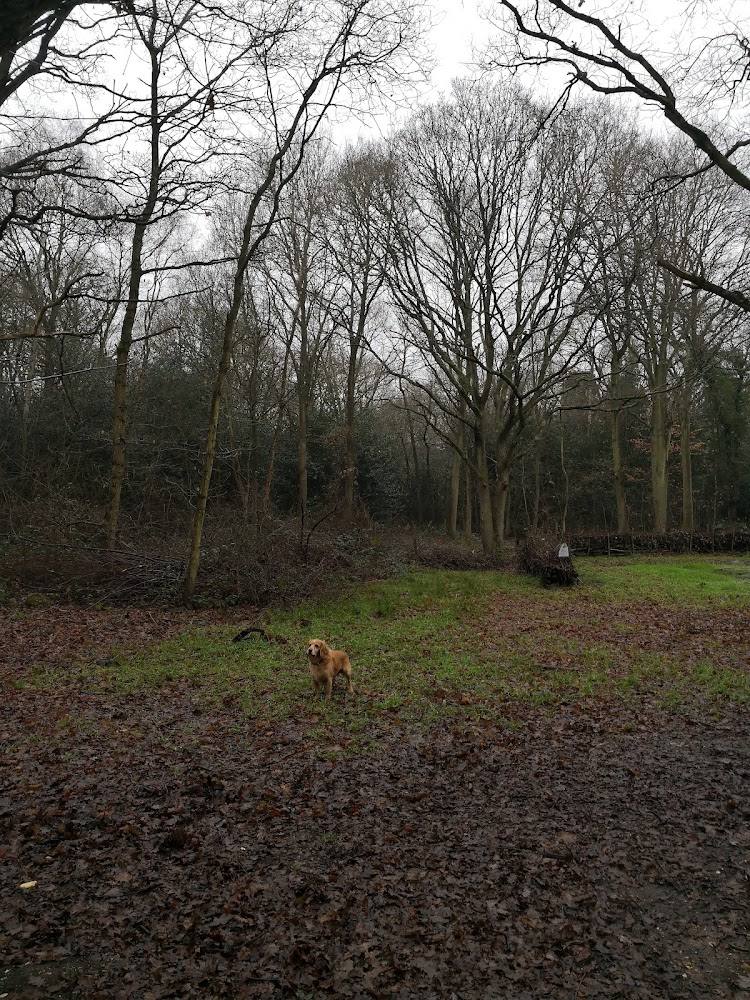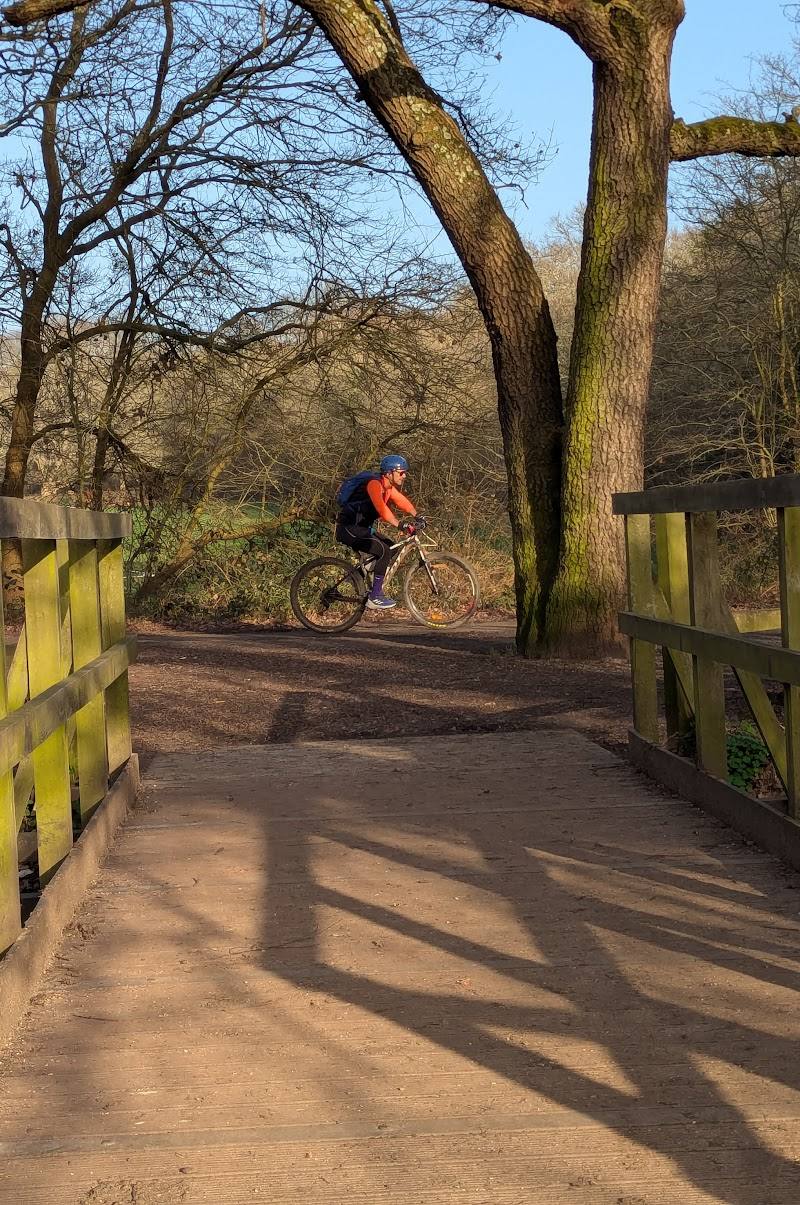
Wimbledon Common, near Robin Hood Road, London SW19 5NR
Farm Bog
Bog
Place photograph
6.7
Wildland
Under 1 hour
Time
Check
Cost
Peaceful
Feel
Why it's Wildland
6.7A small, easily overlooked valley mire on Wimbledon Common—and one of London’s six remaining lowland bogs. Its peat is more than two metres deep and has built up over at least 6,000 years.
Farm Bog is a rare fragment of lowland bog hidden within a busy London common. Its value lies in the contrast: a fragile, constantly wet habitat shaped by spring-water seepage and thousands of years of peat formation, best appreciated quietly from the surrounding paths.
Peaceful · Atmospheric
Find your way
Open mapWimbledon Common, near Robin Hood Road, London SW19 5NR
Opening map…
Know this place a little better?
The experience
Follow the surrounding common paths to view the bog without entering it. Farm Bog has no paths across it, and visitors are asked to keep off the fragile habitat.
Things to do
View the mire from the surrounding paths
Approach from the east via the footpath from Sunset Road or from the west via Robin Hood Road. Keep to the surrounding paths; there are no paths across the bog, and visitors are asked not to walk over it.
Look for the bog’s wet hollows and pools
From the paths, look for the gullies and pools associated with acidic, nutrient-poor spring water seeping through a gravelly slope onto clay.
Make a day of it
Quick escape · Check before visiting
A quiet look at Farm Bog
- 01
Reach the reserve from the surrounding Wimbledon Common paths, approaching from Sunset Road or Robin Hood Road.
- 02
View the bog from the paths. There are no footpaths across it, and visitors are asked not to walk over the fragile habitat.
- 03
Notice the wet hollows and pools associated with the spring-water seepage that sustains the mire.
Verified history
Farm Bog is a valley mire on Wimbledon Common. London Wildlife Trust reports that its specialised plant community grows in a peat layer more than two metres deep, formed over at least 6,000 years. Since the 1980s, Trust volunteers have worked under an agreement with the Conservators to manage the habitat, chiefly by controlling reed and scrub growth that would otherwise turn the bog into wet woodland. The reserve is owned by the Conservators of Wimbledon and Putney Commons and managed by London Wildlife Trust volunteers.
Hidden details
A deep peat record beneath a small reserve — The peat layer is more than two metres deep and formed over at least 6,000 years, according to London Wildlife Trust.
The bog is fragile and should be viewed from outside — There are no paths across Farm Bog. The Trust asks visitors not to walk over it, although it can be seen from paths crossing Wimbledon Common.
When to go
March · April · May · June · July · August · September · October · November · No specific time of day is stated by the supplied source.
London Wildlife Trust lists March to November as the best time to visit. The source does not specify a seasonal wildlife highlight or peak week.
Farm Bog is reported to remain mostly wet throughout the year, even during drought. Check conditions before setting out.
What to look for
From the surrounding paths, look for the bog’s wet hollows and pools, formed where acidic, nutrient-poor spring water seeps down a gravelly slope onto underlying clay. Do not walk onto the bog.
The story
Peat formation and habitat management
Best time to go
March–November, according to London Wildlife Trust.
London Wildlife Trust recommends March to November. The supplied source gives no more specific time-of-day advice.
How long to spend
Under 1 hour
Perfect for
Walkers · Wildlife lovers · Photographers
Before you go
Address
Website
Listed hours
- Monday: Open 24 hours
- Tuesday: Open 24 hours
- Wednesday: Open 24 hours
- Thursday: Open 24 hours
- Friday: Open 24 hours
- Saturday: Open 24 hours
- Sunday: Open 24 hours
Check before visiting.
Google rating
Practical information
Opening & access
London Wildlife Trust says Farm Bog can be reached from the surrounding Wimbledon Common paths, via footpaths from Sunset Road to the east or Robin Hood Road to the west. There are no paths into the bog itself; visitors are asked not to walk over this fragile habitat. Check current access information before visiting.
Check before visiting
Parking
Check before visiting
Check before visiting
Toilets
Check before visiting
Check before visiting
Food & drink
Check before visiting
Check before visiting
Dogs
Dogs on a lead, according to London Wildlife Trust.
Accessibility
Check before visiting. The source describes access by footpaths but gives no surface or accessibility details.
Check before visiting
Cost
Check before visiting
Check before visiting
Water
Marsh
Gallery
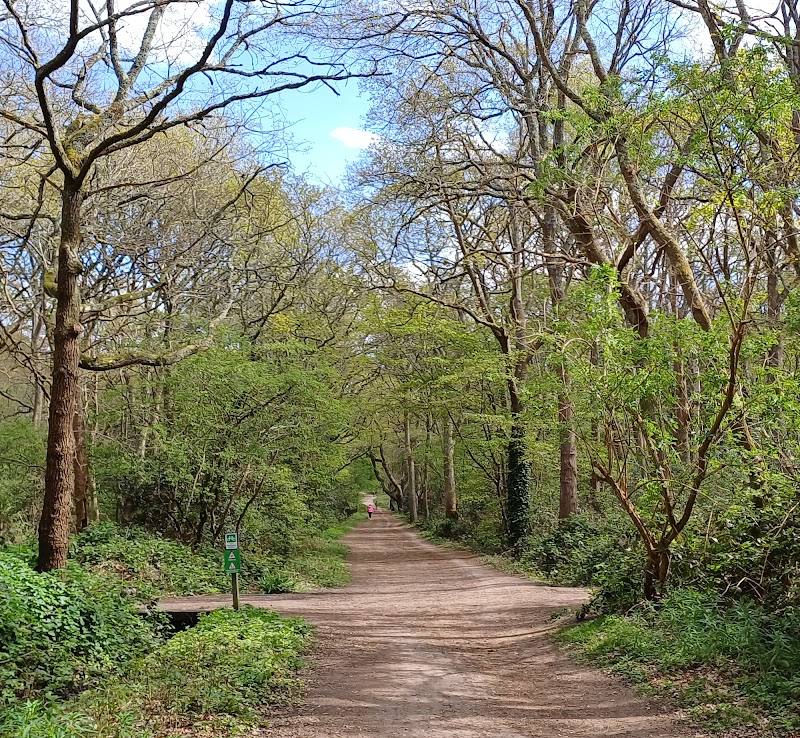
Place photographs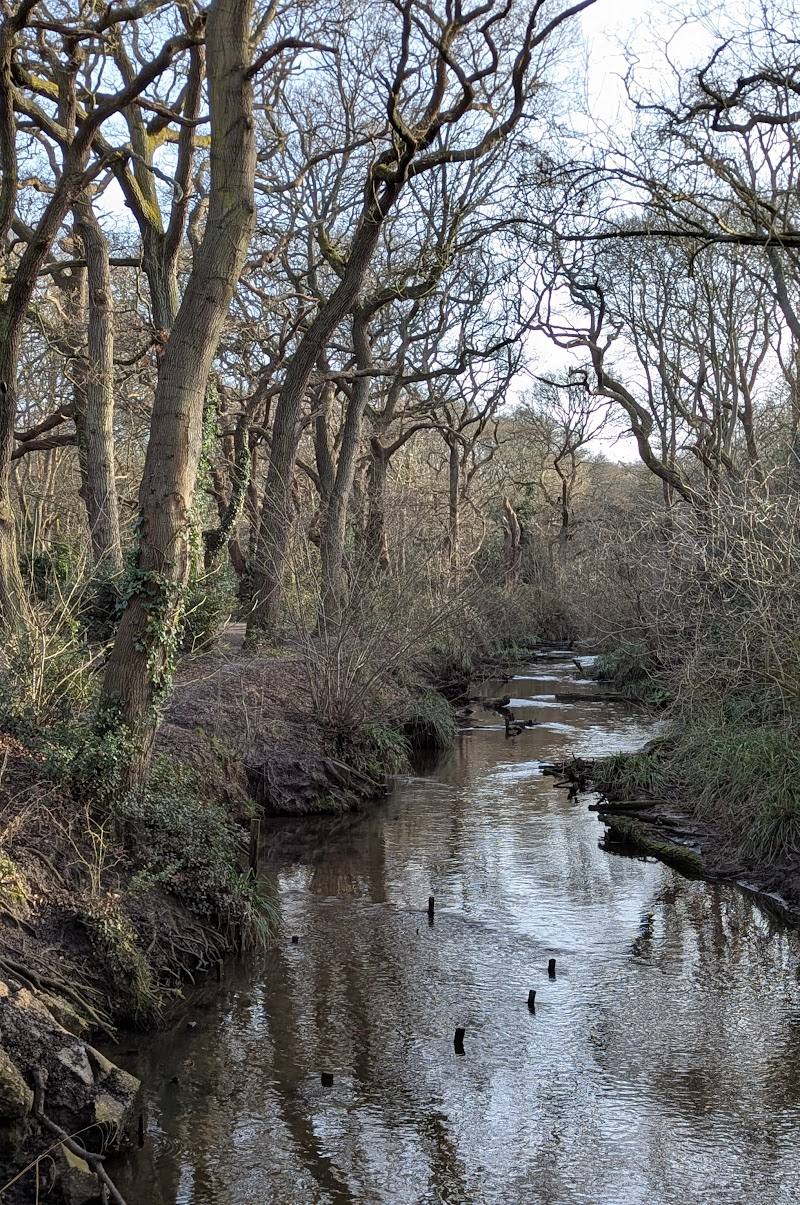
Keep exploring
Around Farm Bog
Within 50 km · approximate straight-line distances