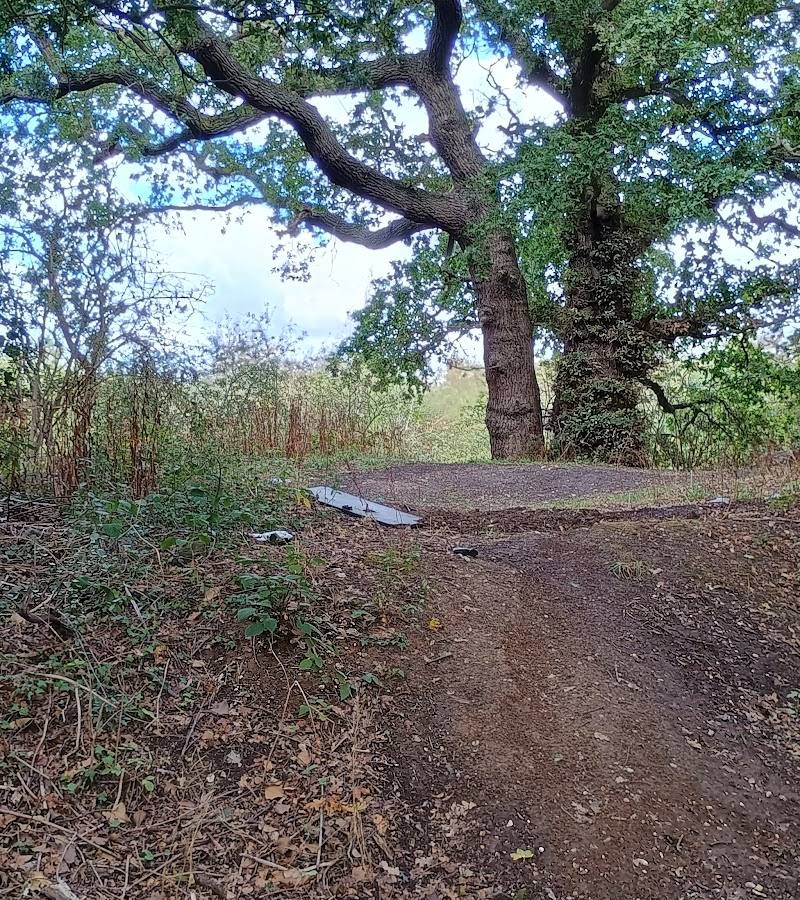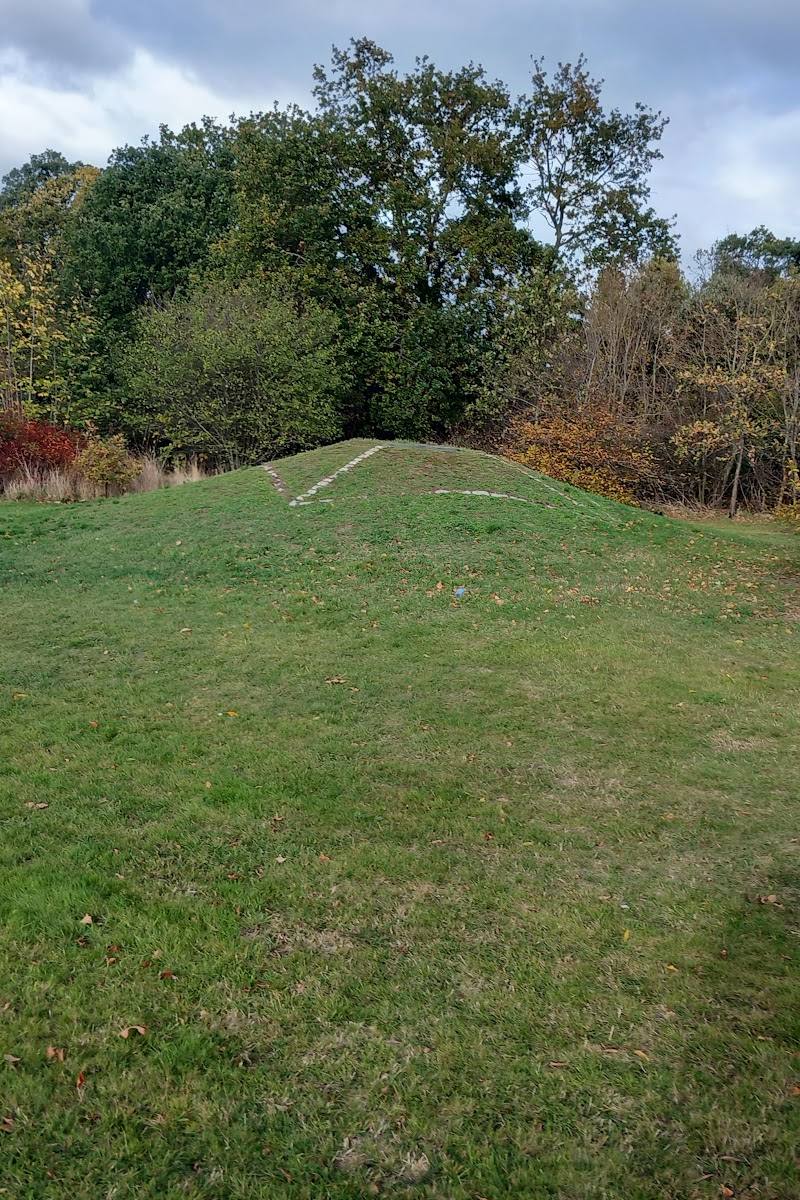
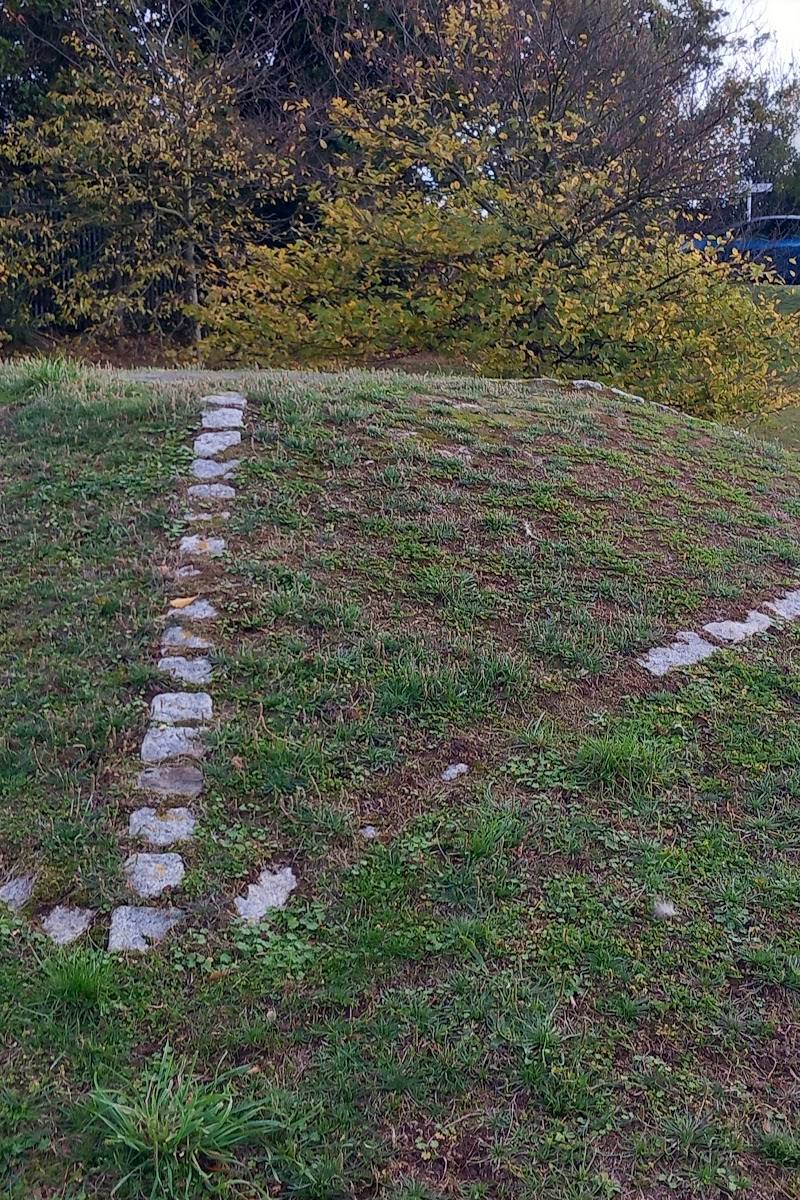
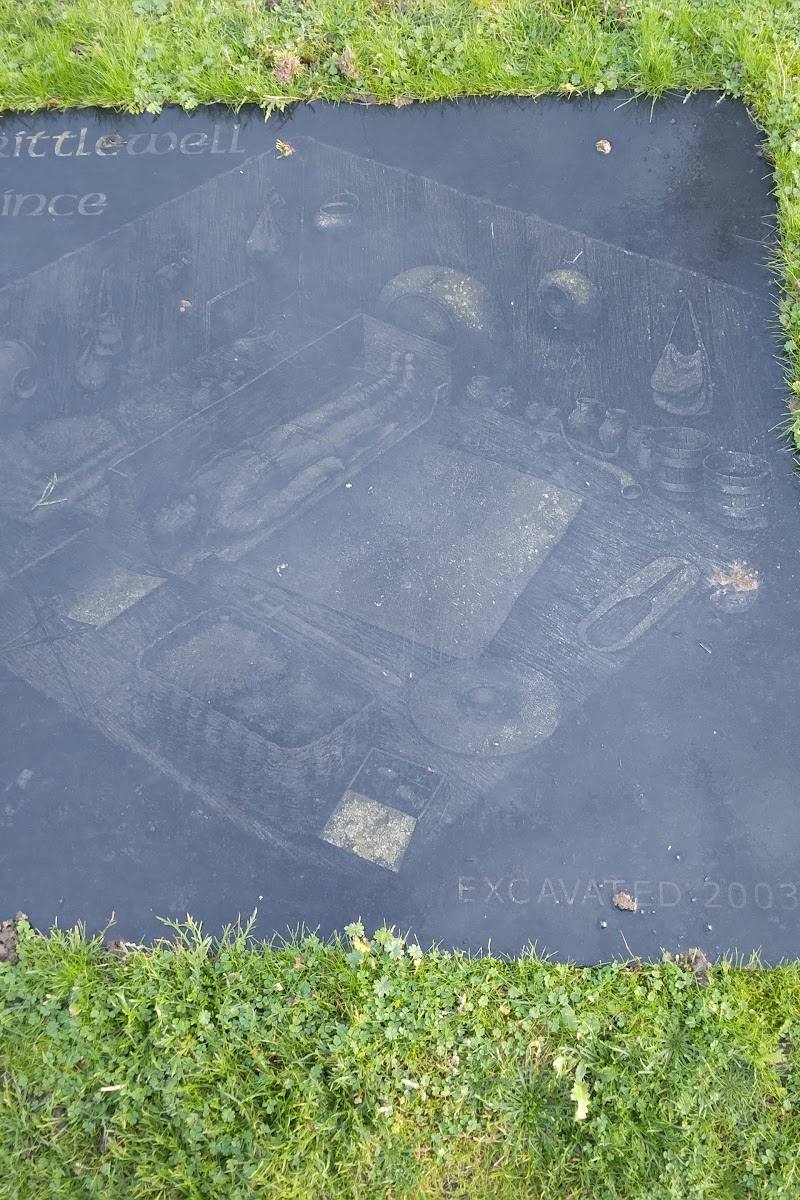
Prittlewell, Southend-on-Sea, Essex, SS2 6QN
Prittlewell royal Anglo-Saxon burial
Anglo-Saxon
Place photograph
4.0
Wildland
Under 1 hour
Time
Check
Cost
Atmospheric
Feel
Why it's Wildland
4.0A road-widening survey in 2003 uncovered an intact Anglo-Saxon burial chamber, with a copper-alloy hanging bowl still on its hook. The grave goods suggest a high-status burial dating to around AD 580–605, but the person buried there has not been conclusively identified.
This is a powerful place for archaeological discovery rather than a scenic day out: an early Anglo-Saxon burial, carefully excavated and studied, whose objects reveal long-distance connections and a moment of religious change. The burial site’s visitor access is not confirmed, so the official online chamber and the museum display are the clearest sourced ways to explore it.
Atmospheric
Find your way
Open mapPrittlewell, Southend-on-Sea, Essex, SS2 6QN
Opening map…
Know this place a little better?
The experience
Explore the burial chamber through the official online experience, then, if you are making a museum visit, see a selection of the finds on permanent display at Southend Central Museum. The burial-site pin is not confirmed as a public entrance.
Things to do
Explore the chamber online
Use the official online chamber experience to investigate the burial and its archaeological story.
Under 1 hour
See the selected burial finds
Southend Museums says a selection of objects from the chamber is on permanent display at Central Museum. Check current visitor arrangements before travelling.
Make a day of it
Quick escape · Under 1 hour
Explore the burial chamber online
- 01
Open the official Prittlewell Princely Burial website.
- 02
Use its chamber experience to explore the burial and its discoveries.
Half day · Check before visiting
See selected finds at Southend Central Museum
- 01
Check current museum visitor information before setting out.
- 02
See the selection of Prittlewell burial objects on permanent display.
Verified history
MOLA excavated the burial in 2003. The chamber contained a wooden coffin and a rich group of objects. Dating evidence places the burial around AD 580–605. Two gold foil crosses found near the head were thought to have been placed over the deceased’s eyes. The grave goods include a copper-alloy hanging bowl found still attached to a hook, and objects with long-distance connections. The individual’s identity is not established by the supplied official source. A selection of finds is on permanent display at Southend Central Museum.
Hidden details
The bowl still on its hook — During excavation, archaeologists found a copper-alloy hanging bowl still attached to a hook, evidence that it had hung from a chamber wall.
Two crosses and an early date — Two gold foil crosses near the head of the coffin were thought to have been placed over the deceased’s eyes. Dating evidence places the burial around AD 580–605, before the Augustinian mission of AD 597.
Objects travelled a long way — The official museum account says the flagon may have been acquired by a pilgrim to the shrine of St Sergius in Syria, while the basin came from the Eastern Mediterranean.
When to go
· No seasonal or time-of-day advantage is established; check museum arrangements before visiting.
The online chamber can be explored year-round. The sources do not establish a seasonal reason to visit the physical location.
Weather is not relevant to the online chamber. For an in-person visit, check access and visitor arrangements before travelling.
Worth pairing with
Southend Central Museum
A selection of objects from the Prittlewell burial is on permanent display here, according to Southend Museums. Check current visitor arrangements before planning a visit.
What to look for
- 01
In the burial story, look for the hanging bowl found still attached to its hook
- 02
two gold foil crosses thought to have been placed over the deceased’s eyes
- 03
imported vessels
- 04
and the remains and fittings of a lyre. A selection of objects is displayed at Southend Central Museum
- 05
the official online chamber experience provides another way to explore the discoveries.
The story
Archaeology
Best time to go
Year-round for the online chamber and museum display; check current arrangements before visiting in person.
There is no evidenced seasonal advantage. Check the official website and museum information before planning an in-person visit.
How long to spend
Under 1 hour
Perfect for
History lovers
Before you go
Practical information
Opening & access
The burial was excavated at Prittlewell; the supplied sources do not confirm visitor access to the burial site itself. The official burial website offers an online chamber experience, and a selection of finds is on permanent display at Southend Central Museum. Check current access and museum arrangements before travelling. Access arrangements are unconfirmed. Check before visiting; do not enter private land or restricted structures.
Check before visiting
Parking
Check before visiting
Check before visiting
Toilets
Check before visiting
Check before visiting
Food & drink
Check before visiting
Check before visiting
Dogs
Check before visiting
Check before visiting
Accessibility
Accessibility information for the burial site and museum display is not established by the supplied sources. Check before visiting.
Check before visiting
Cost
Check before visiting
Check before visiting
Gallery
Place photographsKeep exploring
Around Prittlewell royal Anglo-Saxon burial
Within 50 km · approximate straight-line distances