
Fossetts Way, Southend-on-Sea, SS2 4HF
Prittlewell Camp (Hillfort)
Earthworks
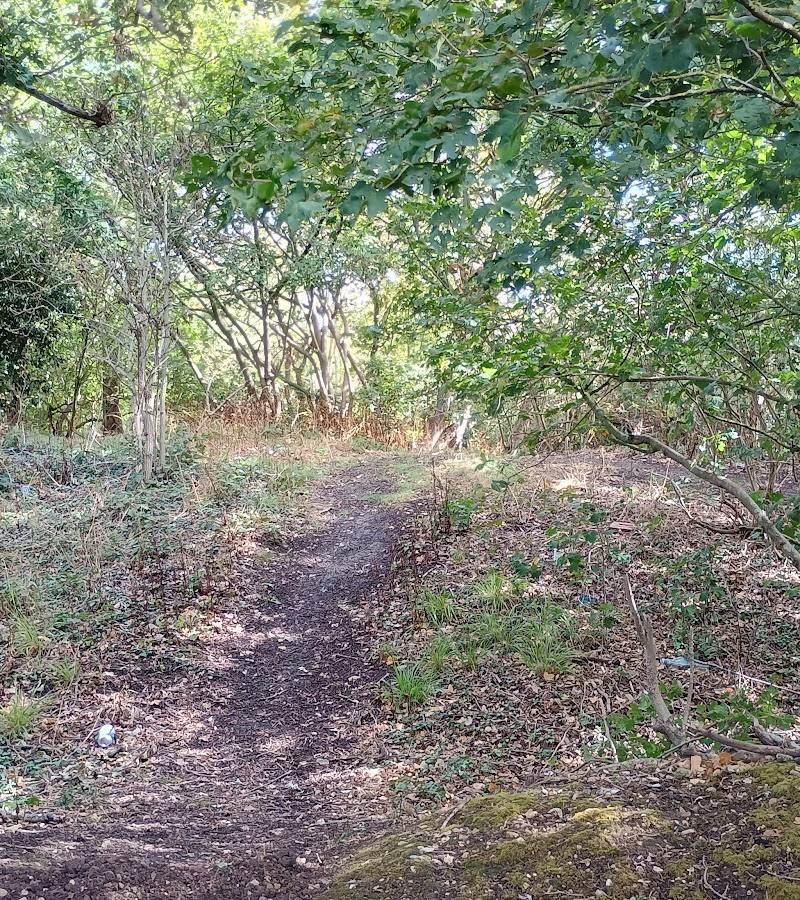
Place photograph
4.0
Wildland
Under 1 hour
Time
Check
Cost
Atmospheric
Feel
Why it's Wildland
4.0On a low-lying plateau in Southend, the surviving earthworks of Prittlewell Camp preserve part of a prehistoric enclosure. Its surviving bank and ditch are the visible trace of a much larger settlement whose buried remains may still hold evidence of how it was built and used.
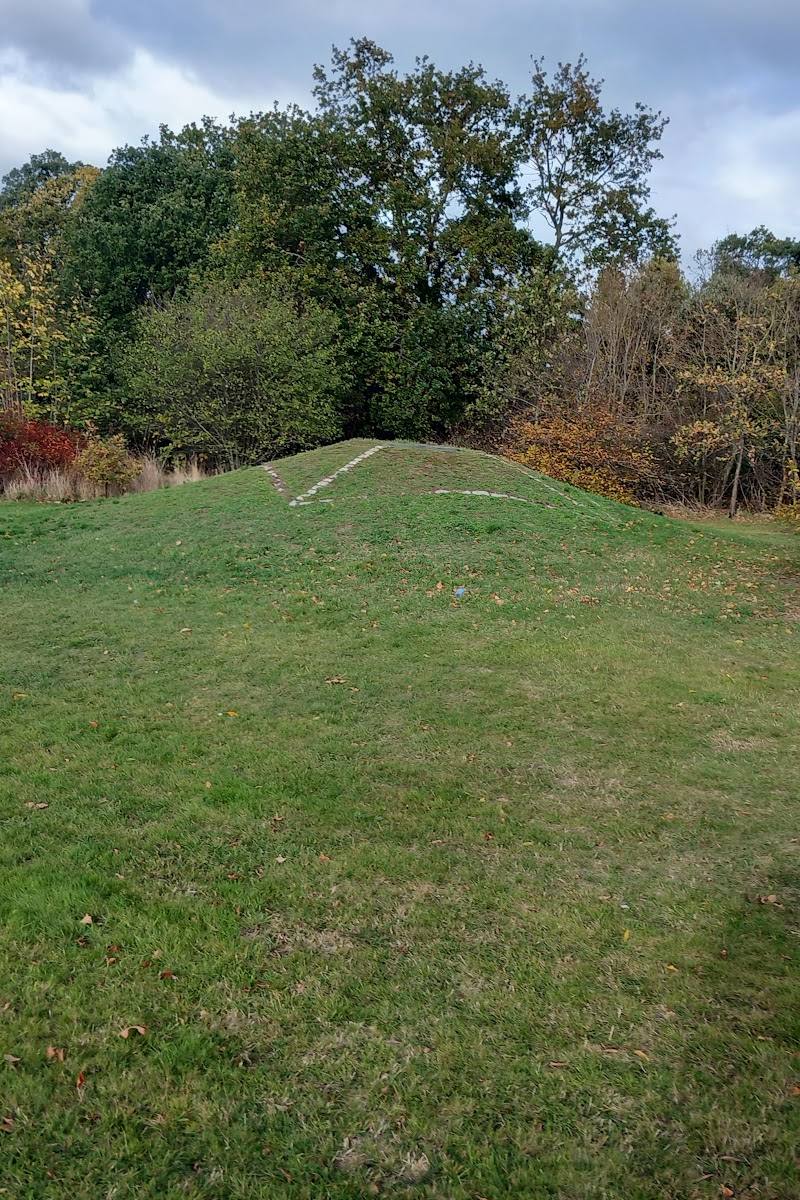
A fragment of ancient landscape in an unexpectedly urban setting: the surviving bank and ditch are modest on the ground, but they belong to a nationally important, rare type of hillfort. Go for close-up archaeological discovery, not a grand hilltop panorama.
Atmospheric · Ancient-feeling
Find your way
Open mapFossetts Way, Southend-on-Sea, SS2 4HF
Opening map…
Know this place a little better?
The experience
This is a compact archaeological visit, not a full-day attraction. If access is suitable, look for the surviving bank and ditch and imagine the enclosure as a settlement rather than a monumental fortress. The site’s boundaries and visitor conditions should be checked before setting out.
Things to do
Read the surviving bank and ditch
Historic England says the circuit of defences is clearly defined by earthworks to the south and west, while evidence for the rest survives below ground. Only inspect visible remains from permitted access routes.
Under 1 hour
Picture the prehistoric enclosure
Use the surviving earthworks to imagine the enclosure’s former circuit. Historic England describes a slight univallate hillfort: a single line of earthwork defences, with possible settlement evidence surviving beneath the interior.
Notice the later ‘Look-out’ mound
A local history article describes a mound known as the ‘Look-Out’ and reports that its interpretation as the base of a medieval post mill remains unproven. Treat that identification as a possibility, not a confirmed fact.
Make a day of it
Quick escape · Under 1 hour
A close look at the earthworks
- 01
Check current access and conditions before travelling.
- 02
If access is available, look for the surviving bank and ditch and consider how these earthworks once formed part of an enclosure.
- 03
Keep to permitted paths and avoid disturbing the monument.
Verified history
Prittlewell Camp is a scheduled monument, first listed in 1961. Historic England classifies it as a slight univallate hillfort and says the surviving earthworks and buried archaeological deposits retain information about its construction, occupation and surrounding environment. The site’s position on a low-lying plateau, rather than a summit or ridge, is described as somewhat unusual. Historic England notes that a mound interpreted as a medieval post-mill base has not been proven, although evidence from a 1929 excavation supports that interpretation.
Hidden details
A hillfort on a low plateau — Unlike the hilltop or ridge settings typical of many slight univallate hillforts, Historic England describes Prittlewell Camp as occupying a low-lying plateau. The contrast is part of what makes its landscape setting notable.
The earthwork may conceal more than it reveals — The visible bank and ditch are only part of the archaeological record: Historic England says buried features may survive in the interior and in the ditch fills. These remains are not visitor exhibits and should not be disturbed.
When to go
· No best time is established by the supplied sources; check access and conditions before visiting.
The available sources do not identify a seasonal highlight.
Path conditions and seasonal access are not confirmed. Check before visiting.
What to look for
- 01
Look for the surviving earthwork bank and ditch, particularly the better-defined remains to the south and west. Historic England also records evidence for buried remains of the rest of the circuit and occupation features beneath the interior
- 02
these are archaeological evidence, not visible visitor features.
The story
Archaeology
Best time to go
Check before visiting; no particular season is evidenced as best.
No season or time of day is specifically supported by the available sources. Check access and site conditions before visiting.
How long to spend
Under 1 hour
Perfect for
History lovers · Walkers
Before you go
Address
Listed hours
- Monday: Open 24 hours
- Tuesday: Open 24 hours
- Wednesday: Open 24 hours
- Thursday: Open 24 hours
- Friday: Open 24 hours
- Saturday: Open 24 hours
- Sunday: Open 24 hours
Check before visiting.
Google rating
Practical information
Opening & access
Historic England identifies Prittlewell Camp as a scheduled monument. Public access and the current condition of paths are not confirmed; check before visiting and do not enter restricted or private land. Access arrangements are unconfirmed. Check before visiting; do not enter private land or restricted structures.
Check before visiting
Parking
Parking availability and arrangements are not confirmed; check before visiting.
Check before visiting
Toilets
Check before visiting
Check before visiting
Food & drink
Check before visiting
Check before visiting
Dogs
Check before visiting
Check before visiting
Accessibility
Path surfaces, gradients and step-free access are not confirmed. Check before visiting.
Check before visiting
Cost
Check before visiting
Check before visiting
Gallery
Place photographsKeep exploring
Around Prittlewell Camp (Hillfort)
Within 50 km · approximate straight-line distances