North Yorkshire, England. The supplied map pin is a general park location, not an entrance or parking point.
North York Moors National Park
Moor
Source image
7.8
Wildland
Weekend or longer for a broad exploration
Time
Check
Cost
Big-sky
Feel
Why it's Wildland
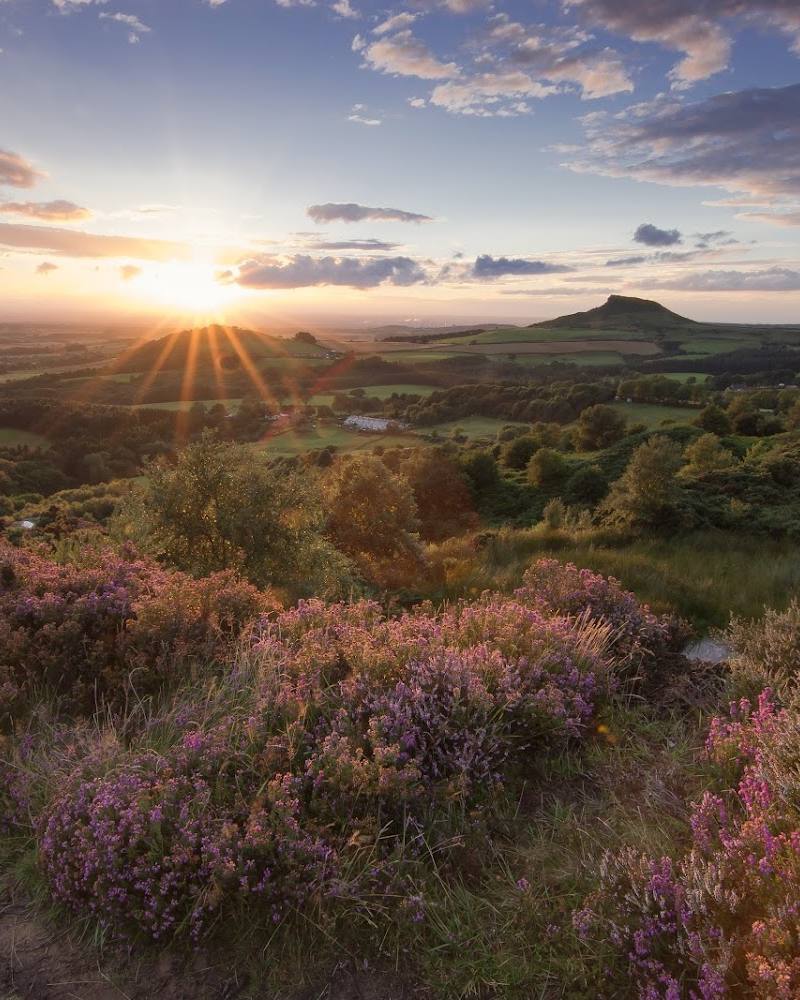
7.8Open heather moorland, wooded valleys, a varied coastline and stone-built villages come together in a landscape shaped by both natural forces and generations of human activity.
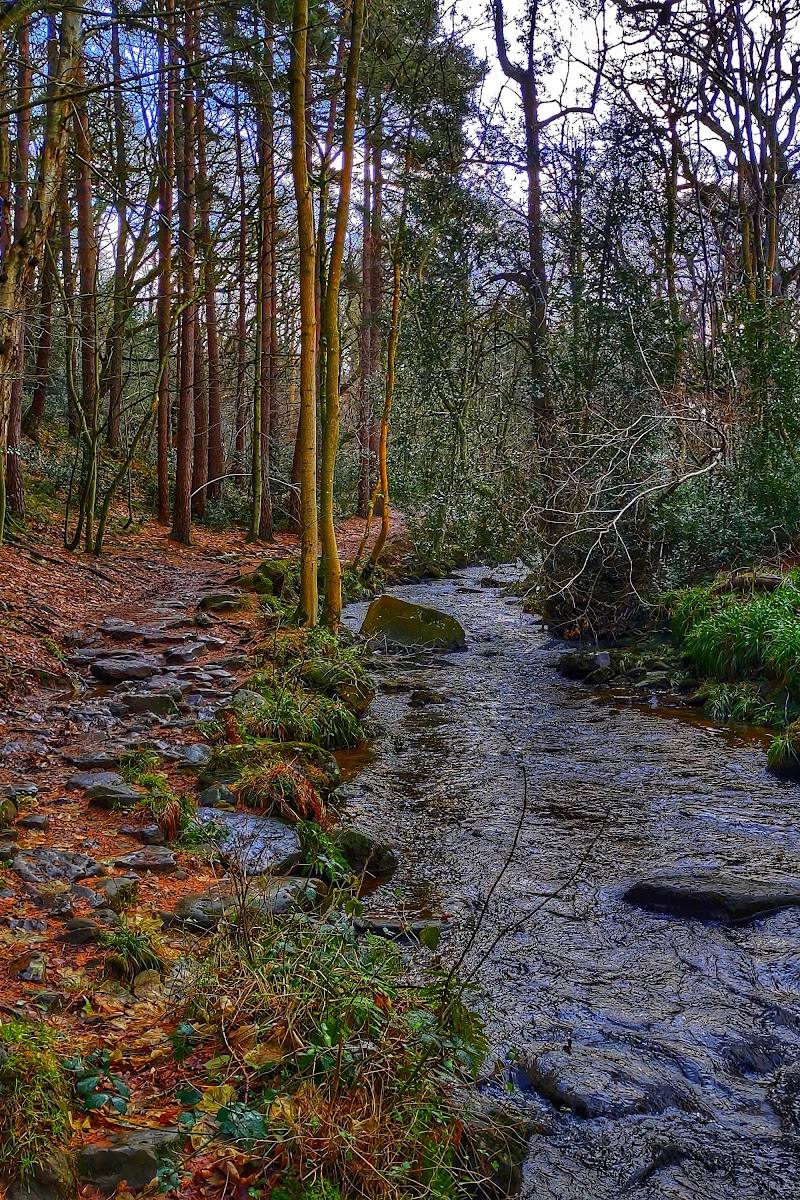
The North York Moors earns its place through range as much as scale: open moorland gives way to wooded river valleys, an exposed coast and villages that still belong to the landscape. It rewards choosing one corner to explore rather than trying to cover the whole park in a single visit.
Big-sky · Wild · Peaceful · Atmospheric
Find your way
Open mapNorth Yorkshire, England. The supplied map pin is a general park location, not an entrance or parking point.
Opening map…
Know this place a little better?
The experience
Choose a specific area and build the visit around it: walk a section of moorland or a designated trail, then add a village, coast or heritage stop where practical. Conditions and access vary across the National Park, so check current guidance and route details before setting out.
Things to do
Walk the Hole of Horcum and Levisham Moor
Explore the open moorland around the Hole of Horcum. The National Park Authority describes it as a landscape shaped by natural change and human activity; consult current route information before choosing a walk.
Cycle a Cinder Track section
The National Park Authority identifies the disused Scarborough–Whitby railway track, known as the Cinder Track, as an all-weather track for walking or cycling. Check the chosen section and current conditions before setting out.
Visit a moorland village
Choose a village such as Farndale, Goathland or Hutton le Hole from the Authority’s places-to-go guide. Each offers a different way to encounter the settled landscape; check local arrangements before visiting.
Look for dark skies
The National Park Authority promotes dark-sky experiences and stargazing. Choose a suitable clear night and check the Authority’s current guidance and events.
Make a day of it
Quick escape · 1–2 hours
A focused moorland outing
- 01
Choose a named moorland destination or route from the National Park Authority’s visitor information.
- 02
Check the route start, conditions and current access guidance before travelling.
- 03
Walk a manageable section, staying on designated paths where advised, and return by your chosen route.
Half day · Half day
Moorland and village half day
- 01
Choose a walking area such as Levisham Moor and the Hole of Horcum, checking current route information first.
- 02
Spend time on a walk suited to the day’s conditions.
- 03
Add a nearby village or a National Park Centre if its location and opening arrangements suit your plan; check details before setting out.
Full Wildland day · Full day
A varied day across the park
- 01
Plan around one main landscape area rather than attempting to cover the whole National Park.
- 02
Pair a walk with one other destination type: a village, the coast, woodland or a heritage place listed by the National Park Authority.
- 03
Check travel times, access, conditions and any venue opening details; finish with a second short stop only if the day allows.
Verified history
The National Park Authority presents the area as a living landscape shaped by natural change and human activity. Its places-to-go guide highlights stone-built villages, religious stories and the area’s industrial past, including the former industrial village of Grosmont. This evidence supports a broad landscape and heritage account, not a specific historical chronology for the National Park as a whole.
Folklore & legend
The Authority refers to local tales, including stories of smugglers and industrious monks. Treat these as stories associated with places in the park, not as verified events without more specific evidence.
Hidden details
The landscape in the Hole of Horcum — The Authority describes the Hole of Horcum as a landscape shaped by both natural change and human activity. Look across the landform and consider how those influences sit together; do not assume any particular geological explanation from this source alone.
Grosmont’s industrial traces — The Authority describes Grosmont as a former industrial village where wildlife is reclaiming land once dominated by industry. Look for the contrast between the village’s industrial past and the landscape around it.
When to go
August · September · For walking, choose a time that allows a comfortable return in daylight; check the forecast and local conditions. Stargazing requires a clear, dark night.
Late summer is particularly associated with flowering heather. The Authority also recommends shorter walks and warm clothing in winter, when upland weather can be challenging.
Moorland weather can be changeable and exposed. The National Park Authority advises warm clothing and shorter winter walks, and asks visitors in areas affected by restoration work to follow advisory signs and remain on designated paths.
Worth pairing with
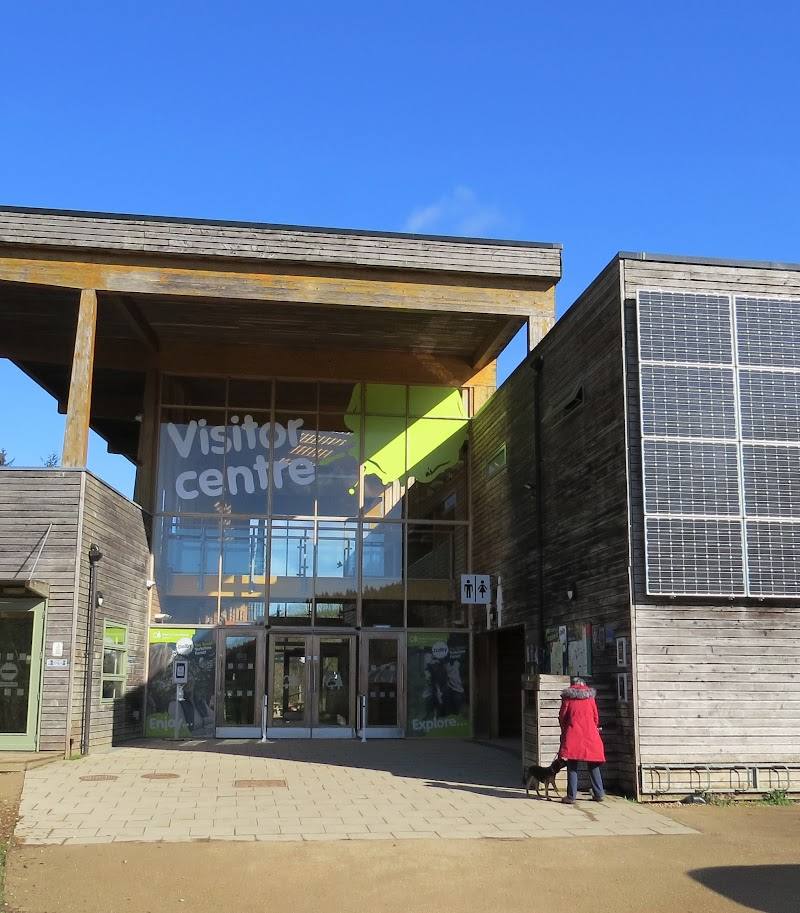
Danby Lodge National Park Centre
A National Park Centre identified by the Authority. Check current opening and visitor information before making it part of a day out.
Sutton Bank National Park Centre
A second National Park Centre listed by the Authority; check current visitor details before travelling.
Farndale
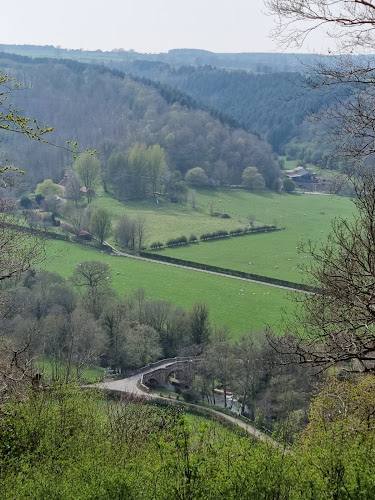
A quieter dale setting with the River Dove, pasture and woodland between moorland, according to the Authority’s places-to-go guide.
What to look for
- 01
Look for the contrast between open moorland and sheltered valleys
- 02
the Authority describes the Hole of Horcum as a landscape shaped by natural change and human activity. In villages, notice the stone-built character and their setting within the dales.
The story
Living landscape, historic villages, religious heritage and industrial history
Best time to go
Late summer for heather colour; spring for walking and wildlife. The park offers different reasons to visit through the year.
Late summer is the standout for heather in flower. For winter walks, the National Park Authority recommends warm clothing and shorter routes; check conditions before travelling.
How long to spend
Weekend or longer for a broad exploration; a focused visit can take half a day or a full day.
Perfect for
Walkers · Photographers · Wildlife lovers · Cyclists · History lovers
Before you go
Practical information
Opening & access
The National Park Authority says Open Access land and Public Rights of Way are open. Follow designated paths and local advisory signs; check current updates before setting out, particularly for areas affected by restoration work.
Check before visiting
Parking
Check before visiting. The supplied map pin is not a parking location; use a verified destination or route start point.
Check before visiting
Toilets
Check before visiting; facilities vary by destination.
Check before visiting
Food & drink
The National Park Authority provides a food-and-drink guide. Check individual venues for current details.
Check before visiting
Dogs
Check before visiting and follow local signage and access guidance.
Check before visiting
Accessibility
The Authority has an Access for All resource. Accessibility varies across this extensive landscape; check the relevant route or destination before travelling.
Check before visiting
Cost
Check before visiting
Check before visiting
Water
River, Sea
Gallery
Place photographsKeep exploring
Around North York Moors National Park
Within 50 km · approximate straight-line distances