52 Craignish Avenue, Norbury, London SW16 4RW
Norbury Hall Park
Parkland
Place photograph
4.7
Wildland
Under 1 hour
Time
Check
Cost
Peaceful
Feel
Why it's Wildland
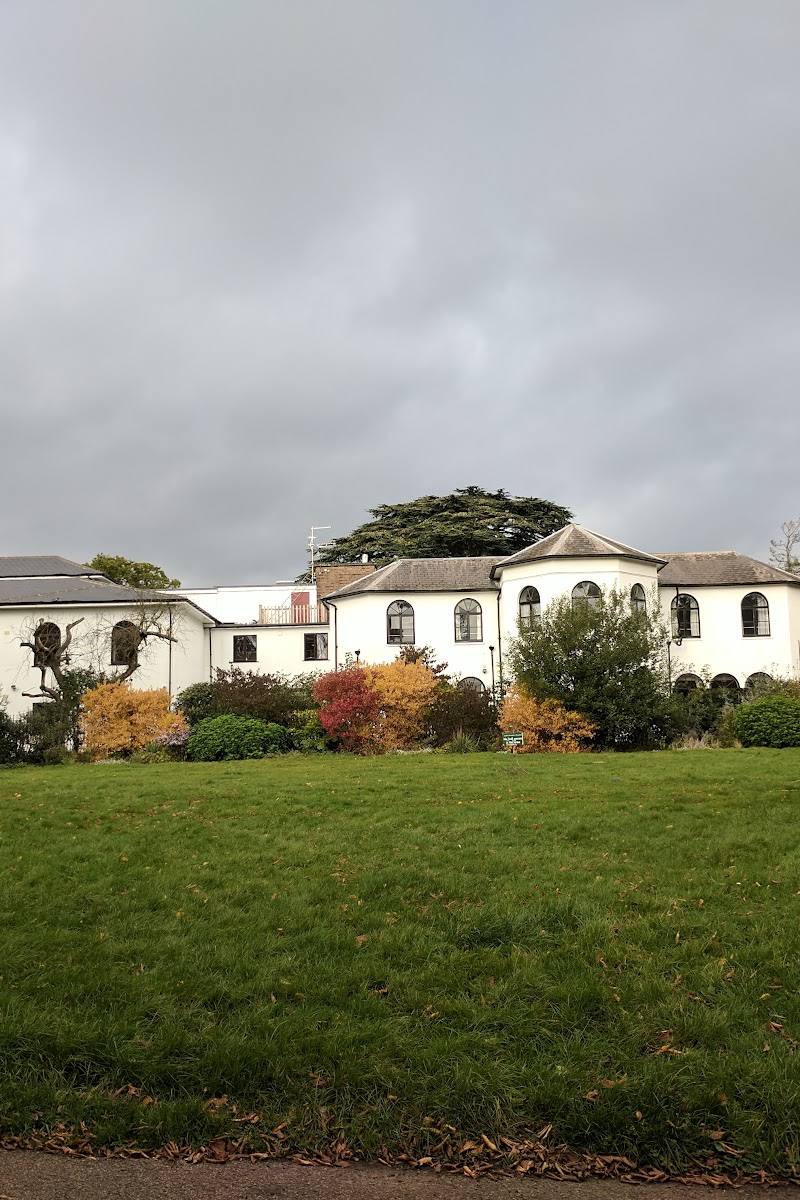
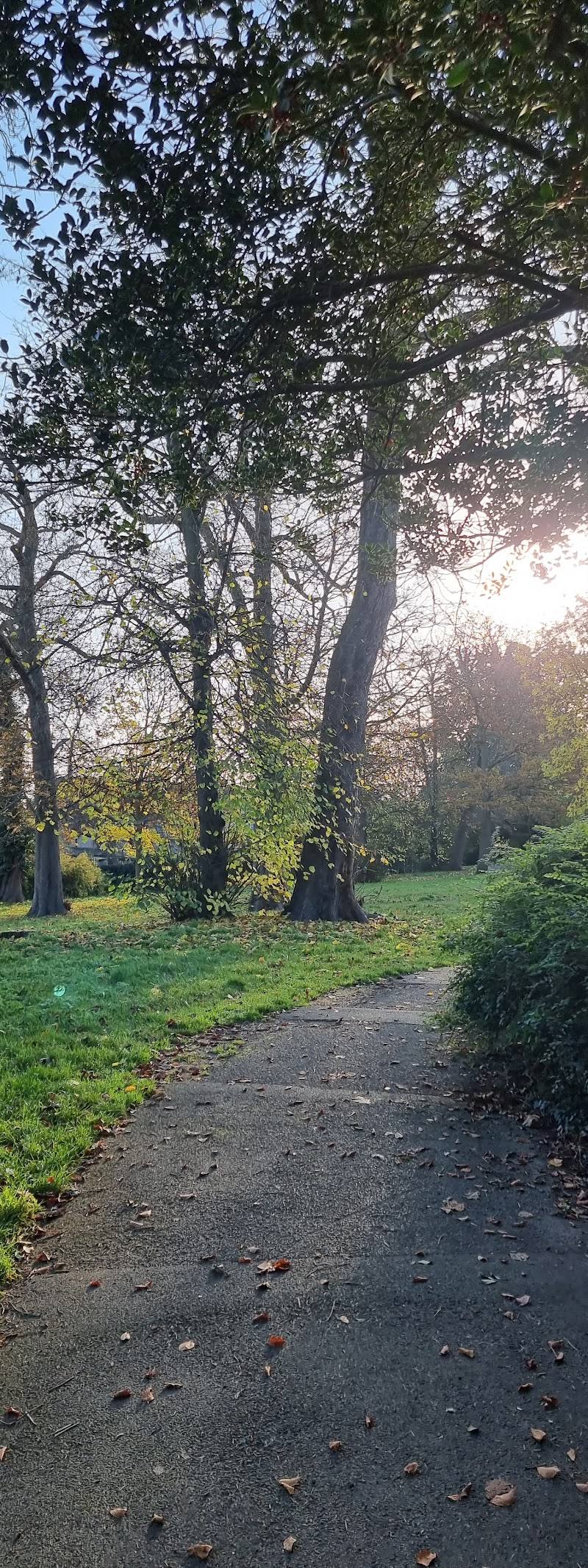
4.7A small urban park preserves traces of a Georgian estate: mature cedars, ornamental planting and the visible hollow of a lake that once fed from the River Graveney. The hall itself is now a care home, so the story is read from the landscape rather than explored inside the building.
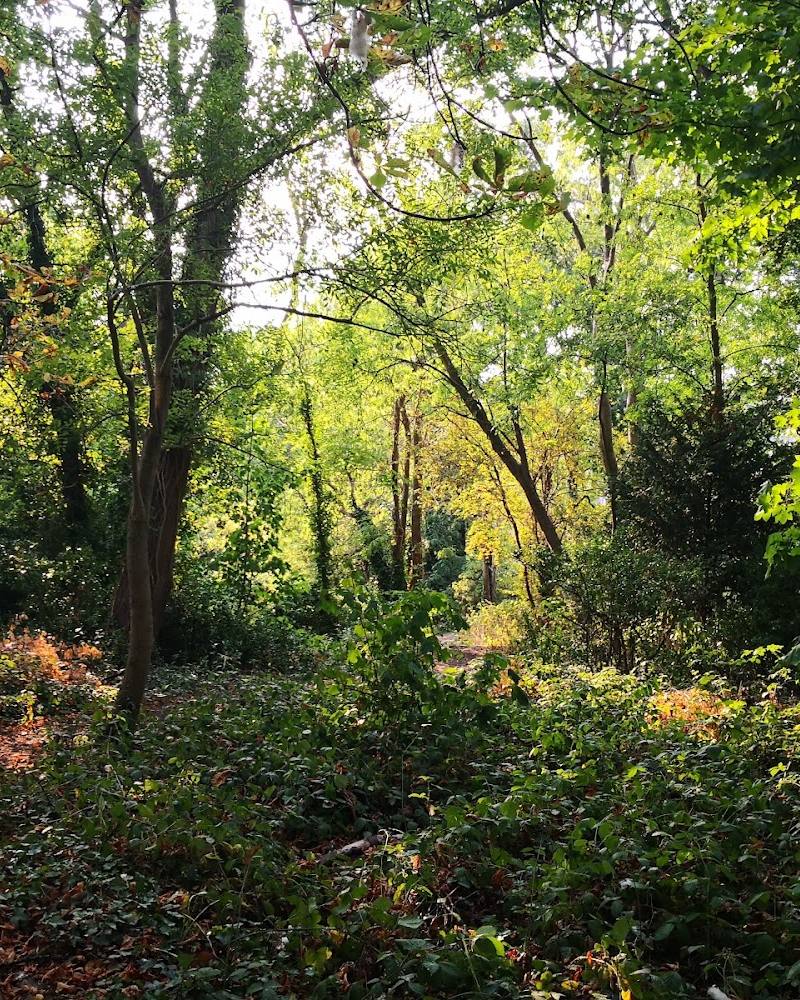
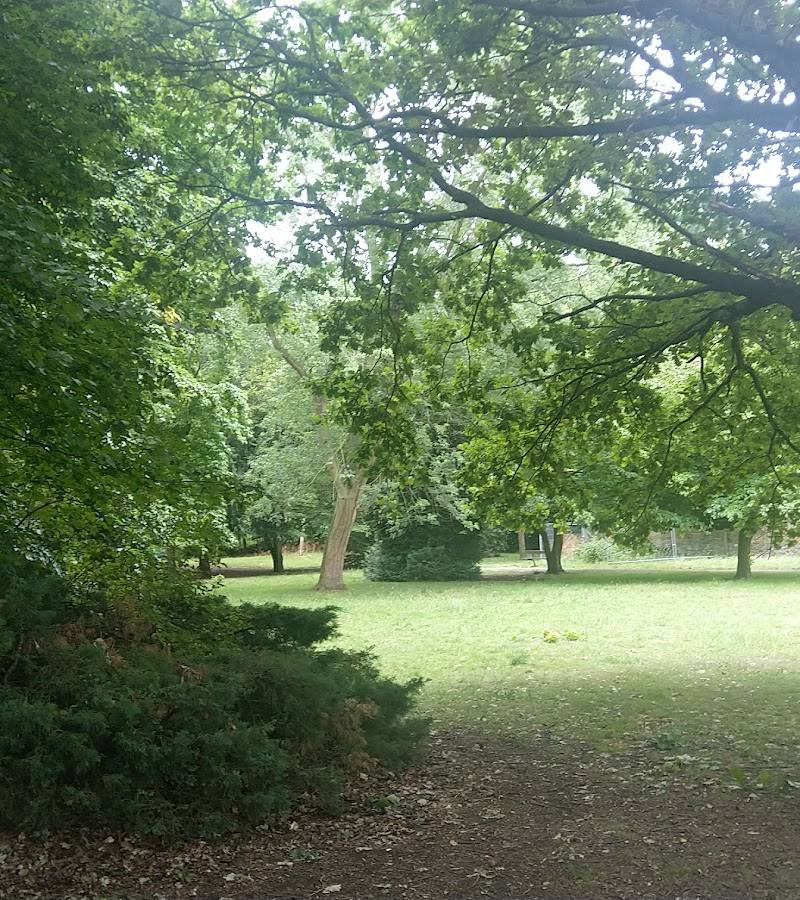
Norbury Hall Park is not a large wilderness, but its specimen trees and surviving estate landscape give this compact urban green space more history and character than a typical neighbourhood park. Look for the old lake basin and the cedars that still frame the former hall grounds.
Peaceful · Atmospheric
Find your way
Open map52 Craignish Avenue, Norbury, London SW16 4RW
Opening map…
Know this place a little better?
The experience
Explore the park’s specimen trees and ornamental planting, then look for the hollow of the former estate lake. Norbury Hall is visible as part of the story, but it is a residential home and is not open to the public.
Things to do
Find the former lake basin
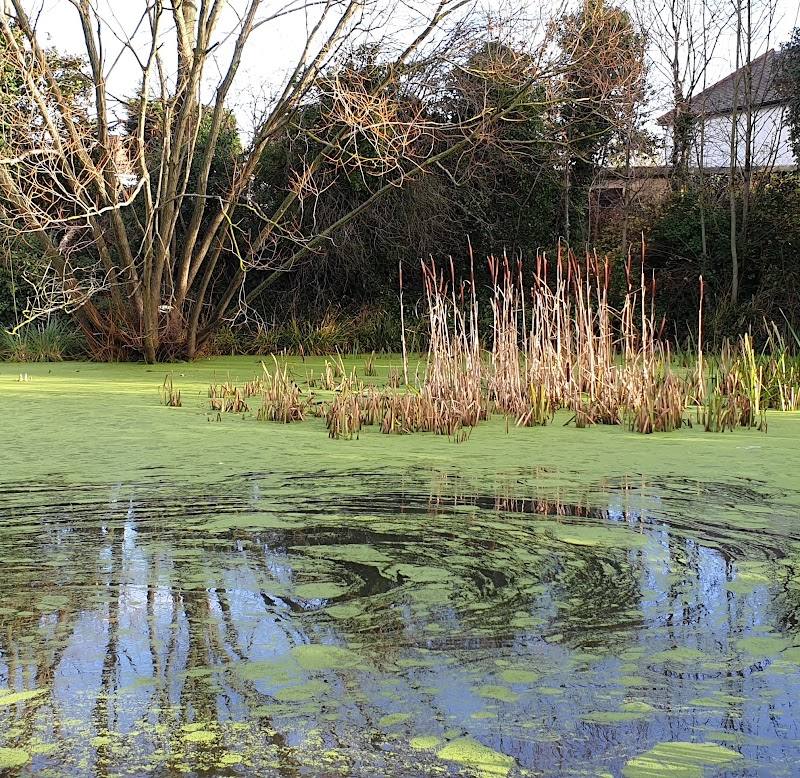
Look for the depression left by the estate lake. The council says it is usually dry, though it can contain water during wet winters.
Allow 10–15 minutes to locate and look around; suggested, not an official duration.
Look for the estate’s cedar trees
The large cedars around the hall are identified by the council as a distinctive feature and characteristic planting of early nineteenth-century villa gardens.
Allow 10 minutes; suggested, not an official duration.
Notice the seasonal ornamental planting
The council notes rhododendrons and roses, with beds of heathers and conifers adding colour in winter and spring.
Allow 10–20 minutes; suggested, not an official duration.
Make a day of it
Quick escape · Allow around 30–60 minutes; this is a suggested visit duration, not a measured route.
Quick escape: find the old lake basin
- 01
Enter from Craignish Avenue or Ederline Avenue.
- 02
Wander through the park’s specimen trees and more natural areas.
- 03
Look for the hollow marking the former lake basin.
- 04
Notice the large cedar trees around the hall grounds; the hall itself is not open to visitors.
Half day · Allow a relaxed half day, including time to pause; no measured circuit is documented.
Half day: explore the estate landscape
- 01
Enter via one of the park’s two listed entrances.
- 02
Explore the ornamental grounds and their specimen trees.
- 03
Find the visible depression of the former lake and consider how the historic garden was laid out.
- 04
Take a slower look at the cedars and seasonal planting, then check locally for another suitable stop nearby.
Verified history
The estate’s principal mansion was built in 1802, and Norbury Hall stood amid ornamental gardens that included a lake fed by the River Graveney. The hall later became a residential home and is not open to the public. The council acquired the estate in 1956; the grounds were transferred to the parks department. The former lake is now usually dry, but its basin remains visible. A garden gazebo was destroyed by arson in 2002.
Hidden details
The lake survives as a landform — The former lake no longer usually contains water, but the depression of its basin can still be seen. It was fed by the River Graveney.
The gazebo is gone — A summerhouse gazebo once offered a first-floor balcony and a view over the garden. It was destroyed by arson in 2002; it is a historical detail, not a surviving feature to seek out.
When to go
March · April · May · June · July · August · September · Choose a time that suits your visit; no quieter or otherwise preferred time is documented.
The council describes colour from roses and rhododendrons, with heathers and conifers providing interest in winter and spring. Seasonal flowering dates are not specified.
The former lake basin may hold water during wet winters. Check current conditions before visiting.
What to look for
Look for the large cedar trees around the hall grounds and the depression of the former lake basin. The lake was fed by the River Graveney and is now usually dry, though it can hold water in wet winters.
The story
Historic estate
Best time to go
Year-round; heathers bring winter and spring colour, while roses and rhododendrons add seasonal interest.
Visit in winter or spring for the council-noted heather beds, or in warmer months for roses and rhododendrons. Check for current conditions before travelling.
How long to spend
Under 1 hour
Perfect for
Walkers · History lovers · Families
Before you go
Address
Phone
Website
Listed hours
- Monday: Open 24 hours
- Tuesday: Open 24 hours
- Wednesday: Open 24 hours
- Thursday: Open 24 hours
- Friday: Open 24 hours
- Saturday: Open 24 hours
- Sunday: Open 24 hours
Check before visiting.
Google rating
Practical information
Opening & access
A public park with entrances from Craignish Avenue and Ederline Avenue. The Georgian Norbury Hall is a residential home and is not open to visitors; stay within the park grounds. Check before visiting for current access details.
Check before visiting
Parking
Check before visiting for parking information.
Check before visiting
Toilets
The council lists toilets as currently closed; check before visiting for updates.
Check before visiting
Food & drink
Check before visiting for food or refreshments.
Check before visiting
Dogs
Check before visiting for current dog rules.
Check before visiting
Accessibility
The source row reports a wheelchair-accessible entrance. Path surfaces and the accessibility of routes within the park are not specified; check before visiting.
Check before visiting
Cost
Check before visiting
Check before visiting
Water
The former lake basin is usually dry and may hold water during wet winters. This is not a swimming or paddling destination.
Gallery
Place photographsKeep exploring
Around Norbury Hall Park
Within 50 km · approximate straight-line distances