A496, Harlech, Gwynedd LL46 2PU, Wales
Morfa Harlech National Nature Reserve
Coastal reserve
Place photograph
7.2
Wildland
1–2 hours
Time
Paid
Cost
Wild
Feel
Why it's Wildland
7.2A living sweep of dunes on the Ardudwy coast, where blown sand is still building new ground and dune slacks shelter an unexpectedly rich community of coastal flowers and wildlife.
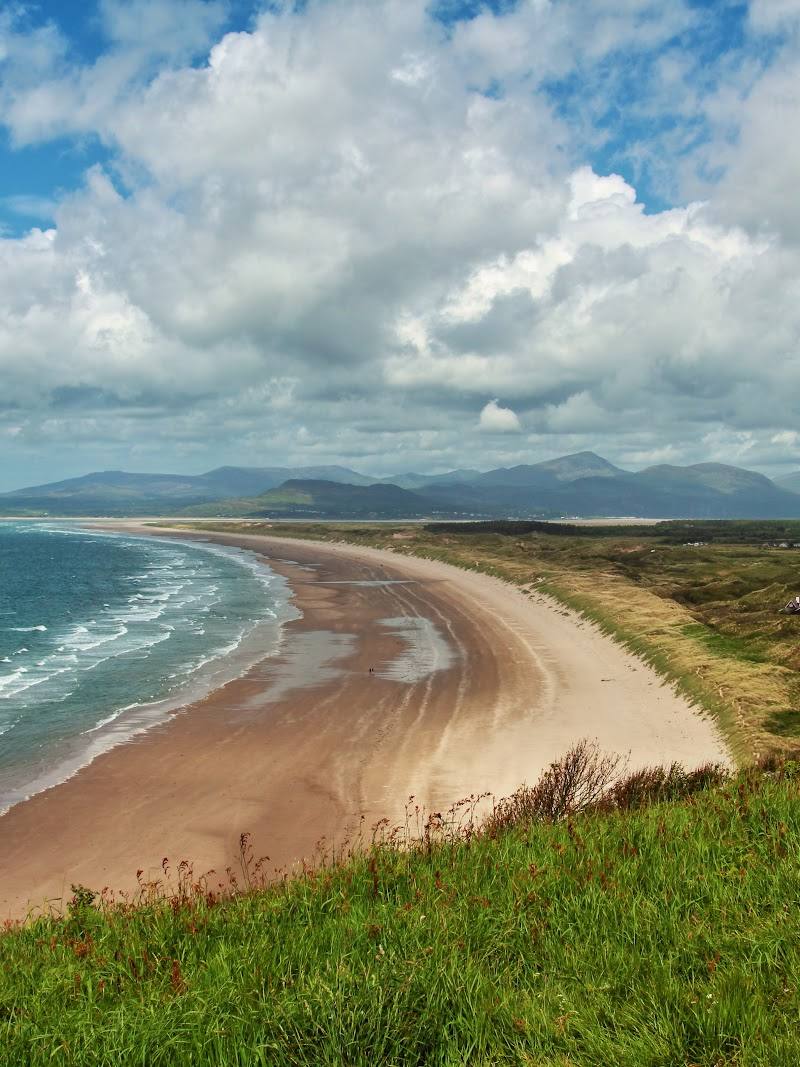
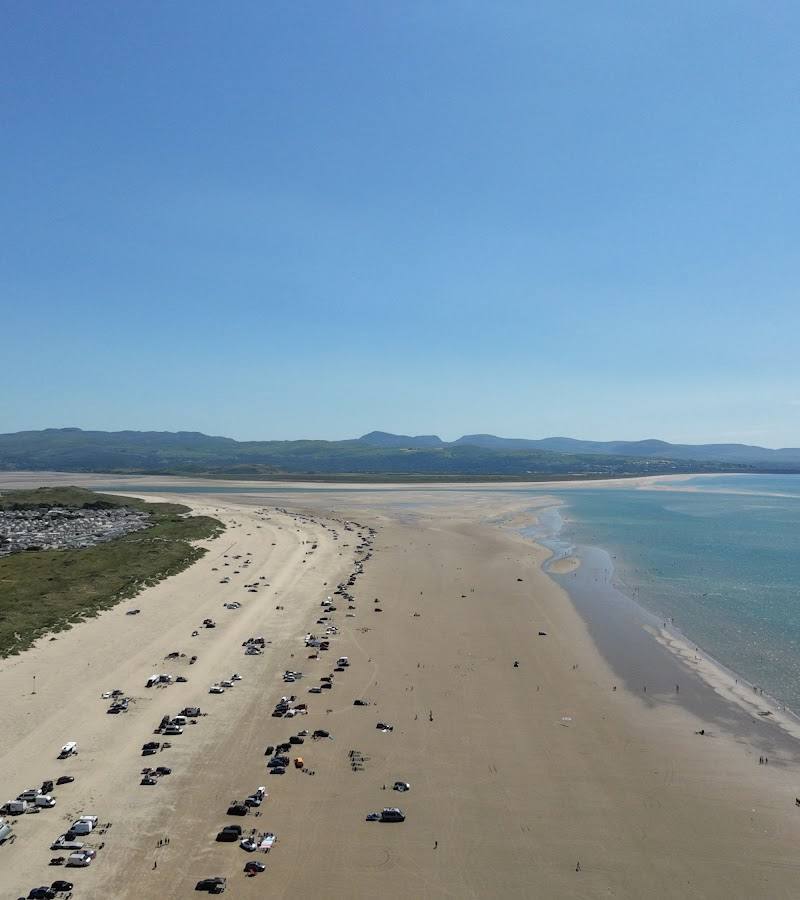
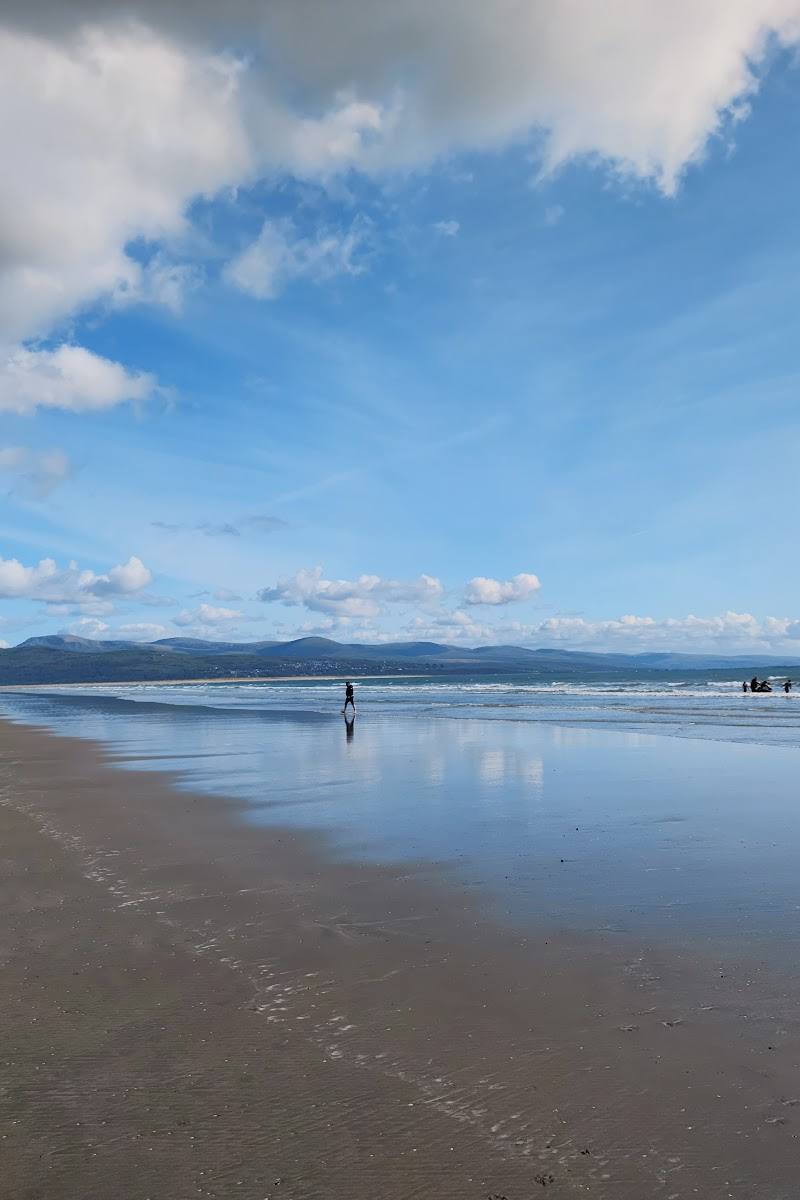
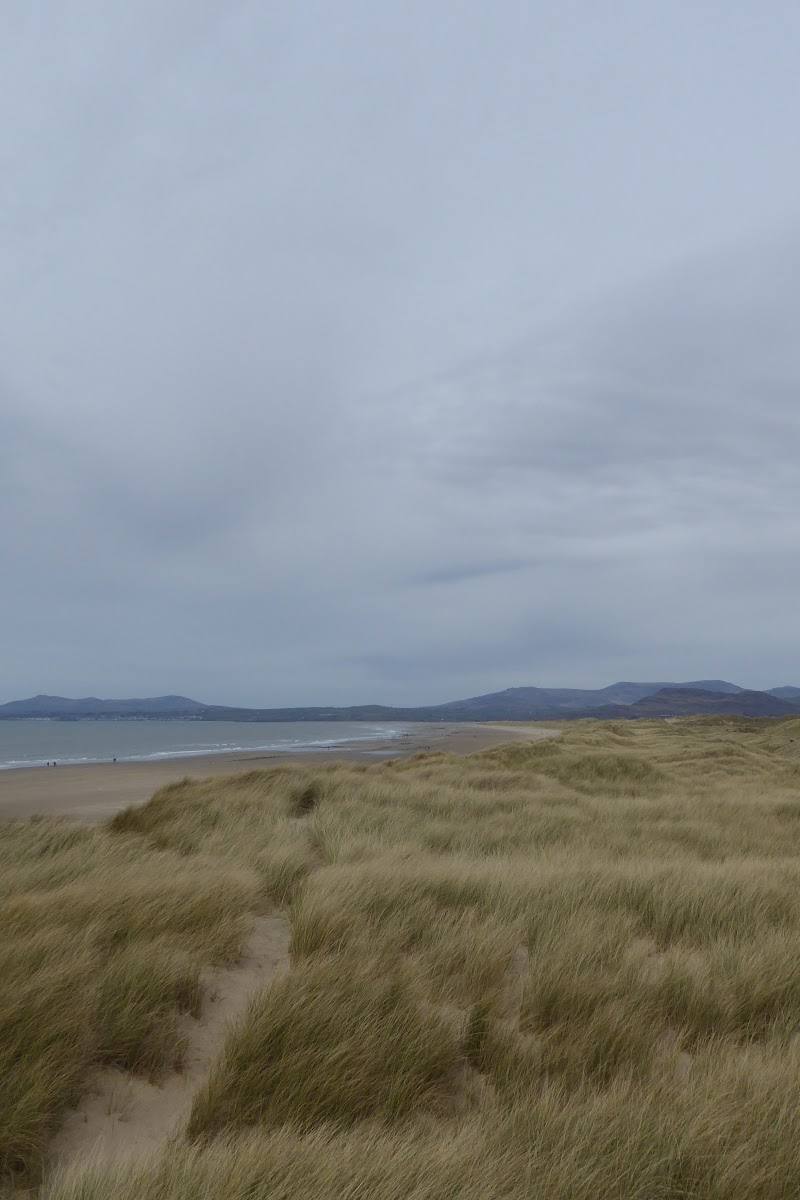
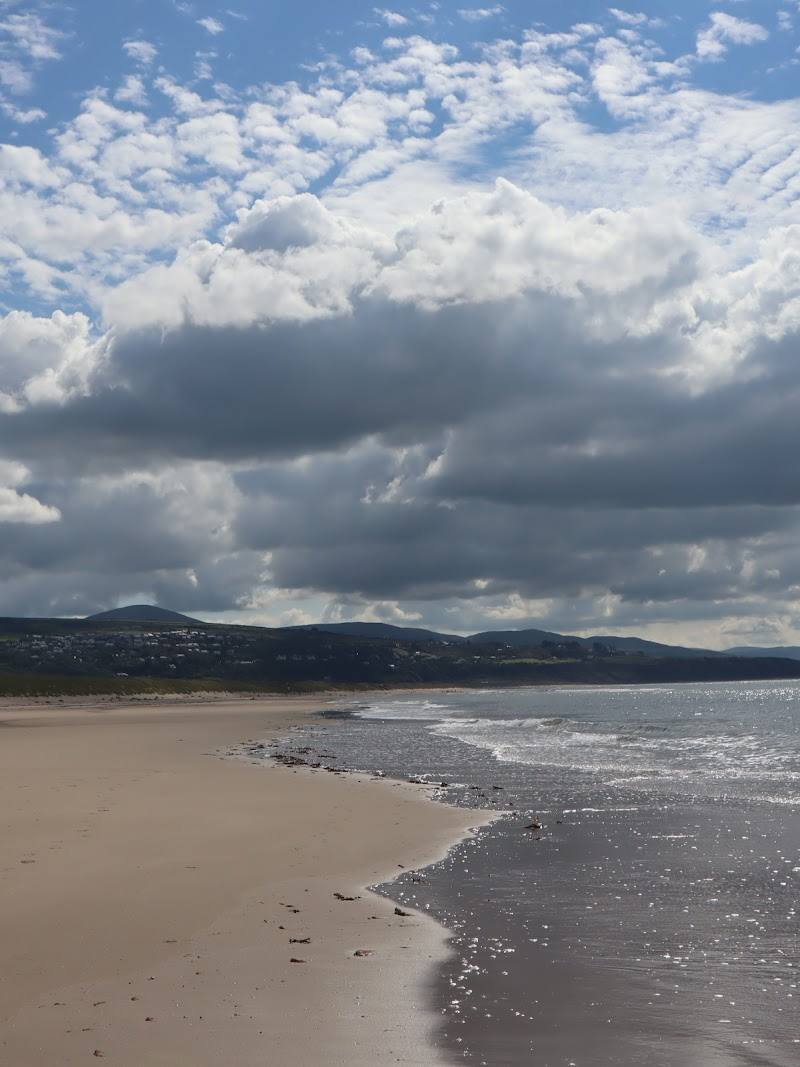
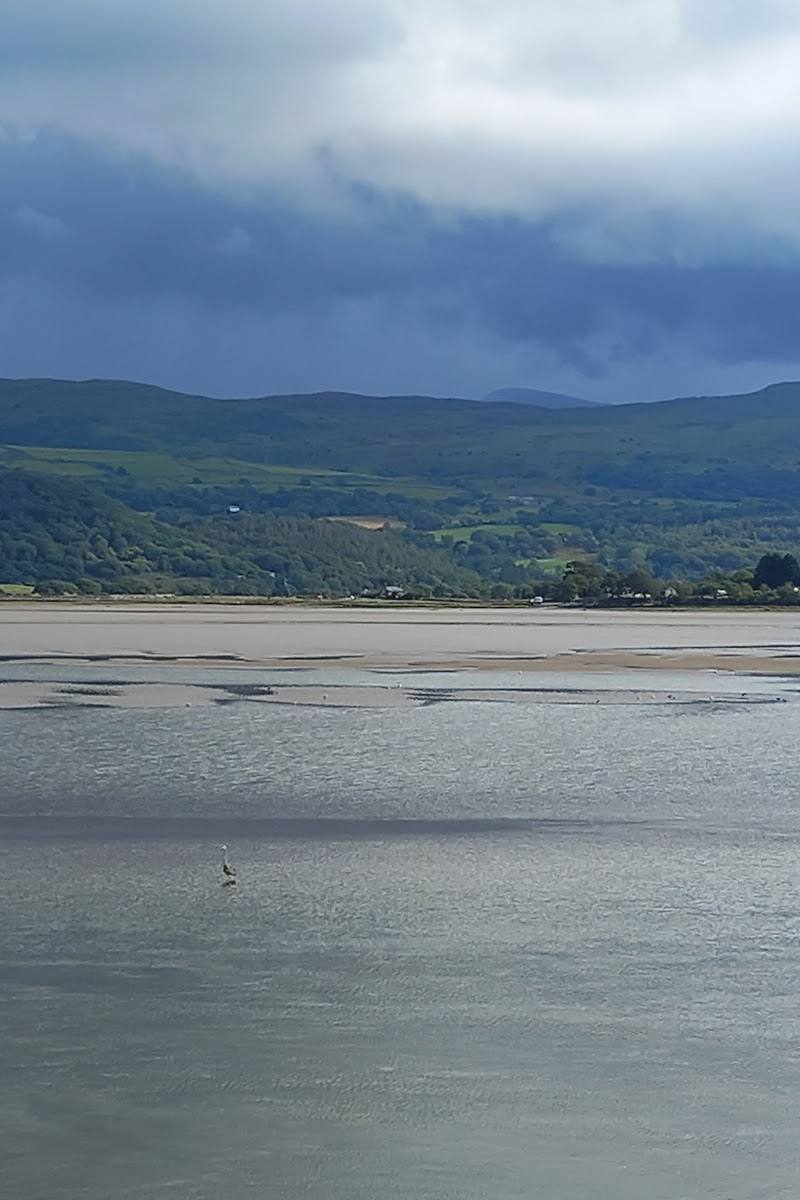
Morfa Harlech is more than a stretch of sand: it is one of Wales’s important actively growing dune systems, with shifting coastal terrain, rare dune plants and birdlife spread across beach, dunes and saltmarsh. Its changing habitats reward a slower visit and make the reserve feel shaped by the sea rather than by a designed attraction.
Wild · Big-sky · Dramatic
Find your way
Open mapA496, Harlech, Gwynedd LL46 2PU, Wales
Opening map…
Know this place a little better?
The experience
Follow the public footpath from Min y Don towards the beach, then explore the coastal edge of the reserve on foot. Take time to notice how the open dunes, flower-rich slacks and saltmarsh support different plants and birds. Stay on permitted routes and respect fenced areas.
Things to do
Walk from Min y Don to the beach
Follow the public footpath from Min y Don car park to the beach, then turn right along the beach to reach the start of the reserve. Check current conditions and respect fenced areas.
Look for dune flowers and orchids
In spring and summer, scan dune grasslands and slacks for seasonal flowers. Natural Resources Wales names marsh helleborine, northern marsh-orchid, flag iris and pyramidal orchid; July is the best month for lesser butterfly orchid.
Notice the plants of the upper beach
At Trwyn Harlech, look for plants including sea rocket and thyme-leaved sandwort, adapted to the exposed, shifting-sand environment.
Watch the seasonal birdlife from a respectful distance
Birds nest on the beach, dunes and saltmarsh, while the saltmarsh is important to overwintering waders and wildfowl. Avoid disturbance and follow seasonal dog restrictions.
Make a day of it
Quick escape · Allow 1–2 hours; exact walking time is not specified.
The dune-edge quick escape
- 01
Start at Min y Don car park.
- 02
Follow the public footpath to the beach.
- 03
Turn right along the beach to reach the start of the reserve.
- 04
Pause to look across the dunes and, in flowering season, search for dune plants from permitted areas.
- 05
Return the way you came; respect fenced areas and seasonal dog guidance.
Half day · Half day; exact route length and walking time are not specified.
A closer look at the changing dunes
- 01
Use the Min y Don public footpath and beach approach to reach the reserve.
- 02
Spend time observing the different habitats described by Natural Resources Wales: beach, dunes and saltmarsh.
- 03
In spring or summer, look for flowering plants in dune grasslands and slacks; July is the best month for lesser butterfly orchid.
- 04
Watch for birds without approaching nesting or overwintering areas, and follow seasonal dog restrictions.
- 05
Return to Harlech for its castle and town setting, as suggested by the regional walking guides.
Hidden details
A dune system that is still growing — Morfa Harlech is described as one of Wales’s most important actively growing dune systems. Its shifting sand is part of a dynamic coastal landscape, not simply a static backdrop to the beach.
Orchids among the dune slacks — The damp dune slacks support orchids including marsh helleborine and northern marsh-orchid. Natural Resources Wales identifies July as the best month to look for the scarce lesser butterfly orchid.
When to go
April · May · June · July · August · October · November · December · January · February · A calm, clear morning is a practical choice for taking in the open coastal landscape; no specific preferred time is stated by the supplied sources.
Spring and summer bring flowering dune plants, including orchids; July is identified as the best month for lesser butterfly orchid. Birds use the beach and dunes for nesting, while autumn and winter bring overwintering waders and wildfowl to the saltmarsh. Seasonal sensitivities make considerate visits important.
This is an exposed coastal dune landscape. Check the forecast and local conditions before setting out; the supplied sources do not specify weather closures or detailed safety guidance.
The route
- start point
- Min y Don car park; a public footpath leads to the beach, then turn right along the beach to reach the start of the reserve.
- parking start
- Min y Don car park; parking is chargeable. Blue Badge parking is listed by Natural Resources Wales. Check current arrangements.
- Actively growing dune system
- Dune grassland and slacks with seasonal wildflowers and orchids
- Beach, dunes and saltmarsh used by birds
Worth pairing with
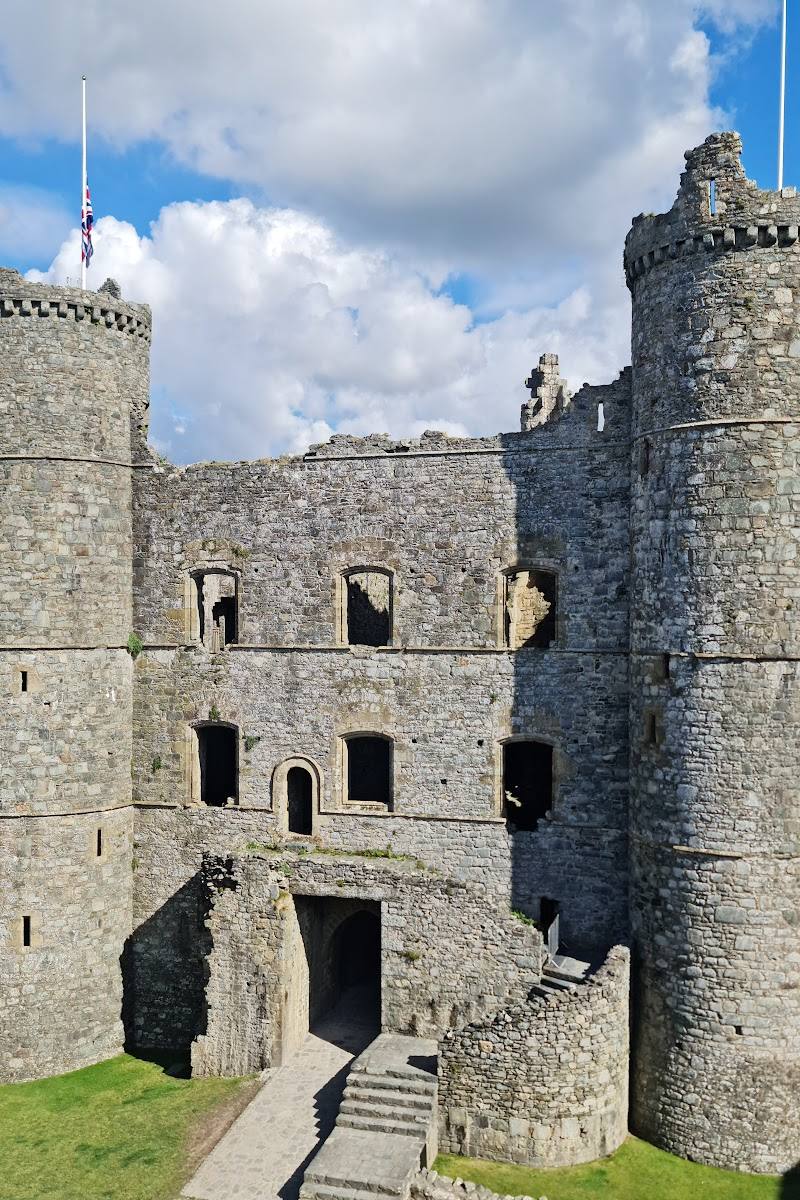
Harlech Castle and town
Pair the reserve with Harlech’s castle and historic town. Regional walking sources describe routes connecting the town, castle and coast; check route details and current access before planning a combined walk.
Harlech to Dyffryn Ardudwy on the Wales Coast Path
A longer coastal-walking idea links Harlech with dunes, beaches and nature reserves. The Wales Coast Path source gives a 12-mile full route and shorter options using nearby rail or bus connections; this is a separate longer outing, not a route wholly within the reserve.
What to look for
- 01
In spring, look for marsh helleborine and northern marsh-orchid alongside flag iris, as well as early flowers including common centaury, pansies and violets. In summer, watch for dune pansy, wild thyme and pyramidal orchids
- 02
July is the best month for lesser butterfly orchid. On the upper beach at Trwyn Harlech, look for sea rocket and other plants adapted to shifting sand. Birds nest on the beach, dunes and saltmarsh
- 03
avoid disturbing them.
Best time to go
Spring to summer for flowering dune plants and orchids; visit in July for the scarce lesser butterfly orchid. Autumn and winter offer a different seasonal draw, with overwintering birds on the saltmarsh.
For dune flowers, go in spring or summer; July is the stated best month for the scarce lesser butterfly orchid. Keep dogs on leads in the seasonal periods specified by Natural Resources Wales, and check conditions before setting out.
How long to spend
1–2 hours
Perfect for
Walkers · Photographers · Wildlife lovers · Families
Before you go
Practical information
Opening & access
Natural Resources Wales describes a public footpath from Min y Don car park to the beach; turn right along the beach to reach the start of the reserve. Some areas are fenced to protect fragile dune plants or allow grazing. Check current access and conditions before visiting.
Check before visiting
Parking
Parking is available at Min y Don car park and is chargeable. Blue Badge parking is listed by Natural Resources Wales. Check current arrangements before travelling.
Check before visiting
Toilets
Check before visiting.
Check before visiting
Food & drink
Check before visiting.
Check before visiting
Dogs
Seasonal restrictions: keep dogs on leads March–July to protect breeding beach birds, and during autumn and winter on saltmarshes to protect overwintering waders and wildfowl. Check current signs and guidance.
Check before visiting
Accessibility
Natural Resources Wales lists parking for Blue Badge holders and a public footpath from Min y Don car park to the beach. Route surfaces, gradients and accessibility across the dunes are not specified; check before visiting. Some areas are fenced.
Check before visiting
Cost
Paid
Water
Sea
Gallery
Place photographsKeep exploring
Around Morfa Harlech National Nature Reserve
Within 50 km · approximate straight-line distances