Devonshire Road, Mill Hill, London Borough of Barnet, NW7 3EL
Mill Hill Old Railway Nature Reserve
Mixed-habitat reserve
Source image
4.8
Wildland
Under 1 hour
Time
Check
Cost
Atmospheric
Feel
Why it's Wildland
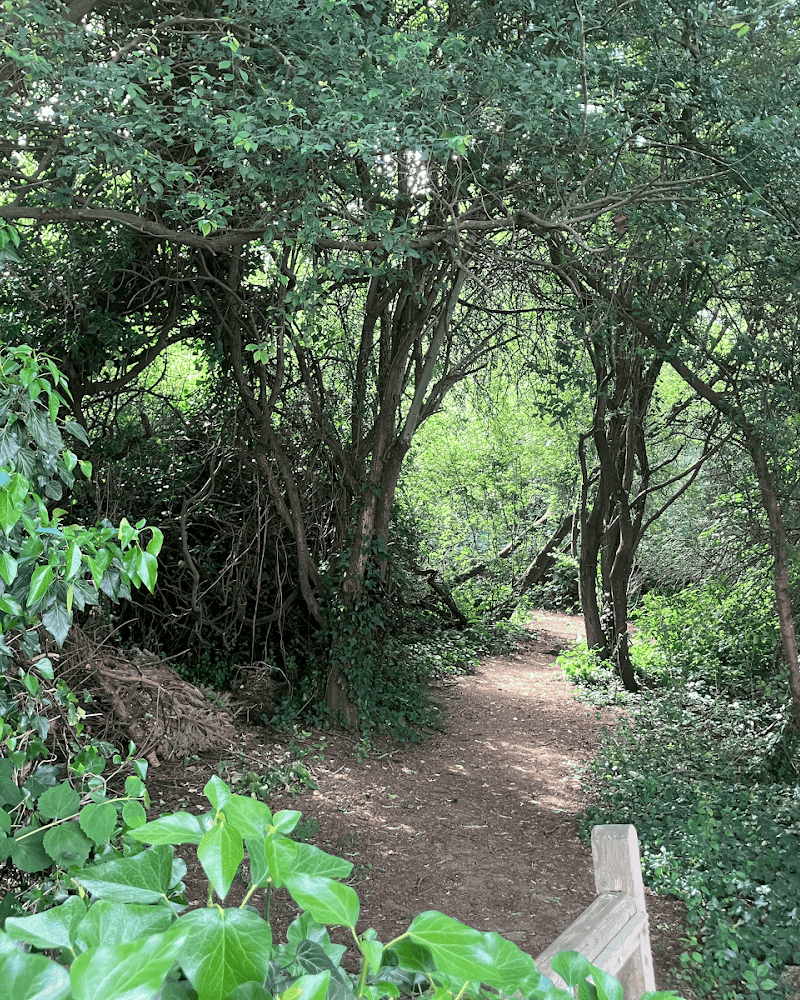
4.8A former railway corridor, closed to passenger traffic in 1939 and abandoned in 1964, has become a narrow strip of woodland, rough grassland and wildlife habitat in Mill Hill.
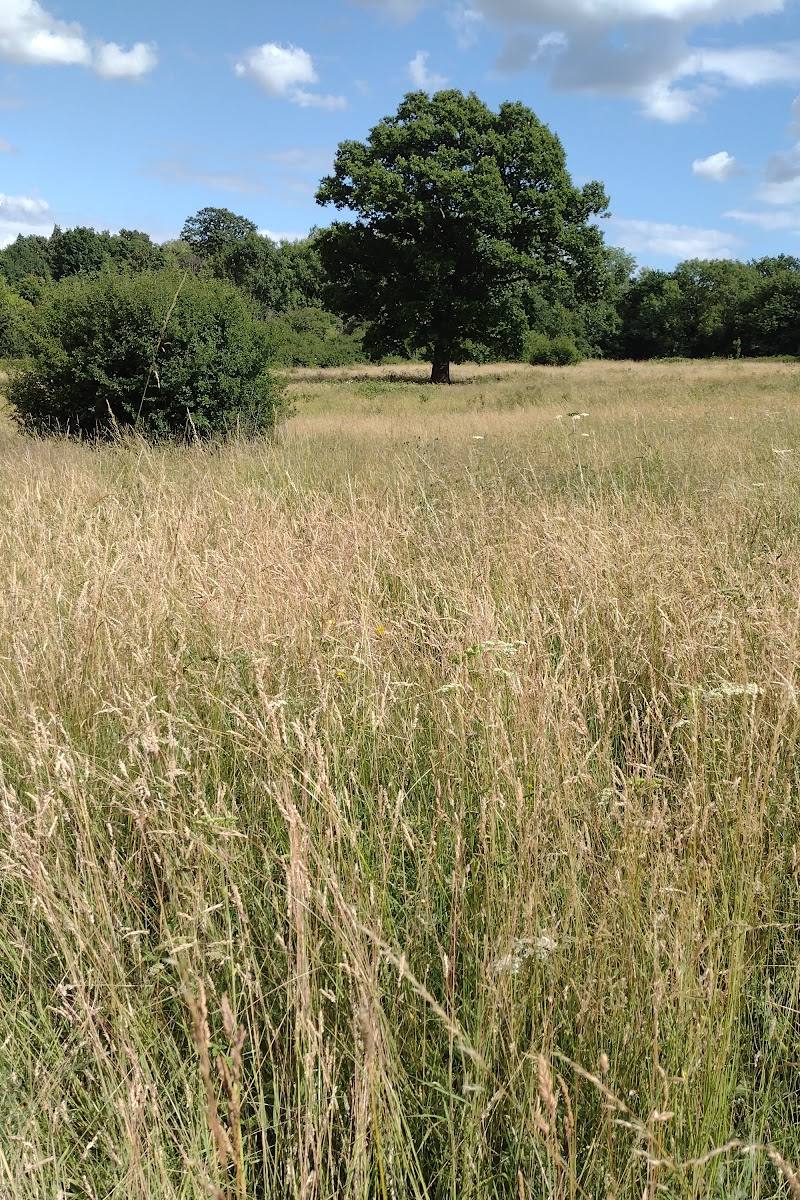
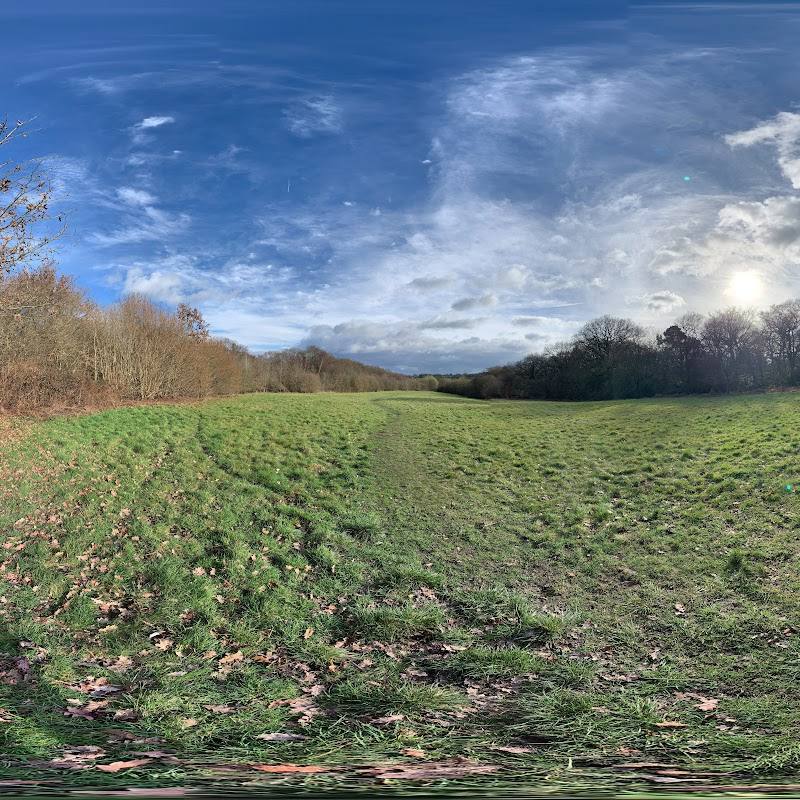
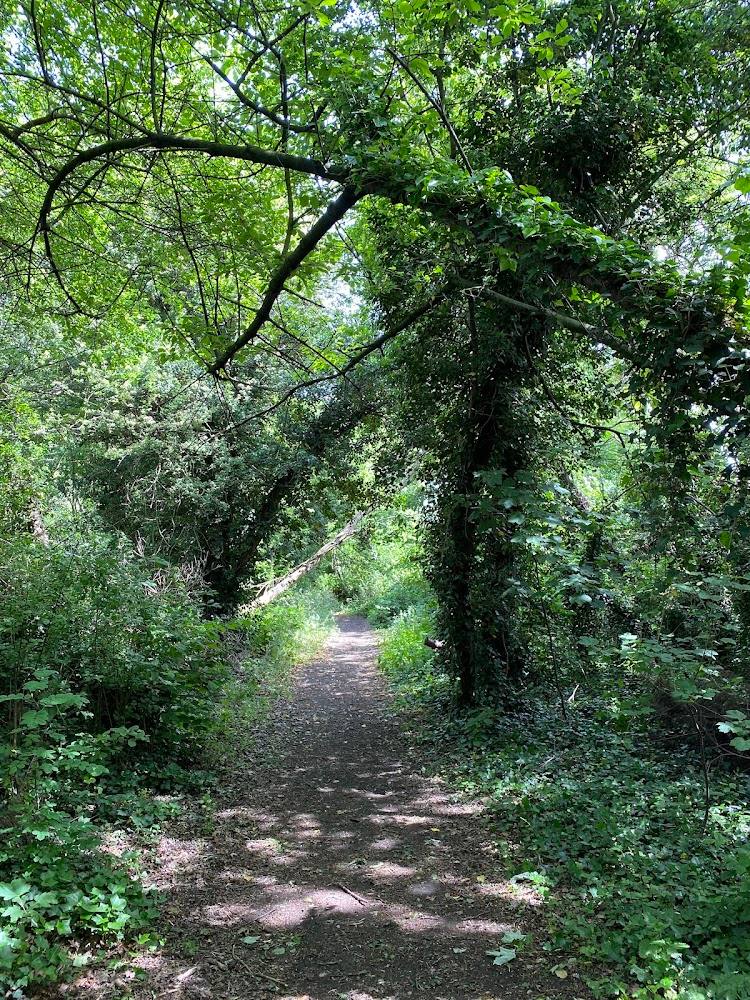
The appeal here is the unexpected change from railway to habitat: along a compact green corridor, woodland gives way to rough grassland and tall herbs, including the locally notable great burnet. It is a small reserve rather than a day-long wilderness, but its railway past and wildlife make for a distinctive short visit.
Atmospheric · Peaceful
Find your way
Open mapDevonshire Road, Mill Hill, London Borough of Barnet, NW7 3EL
Opening map…
Know this place a little better?
The experience
A short, limited-hours reserve visit for noticing how a disused railway corridor has developed into a varied wildlife site. Look for the change between wooded sections and open grassland, and take time over the wildflowers and habitat details.
Things to do
Notice the railway corridor’s changing habitats
Compare the wooded sections with the small glades of rough grassland and tall herbs that now occupy the former railway route.
Part of a short visit
Look for wildflowers in the grassland
The site record names burnet saxifrage and great burnet among the reserve’s wildflowers; great burnet is noted as rare in this type of uncultivated grassland.
Part of a short visit
Keep an eye out for slow-worms
The site record reports a large slow-worm population. They can be difficult to spot; observe wildlife without disturbing it.
Make a day of it
Quick escape · Under 1 hour
Quick railway-to-wildlife stroll
- 01
Check the reserve’s current access times before setting out.
- 02
Walk the accessible reserve section that is open to visitors.
- 03
Notice the transition between wooded habitat and rough grassland, and look for wildflowers and tall herbs.
Hidden details
Great burnet in the grassland — The site record specifically notes great burnet as a rare species usually associated with uncultivated grassland.
A railway route turned wildlife corridor — The reserve occupies the course of a railway abandoned in 1964; most of the site is now wooded, with grassland glades and tall herbs.
When to go
May · June · July · Visit during confirmed opening hours; no best time of day is established by the supplied sources.
Late spring and summer are a sensible time to look for the wildflowers and tall herbs recorded at the site. The sources do not give exact flowering dates.
Check conditions and access information before travelling. The supplied sources do not describe path surfaces or weather-related closures.
What to look for
Look for the contrast between wooded stretches, rough grassland and tall herbs. The site record notes great burnet, described as rare in this habitat, as well as slow-worms. Do not handle or disturb wildlife.
The story
Railway heritage
Best time to go
Late spring and summer for wildflowers and tall herbs; wildlife can be present throughout the year.
Late spring and summer are good times to look for the reserve’s wildflowers. Visit only during confirmed opening times; the supplied sources report limited access.
How long to spend
Under 1 hour
Perfect for
Walkers · Wildlife lovers · Photographers
Before you go
Address
Website
Listed hours
- Monday: Closed
- Tuesday: Closed
- Wednesday: Closed
- Thursday: Closed
- Friday: Closed
- Saturday: 10am-4pm
- Sunday: 10am-4pm
Check before visiting.
Google rating
Practical information
Opening & access
Access is limited to certain times. A current reserve listing gives Saturday and Sunday, 10am–4pm; check with Barnet Council before travelling, as these details may change. The Google Maps pin is for the reserve, not a confirmed entrance.
Check before visiting
Parking
Check before visiting; parking information is not confirmed.
Check before visiting
Toilets
Check before visiting.
Check before visiting
Food & drink
Check before visiting.
Check before visiting
Dogs
The source listing indicates dogs are allowed; check current reserve guidance and signage for any restrictions.
Check before visiting
Accessibility
A third-party search excerpt describes a 500-metre easy-access trail with no steps or steep gradients, but this is not confirmed by the supplied official sources. Check current route conditions and accessibility with the reserve manager before visiting.
Check before visiting
Cost
Check before visiting
Check before visiting
Water
No water feature confirmed.
Gallery
Place photographsKeep exploring
Around Mill Hill Old Railway Nature Reserve
Within 50 km · approximate straight-line distances