19 St Dunstan’s Road, London W6 8RD
Margravine Cemetery
Tiny historic site
Source image
4.7
Wildland
Under 1 hour
Time
Check
Cost
Peaceful
Feel
Why it's Wildland
4.7Opened in 1868 and first used for burial the following year, Margravine Cemetery became a Garden of Rest in 1951. Its present mix of grass and surviving memorials reflects a mid-century clearance that reshaped the site.
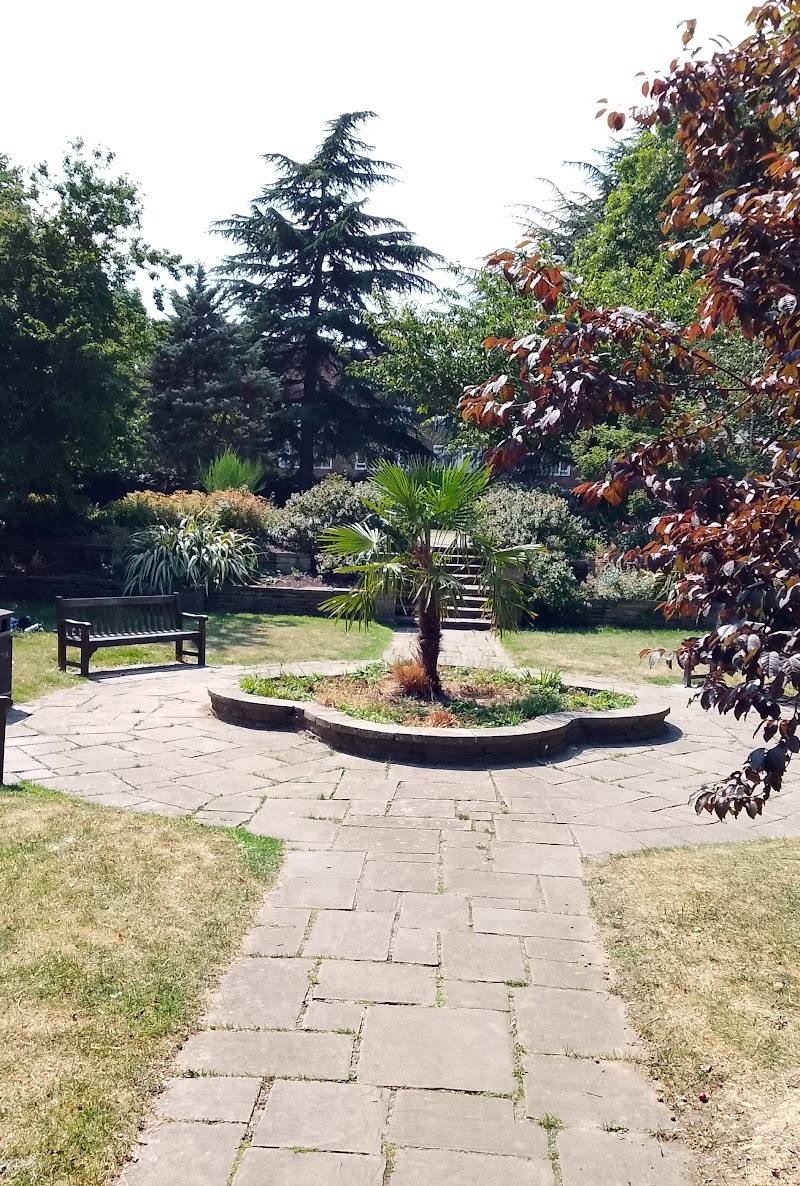
Margravine is a small but distinctive green pause in west London: Victorian memorials and a surviving Gothic chapel sit among varied trees, grassland and recorded breeding birds. Its appeal is quiet discovery rather than a large or remote landscape.
Peaceful · Atmospheric
Find your way
Open map19 St Dunstan’s Road, London W6 8RD
Opening map…
Know this place a little better?
The experience
A short, reflective visit focused on the cemetery’s surviving buildings and memorials, with a chance to notice its trees, grassland and birdlife. Treat it as a working public open space and check seasonal closing times before setting out.
Things to do
Find the surviving chapel of rest
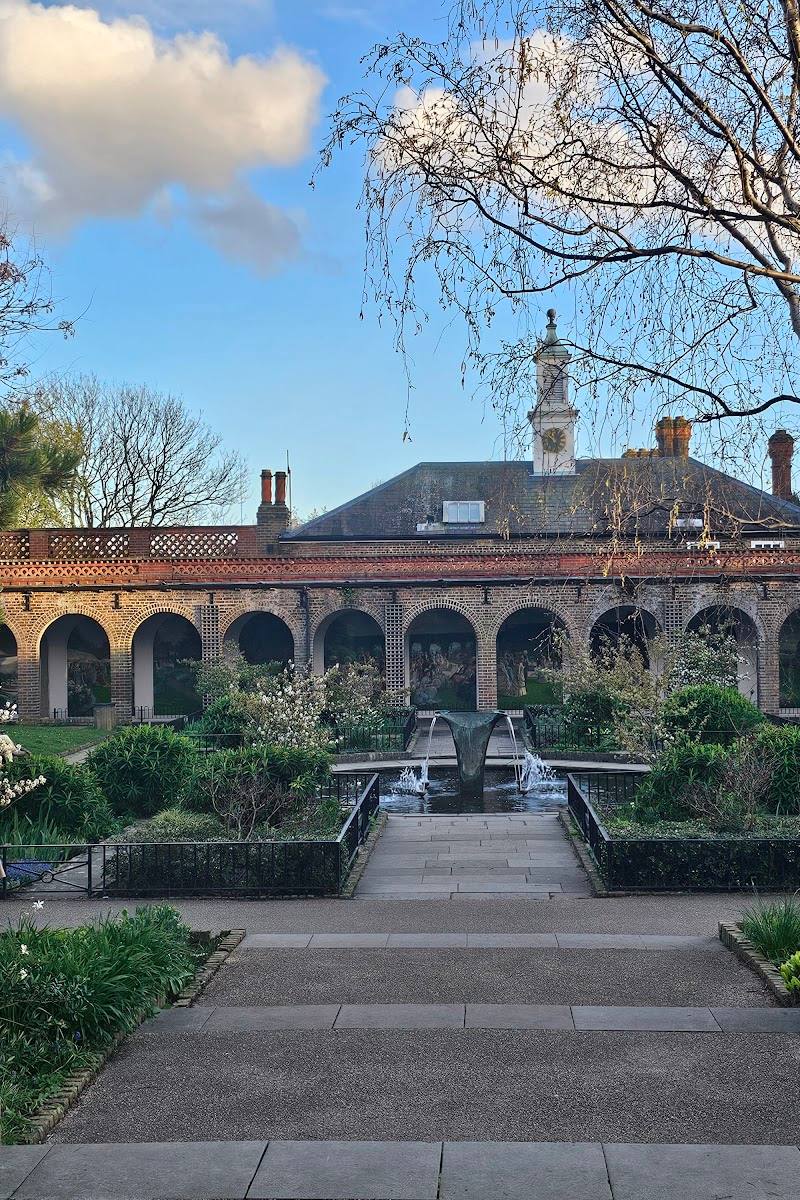
The council says two Gothic-style chapels were built for the cemetery; one chapel of rest survives, while the other was demolished in 1939.
Look for the Young family mausoleum
The council identifies this as the cemetery’s only mausoleum and one of its significant surviving memorials.
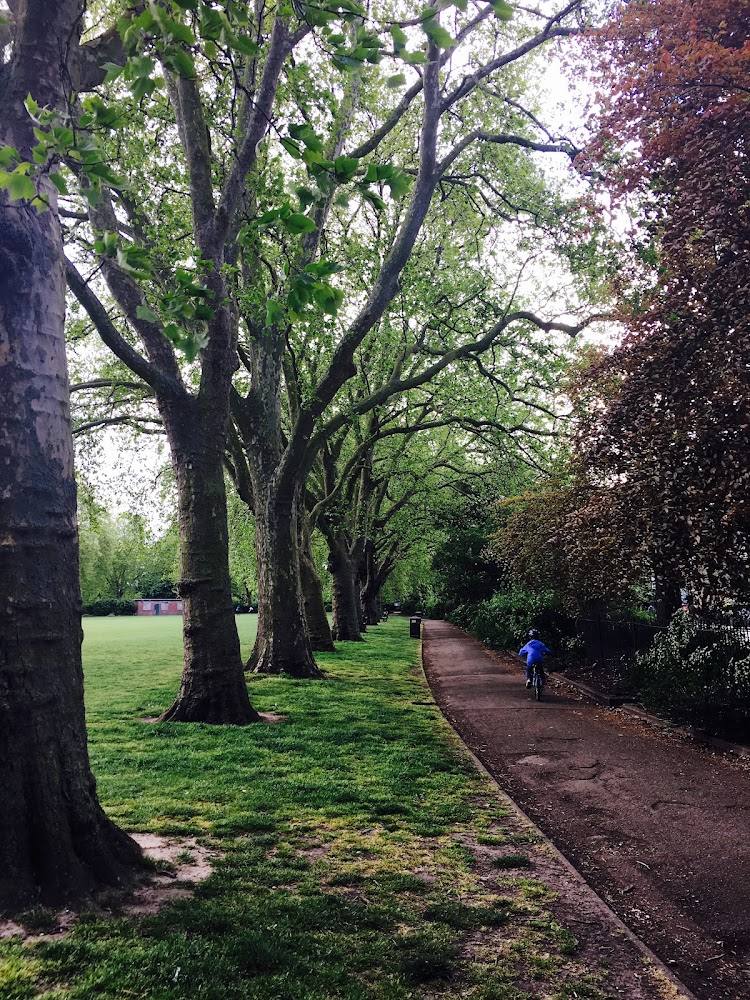
Notice trees, grassland and birdlife
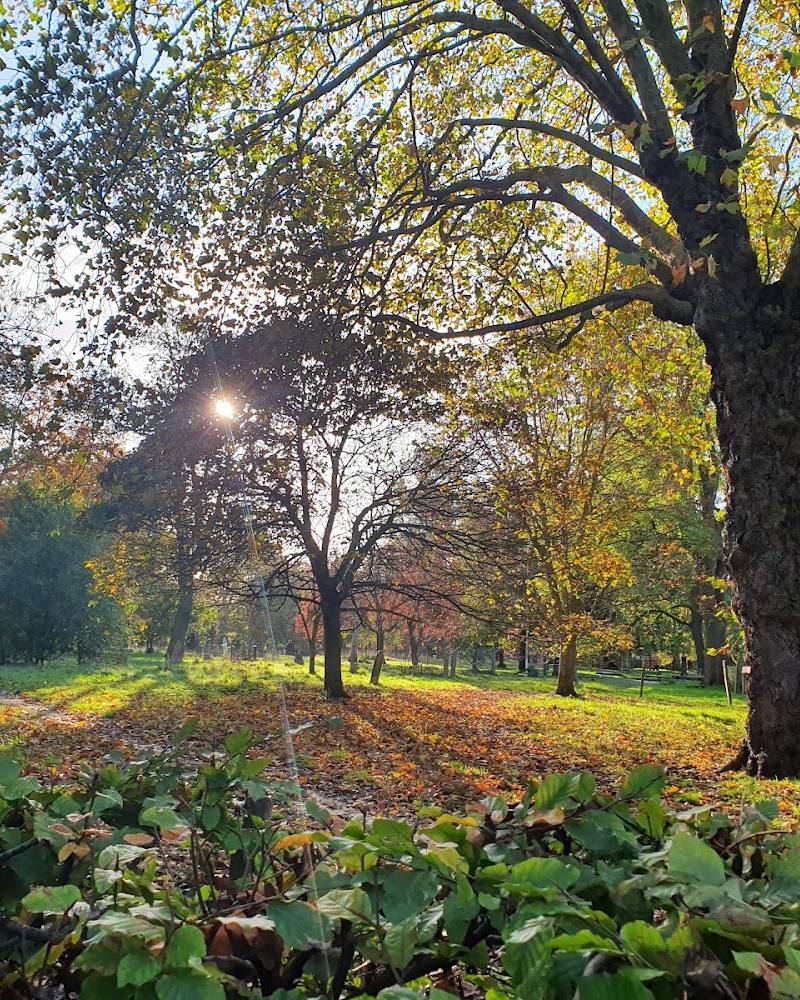
The Friends of Margravine Cemetery report many pairs of breeding birds, recorded monthly, and say the varied trees and grassland support biodiversity.
Read the landscape’s layers
The grounds now combine surviving gravestones with grassed areas, following a council clearance completed by 1965. Look for the contrast rather than expecting an intact Victorian cemetery throughout.
Make a day of it
Quick escape · Under 1 hour
A quiet cemetery wander
- 01
Enter during the cemetery’s current opening hours.
- 02
Look for the surviving chapel of rest and the Young family mausoleum.
- 03
Notice the contrast between the remaining memorials and the grassed areas.
- 04
Leave before the posted seasonal closing time.
Half day · Allow extra time beyond a brief visit
Memorials, buildings and nature
- 01
Explore the cemetery’s historic buildings and memorials at a considerate pace.
- 02
Take time to notice the varied trees and grassland.
- 03
Listen and look for birds; the Friends’ group says breeding birds are recorded monthly.
- 04
Check seasonal closing times before visiting.
Verified history
Margravine Cemetery opened in 1868 and its first burial took place on 3 November 1869. Local architect George Saunders designed modest Gothic-style lodges and two chapels; one chapel of rest survives, while the other was demolished in 1939. In 1951, the then Hammersmith Council turned the 16.5-acre site into a Garden of Rest, removing or burying many memorials and laying cleared areas to grass. That clearance was completed by 1965. The Young family mausoleum is identified by the council as the only mausoleum remaining in the cemetery. The site is part of the Barons Court Conservation Area, designated in April 1989.
Hidden details
A chapel survives from the original layout — Two Gothic-style chapels were designed for the cemetery; one chapel of rest remains, while its counterpart was demolished in 1939.
The cemetery’s changed appearance has a specific history — The grassed areas are not simply part of the original layout: they followed the Garden of Rest conversion begun in 1951 and completed in 1965.
When to go
· Visit within the cemetery’s current opening hours; check seasonal closing times before setting out.
The Friends’ group reports breeding birds and varied trees and grassland, but the supplied sources do not identify a best month or season for visiting.
Check before visiting; the supplied sources do not provide weather-specific advice.
What to look for
Look for the surviving chapel of rest, the Young family mausoleum—the cemetery’s only mausoleum—and the contrast between remaining gravestones and grass laid during the 1950s clearance. The Friends’ group also records breeding birds and highlights the varied trees and grassland.
The story
Victorian cemetery; Gothic architecture; memorials
Best time to go
Spring and summer for bird activity and the cemetery’s trees and grassland; the site’s seasonal closing times vary.
Visit during the cemetery’s published opening hours. The council advises that closing times vary by season; consult its current locking-time information before travel.
How long to spend
Under 1 hour
Perfect for
Solo · Couples · Photographers · History lovers · Wildlife lovers · Walkers
Before you go
Address
Website
Listed hours
- Monday: 7:30am-5pm
- Tuesday: 7:30am-5pm
- Wednesday: 7:30am-5pm
- Thursday: 7:30am-5pm
- Friday: 7:30am-5pm
- Saturday: 7:30am-5pm
- Sunday: 7:30am-5pm
Check before visiting.
Google rating
Practical information
Opening & access
A public open space managed by Hammersmith & Fulham Council. Opening and closing times vary by season; check the council’s current information before visiting.
Check before visiting
Parking
Check before visiting; the supplied sources do not confirm visitor parking.
Check before visiting
Toilets
Check before visiting
Check before visiting
Food & drink
Check before visiting
Check before visiting
Dogs
Check before visiting
Check before visiting
Accessibility
The source row reports a wheelchair-accessible entrance and car park, but the council source does not describe path surfaces or step-free routes within the grounds. Check current access details before visiting.
Check before visiting
Cost
Check before visiting
Check before visiting
Water
None verified
Gallery
Place photographsKeep exploring
Around Margravine Cemetery
Within 50 km · approximate straight-line distances