Syston Road, west of Cossington village, Leicestershire, LE7 4UZ, beside the River Soar
Cossington Meadows (Lower Moor Nature Reserve)
Mixed-habitat reserve
Place photograph
5.7
Wildland
1–2 hours
Time
Free
Cost
Peaceful
Feel
Why it's Wildland
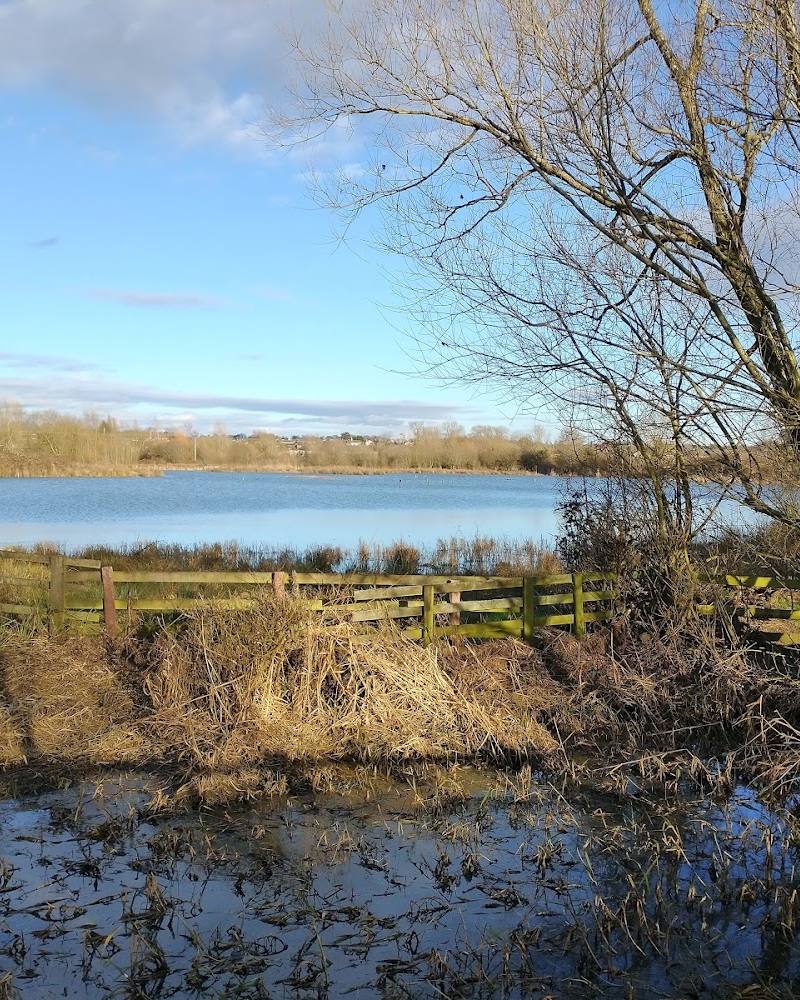
5.7Gravel workings transformed into a living wetland: Cossington Meadows’ lakes, pools and scrapes now draw wintering ducks, hunting owls and wading birds to the Soar Valley.
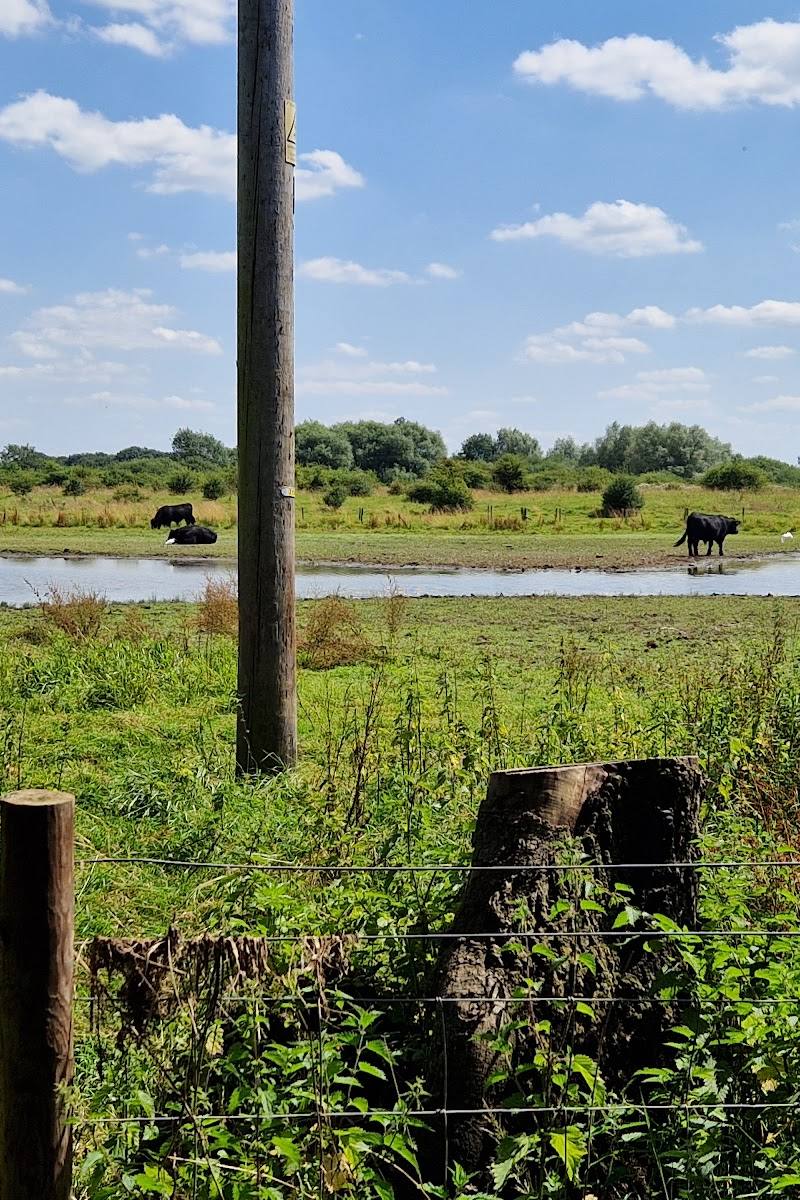
This is a working wetland landscape shaped by both gravel extraction and deliberate habitat restoration. Its appeal is in the changing seasonal mix: winter flocks and owls, shallow pools for waders, and the chance to scan the River Soar-side meadows for kingfishers and other wildlife.
Peaceful · Big-sky · Wild
Find your way
Open mapSyston Road, west of Cossington village, Leicestershire, LE7 4UZ, beside the River Soar
Opening map…
Know this place a little better?
The experience
Take a quiet walk through the wetland and meadow paths, stopping to watch the pools and scan the grassland. The reserve is open year-round; winter is especially rewarding for waterbirds and owls. Keep to public paths and follow local signs.
Things to do
Watch the wintering wildfowl
Look across the deep pools for ducks including wigeon, teal, gadwall and tufted duck. Winter is the strongest season for large gatherings; sightings vary.
20–40 minutes
Scan the meadows for hunting owls
Watch the grassland and fence posts for owls hunting or perching. The reserve reports short-eared owls in winter; sightings are not guaranteed.
15–30 minutes
Explore the pools and wetland margins
Walk the public paths and look along shallow water and muddy edges for waders, including lapwing and green sandpiper. Water levels and species change with the seasons.
30–60 minutes
Look for summer insects and amphibians
In warmer months, watch the pools and wet edges for dragonflies and butterflies; the reserve also records frogs, toads and grass snakes, which can be difficult to spot.
20–40 minutes
Follow a public-footpath circuit
The reserve has public footpaths and a circular walk is described by a birding guide. Check the reserve map and local signs for the current route; no precise route length is supplied here.
Make a day of it
Quick escape · 1–2 hours
A quiet wetland wander
- 01
Start from the main entrance or the public car park beside Cossington Parish Church; check signs for the route and access points.
- 02
Follow the public paths through the meadows and around the wetland pools, pausing to watch for waterbirds and birds of prey.
- 03
Return by the path you came on or use a signed public footpath if the route and conditions are clear.
Half day · Half day
Make time for the changing wetlands
- 01
Visit in winter if you want to look for gatherings of wigeon and teal and owls hunting over the meadows.
- 02
Take a slower circuit of the public paths, stopping at pools and muddy edges to look for waterfowl and waders.
- 03
Bring binoculars and allow time to watch rather than simply walk through; check conditions after heavy rain, when flooding can occur.
Verified history
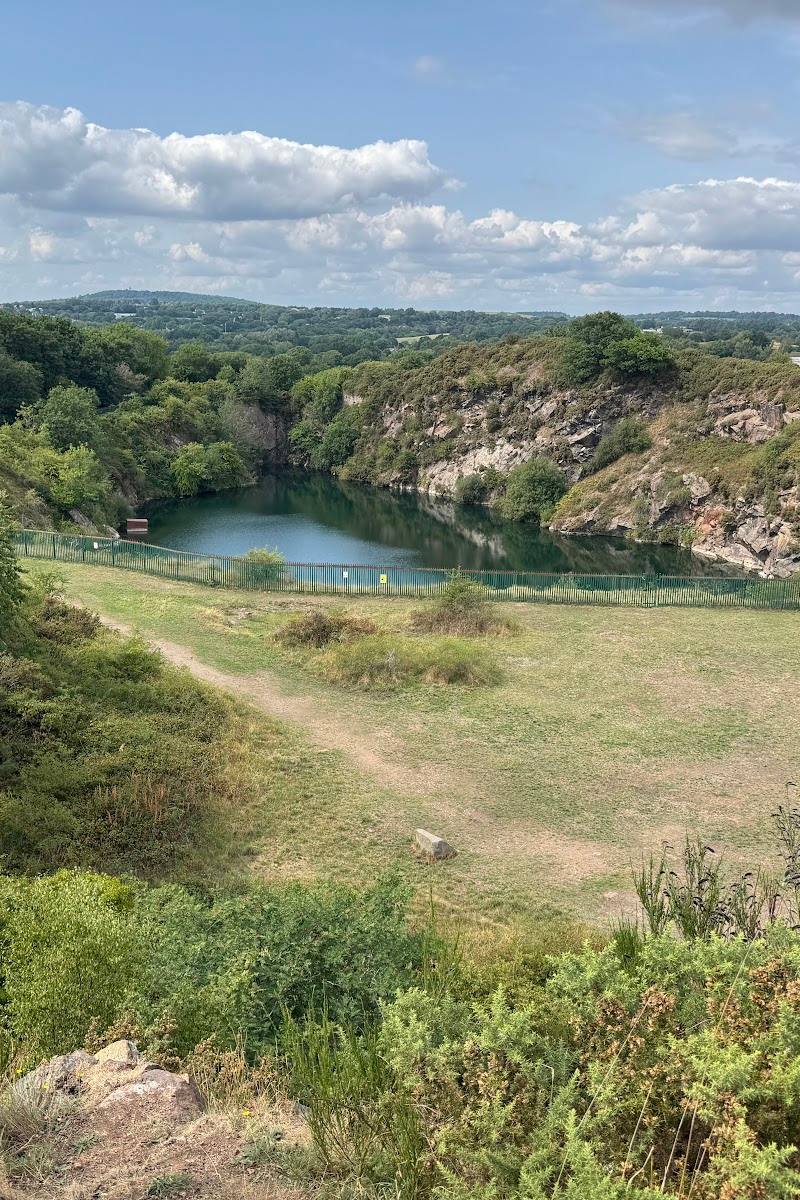
Gravel extraction reshaped the site during the 1980s and 1990s, leaving pits that filled with water. The reserve has since been managed for wetland wildlife, including through the creation of wader scrapes, ponds and reedbeds and the grazing of grassland. The landscape continues to change with natural flooding and water levels.
Hidden details
Floodwater makes temporary feeding pools — After heavy winter rain, floodwater can recede into shallow pools across the reserve. These may dry in summer, exposing muddy habitat used by wading birds.
The reserve is deliberately changing — The Wildlife Trust describes creating scrapes, reshaping ditch banks, digging ponds and establishing reedbeds to encourage wildlife and work with natural processes such as flooding.
When to go
November · December · January · February · March · April · May · June · A calm morning is a good time to watch wildlife; visit in winter for wildfowl and owls, or in spring and summer for migrant birds and insects.
The reserve offers wildlife interest through the year. Winter brings gatherings of ducks and hunting owls; spring and summer are better for migrant birds, dragonflies and butterflies. Flooding can alter the wetland and path conditions.
The River Soar and reserve can flood during heavy winter rain. Paths and shallow pools may be muddy or change with water levels; check current conditions and wear suitable footwear.
The route
- surface
- Wide paths are reported by the birding guide; surface varies and may be muddy
- difficulty
- Easy, according to the birding guide
- waymarking
- Check the reserve map and local signs
- route shape
- Circular walk described; confirm the current route on the reserve map
- start point
- Main entrance on Syston Road or public car park beside Cossington Parish Church
- parking start
- Off-road parking by the main entrance or small public car park beside Cossington Parish Church; confirm signs and availability
- shorter alternative
- Walk a short out-and-back section from an access point and return the same way; check conditions and public-path signs.
- Wetland pools and meadow
- Seasonal wildfowl and waders
- River Soar-side landscape
- Chance of seeing hunting owls
What to look for
- 01
Scan the pools for wigeon, teal, gadwall and tufted duck
- 02
watch muddy margins for lapwings and other waders
- 03
look over the meadows for hunting owls. Kingfishers, grey wagtails and kestrels are also recorded at the reserve. Wildlife sightings are never guaranteed.
The story
Industry
Best time to go
Winter for gathering wildfowl and the chance of seeing owls over the meadows; spring and summer bring migrant birds, dragonflies and butterflies.
Try a calm winter morning for ducks on the pools and owls hunting over the meadows. In spring and summer, look around shallow pools and muddy edges for wildlife, and watch for dragonflies and butterflies.
How long to spend
1–2 hours
Perfect for
Wildlife lovers · Birdwatchers · Walkers · Photographers · Families · Dogs
Practical information
Opening & access
The reserve is open at all times and entry is free. The official reserve page describes access from Syston Road and public footpaths entering at several points. Parking is available off the road by the main entrance or in the small public car park beside Cossington Parish Church. Paths may be affected by winter flooding; check current conditions before visiting.
Check before visiting
Parking
Small public car park beside Cossington Parish Church; parking is also described off the road outside the main entrance on Syston Road. Check local signs and current arrangements.
Check before visiting
Toilets
No on-site toilets are listed by the source row; check before visiting.
Check before visiting
Food & drink
No on-site café is listed by the source row. Cossington village has a pub and local shops according to the source row; check opening details before visiting.
Check before visiting
Dogs
Dogs on a lead, according to the reserve information.
Accessibility
The source row says some paths are suitable for wheelchair users, with assistance potentially needed on natural terrain. Check route conditions before setting out.
Check before visiting
Cost
Free
Water
River, ponds, wetland pools
Gallery
Place photographsKeep exploring
Around Cossington Meadows (Lower Moor Nature Reserve)
Within 50 km · approximate straight-line distances
 Source image6.5
Cossington Meadows
Syston Road, west of Cossington village, Leicestershire, LE7 4UZ
0.3 km away

 Place photograph5.2
Dishley Pool
Cotton Way, north-west of Loughborough, Leicestershire LE7 4UZ
11.1 km away