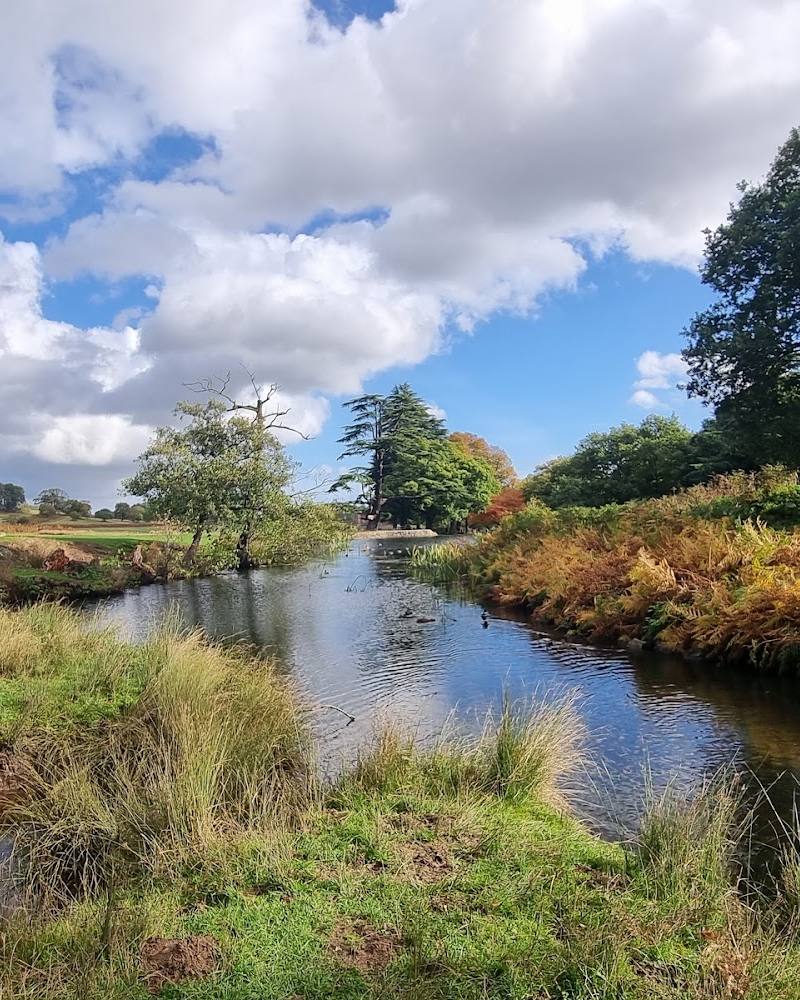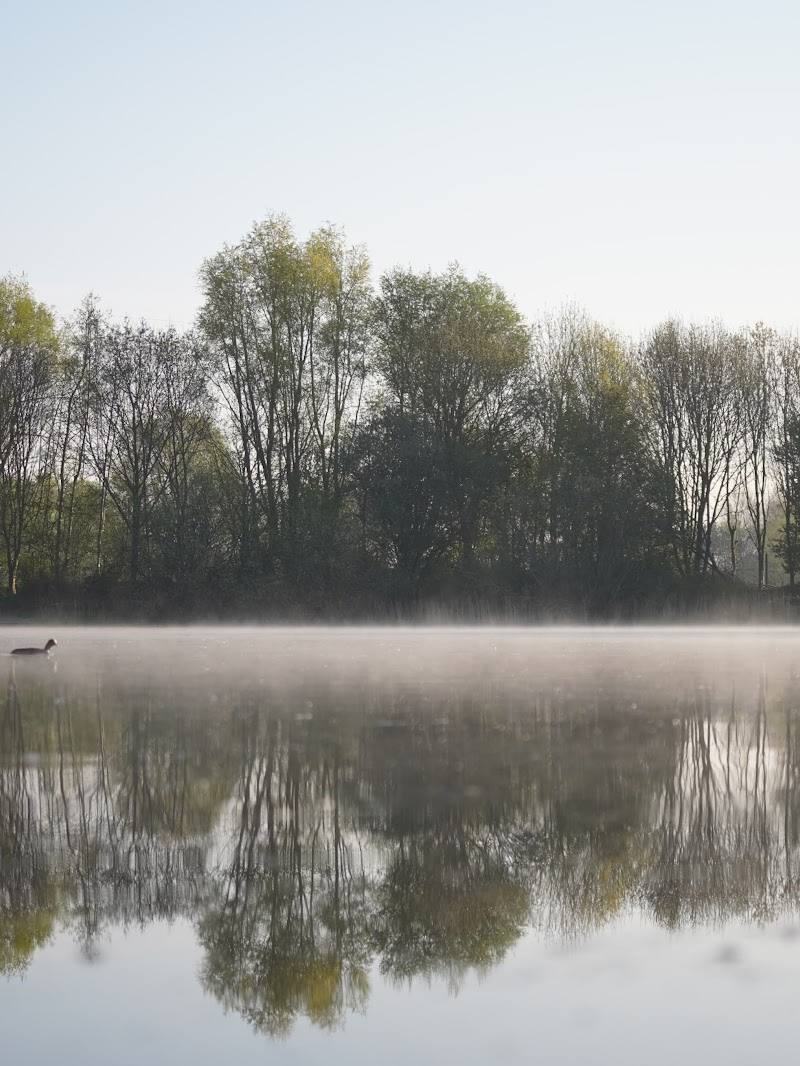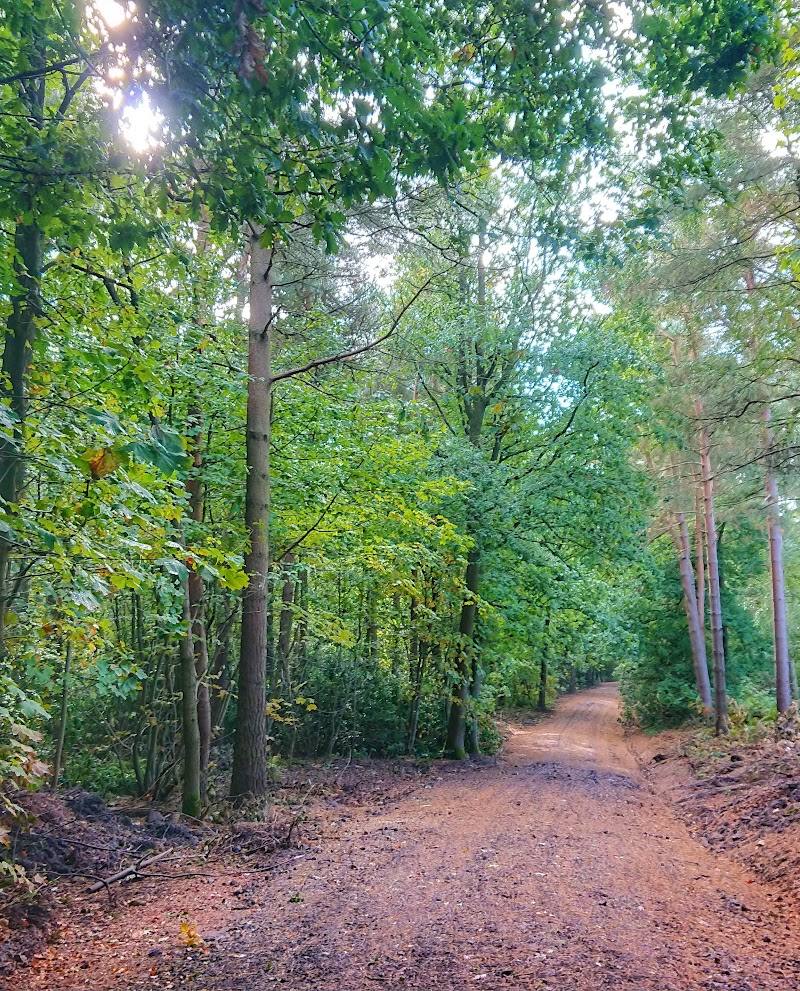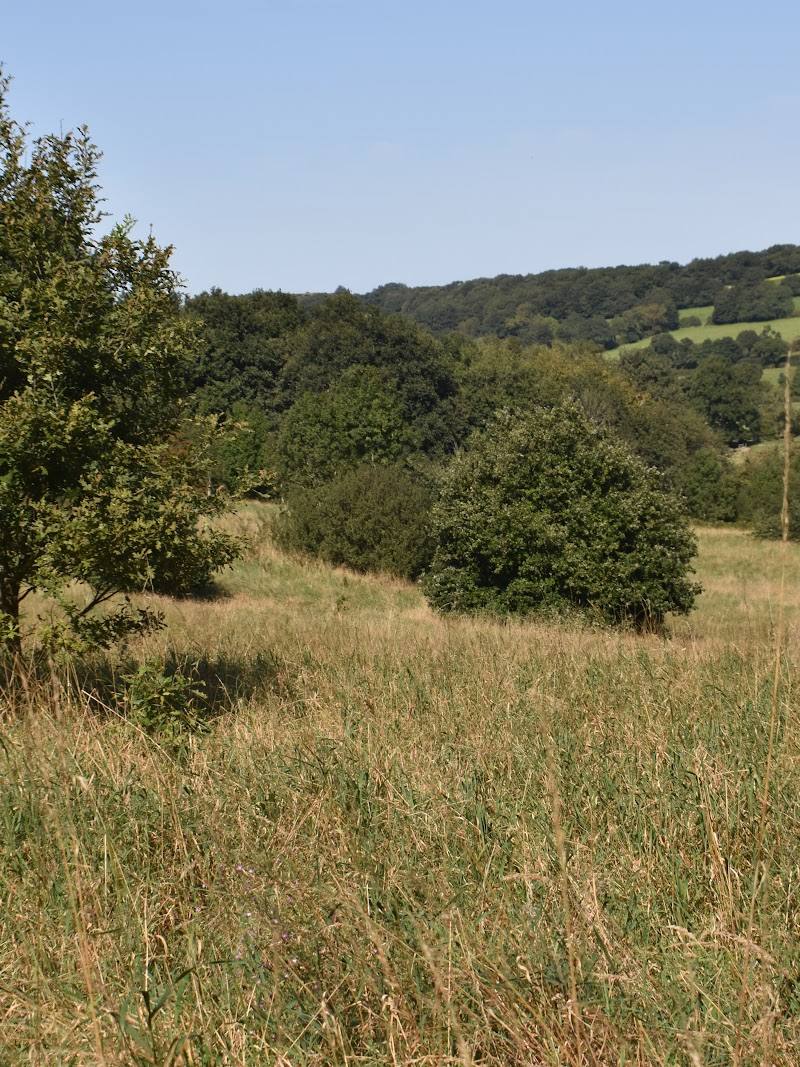
Warren Hills Road, Copt Oak, Leicestershire LE67 4UY
Charley Woods
Mixed-habitat reserve
Place photograph
6.8
Wildland
1–2 hours
Time
Free
Cost
Peaceful
Feel
Why it's Wildland
6.8Three distinct parts make up this 27-hectare reserve: ancient Burrow Wood, Cat Hill Wood and the field between them, which the Wildlife Trust is allowing to regenerate naturally into woodland.
Charley Woods offers more than a bluebell-season stroll: ancient oak woodland, standing deadwood and a changing field-to-woodland project give the reserve both wildlife interest and a story that is still unfolding. Go in spring for the bluebells, or visit year-round for woodland birds.
Peaceful · Secluded · Ancient-feeling
Find your way
Open mapWarren Hills Road, Copt Oak, Leicestershire LE67 4UY
Opening map…
Know this place a little better?
The experience
Allow a couple of hours to explore the reserve’s woodland and field. Spring brings the bluebell display; look and listen for woodland birds throughout the year. Follow the Trust’s access information and stay within the available paths.
Things to do
See the spring bluebells
Visit in spring for the woodland’s stated bluebell display.
Listen and look for woodland birds
The Wildlife Trust lists nuthatch, treecreeper, great spotted and green woodpeckers, tawny owl, kestrel and jay among the reserve’s birds.
Notice the changing woodland edge
The reserve’s field between Burrow Wood and Cat Hill Wood is part of a long-term project to let it regenerate naturally into woodland.
Make a day of it
Quick escape · About 1 hour
Quick Escape: a bluebell-season woodland wander
- 01
Park in the layby on the main road and walk about 750m along the signposted track to the reserve.
- 02
Explore the woodland paths, looking for spring bluebells and listening for woodland birds.
- 03
Return to the roadside layby by the access track.
Half day · A couple of hours
Make a couple of hours of it: woods, field and birds
- 01
Walk in from the roadside layby; do not drive down the access track.
- 02
Explore the reserve’s two woodland sections, Burrow Wood and Cat Hill Wood, and the field between them.
- 03
Look for bluebells in spring, and take time to watch or listen for the woodland birds listed by the Wildlife Trust.
- 04
Return to the layby by the access route.
Verified history
The Wildlife Trust describes Burrow Wood as ancient woodland dating from the mid-1500s, dominated by pedunculate oak with occasional ash and sycamore. It also notes that mature elms once stood by the entrance; only scattered elm suckers remain. The reserve’s central field is part of a long-term project to allow natural woodland regeneration.
Hidden details
A field becoming woodland — The field between Burrow Wood and Cat Hill Wood is being allowed to regenerate naturally, making the reserve a place to observe a changing woodland edge as well as established trees.
Look for traces of elm — The Wildlife Trust says mature elms once grew at the now-open entrance to Burrow Wood; scattered elm suckers remain.
When to go
· Check before visiting; no particular time of day is specified by the source.
The Wildlife Trust names spring as the best time for the bluebell display. It also describes the reserve as worthwhile throughout the year for its tree diversity, standing deadwood, insects and birds.
Check conditions before visiting; the source does not provide weather or path-condition guidance.
What to look for
In spring, look for the bluebell display. In the woods, watch for nuthatches, treecreepers, great spotted and green woodpeckers, tawny owls, kestrels and jays. Notice the standing deadwood and the contrast between the woods and the regenerating field.
The story
Ancient woodland; the reserve includes Burrow Wood, described by the Wildlife Trust as ancient woodland dating from the mid-1500s.
Best time to go
Spring for bluebells; the reserve is described as worthwhile throughout the year for woodland birds and wildlife.
Spring is the stated best time to visit, when the bluebells are at their best. The reserve is also worth visiting throughout the year for woodland birds.
How long to spend
1–2 hours
Perfect for
Walkers · Wildlife lovers · Photographers
Before you go
Address
Website
Listed hours
- Monday: 8am-10pm
- Tuesday: 8am-10pm
- Wednesday: 8am-10pm
- Thursday: 8am-10pm
- Friday: 8am-10pm
- Saturday: 8am-10pm
- Sunday: 10am-4pm
Check before visiting.
Google rating
Practical information
Opening & access
Leicestershire and Rutland Wildlife Trust says the reserve is always open and free to enter. From Warren Hills Road, use the track signposted as a public right of way and walk about 750m to the reserve. Do not drive down the track.
Parking
Park in the layby off the main road, then walk about 750m to the reserve. There is no parking at the woods; do not drive down the track.
Toilets
Check before visiting
Check before visiting
Food & drink
Check before visiting
Check before visiting
Dogs
Dogs on a lead.
Accessibility
Access involves a walk of about 750m from the roadside layby. The source describes a tarmac track and a field-crossing option, but does not provide accessibility details for the reserve paths; check before visiting.
Check before visiting
Cost
Free
Gallery
Place photographs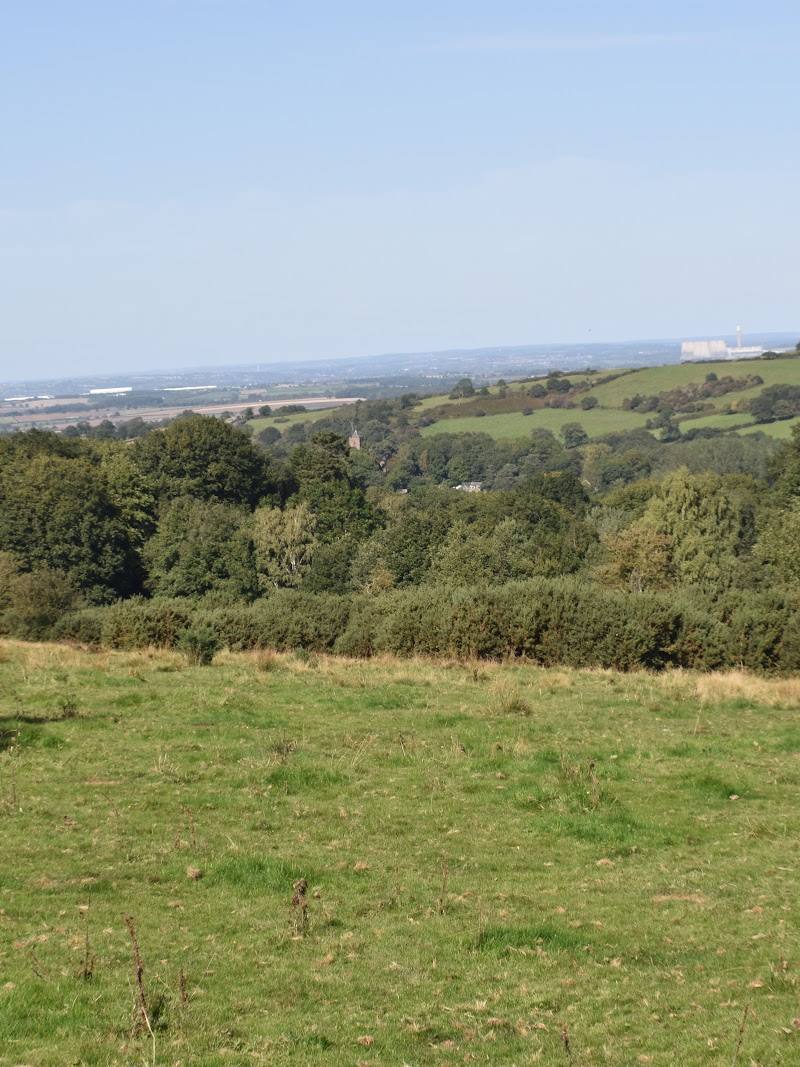

Keep exploring
Around Charley Woods
Within 50 km · approximate straight-line distances
 Place photograph7.1
Hill Hole Nature Reserve
Hill Lane, near Markfield, Leicestershire, LE67 9UD
4.6 km away
 Place photograph6.2
Kelham Bridge Nature Reserve
Ravenstone, near Coalville, Leicestershire
7.6 km away