Warren Hills Road, near Copt Oak and Coalville, Leicestershire
Charnwood Lodge National Nature Reserve
Mixed-habitat reserve
Source image
6.8
Wildland
Check marked-path options and access arrangements before deciding how long to spend.
Time
Check
Cost
Wild
Feel
Why it's Wildland
6.8A 197-hectare reserve where Charnwood Forest’s ancient trees, grassland and spring birdsong meet exposed Precambrian rock formed around 600 million years ago.
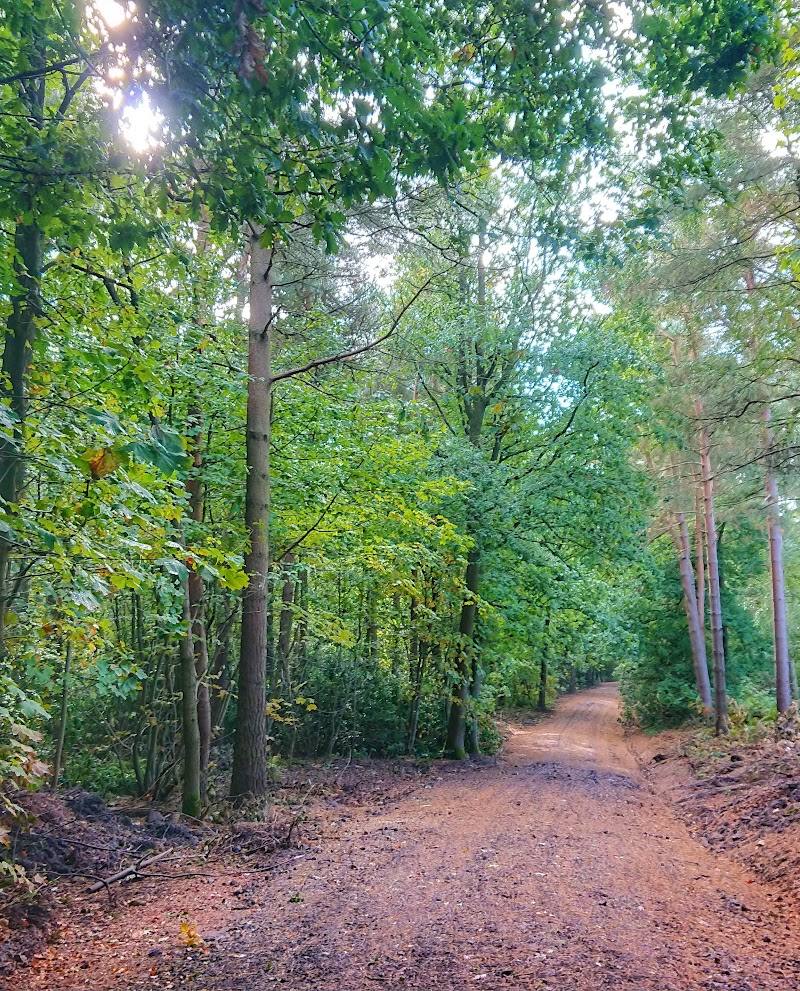
This is more than a woodland walk: nearly 200 hectares of mixed habitats combine old trees, summer butterflies and striking ancient rock outcrops. Its restricted access makes checking the Wildlife Trust’s current arrangements essential before setting out.
Wild · Atmospheric
Find your way
Open mapWarren Hills Road, near Copt Oak and Coalville, Leicestershire
Opening map…
Know this place a little better?
The experience
A reserve visit for Wildlife Trust members, following marked paths through woodland and grassland, with time to notice the rocky outcrops and seasonal wildlife. Confirm access and parking arrangements before setting out.
Things to do
Explore the marked reserve paths
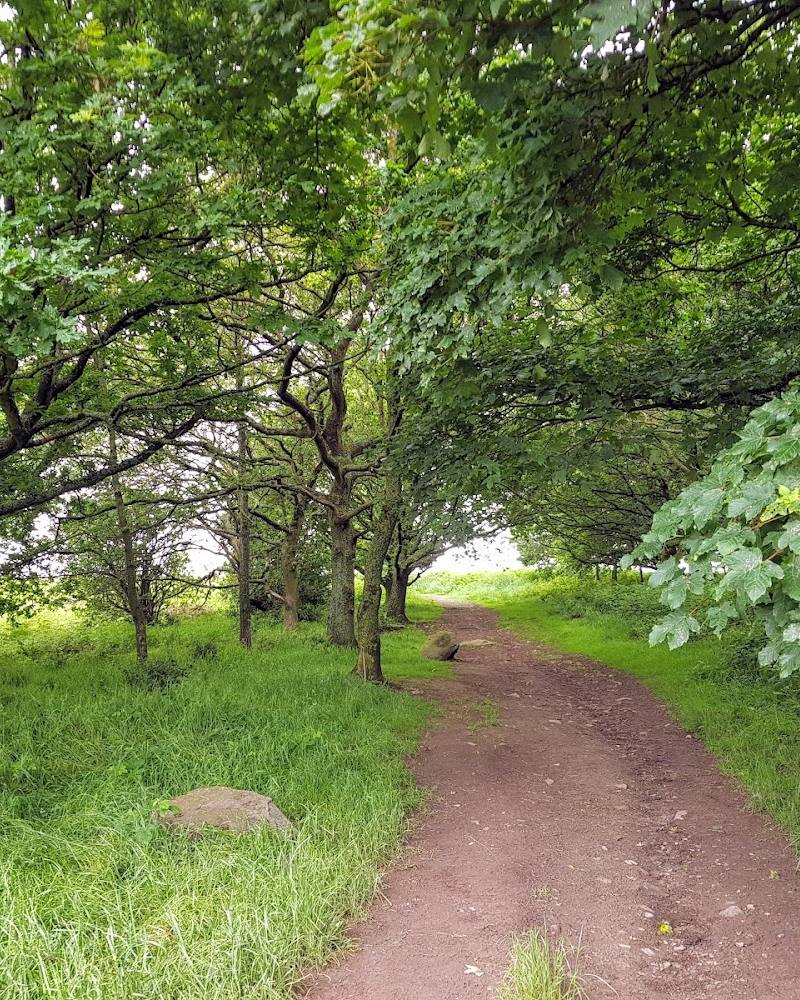
Follow one of the reserve’s marked paths through its woodland and grassland. Check the reserve map and access arrangements first; the Wildlife Trust asks visitors to keep to marked paths.
Look for the ancient rock outcrops
Notice the prominent Precambrian rock outcrops rising through the surrounding marl and Triassic deposits.
Watch and listen for seasonal wildlife
The Wildlife Trust highlights spring birdsong and summer butterflies. Birdingplaces lists woodland birds and seasonal birds associated with the reserve; sightings are not guaranteed.
Make a day of it
Quick escape · Check the chosen path and allow time accordingly
The marked-path nature walk
- 01
Confirm your access eligibility and the current reserve map with the Wildlife Trust before travelling.
- 02
Follow a marked path through the reserve, as requested by the Wildlife Trust.
- 03
Pause to look for the exposed ancient rock and seasonal wildlife; keep to the paths and watch for livestock.
Verified history
The supplied sources document the reserve’s geological story rather than a detailed human history: prominent Precambrian rock outcrops, around 600 million years old, project through surrounding marl and Triassic deposits.
Hidden details
A very old geological foundation — The reserve’s visible rock outcrops are identified by the Wildlife Trust as Precambrian and around 600 million years old.
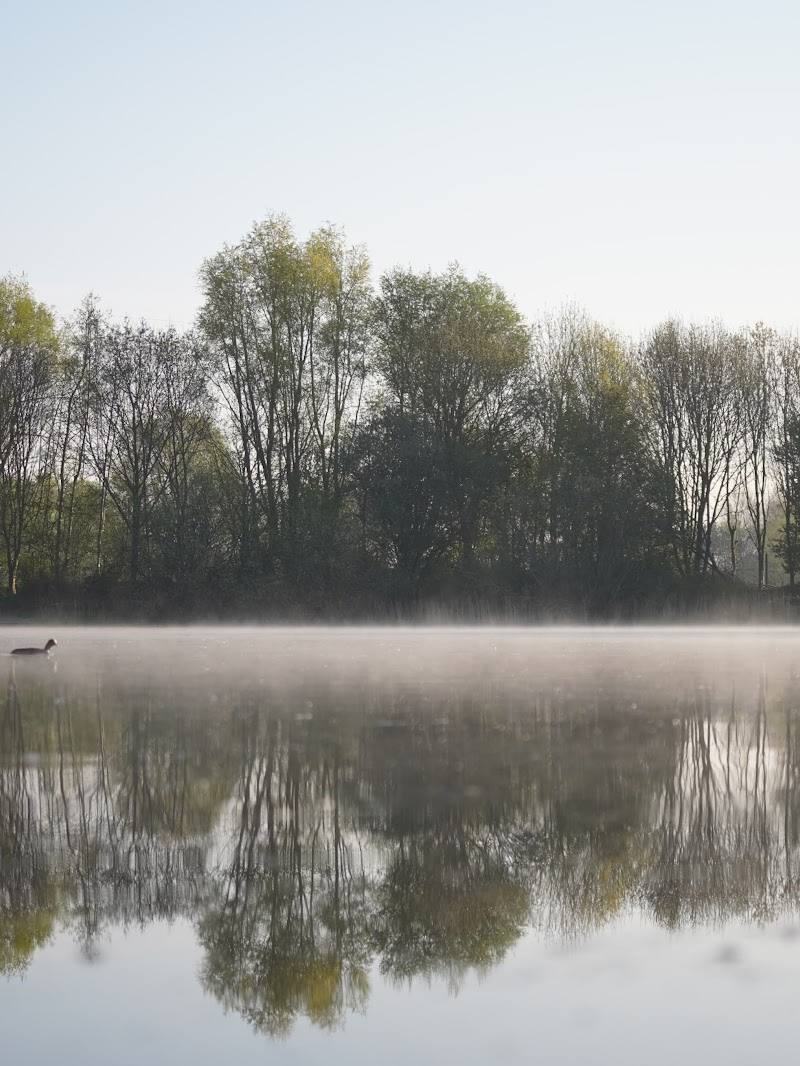
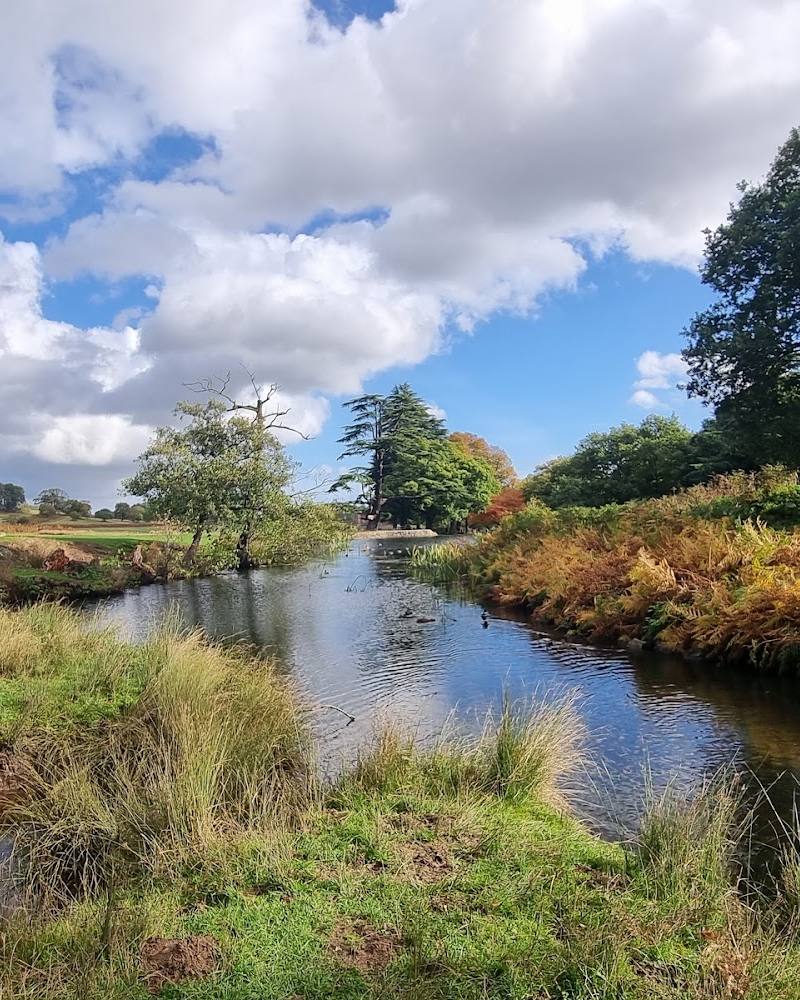
A varied reserve, not just woodland — Birdingplaces describes a mix of woodland, meadow, rocky outcrops and a small lake; the Wildlife Trust also highlights grassland, woodland and ancient trees.
When to go
· No particular time of day is specified in the supplied sources.
The Wildlife Trust recommends spring and notes spring migrant birds, summer butterflies and fiery golden autumn woodland. Birdingplaces describes birding interest throughout the year.
Check conditions before visiting. The supplied sources do not specify weather-related closures or surface conditions.
What to look for
Look for the prominent Precambrian rock outcrops, woodland birds in spring, butterflies over the grassland in summer, and the reserve’s autumn colour. Livestock may be present.
The story
Geological heritage; Precambrian rock outcrops
Best time to go
Spring, the Wildlife Trust’s recommended season; the reserve also has seasonal interest in summer and autumn.
Spring is the Wildlife Trust’s suggested time to visit. Birdingplaces also identifies spring as a good birding season; the official reserve page notes summer butterflies and autumn colour.
How long to spend
Check marked-path options and access arrangements before deciding how long to spend.
Perfect for
Walkers · Wildlife lovers · Photographers · History lovers
Before you go
Address
Phone
Website
Google rating
Practical information
Opening & access
Access is restricted in parts of the reserve. The Wildlife Trust says members can use marked paths; parking is for members, and entry via Abbey Road requires access details from the Trust. Check the reserve map and current access arrangements before travelling.
Check before visiting
Parking
Parking is for Leicestershire and Rutland Wildlife Trust members. Members can also use a limited layby on Warren Hills Road; Abbey Road parking requires access details from the Trust.
Toilets
Check before visiting
Check before visiting
Food & drink
Check before visiting
Check before visiting
Dogs
Dogs must be kept on a lead.
Accessibility
The supplied source data says the car park and entrance are not wheelchair accessible. Confirm current conditions with the reserve manager.
Cost
Check before visiting
Check before visiting
Water
Pond, stream, reservoir
Gallery
Place photographsKeep exploring
Around Charnwood Lodge National Nature Reserve
Within 50 km · approximate straight-line distances
 Place photograph7.1
Hill Hole Nature Reserve
Hill Lane, near Markfield, Leicestershire, LE67 9UD
5.4 km away
 Place photograph6.2
Kelham Bridge Nature Reserve
Ravenstone, near Coalville, Leicestershire
6.7 km away