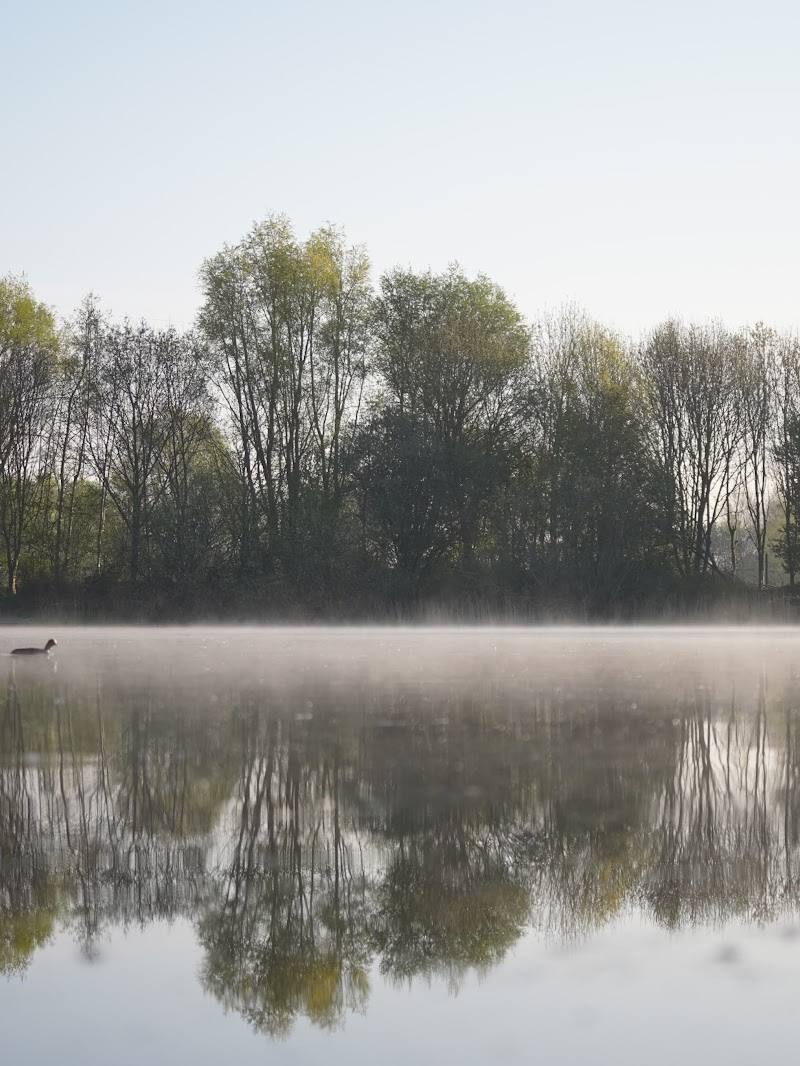
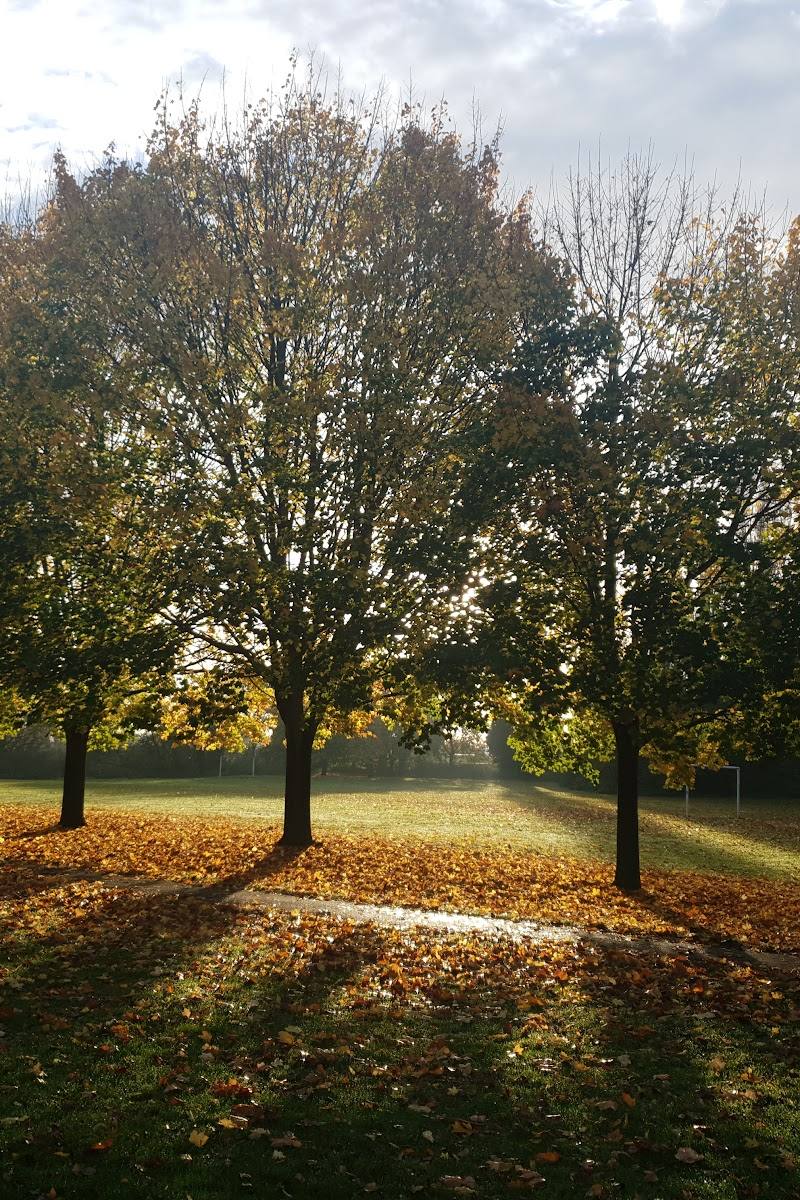
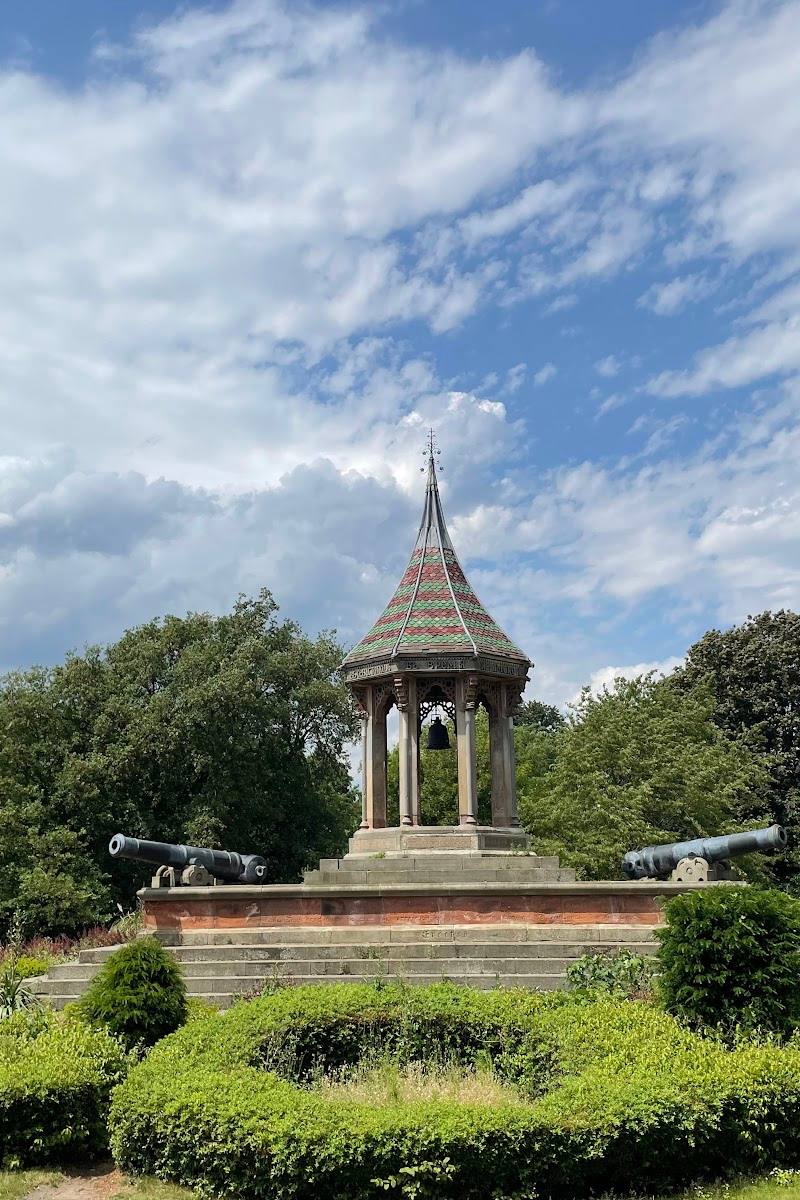
Off Lings Lane, south of Keyworth, Nottinghamshire
Keyworth Meadow Nature Reserve
Mixed-habitat reserve
Place photograph
5.1
Wildland
Under 1 hour
Time
Free
Cost
Peaceful
Feel
Why it's Wildland
5.1A small meadow on the edge of Keyworth holds traces of an older river landscape: wet hollows are former Fairham Brook meanders, stranded when the brook was straightened before 1800. Flower-rich grassland, scrub and ponds now make this modest reserve a place to slow down and look closely.
Keyworth Meadow earns its place through the details of a small, changing landscape: flower-rich grassland, ponds, scrub and old brook meanders sit just beyond the village. It is a simple countryside visit rather than a fully equipped reserve, and recent management concerns make checking conditions worthwhile.
Peaceful · Quiet
Find your way
Open mapOff Lings Lane, south of Keyworth, Nottinghamshire
Opening map…
Know this place a little better?
The experience
A short, informal nature visit focused on meadow flowers, ponds and the remains of old brook meanders. The approach is on an unmade lane, and recent information from the reserve’s manager suggests visitor conditions may be overgrown.
Things to do
Look for the old brook meanders
Explore the wetter hollows: the reserve explains that these are former bends of Fairham Brook, stranded when the brook was straightened sometime before 1800.
Search the meadow for seasonal flowers
The reserve’s species notes list cuckoo-flower and lesser celandine in spring, and yellow iris and meadowsweet in summer. Stay on suitable paths and avoid trampling the meadow.
Watch and listen for seasonal wildlife
The reserve notes spring brimstone butterflies and chiffchaff song, summer large skipper butterflies, and winter fieldfares and redwings. Sightings vary, so take time and observe quietly.
Notice the meadow’s changing habitats
Compare the flowery grassland with the elder and hawthorn scrub on the drier slopes and old meanders, and the sedges and rushes in wetter ground.
Make a day of it
Quick escape · Allow time for a short visit; exact walking time is not published.
A short meadow wander
- 01
Follow Lings Lane from Keyworth towards the reserve entrance; the approach is on an unmade track.
- 02
Enter via the signed gate and stile, then take a quiet look across the meadow and its wetter areas.
- 03
Pause by the ponds and look for seasonal flowers or wildlife before returning the same way.
Half day · A half-day outing is possible, but no measured route or duration is published.
Make time for Lings Lane and the meadow
- 01
Walk south from Keyworth Square along Main Street towards Wysall, then continue down Lings Lane as described by the reserve.
- 02
Take time on the approach to notice the hedgerows and countryside, then explore the meadow, ponds and wetter former brook meanders.
- 03
Bring refreshments: on-site food and toilets are not reported. Check current track and vegetation conditions before setting out.
Verified history
Keyworth Parish Council established the reserve as a conservation area in 1985, after exchanging two acres of rough grazing land with a local landowner for nearby Stonepits. The meadow’s wetter hollows are former Fairham Brook meanders; the brook was straightened sometime before 1800, leaving those bends stranded. The reserve is managed as a community asset and nature reserve.
Hidden details
A stream’s abandoned bends — The damp hollows within the meadow are not simply low spots: they mark old Fairham Brook meanders left stranded when the brook was straightened before 1800.
When to go
April · May · June · July · A quiet morning is a sensible choice for watching and listening for wildlife; no specific visiting time is published.
Spring brings lesser celandine, cuckoo-flower and brimstone butterflies. Summer brings flowering grasses, yellow iris, large skipper butterflies and July meadowsweet. The reserve also records autumn berries and wintering fieldfares and redwings.
The approach along Lings Lane can be very muddy after wet weather. The reserve’s manager reported in August 2026 that vegetation could be overgrown and recommended thornproof clothing; check current conditions before going.
What to look for
Look for the wetter hollows that mark former brook meanders, the ponds, and the contrast between flower-rich grassland, hawthorn and elder scrub. The reserve’s species notes mention spring cuckoo-flower and brimstone butterflies, summer yellow iris and large skipper butterflies, and winter fieldfares and redwings.
The story
Archaeology
Best time to go
Spring to early summer for spring flowers and butterflies; summer for meadow plants and insects. Autumn and winter bring different interest, including berries and visiting fieldfares and redwings.
Try spring for lesser celandine, cuckoo-flower and brimstone butterflies. In summer, look for yellow iris, large skipper butterflies and meadowsweet; the reserve notes that meadowsweet flowers in July and smells of honey.
How long to spend
Under 1 hour
Perfect for
Walkers · Wildlife lovers · Photographers · Families
Practical information
Opening & access
The reserve is described by its own website as open-access countryside. The approach is along an unmade track, with an entrance gate and stile; the lane can be very muddy after wet weather. The reserve’s manager reported in August 2026 that it had been looking neglected and warned visitors to wear thornproof clothing. Check current conditions before setting out.
Check before visiting
Parking
The source row reports nearby parking, but the reserve’s own website gives directions from a car park at the burial ground on Wysall Lane for its 2027 guided walk. Confirm current parking arrangements before visiting.
Toilets
No on-site toilets reported; check before visiting.
Check before visiting
Food & drink
No on-site café or refreshments reported; bring your own.
Dogs
Keep dogs under control; the reserve’s website advises thornproof clothing for current overgrown conditions. Check for any updated guidance before visiting.
Check before visiting
Accessibility
The approach includes an unmade track and the entrance has a stile. The reserve website notes the track can be very muddy after rain. Not all areas are wheelchair accessible; check current conditions and access before visiting.
Check before visiting
Cost
Free
Water
Brook, ponds
Gallery
Place photographsKeep exploring
Around Keyworth Meadow Nature Reserve
Within 50 km · approximate straight-line distances
 Place photograph6.1
Skylarks Nature Reserve
Holme Pierrepont, near Nottingham, Nottinghamshire
10.0 km away
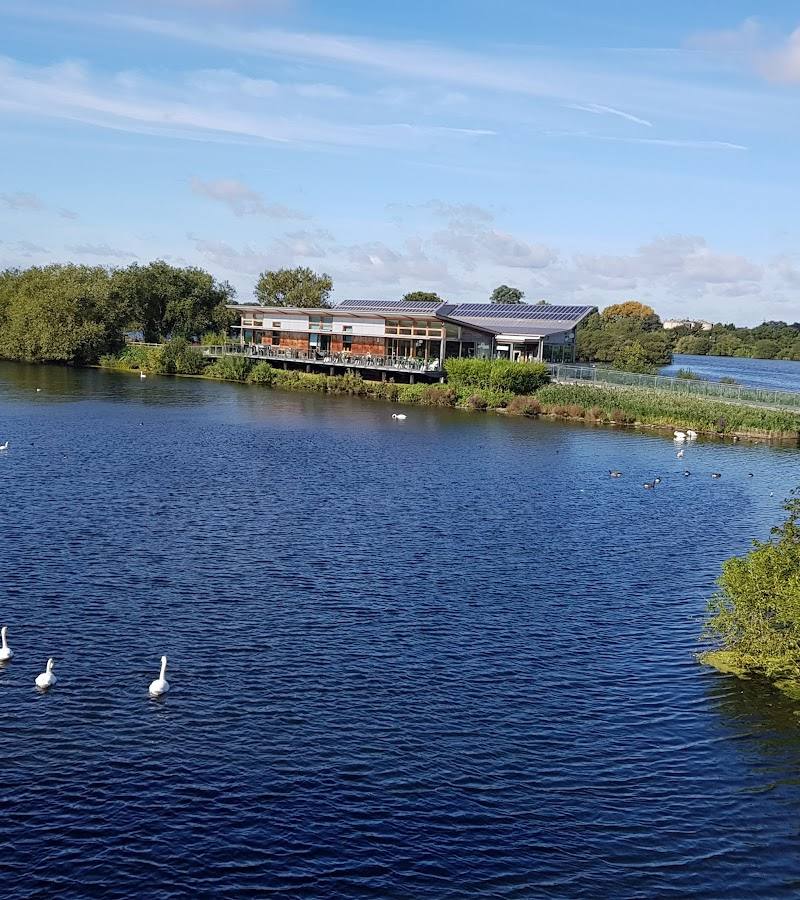 Place photograph5.8
Attenborough Nature Reserve
Barton Lane, Attenborough, Nottinghamshire NG9 6DY
10.9 km away
 Place photograph6.4
Attenborough Nature Centre and Reserve
52 Barton Lane, Beeston, Nottingham NG9 6DY
10.9 km away
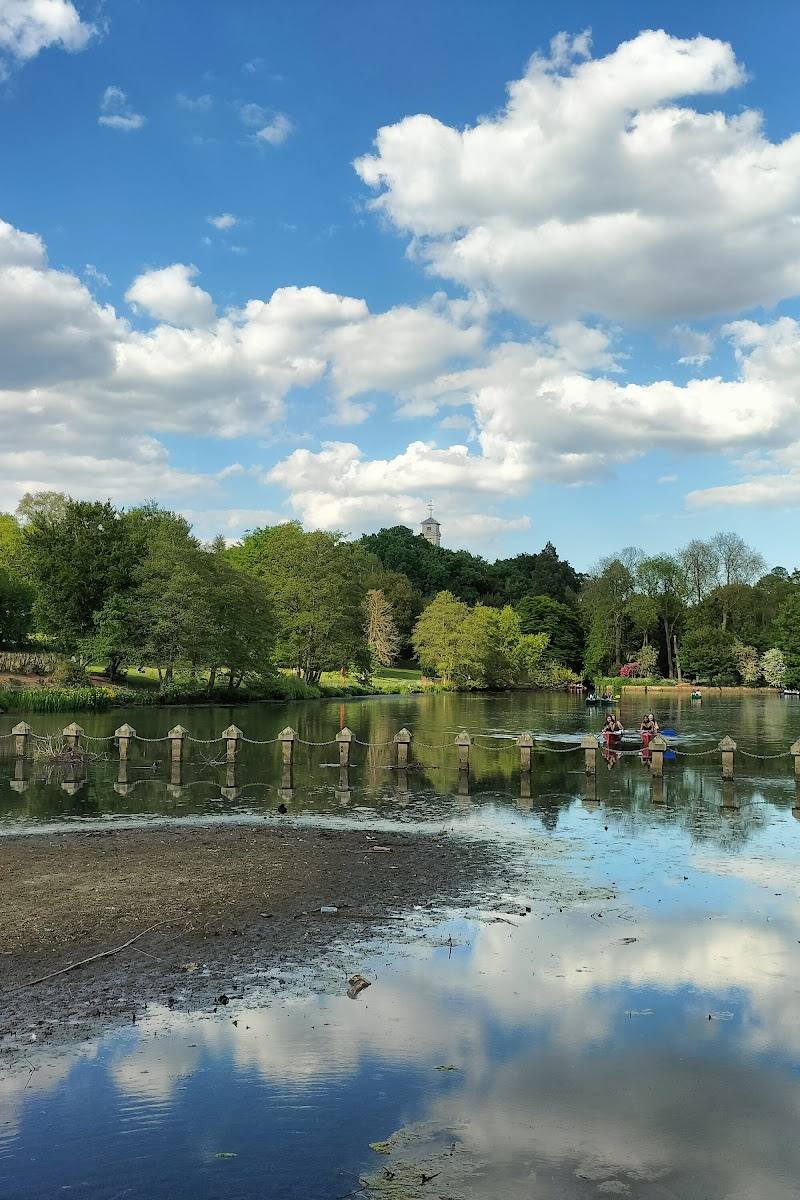 Place photograph5.2
Highfields Boating Lake
Highfields Park, University Boulevard, Nottingham NG7 2PS
11.4 km away