Barton Lane, Attenborough, Nottinghamshire NG9 6DY
Attenborough Nature Reserve
Mixed-habitat reserve
Place photograph
5.8
Wildland
1–2 hours
Time
Check
Cost
Peaceful
Feel
Why it's Wildland
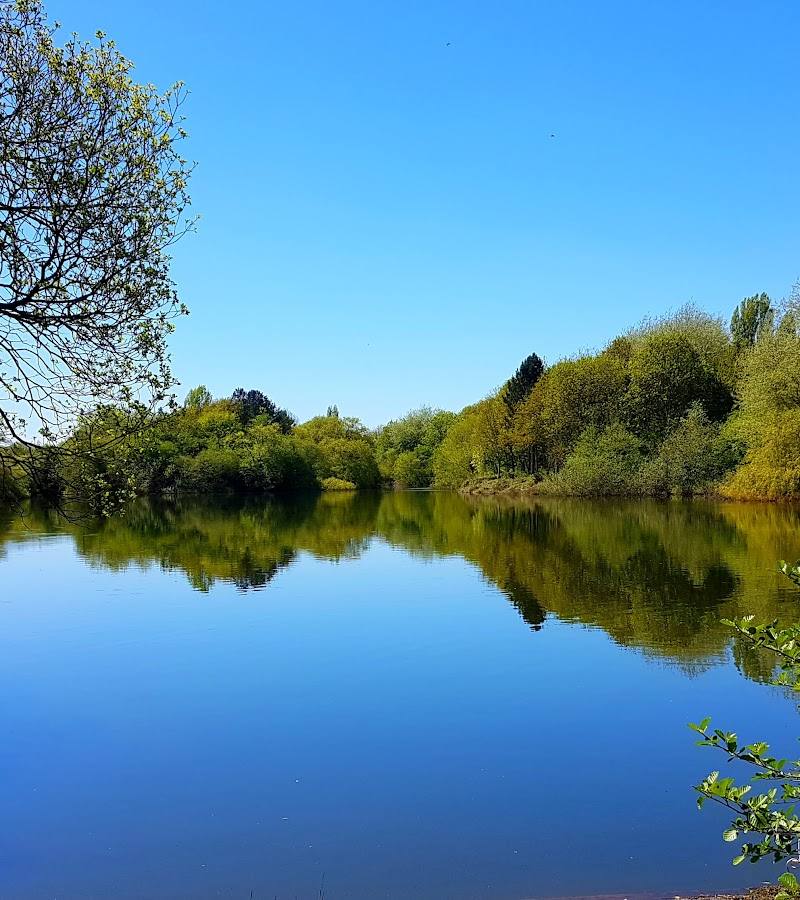
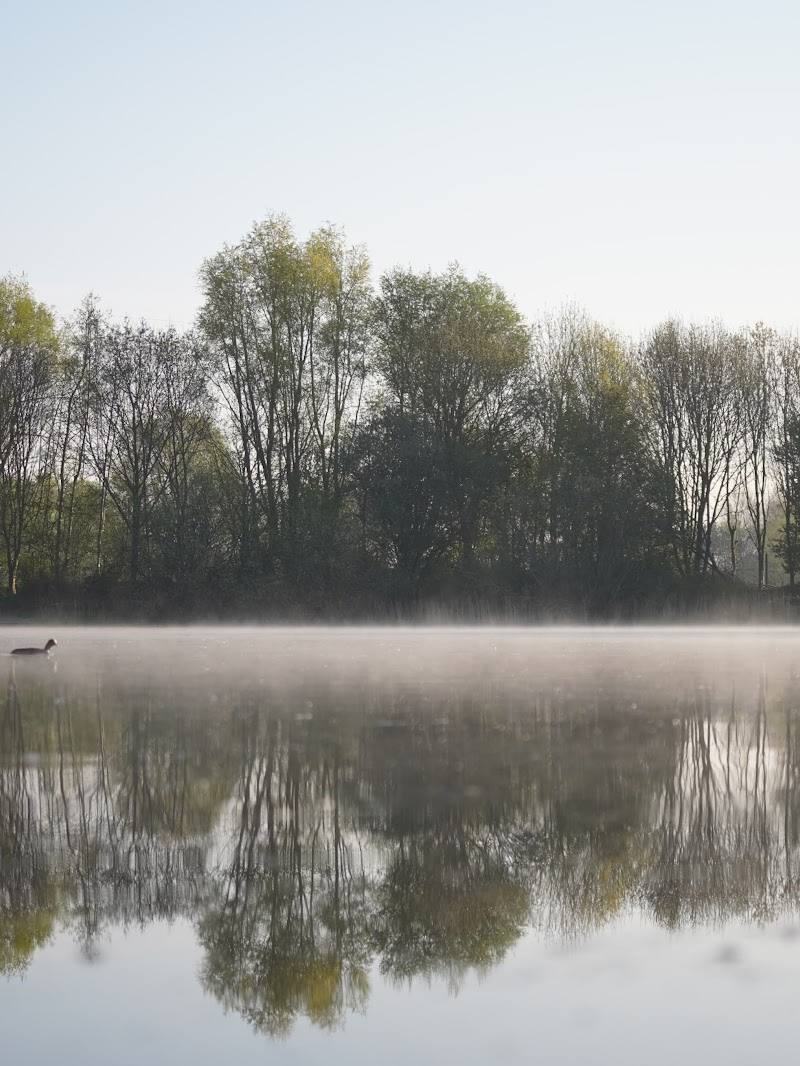
5.8Flooded former gravel pits have become a landscape of ponds, islands and wetlands, drawing an impressive range of birds to the edge of Nottingham.
Attenborough earns its place for the contrast between a substantial wetland reserve and the nearby city, with accessible trails, bird hides and genuinely rewarding wildlife watching. Its strongest appeal is the chance to slow down and look closely: wintering wildfowl, seasonal migrants and the possibility of a kingfisher or bittern make even a familiar walk feel attentive and alive.
Peaceful · Big-sky · Family-buzz
Find your way
Open mapBarton Lane, Attenborough, Nottinghamshire NG9 6DY
Opening map…
Know this place a little better?
The experience
Choose one of the reserve’s named nature trails, allow time at a bird hide, and finish at the visitor centre if it is open. The Tufted Duck, Skylark and Kingfisher trails offer different ways to explore; check the current site map and conditions before setting out.
Things to do
Follow a named nature trail
Choose the Tufted Duck, Skylark or Kingfisher trail. Check the current site map and conditions to select a suitable route.
About 1 hour or longer, depending on route and pace
Watch from a bird hide
Use the reserve’s bird hides to look over wetland habitat. Bring binoculars if you have them and allow time to watch quietly.
Look for seasonal wildlife
The Trust highlights butterflies in spring, sand martins in summer and starling murmurations in winter. Wildlife sightings are never guaranteed.
Visit the nature centre
Explore the visitor centre and its facilities; check current opening times before planning around the café or shop.
Make a day of it
Quick escape · About 1 hour
Quick Escape: a short trail and a bird hide
- 01
Start at the visitor centre and check which trails and hides are open.
- 02
Choose a short section of a named trail, such as the Tufted Duck trail.
- 03
Pause at a bird hide to watch the water and wetland edges.
- 04
Return to the centre; use the café if open.
Half day · About 2–4 hours
Make a half day of it: trails, hides and the visitor centre
- 01
Check the current reserve map and choose one or more of the Tufted Duck, Skylark or Kingfisher trails.
- 02
Take time at the bird hides and scan the ponds, islands and wetland margins.
- 03
Return to the visitor centre for the exhibits, shop or café if open.
- 04
Allow extra time for wildlife watching rather than treating the trails as a checklist.
Verified history
Attenborough Nature Reserve was established in 1966 on land shaped by gravel extraction and was opened by Sir David Attenborough. The resulting flooded former gravel pits and islands now provide habitat for wildlife.
Hidden details
A landscape made by gravel extraction — The reserve’s ponds and islands are part of a landscape transformed by former gravel pits, now described by the Wildlife Trust as exceptional habitat for a wide range of wildlife.
Seasonal visitors on the water — The reserve’s birdlife changes with the seasons: the Trust notes wintering wildfowl and birds passing through in spring and autumn.
When to go
March · April · May · June · July · October · November · December · January · February · Early morning is a good choice for a quieter wildlife-watching visit; check seasonal centre and car-park opening times.
The Wildlife Trust identifies spring butterflies, summer sand martins and winter starling murmurations, alongside wintering wildfowl and spring and autumn migrant birds.
Check the forecast and current trail conditions before setting out. Wet-weather route conditions are not detailed in the supplied source.
What to look for
- 01
Scan the water and reed edges for kingfishers, bitterns and wildfowl
- 02
look for sand martins in summer and butterflies in spring. The Trust also lists otters, bats and dragonflies among species found at the reserve, though sightings are not guaranteed.
The story
Nature conservation and landscape change: the reserve was established in 1966 on former gravel-extraction land and opened by Sir David Attenborough.
Best time to go
All year. Spring brings butterflies and returning birds; summer is good for sand martins; winter is a notable season for wildfowl and starling murmurations.
Go in winter for wildfowl and the possibility of starling murmurations; spring and autumn are useful seasons for migrant birds. Visit early in the day for a quieter, more focused wildlife-watching outing.
How long to spend
1–2 hours
Perfect for
Walkers · Wildlife lovers · Families · Photographers · Dogs
Practical information
Opening & access
Free access to the reserve. Check current car-park, centre and café arrangements before visiting; the car park is listed as open 8am until dusk. Stay on permitted paths and follow reserve guidance.
Check before visiting
Parking
On-site car park. The reserve website lists charges of free for up to 30 minutes, £3 for up to 2 hours, £4 for up to 4 hours and £5 all day; check current terms before travelling.
Check before visiting
Toilets
Toilets and an accessible toilet are listed at the visitor centre. Check opening arrangements before visiting.
Check before visiting
Food & drink
Café and refreshments at the visitor centre; opening hours vary seasonally. Check before visiting.
Check before visiting
Dogs
Dogs must be kept on a lead.
Accessibility
The reserve describes itself as wheelchair friendly, with accessible trails, disabled parking and routes suitable for pushchairs. Contact the Trust for current route and access details.
Cost
Free access; car parking is charged for stays over 30 minutes. Check current terms.
Check before visiting
Water
Ponds, flooded former gravel pits and wetland waterways. Swimming is not presented as an activity; do not enter the water.
Gallery
Place photographsKeep exploring
Around Attenborough Nature Reserve
Within 50 km · approximate straight-line distances
 Place photograph6.4
Attenborough Nature Centre and Reserve
52 Barton Lane, Beeston, Nottingham NG9 6DY
0.2 km away
 Place photograph5.2
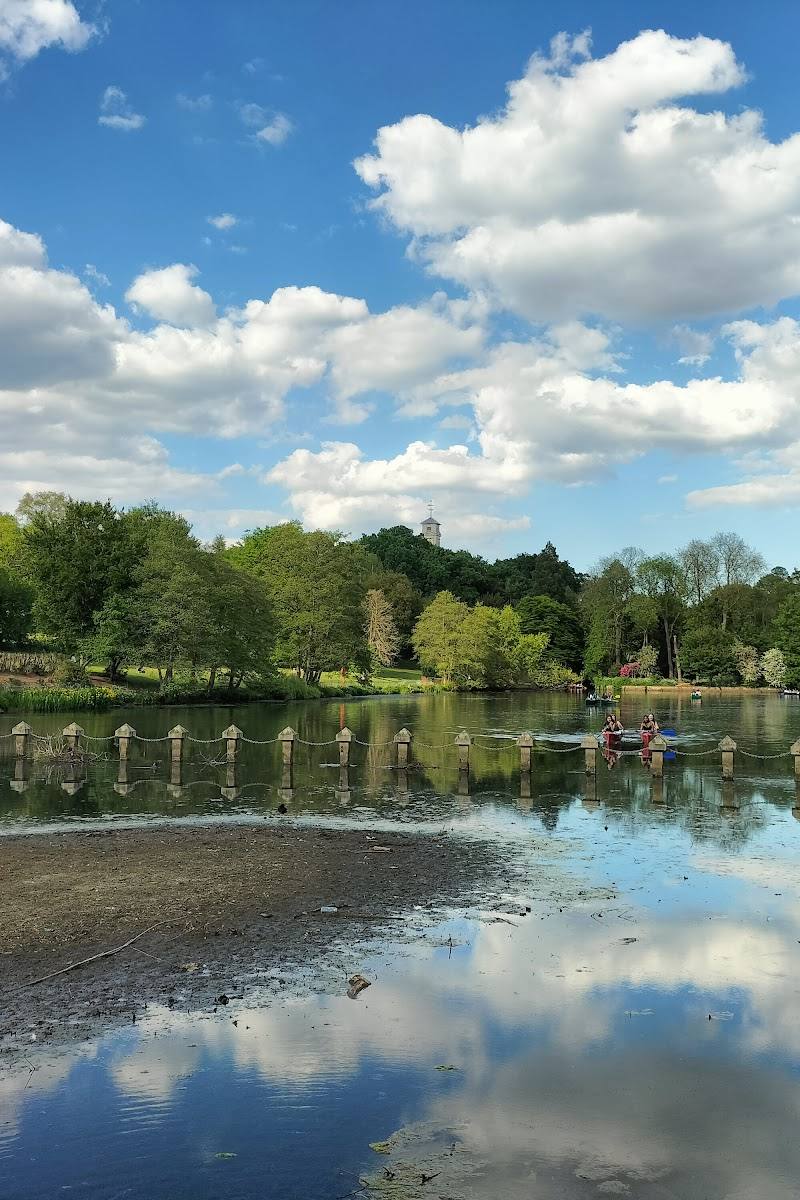
Highfields Boating Lake
Highfields Park, University Boulevard, Nottingham NG7 2PS
5.0 km away
 Place photograph8.2
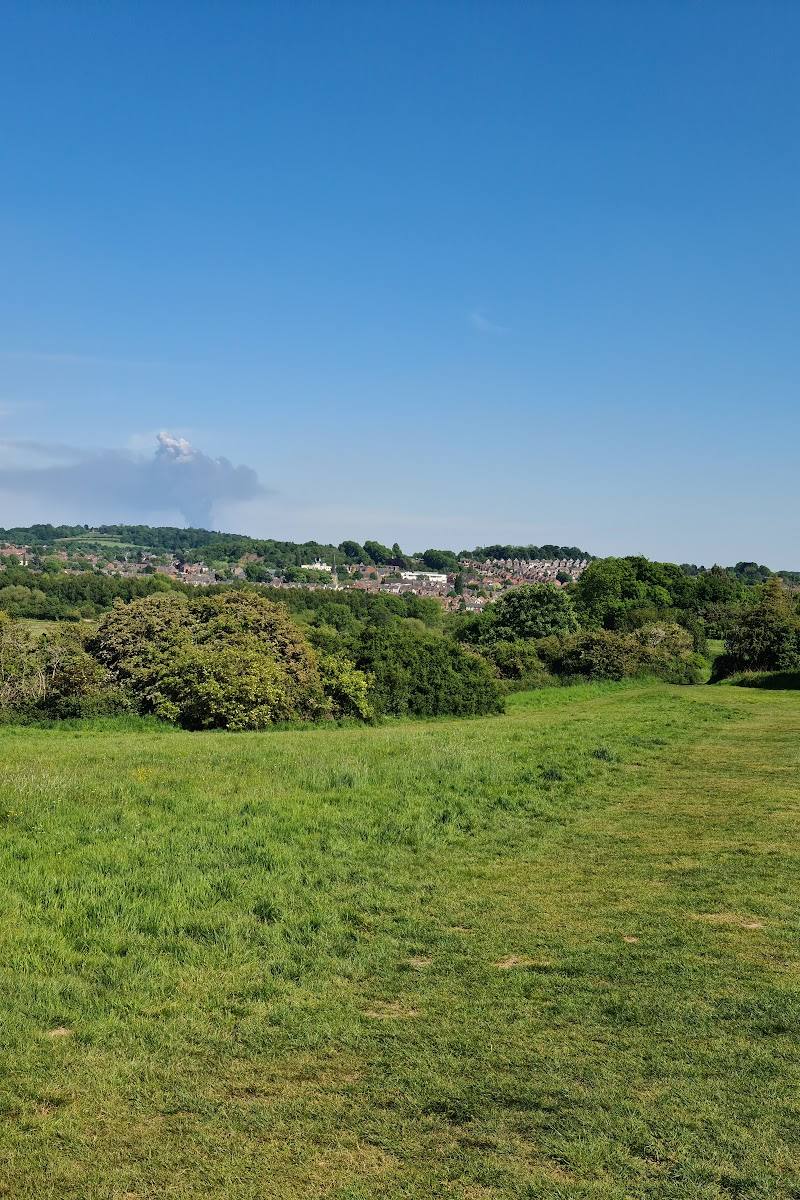
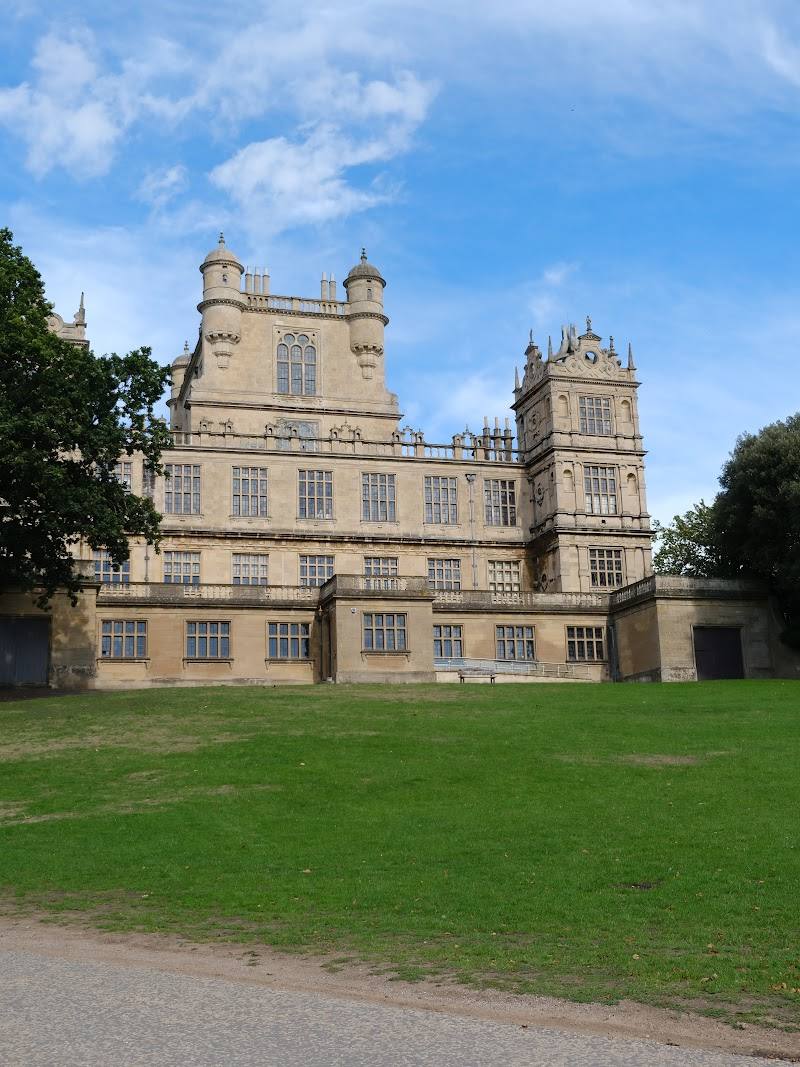
Wollaton Hall and Deer Park
Wollaton, Nottingham, Nottinghamshire NG8 2AE
5.6 km away