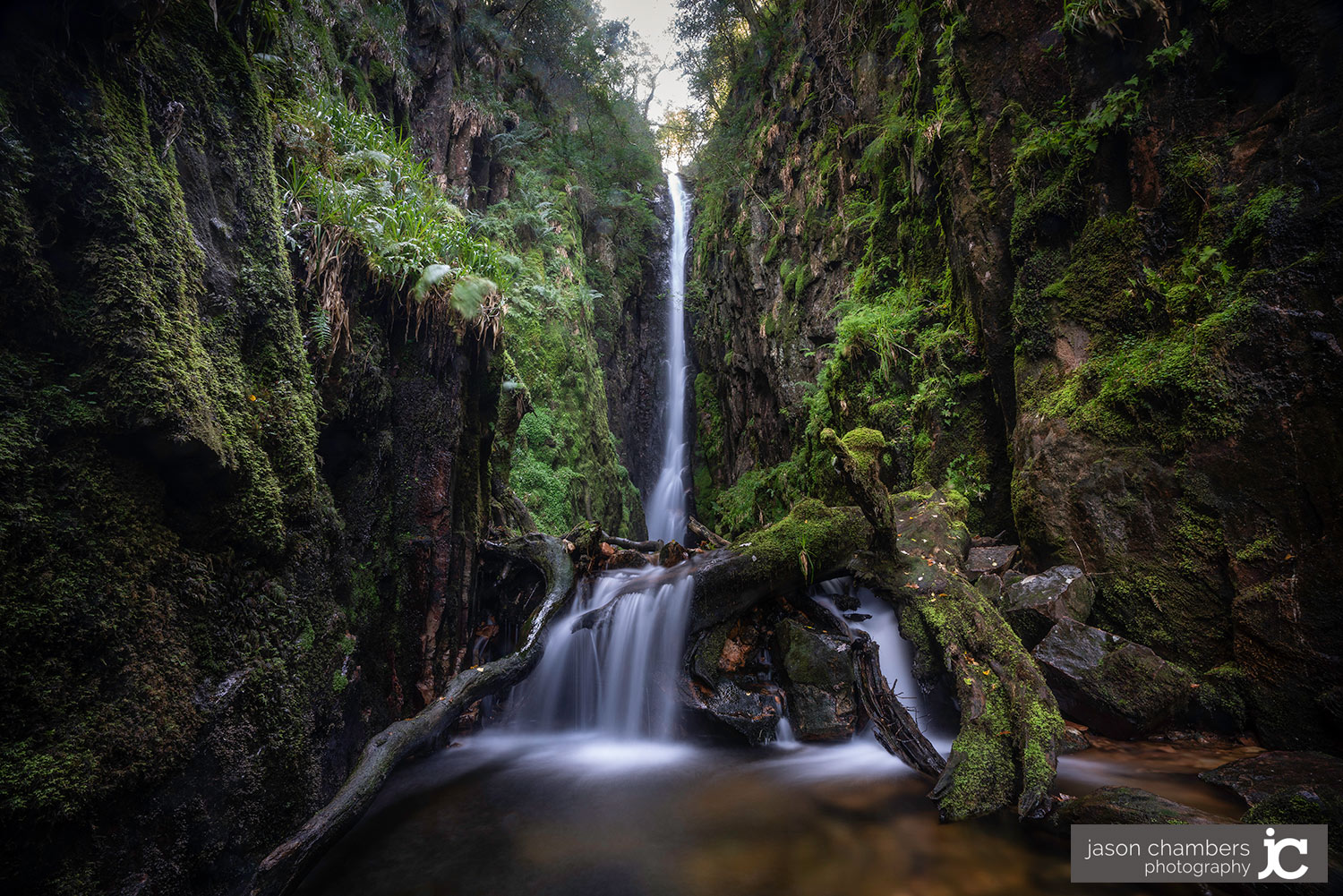
Near Glasson, on the Solway Coast, Cumbria
Glasson Moss Nature Reserve
Bog
Place photograph
7.8
Wildland
1–2 hours
Time
Free
Cost
Peaceful
Feel
Why it's Wildland
7.8A restored, growing raised bog where peat has accumulated for millennia—some of it more than 10 metres deep—and a viewing tower looks out across the mire.
Glasson Moss earns its place for the rare chance to experience a living raised bog at close range: boardwalks and trails cross a landscape of sphagnum, pools and scattered trees, while a viewing tower opens up the scale of the mire. It is wild in the ecological sense, not a place to wander off-trail; the bog is dangerously wet and its old drains can be very deep.
Peaceful · Wild · Big-sky
Find your way
Open mapNear Glasson, on the Solway Coast, Cumbria
Opening map…
Know this place a little better?
The experience
Keep to the boardwalks and trails, take in the raised bog from the viewing tower, and look for the plants and birds that make this restored mire distinctive. The full southern out-and-back route is reported as about 8 km; a shorter visit can focus on an access point and the boardwalks. Stay off the bog itself.
Things to do
Walk the boardwalks across the mire
Explore the wetland on the designated trails and boardwalks. Do not venture onto the bog itself, which is described as consistently wet and muddy.
Climb the viewing tower
Take in the raised mire from above and look for birds across the open wetland.
Watch for Solway geese
In winter, look for flocks of pink-footed and barnacle geese. A telescope is reported to be useful.
Look for specialist bog plants
Search from the trails for sphagnum, hare’s-tail cotton grass, bog rosemary, cranberry, cross-leaved heath and native sundews.
Make a day of it
Quick escape · Allow about 1–2 hours; exact duration depends on the route chosen.
Quick Escape: boardwalk and bog views
- 01
Start from a current, suitable access point and park only on hard-standing.
- 02
Follow the boardwalks and marked trails rather than venturing onto the bog.
- 03
Pause at the viewing tower for a view across the raised mire.
- 04
Look for bog plants and birds, then return by the same route.
Half day · About 2–3 hours, based on the reported 8 km out-and-back route taking 1–1.5 hours; allow extra time for wildlife watching and stops.
Make a Half Day of It: explore the southern trail
- 01
Begin at the southern entrance, where a large roadside lay-by is reported.
- 02
Follow the designated trail and boardwalks, staying off the bog and away from its deep drains.
- 03
Use the viewing tower to take in the mire from above and stop to watch for birds.
- 04
Return to the same entrance; check current parking and trail conditions before setting out.
Verified history
Glasson Moss is one of three sites making up the South Solway Mosses National Nature Reserve. Peat has accumulated here over centuries; some is reported to be more than 10 metres thick, with the oldest parts formed more than 8,000 years ago. The area was damaged by peat extraction for horticulture and is recovering through restoration. The Solway Coast National Landscape describes healthy bog as an important carbon store.
Hidden details
Old drainage cuts beneath the restored landscape — Look for the deep, steep-sided, water-filled drains that remain from before restoration. The site advises visitors to keep clear because they can be very deep.
A bog that is mostly water — The Solway Coast National Landscape notes that healthy bogs like the restored areas at Glasson Moss contain more than 95% water.
When to go
January · February · March · April · May · September · October · November · December · Check local conditions and visibility; no specific time of day is evidenced.
The site is reported to be worthwhile all year. Winter is noted for pink-footed and barnacle goose flocks, with spring and autumn migration also highlighted. The source row suggests wildlife activity from April to September, but exact peak dates are not verified.
The terrain is flat but wet and can be slippery; trails may be muddy. Wear suitable footwear, stay on boardwalks and marked routes, and keep well away from deep drains. Check current conditions before visiting.
The route
- ascent
- 39 ft, according to AllTrails.
- surface
- Paved road and narrow trail; designated trails and boardwalks are also described by the Solway Coast National Landscape.
- distance
- About 8 km return from the southern entrance, according to Birdingplaces; AllTrails lists a 3.7-mile route.
- duration
- AllTrails estimates 1–1.5 hours.
- difficulty
- Easy, according to Birdingplaces; terrain is wet and can be slippery.
- route shape
- Out and back; Birdingplaces reports there is no circular trail.
- start point
- Southern entrance lay-by, as described by Birdingplaces and AllTrails. Confirm current access before setting out.
- parking start
- Free southern roadside lay-by reported; park only on hard-standing. Other access points have limited parking.
- shorter alternative
- Use a suitable access point for a shorter boardwalk visit and return the same way; a specific shorter distance is not supplied.
- Raised bog and wetland habitat
- Boardwalks and trails
- Viewing tower
- Winter flocks of pink-footed and barnacle geese
What to look for
From the boardwalks, look for sphagnum, hare’s-tail cotton grass, bog rosemary, cranberry, cross-leaved heath and sundews. Watch for the steep-sided, water-filled drains left from before restoration—keep well clear. The viewing tower offers a higher perspective across the raised mire.
The story
Peatland restoration and conservation
Best time to go
All year; winter is especially rewarding for flocks of pink-footed and barnacle geese, while spring and autumn bring migration.
Winter is a strong choice for pink-footed and barnacle geese. Spring and autumn are noted for migration; the reserve is reported to offer wildlife interest throughout the year. A telescope can help with birdwatching.
How long to spend
1–2 hours
Perfect for
Walkers · Wildlife lovers · Photographers · Families
Practical information
Opening & access
The reserve has access points near Glasson, including a southern lay-by and northern and western access points. Keep to hard-standing when parking and stay on the boardwalks and marked trails; the bog is deep, wet and muddy.
Parking
Free parking is reported at the southern lay-by; there is also a small northern car park and limited roadside parking at other access points. Use hard standings: vehicles have become seriously stuck on verges. Check current access and parking before visiting.
Check before visiting
Toilets
Check before visiting
Check before visiting
Food & drink
Check before visiting
Check before visiting
Dogs
Check before visiting
Check before visiting
Accessibility
The Solway Coast National Landscape reports disabled access, trails and boardwalks. The Birdingplaces account describes wet, slippery conditions and narrow trails; check current route accessibility before visiting.
Check before visiting
Cost
Free
Water
Raised bog, pools and deep water-filled drainage ditches. No swimming or paddling permission is evidenced.
Gallery
Place photographsKeep exploring
Around Glasson Moss Nature Reserve
Within 50 km · approximate straight-line distances