Findhorn, Moray, Scotland
Findhorn Bay Local Nature Reserve
Coastal reserve
Place photograph
8.3
Wildland
1–2 hours
Time
Check
Cost
Peaceful
Feel
Why it's Wildland
8.3A tidal bay watched by ospreys, with a forest across the water that tells a story of villages and land lost to shifting sand.
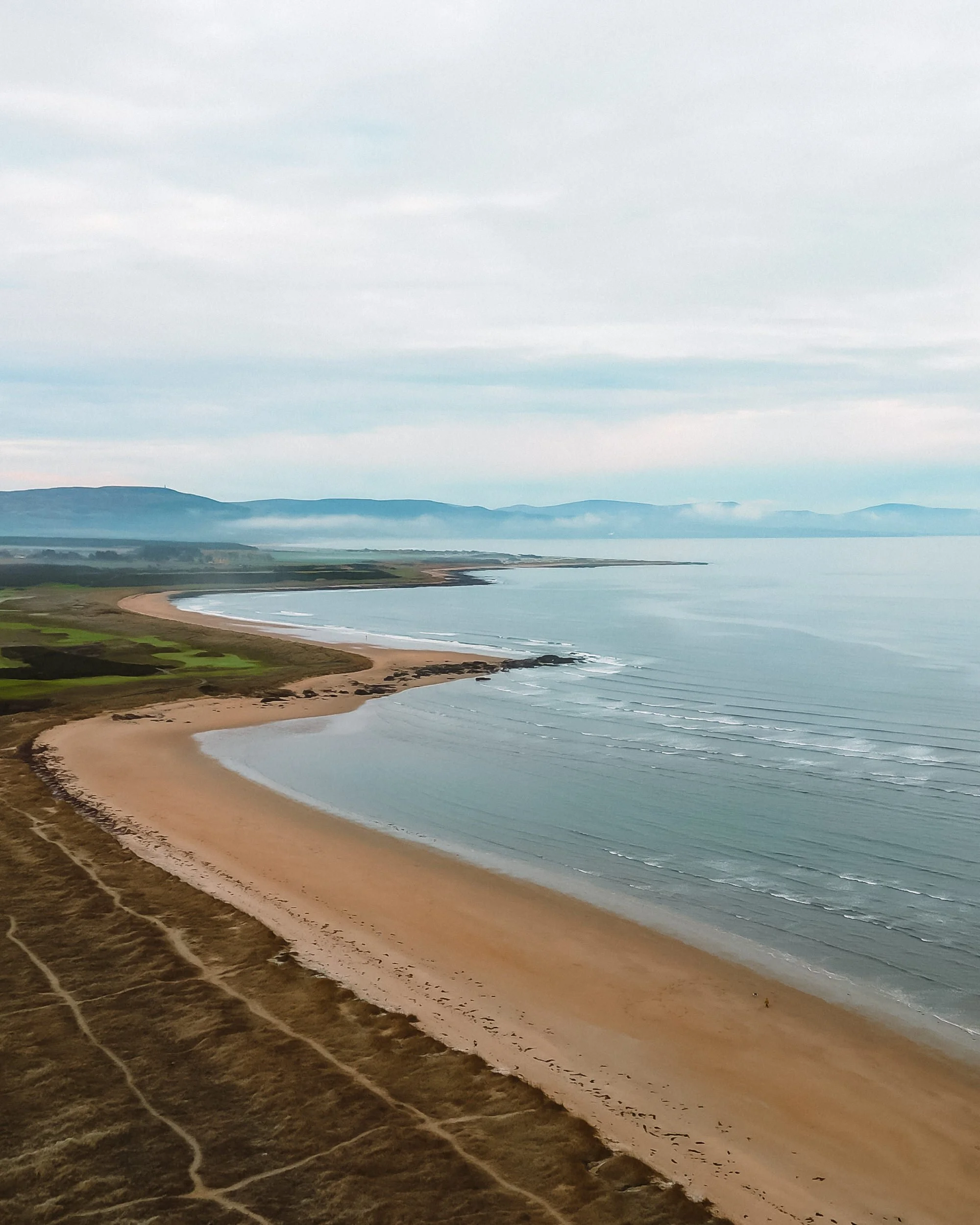
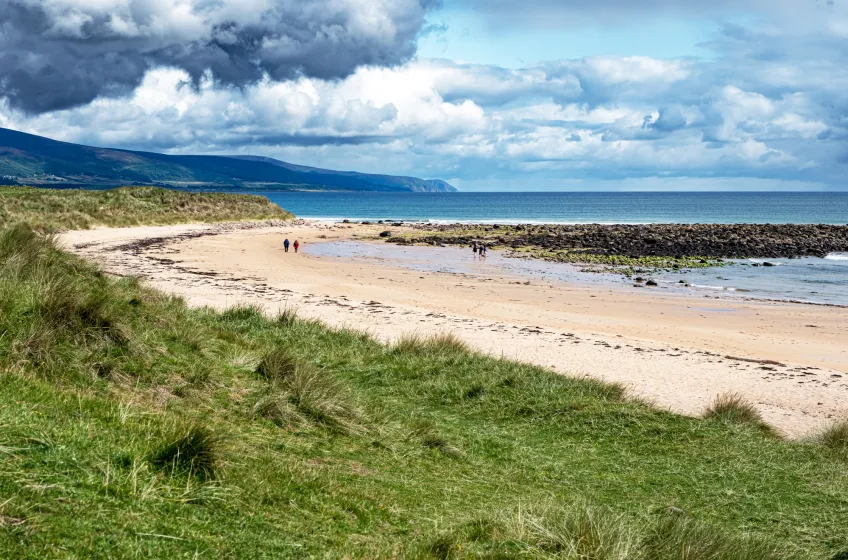
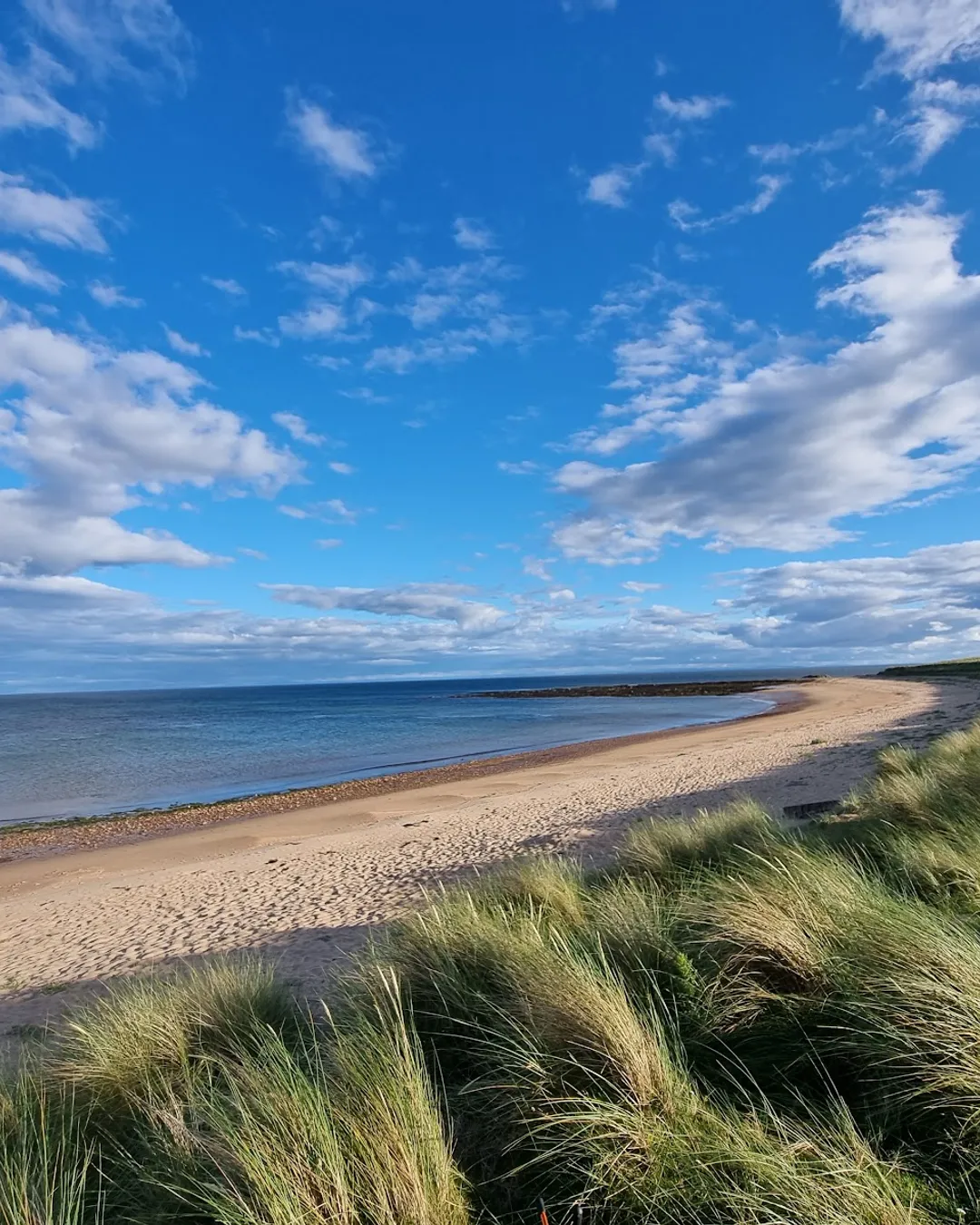
The attraction is not simply a sea view. Findhorn combines a changing tidal landscape, real birdwatching interest and a village whose history is inseparable from moving sand. The bay, beach and old lanes give a short visit enough substance to become a whole day.
Peaceful · Big-sky
Find your way
Open mapFindhorn, Moray, Scotland
Opening map…
The experience
Take the bay-edge path for open views and patient birdwatching, or use the eastern bay's hide. Look towards Culbin Forest, watch for fishing ospreys near the piers, then explore Findhorn's cottage lanes. The separate beach and Heritage Centre make worthwhile extensions rather than filler.
Things to do
Watch birds from the eastern bay hide
Visit Forres identifies a bird hide and car park beside the eastern bay and records geese and ospreys among the area's birds. Bring binoculars and allow time to watch rather than expecting an immediate sighting.
Suggested allowance: 30–60 minutes
Follow the bay edge towards the marina
Use the pavement or flat track between the Kimberley Inn and Findhorn Marina for a straightforward shoreline outing. This is a documented section, not a verified circuit of the reserve.
Look for an osprey fishing near the piers
Visit Forres specifically describes ospreys fishing here. Scan the water from shore and watch for the pause before a dive; wildlife sightings remain a matter of timing and luck.
Make a day of it
Quick escape · Suggested allowance: 1–2 hours
Quick escape: the bay-edge view
- 01
Start in Findhorn village and join the bay-edge pavement or flat track by the Kimberley Inn.
- 02
Follow the shore towards Findhorn Marina, stopping to scan the water and look across to Culbin Forest.
- 03
Watch near the piers for fishing ospreys; sightings are not guaranteed.
- 04
Return along the same bay-edge section rather than venturing onto exposed tidal flats.
Half day · Suggested allowance: 3–4 hours
Half day: bay, cottage lanes and beach
- 01
Begin with the bay-edge walk and time to watch birds.
- 02
Explore the small lanes between Findhorn's older cottages.
- 03
Pick up food at Bakehouse Market or stop at a village pub, subject to opening times.
- 04
Continue to West Beach using the signed approach and beach access from the car park; finish with views over the Moray Firth.
Full Wildland day · Suggested allowance: 6–8 hours
Full day: birds, buried landscapes and the ecovillage
- 01
Start with birdwatching at the eastern bay's hide and car park.
- 02
Continue into Findhorn for the bay-edge walk, looking across towards Culbin Forest.
- 03
Visit the Heritage Centre and Ice House to put the vanished villages and shifting sands into context; confirm opening before planning the day around it.
- 04
Have lunch in the village, then explore the beach via its established access points.
- 05
Finish at the Park Ecovillage, which visitor information confirms is open to visitors, with the Phoenix Shop and Café as a possible final stop. Check individual venue hours.
Verified history
Findhorn's present village is the third known settlement here to bear the name, according to local visitor information: shifting sands overtook at least two predecessors. Across the bay, the Culbin Estate was lost beneath sand in 1694. A forestation project began on Culbin Sands in the 1930s to stabilise them, creating the woodland now visible on the western shore. The Heritage Centre and Ice House provide a nearby place to explore that story. The reserve's claimed 1998 designation is not treated as independently verified here because the supplied corroborating description is explicitly AI-generated.
Hidden details
The forest across the bay is part of the sand story — Culbin Forest is more than a backdrop: local visitor information links its planting in the 1930s to efforts to stabilise the shifting sands.
A village with two vanished predecessors — As you explore the lanes between older cottages, remember that this is the third known Findhorn village. The Heritage Centre explains the locations of the disappeared settlements.
When to go
· Daylight; choose a clear, calm spell and consult tide times rather than relying on a fixed hour.
The imported record recommends spring and autumn for migration and May–September for general outdoor exploring. The stronger supplied visitor sources confirm birdwatching interest but do not establish precise seasonal peaks.
This is an open coastal landscape: take windproof layers and check the forecast. Tidal conditions change the bay substantially; stay on established shore paths rather than assuming exposed flats are safe to cross.
Worth pairing with
Findhorn Heritage Centre and Ice House
The strongest historical pairing: discover the vanished villages and the shifting sands that shaped the landscape visible from the bay. Check opening arrangements.
Findhorn Beach
Swap enclosed bay views for the open Moray Firth. Visitor information describes access via Dunes Road or West Beach Car Park, including ramps to the ridge above the beach.
Bakehouse Market
A practical village food stop with its own bakery, takeaway food and outside seating; check current hours.
Park Ecovillage Findhorn
A contrasting end to a nature-led day, with the Phoenix Shop and Café, Universal Hall and Moray Art Centre. The ecovillage is open to visitors; individual venues need separate opening checks.
What to look for
- 01
Ospreys fishing near the piers
- 02
geese across the bay
- 03
Culbin Forest on the western shore
- 04
the narrow lanes between older village cottages.
The story
Lost village
Best time to go
Spring and autumn for migratory bird interest; May–September for a longer outdoor visit.
Choose a clear, relatively calm daylight spell. Low tide reveals more of the bay's exposed landscape, though the supplied sources do not establish an optimum tide for bird sightings. Spring and autumn migration interest is reported in the imported record; check current local sightings if birds are your main reason for travelling.
How long to spend
1–2 hours
Perfect for
Wildlife lovers · Walkers · Photographers · History lovers
Practical information
Opening & access
Explore from Findhorn village and the bay-edge path. Visitor information confirms a usable pavement or flat track between the Kimberley Inn and Findhorn Marina; Visit Forres also identifies a bird hide and car park beside the eastern bay. This is tidal country: do not treat exposed flats as a walking route.
Parking
Visit Forres identifies a car park by the bird hide on the eastern side of the bay. Village and beach parking options are also described by Visit Findhorn; spaces can be limited in summer. Check charges and current restrictions before visiting.
Check before visiting
Toilets
The imported record reports public toilets in Findhorn village; exact location and opening arrangements need checking before visiting.
Check before visiting
Food & drink
Village options include Bakehouse Market, Kimberley Inn and Crown & Anchor. Check current opening and food-service times.
Check before visiting
Dogs
Check before visiting
Check before visiting
Accessibility
Visit Findhorn describes a usable pavement or flat track along the bay between the Kimberley Inn and Findhorn Marina for wheelchair users. This does not establish accessibility across the wider reserve. Check before visiting for individual requirements.
Check before visiting
Cost
Check before visiting
Check before visiting
Water
Estuary
Gallery
Place photographsKeep exploring
Around Findhorn Bay Local Nature Reserve
Within 50 km · approximate straight-line distances