7.1
Wildland
1–2 hours
Time
Check
Cost
Dramatic
Feel
Why it's Wildland
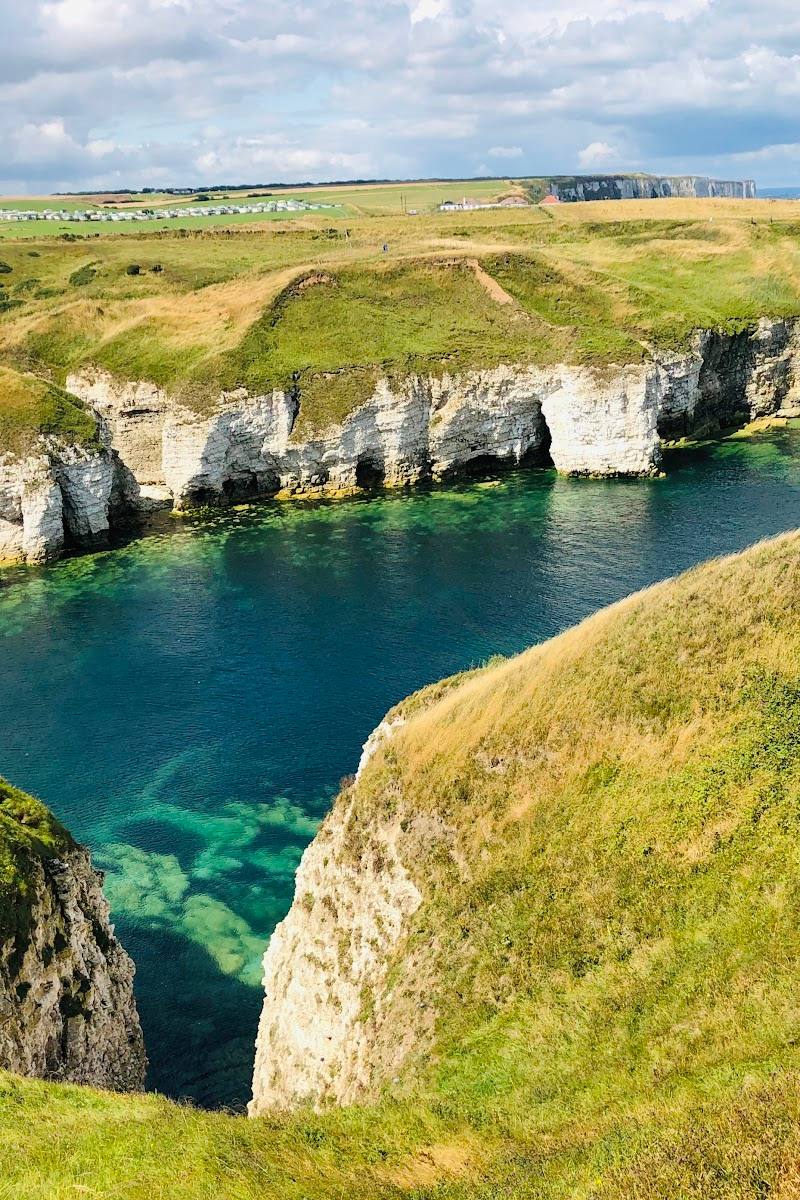
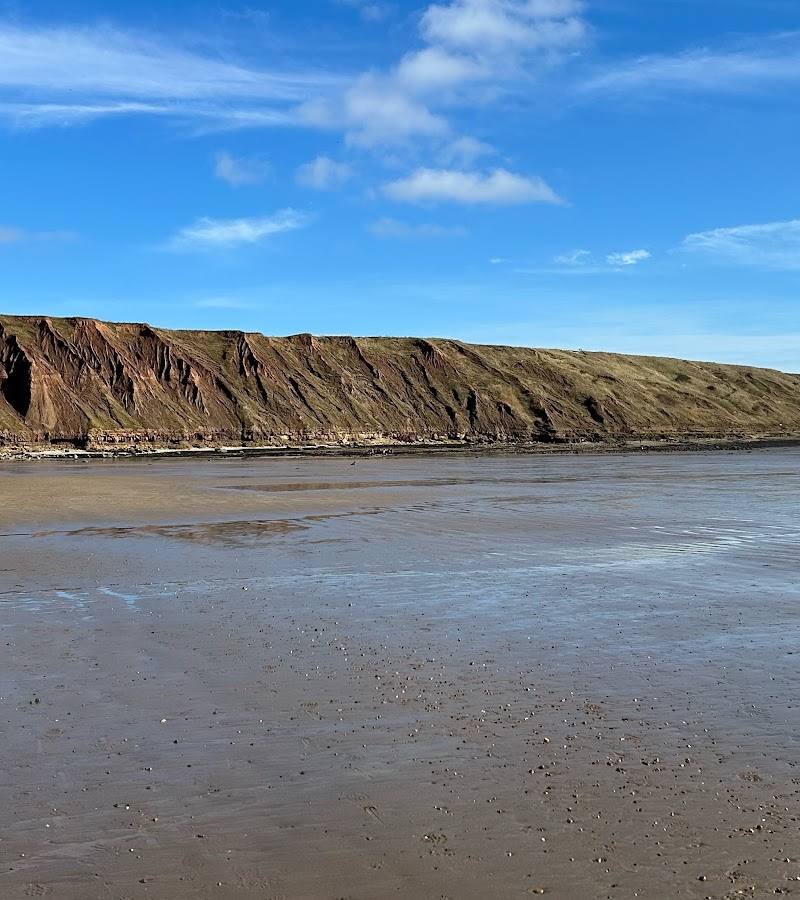
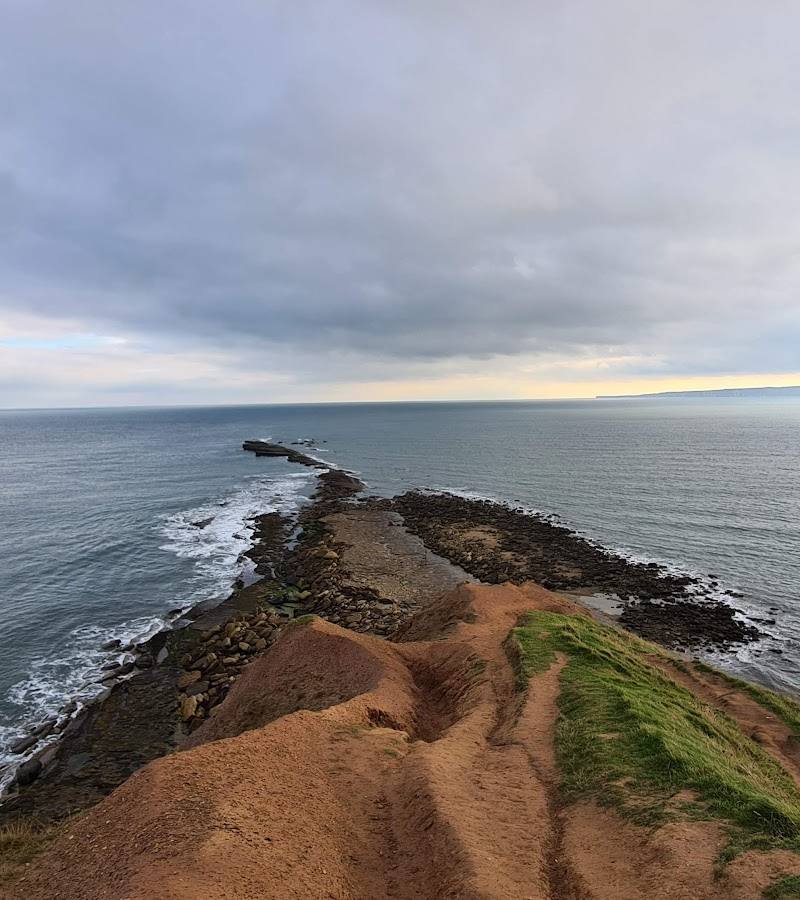
7.1A long, narrow rocky headland where exposed sandstone and limestone reveal fossil-rich Corallian beds beneath glacial clay. The shore is also noted for wintering seabirds and waders.
Filey Brigg is more than a coastal viewpoint: its fossil-bearing rock and bird-rich shore give the walk a strong sense of place. The changing tide makes timing part of the experience, so plan carefully before exploring the foreshore.
Dramatic · Wild · Big-sky
Find your way
Open mapFiley, North Yorkshire
Opening map…
Know this place a little better?
The experience
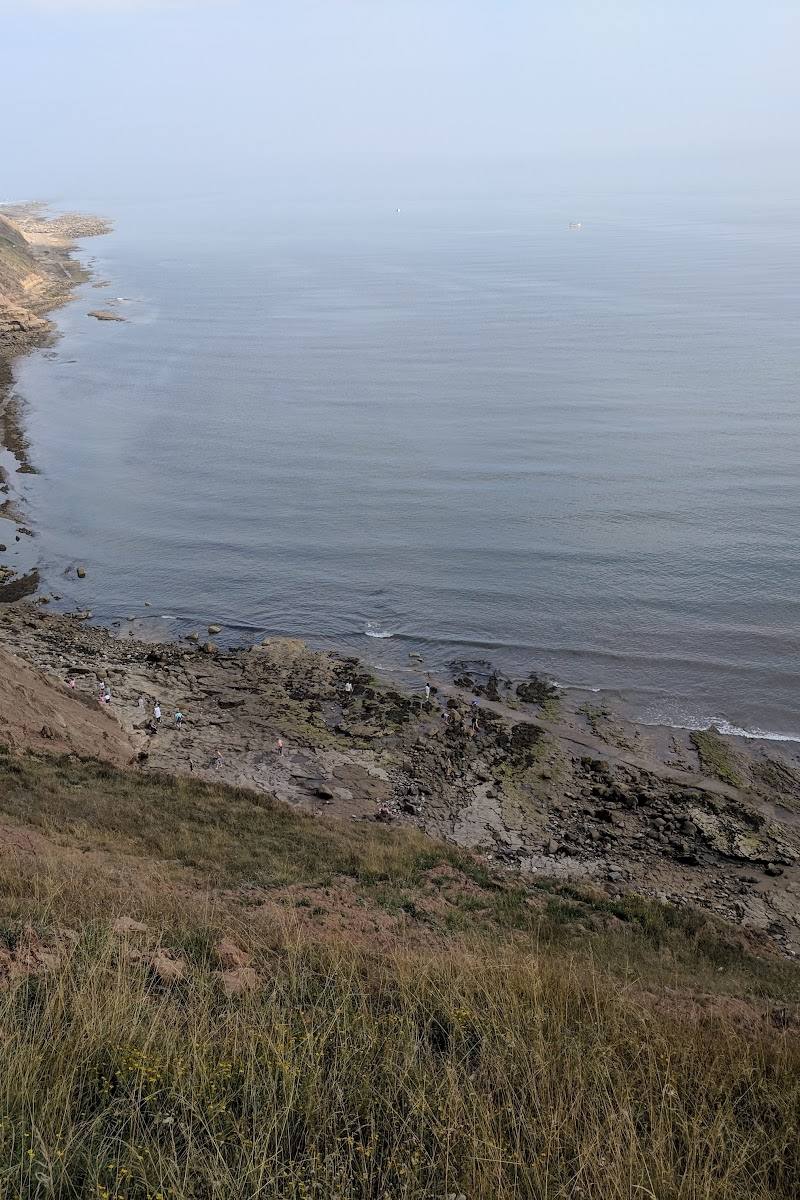
Walk to the Brigg from the coastal path, take in the rocky headland and its exposed geology, and look for birds from a safe position. Only explore the foreshore when conditions and tide allow.
Things to do
Study the exposed rock beds
Look for the fossil-rich Corallian beds and the overlying glacial clay cappings described at the Brigg. The source does not establish that fossil collecting is permitted.
Watch for shore birds
Scan the rocky shore for seabirds and waders; the source highlights nationally important numbers of wintering birds.
Explore the foreshore at low tide
The source describes low-tide foreshore exploration. Check tide times and conditions before going, and do not assume access is safe at other states of tide.
Make a day of it
Quick escape · 1–2 hours
Walk out to the Brigg
- 01
Reach the headland on foot from the coastal path.
- 02
Take in the narrow rocky promontory and its exposed geology.
- 03
Look for seabirds and waders; only explore the foreshore when tide and conditions allow.
Verified history
The supplied source describes Filey Brigg’s exposed sandstone and limestone, fossil-rich Corallian beds and glacial clay cappings. It also reports nationally important numbers of wintering seabirds and waders along the rocky shore. No human-history account is established by the supplied evidence.
Hidden details
Look for the change in geology — The source distinguishes fossil-rich Corallian beds from glacial clay cappings—details worth noticing while taking in the exposed cliffs and rock.
When to go
· For foreshore exploration, check tide times and aim for low tide; no specific time of day is established by the sources.
The supplied source identifies winter as notable for seabirds and waders but does not provide a precise best-month window.
Check local coastal conditions and tide times before visiting, particularly before going onto the foreshore.
What to look for
Fossil-rich Corallian beds exposed in the rock, the boundary with glacial clay cappings, and seabirds or waders along the shore. Do not assume fossils may be collected.
The story
Geology and fossils
Best time to go
Winter for the reported seabird and wader interest; check conditions and tide times before visiting.
For foreshore exploration, plan around low tide and check tide times and local conditions first. Winter is noted for seabirds and waders.
How long to spend
1–2 hours
Perfect for
Walkers · Photographers · Wildlife lovers · History lovers
Before you go
Google rating
Practical information
Opening & access
A rocky headland on the north side of Filey Bay, reached on foot from the coastal path. Foreshore exploration is described as a low-tide activity; check tide times and local conditions before setting out.
Check before visiting
Parking
Check before visiting
Check before visiting
Toilets
Check before visiting
Check before visiting
Food & drink
Check before visiting
Check before visiting
Dogs
Check before visiting
Check before visiting
Accessibility
Check before visiting; the source describes access on foot from the coastal path but gives no accessibility details.
Check before visiting
Cost
Check before visiting
Check before visiting
Water
Sea
Gallery
Place photographs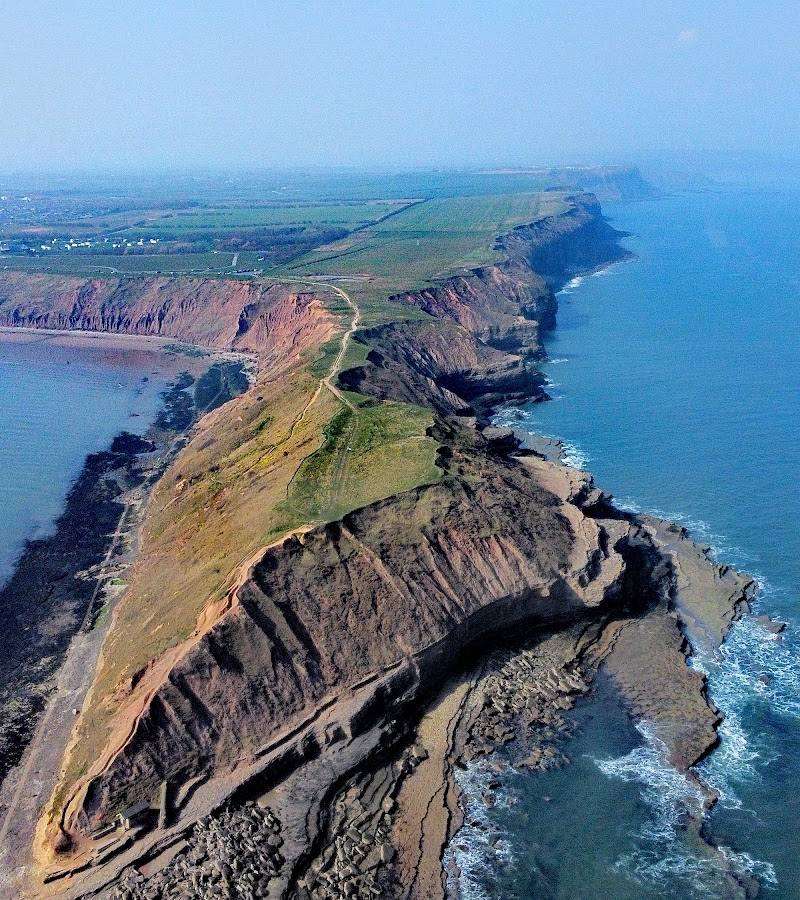
Keep exploring
Around Filey Brigg
Within 50 km · approximate straight-line distances