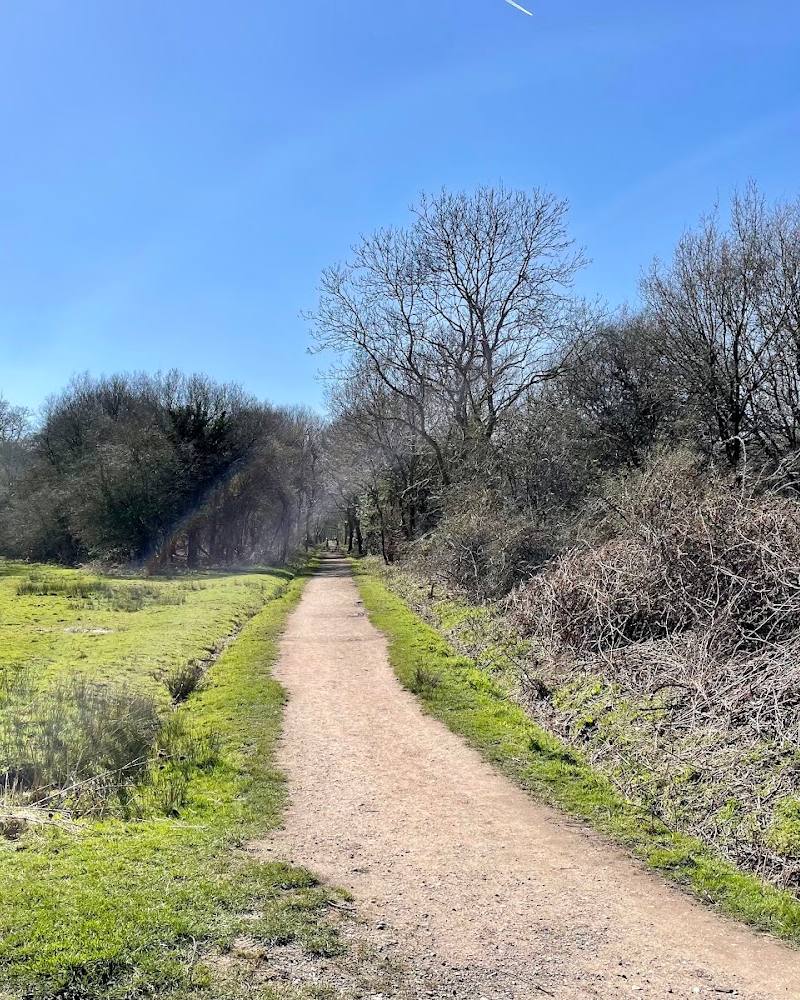
Fairmead Road, Loughton, Essex, IG10 4HR. The supplied pin is a main-place location, not a confirmed entrance or parking point.
Epping Forest
Forest
Source image
7.1
Wildland
1–2 hours to Full day
Time
Check
Cost
Wild
Feel
Why it's Wildland
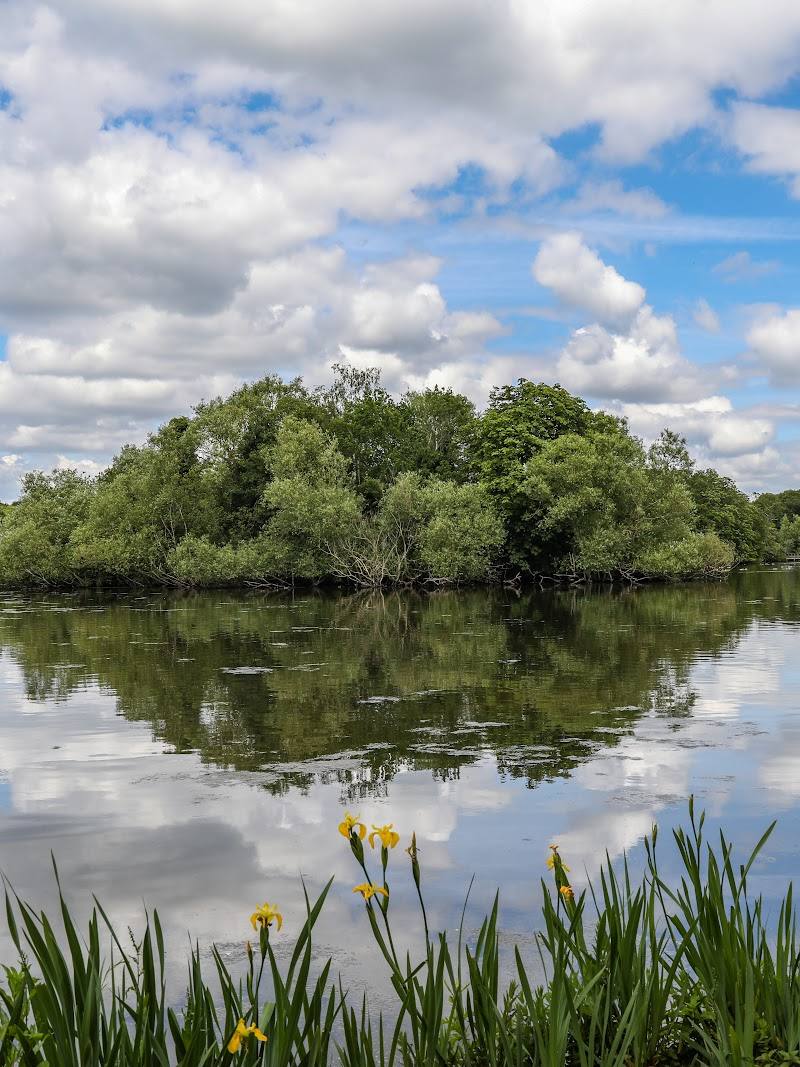
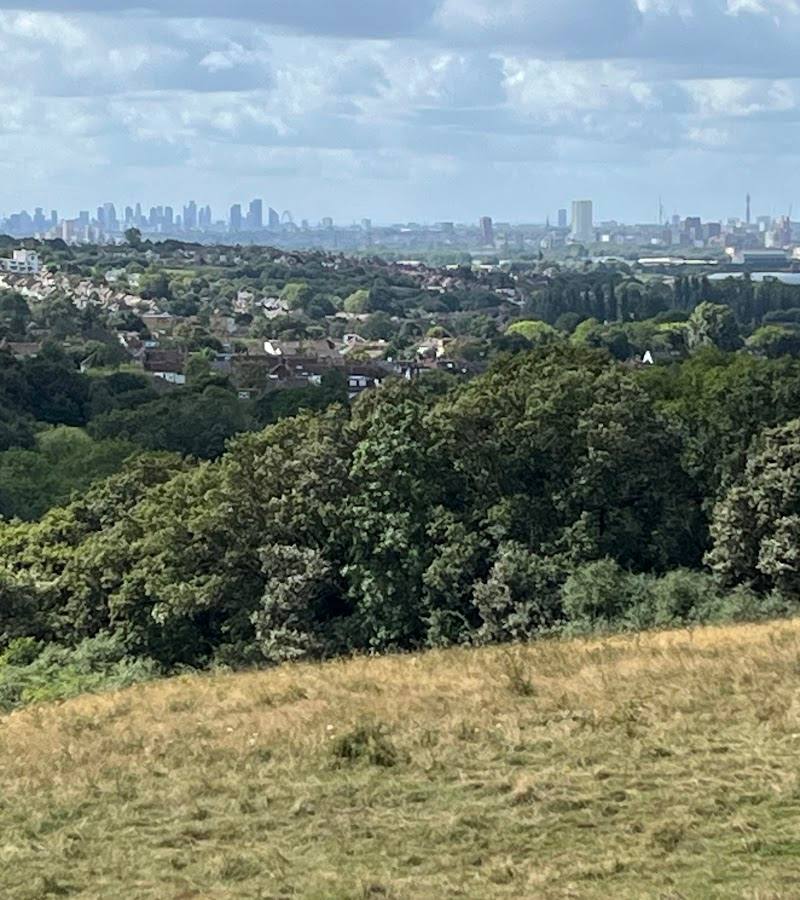
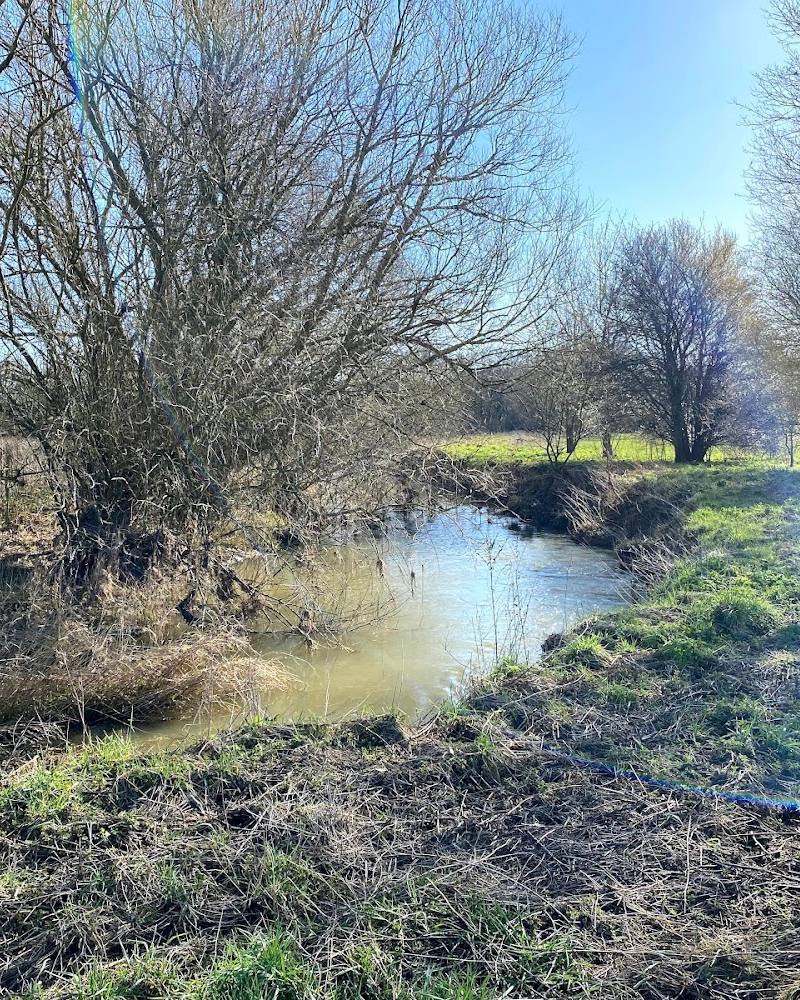
7.1A vast, ancient landscape at London’s edge: Epping Forest combines wooded valleys and veteran trees with open grassland, heaths, bogs, ponds and rivers. Its public access was secured by the Epping Forest Act 1878.
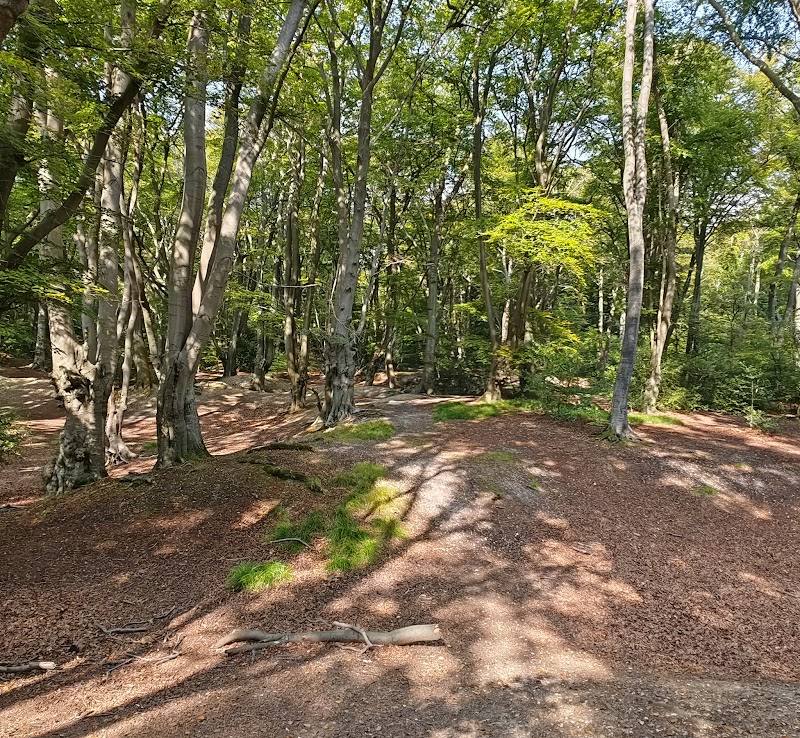
Epping Forest is remarkable for the scale and variety packed into an accessible landscape: ancient wood-pasture, open habitats, ponds and a reported 55,000 ancient trees sit within reach of London. It rewards both a short woodland ramble and longer, map-led exploration.
Wild · Atmospheric · Peaceful · Ancient-feeling
Find your way
Open mapFairmead Road, Loughton, Essex, IG10 4HR. The supplied pin is a main-place location, not a confirmed entrance or parking point.
Opening map…
Know this place a little better?
The experience
Choose a short, named trail for a contained visit, or use a map to explore further. The forest’s scale and mix of habitats make it worth slowing down: look for old trees, seasonal flowers and wildlife, while staying on paths and following forest guidance.
Things to do
Follow a named forest trail
Choose a route from the official visitor guide and explore at a pace that leaves time to notice the landscape. Trail lengths and conditions vary; check the guide before setting out.
Varies by route
Look for spring woodland flowers
In spring, look for bluebells, wood anemones and wild garlic beneath the canopy. Stay on paths to avoid damaging flowers and soil.
30–60 minutes
Pause for wildlife watching
Stop, look and listen. The forest supports wildlife across woodland, grassland, bogs and ponds; animals are wild, so watch quietly and keep a respectful distance.
Flexible
Visit the Chingford Visitor Centre
Use the visitor centre for maps, exhibitions and seasonal events, and as a starting point for exploring the Chingford area. Check its current opening hours before travelling.
Allow time for a short visit
Make a day of it
Quick escape · 1–2 hours
A short forest wander
- 01
Choose a named trail or accessible forest entrance using the current visitor guide.
- 02
Walk a manageable section, taking time to notice veteran trees and changes between woodland and open ground.
- 03
Return by your chosen route; carry a map in case phone signal is unavailable.
Half day · Half day
Make a half day of it
- 01
Pick one area of the forest and a named route from the visitor guide rather than trying to cover the whole forest.
- 02
Explore the route at a wildlife-watching pace, noticing trees, seasonal flowers and the different habitats described in the guide.
- 03
Finish at a visitor centre or refreshment stop where available; check current opening and facility details first.
Full Wildland day · Full day
A longer forest day
- 01
Plan a longer walk between suitable forest locations using a map and current route information; the forest is extensive and phone signal may be limited.
- 02
Build in time to explore more than one habitat, such as woodland, open ground and wetland, without leaving marked or permitted paths.
- 03
Consider a separate visit to the Chingford Visitor Centre or Queen Elizabeth’s Hunting Lodge, checking opening details before travelling.
Verified history
Epping Forest was once a royal hunting ground. The Epping Forest Act 1878 required its preservation for public recreation and enjoyment. The City of London Corporation now cares for the forest as a protected public landscape. Its history remains visible in the extensive wood-pasture and the veteran trees that characterise it.
Hidden details
The forest is more than woodland — Look beyond the tree cover: the forest is a mosaic of wood-pasture, heaths, meadows, bogs, ponds and rivers. Noticing how these habitats change is part of the experience.
Old trees as living habitat — The visitor guide reports 55,000 ancient trees. Look for veteran forms and the varied tree shapes that distinguish long-lived trees from a uniform plantation.
When to go
April · May · October · Early morning for a quieter walk and time to watch and listen for wildlife.
The official visitor guide highlights spring flowers, including bluebells and wood anemones, in April and May, and autumn colour. The forest has wildlife and habitats to discover in every season.
Check the forecast and route conditions before setting out. Carry a map or download one in advance: some parts of the forest have limited phone signal.
Worth pairing with
Queen Elizabeth’s Hunting Lodge and Chingford Visitor Centre
A worthwhile heritage addition to a forest visit. The visitor guide places the centre beside the lodge and describes exhibitions, maps and seasonal events; check current opening arrangements.
Ambresbury Banks
A separate forest-side history stop identified by the visitor information as an Iron Age fort. Check the current route and access details before visiting.
Epping Forest District Museum
A possible heritage pairing in Waltham Abbey for visitors looking to extend the day with local history. Check opening details before travelling.
What to look for
- 01
Look for veteran trees with knobbly, hollowed forms
- 02
spring flowers beneath the canopy
- 03
open grassland and wetland habitats
- 04
and signs of seasonal wildlife. Leave flowers, fungi and berries in place: foraging is not permitted.
The story
Ancient woodland and wood-pasture; royal hunting ground; public access protected by the Epping Forest Act 1878.
Best time to go
Spring for woodland flowers and birdsong; autumn for colour. The forest has seasonal interest throughout the year.
April and May bring woodland flowers, including bluebells and wood anemones; autumn brings changing leaf colour. Visit early for a quieter walk, and take a map because phone signal can be limited in parts of the forest.
How long to spend
1–2 hours to Full day
Perfect for
Walkers · Wildlife lovers · Photographers · Families · Cyclists
Before you go
Address
Website
Practical information
Opening & access
Epping Forest is a public open space protected for public recreation under the Epping Forest Act 1878. It is a large landscape with multiple access points; check the current forest guide and byelaws before setting out, and use a map because phone signal can be limited in some areas.
Check before visiting
Parking
Multiple car parks serve the forest. Parking charges apply; check current locations, charges and payment options before travelling. The supplied pin is not a parking pin.
Check before visiting
Toilets
Check before visiting; facilities are confirmed at the Chingford Visitor Centre, but not at the supplied pin.
Check before visiting
Food & drink
The forest has refreshment kiosks and cafés; locations and opening arrangements vary. Check before visiting.
Check before visiting
Dogs
Dogs should be kept under control. Keep them away from grazing cattle and check current byelaws and local signage.
Check before visiting
Accessibility
Access and surfaces vary across this extensive landscape. Some routes and facilities are described as easy-access, but suitability depends on the chosen area and trail; check route details before setting out.
Check before visiting
Cost
Paid parking; forest access information should be checked before visiting.
Check before visiting
Water
Ponds, lakes and streams occur across the forest. Swimming and paddling permissions are not established here; do not assume access to water for these activities.
Gallery
Place photographsKeep exploring
Around Epping Forest
Within 50 km · approximate straight-line distances