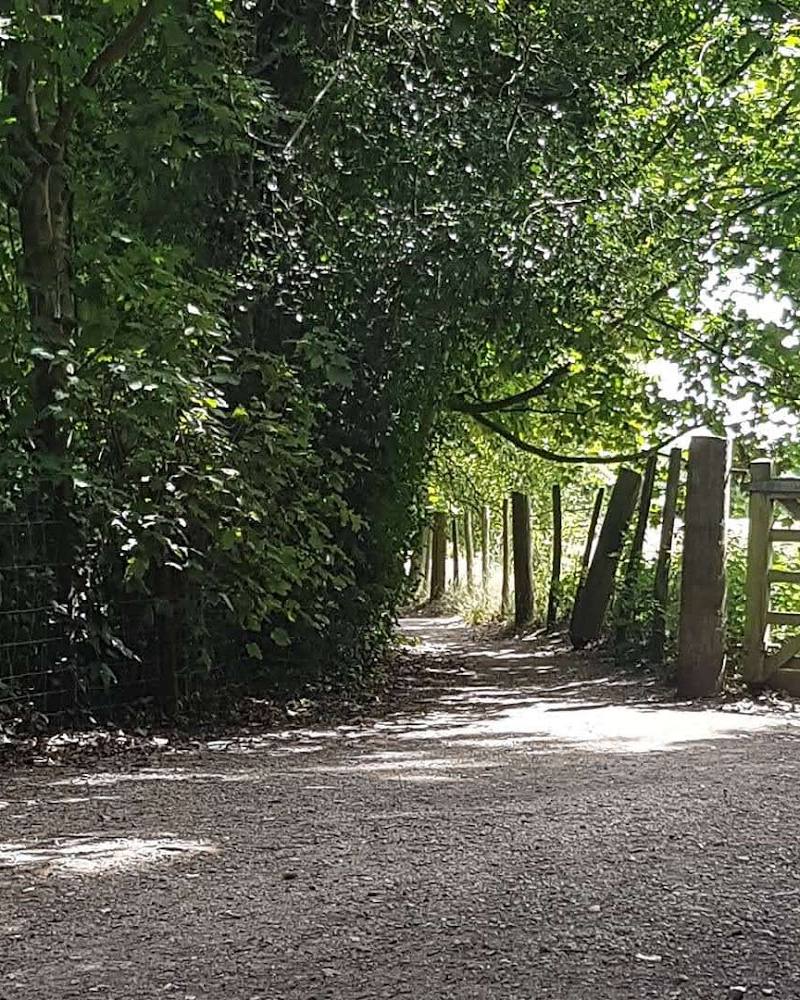
Between east London and Epping, Essex
Epping Forest
Ancient woodland
Source image
8.2
Wildland
1–2 hours, Half day or Full day, depending on the chosen area and route
Time
Check
Cost
Wild
Feel
Why it's Wildland
8.2Once a royal hunting ground, Epping Forest is now a vast, varied landscape of ancient wood-pasture, heaths, meadows, bogs, ponds and rivers, protected for public enjoyment since 1878.
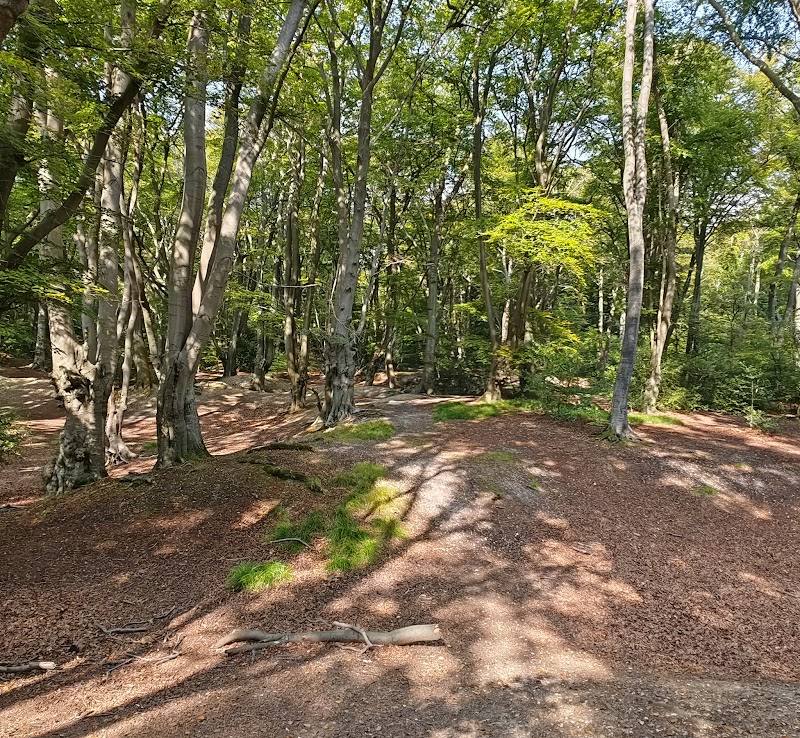
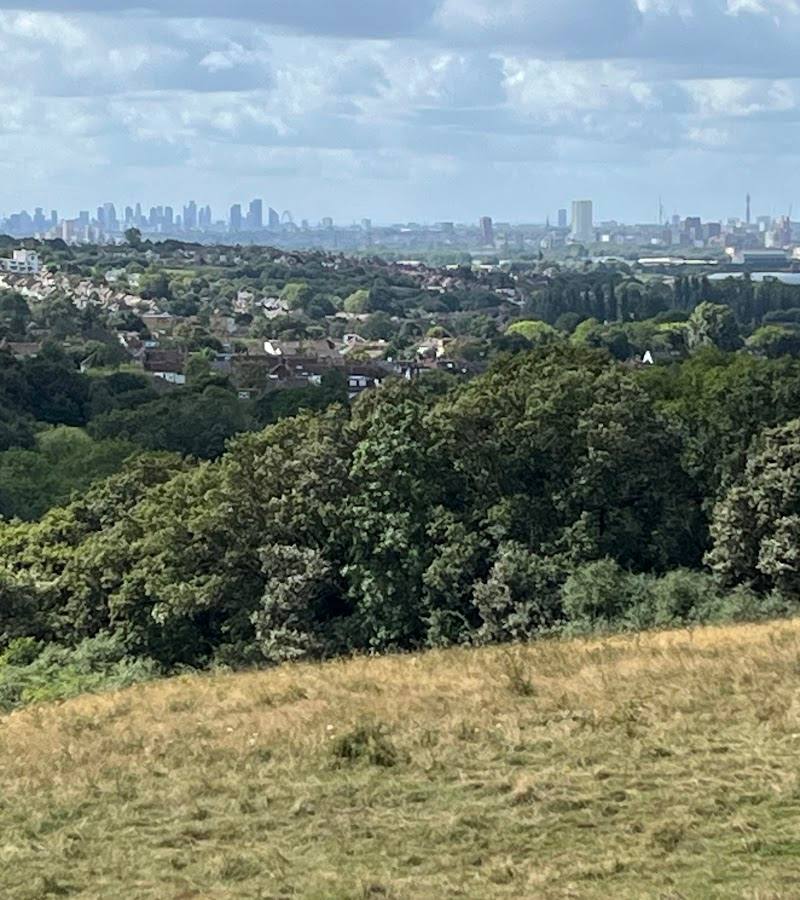
This is far more than a stretch of trees on London’s edge: an 8,000-acre landscape of ancient wood-pasture and heath, with 55,000 ancient trees and habitats ranging from bogs to ponds. Its scale, ecological variety and long history make it a substantial escape from the city.
Wild · Ancient-feeling · Big-sky · Peaceful
Find your way
Open mapBetween east London and Epping, Essex
Opening map…
Know this place a little better?
The experience
Think of Epping Forest as a landscape to explore in sections, not a single short walk. Pick an entrance and a route that suit your time, then look beyond the trees to the forest’s heaths, meadows, wetlands and seasonal woodland flowers.
Things to do
Walk a section of Epping Forest
Use the City of London visitor guide to choose a trail and explore the forest on foot. The guide presents walking as one of the ways to experience the landscape; no particular circuit or distance is verified here.
Look for spring woodland flowers
In spring, look for bluebells, wood anemones and wild garlic on the forest floor, as highlighted in the visitor guide.
Explore the forest’s changing habitats
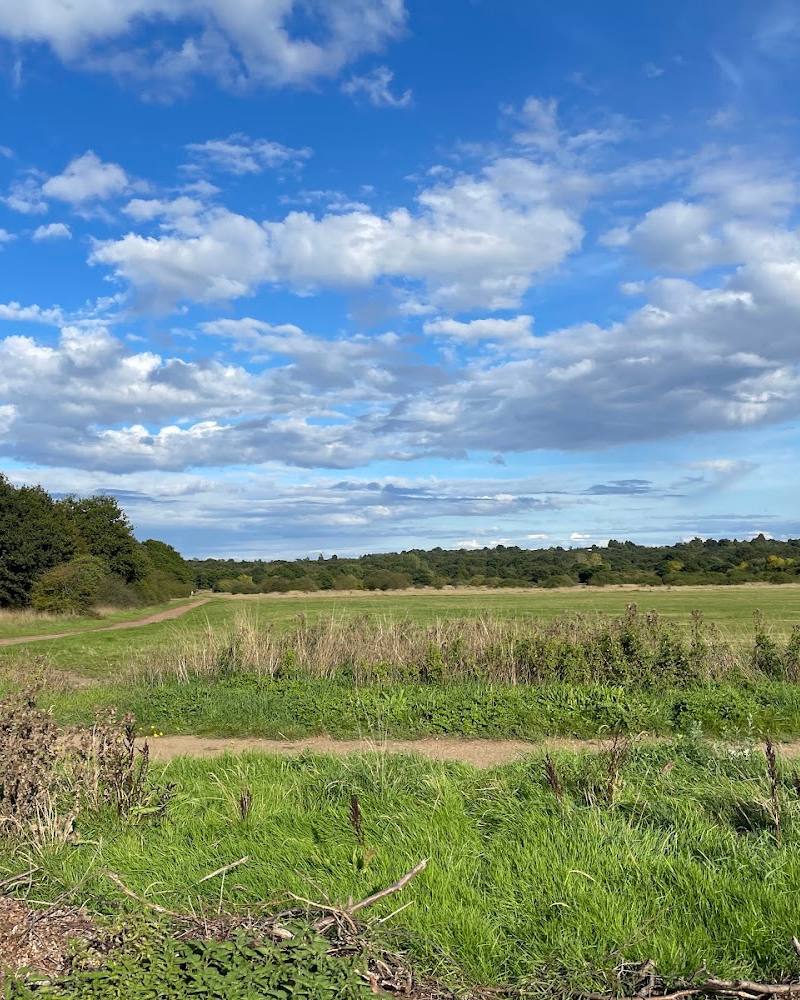
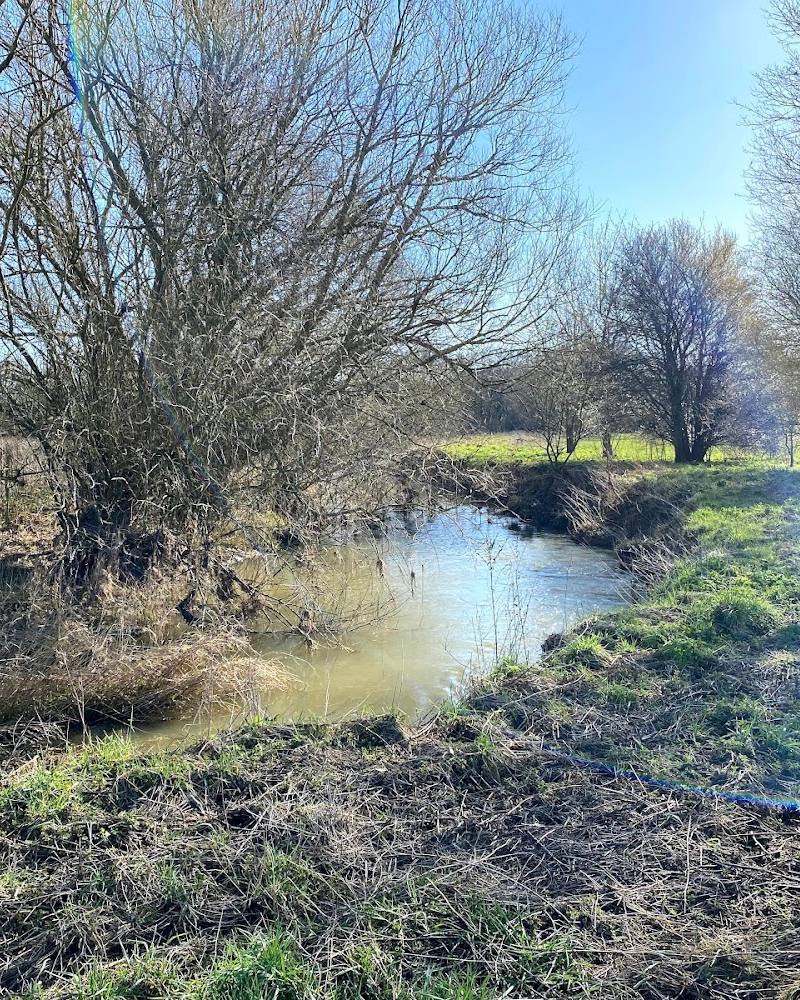
Notice the shifts between wood-pasture, heath, meadow, bog, pond and river landscapes. The visitor guide describes this varied habitat mosaic across the forest.
Cycle, run or picnic
The visitor guide lists cycling, running and picnicking among ways to enjoy the Forest. Check current rules, route suitability and facilities before making plans.
Make a day of it
Quick escape · 1–2 hours
A first taste of the forest
- 01
Choose an entrance and a short walking route using the City of London’s visitor guide; the supplied general map pin is not an entrance.
- 02
Walk a section of the forest and take time to notice how the landscape changes between trees and open habitat.
- 03
In spring, look for bluebells, wood anemones and wild garlic where present.
- 04
Return by your chosen route; check current conditions and access information before setting out.
Half day · Half day
Make a half day of it
- 01
Plan a longer walk using the visitor guide’s trail information, choosing a route that suits your time and ability.
- 02
Allow time to experience more than one part of the landscape, such as wood-pasture, heath, meadow or wetland.
- 03
Pause for a picnic if you bring your own food; the guide identifies picnicking as an activity, but facilities and food outlets are not verified here.
- 04
Check the guide and current local information for route conditions, access points and any restrictions.
Verified history
Epping Forest was once a royal hunting ground. The Epping Forest Act 1878 required the City of London Corporation to preserve it for the recreation and enjoyment of the public. The City of London’s 2026 visitor guide describes the Forest as an 8,000-acre landscape stretching 13 miles from east London towards Epping, and notes that it is cared for by the Corporation as a registered charity.
Hidden details
Look beyond the tree canopy — Epping Forest is not continuous woodland alone: the visitor guide describes a mosaic that includes wood-pasture, heaths, meadows, bogs, ponds and rivers. Watching for these changes reveals more of the place’s character.
Notice the old trees — The visitor guide reports 55,000 ancient trees and over a million trees in the wider landscape. Look for the varied forms of mature trees, including beech and oak; no specific individual tree or location is verified here.
When to go
March · April · May · June · July · August · September · October · November · December · January · February · No particular time of day is verified; check current conditions and choose a time that suits your route.
The 2026 visitor guide highlights spring flowers, summer wildflowers, autumn colours and winter frosts, so the Forest has distinct seasonal interest throughout the year.
Check the forecast and current ground conditions before setting out; no specific weather or path-condition information is verified.
What to look for
- 01
Look for the contrast between ancient wood-pasture, heath, meadow and wetland habitats. In spring, the visitor guide highlights bluebells, wood anemones and wild garlic
- 02
the guide also notes the forest’s ancient trees and distinctive beech and oak.
The story
Royal hunting ground; public protection under the Epping Forest Act 1878
Best time to go
Every season has something to offer: spring for bluebells, wood anemones and wild garlic; summer for wildflowers; autumn for colour; winter for frosts and a more open woodland feel.
Spring is especially rewarding for woodland flowers; autumn brings colour, while winter frosts can give the forest a quieter, more open character. Check local conditions before setting out.
How long to spend
1–2 hours, Half day or Full day, depending on the chosen area and route
Perfect for
Walkers · Wildlife lovers · Cyclists · Photographers · Families
Before you go
Google rating
Practical information
Opening & access
The 2026 City of London visitor guide describes the Forest as a public open space, protected for public recreation and enjoyment under the Epping Forest Act 1878. Choose an appropriate entrance before travelling.
Parking
Check before visiting; the supplied map pin is not a parking location.
Check before visiting
Toilets
Check before visiting.
Check before visiting
Food & drink
Check before visiting.
Check before visiting
Dogs
Check current rules and local signage before visiting.
Check before visiting
Accessibility
Check route conditions and accessibility with the City of London Corporation before visiting; no specific accessible route is verified by the supplied evidence.
Check before visiting
Cost
Check before visiting
Check before visiting
Water
Rivers, ponds and bogs occur within the wider forest; no swimming or paddling permission is verified.
Gallery
Place photographsKeep exploring
Around Epping Forest
Within 50 km · approximate straight-line distances