Castle Close, Weeting, Brandon, Norfolk IP27 0RQ
Weeting Castle
Castle
Place photograph
6.2
Wildland
Under 1 hour
Time
Free
Cost
Atmospheric
Feel
Why it's Wildland
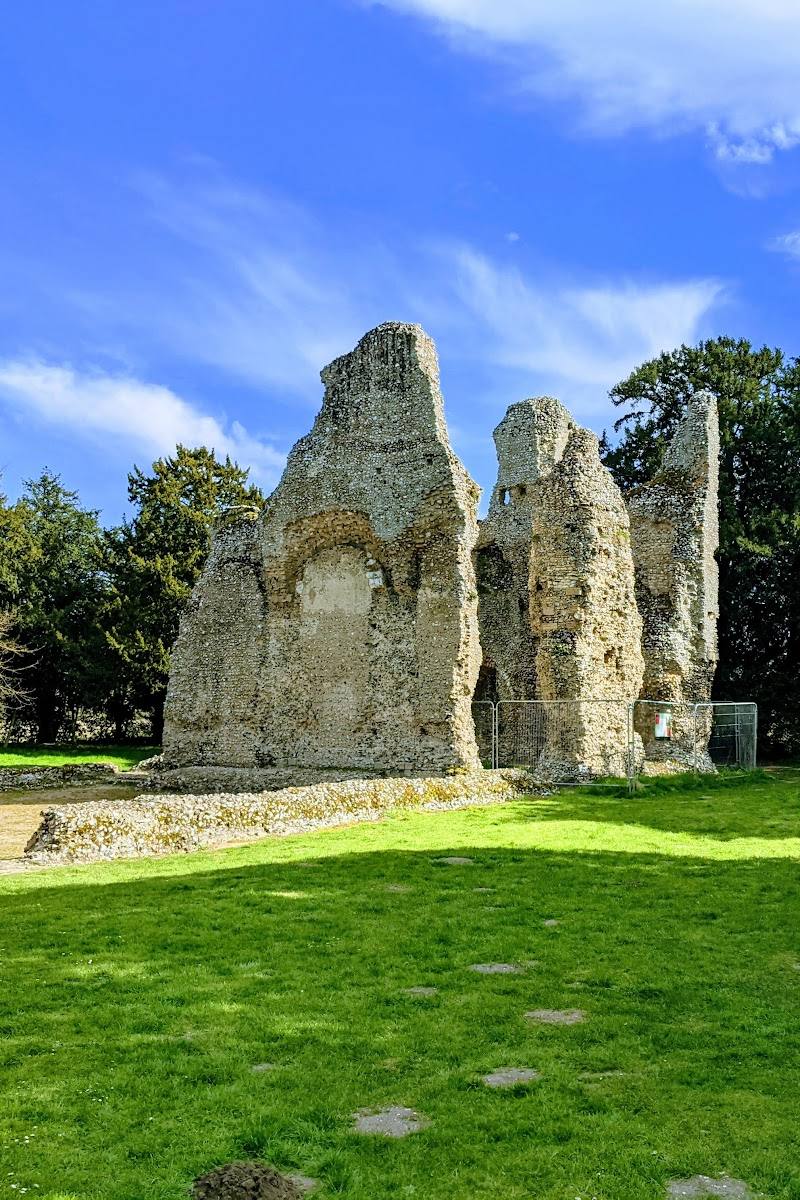
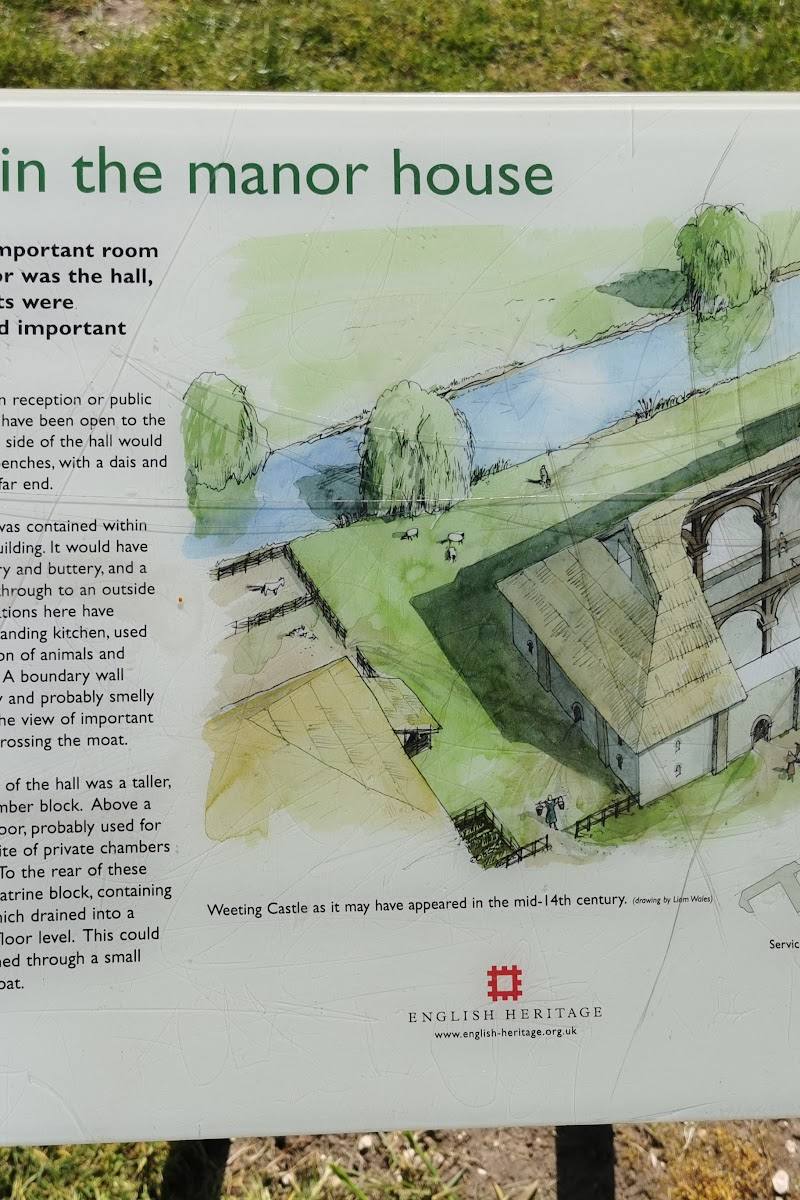
6.2Despite its name, Weeting Castle was never a fortress: it is a rare surviving grand manor house of the 12th century. Its moat was added in the mid-13th century as a display of its owners’ wealth and power.
The surprise here is the gap between the name and the building: these are the remains of a grand medieval manor house, not a defensive castle. A surviving moat and recent conservation work make this a compact, unusually legible encounter with medieval status and architecture.
Atmospheric · Historic
Find your way
Open mapCastle Close, Weeting, Brandon, Norfolk IP27 0RQ
Opening map…
Know this place a little better?
The experience
A short visit centred on the moated ruins and their architectural story. Look closely at the historic masonry and the newer flint and cut-stone supports, designed to make the form of arches and piers easier to understand. Allow for steps, kissing gates and uneven ground.
Things to do
Read the manor house through its ruins
Look for the new flint and cut-stone supports alongside the historic masonry; English Heritage says they show the historic form of arches and piers that had become difficult to understand.
Allow time within your visit
See the moat in its seasonal context
The moat fills with water in winter and dries out over summer. Keep clear of the water and observe the site hazards noted by English Heritage.
Allow time within your visit
Make a day of it
Quick escape · Under 1 hour
Quick Escape: the moated manor
- 01
Visit during daylight at a reasonable time.
- 02
Approach from the lay-by, allowing for four steps and two kissing gates on the path to the ruins.
- 03
Explore the ruins and compare the historic masonry with the newer conservation supports.
- 04
Take care around the moat, uneven surfaces and falling masonry hazards.
Half day · Half day
Half day: Weeting Castle and Grime’s Graves
- 01
Visit Weeting Castle during daylight and explore the moated manor ruins.
- 02
Travel four miles northeast to Grime’s Graves, which English Heritage describes as the only Neolithic flint mine open to visitors in Britain.
- 03
Check the current visitor information for both sites before travelling.
Verified history
Weeting Castle is a rare surviving example of a grand 12th-century manor house; despite its name, it was never fortified. Its moat was added in the mid-13th century to demonstrate the wealth and power of its owners. English Heritage conserved the ruins during 2023–24, adding supports in flint and cut stone designed, where possible, to show the historic form of arches and piers.
Hidden details
The castle that was not a fortress — The site’s name can mislead: English Heritage identifies it as a grand manor house that was never fortified.
Conservation that explains the architecture — The 2023–24 repairs include new flint and cut-stone supports intended to help visitors read the historic forms of arches and piers.
When to go
· Daylight; English Heritage says the site is open at any reasonable time during daylight hours.
The site is described as open during daylight throughout the year. The moat fills with water in winter and dries out over summer, changing the setting around the ruins.
Uneven surfaces are a stated hazard. The moat may contain deep water in winter; falling masonry is also identified as a hazard. Check conditions before visiting.
Worth pairing with
Grime’s Graves
Four miles northeast; English Heritage describes it as the only Neolithic flint mine open to visitors in Britain. A worthwhile prehistoric-history pairing; check its current visitor information before travelling.
Thetford Priory and the Church of the Holy Sepulchre
English Heritage identifies Thetford Priory as eight miles southeast of Weeting Castle and notes the Church of the Holy Sepulchre is half a mile from the priory. These offer a substantial extension for a history-focused day; check current visitor information.
What to look for
Look for the contrast between historic masonry and the newer flint and cut-stone supports added during the 2023–24 conservation work. English Heritage says some supports reveal the historic form of arches and piers that had become difficult to understand. Notice the moat around the ruins, which fills in winter and dries out over summer.
The story
Medieval manor house; moat as a display of wealth and power.
Best time to go
Any season, in daylight; the moat fills in winter and dries out over summer.
Visit during daylight; English Heritage says the site is open at any reasonable time during daylight hours. The moat may hold water in winter and dry out over summer.
How long to spend
Under 1 hour
Perfect for
History lovers · Photographers
Before you go
Address
Phone
Website
Listed hours
- Monday: 9am-5pm
- Tuesday: 9am-5pm
- Wednesday: 9am-5pm
- Thursday: 9am-5pm
- Friday: 9am-5pm
- Saturday: 9am-5pm
- Sunday: 9am-5pm
Check before visiting.
Google rating
Practical information
Opening & access
English Heritage describes the site as free to enter and open at any reasonable time during daylight hours. The approach from the lay-by has four steps and two kissing gates. The moat may contain deep water in winter; surfaces are uneven and falling masonry is a stated hazard.
Parking
English Heritage reports a small lay-by next to the castle entrance, in front of the village church. Check before visiting for current parking conditions.
Check before visiting
Toilets
No facilities at the castle.
Food & drink
No facilities at the castle; English Heritage says shops and places to eat are nearby in Weeting. Check before visiting for current options.
Check before visiting
Dogs
Dogs on leads are welcome.
Accessibility
The approach from the lay-by includes four steps and two kissing gates. English Heritage lists the entrance as not wheelchair accessible. Uneven surfaces are a stated hazard.
Cost
Free
Water
Moat; it fills with water in winter and dries out over summer. Swimming or paddling permission is not stated.
Gallery
Place photographs
Keep exploring
Around Weeting Castle
Within 50 km · approximate straight-line distances
 Source image8.2
Grime’s Graves Prehistoric Flint Mine
Lynford, near Thetford, Norfolk IP26 5DE
4.0 km away
 Place photograph8.7
Forest Lodge Holidays
Little Lodge Farm, Santon Downham, Brandon, IP27 0TX
6.3 km away
 Place photograph5.4
Cherry Tree Farm, Methwold
Thornham Road, Methwold, near Thetford, Norfolk
10.2 km away

 Place photograph8.5
Forest Holidays Thorpe Forest
Shadwell, near Thetford, Norfolk IP24 2RX
17.5 km away