Dungeness, Romney Marsh, Kent TN29 9NE
Dungeness National Nature Reserve
Mixed-habitat reserve
Source image
8.5
Wildland
1–2 hours for a focused visit
Time
Check
Cost
Wild
Feel
Why it's Wildland
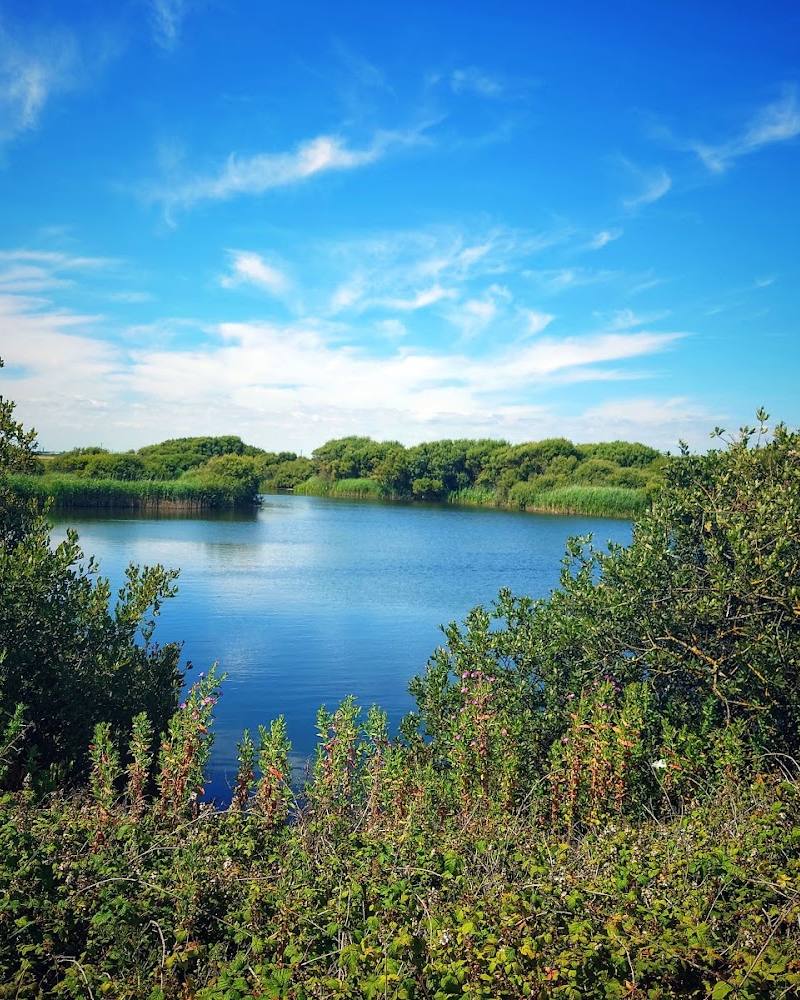
8.5At Dungeness, a vast shingle landscape meets freshwater pits, wet grassland and flower-rich meadows. The reserve’s stark mix of wildlife habitat, power stations, lighthouses and scattered buildings gives it a character unlike almost anywhere else in Kent.
This is not simply a bird reserve: it protects one of the world’s largest shingle landscapes, where uncommon plants and insects thrive beside freshwater pits and open marsh. Its exposed, otherworldly setting and seasonal movement of birds make it a genuinely distinctive place to explore.
Wild · Big-sky · Atmospheric · Remote
Find your way
Open mapDungeness, Romney Marsh, Kent TN29 9NE
Opening map…
Know this place a little better?
The experience
Come for the scale and strangeness of the shingle landscape, then slow down at the freshwater pits and grasslands to watch for seasonal wildlife. Keep to established paths and roadways to protect the fragile habitat.
Things to do
Explore the shingle landscape
Walk only on established footpaths and roadways through the reserve’s extensive shingle habitat, taking care not to disturb its fragile plant and animal communities.
Watch for seasonal birdlife at the RSPB reserve
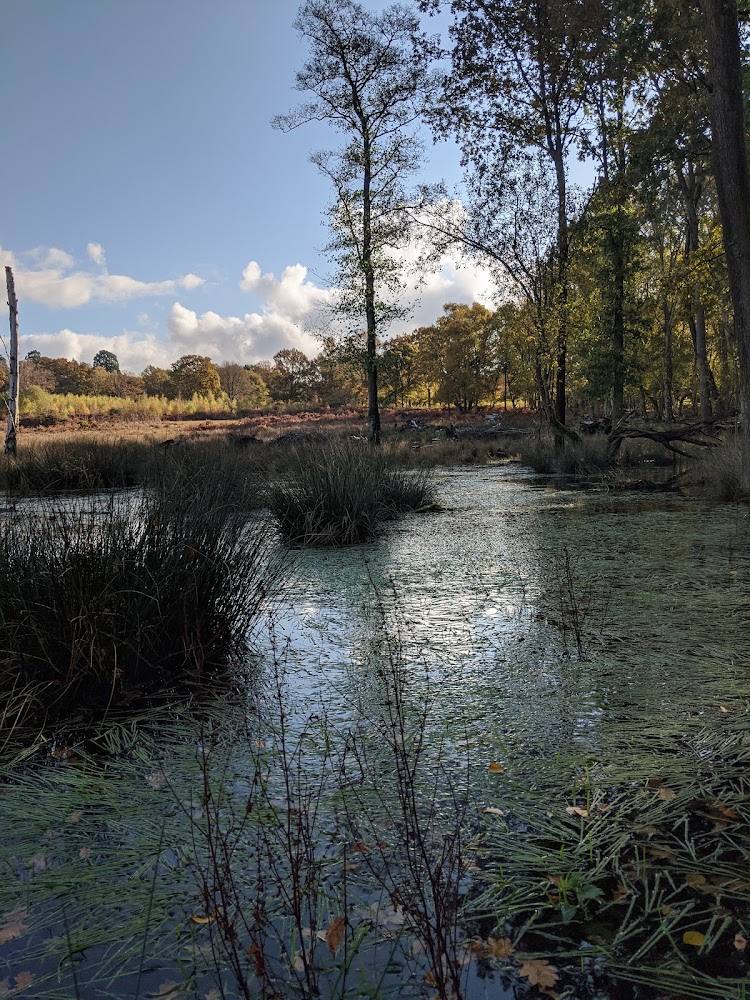
Scan the freshwater pits and grasslands. The RSPB highlights spring and autumn passage, summer activity over Burrowes Pit, and large numbers of wintering wildfowl and swans.
Look for summer flowers and pollinators
Explore the flower-rich meadows and watch for bees and butterflies among the summer wildflowers.
Make a day of it
Quick escape · About 1–2 hours; exact route duration not verified.
Quick escape: shingle and birdlife
- 01
Check the current access information for the reserve area you plan to visit.
- 02
Follow established footpaths or roadways and take in the open shingle landscape.
- 03
Pause by an accessible viewing point to scan the freshwater pits and grassland for birds.
- 04
Stay on marked routes to avoid damaging fragile shingle habitat.
Verified history
The Denge Sound Mirrors at Lade Pits are three concrete acoustic structures, ranging from 20 to 200 feet, built between 1928 and 1935 as part of Britain’s national defence strategy. The RSPB says they are open to the public during organised events. The supplied reserve source also describes Dungeness as a designated National Nature Reserve, Special Protection Area and Special Area of Conservation.
Hidden details
The Denge Sound Mirrors are event-access only — The three striking concrete listening structures at Lade Pits are not described as routinely open; the RSPB says public access is during organised events.
A remarkable plant tally — The reserve website says Dungeness is home to 600 plant species—about a third of all plant species found in the UK.
Fragile shingle needs careful feet — The reserve asks visitors to drive only on roads and walk on established footpaths and roadways to help protect its exceptionally fragile habitat.
When to go
March · April · May · September · October · November · December · January · February · Choose a calm, clear period for wildlife watching; specific best times are not established by the supplied sources.
Spring and autumn bring migratory birds; summer meadows attract pollinators; autumn passage and wintering wildfowl make the colder months rewarding for birdwatching.
Dungeness is an open coastal shingle landscape. Check the forecast and prepare for exposed conditions; the supplied sources do not provide specific weather guidance.
What to look for
- 01
Look for swallows, swifts and martins feeding over Burrowes Pit in spring and autumn
- 02
listen for bitterns and cuckoos
- 03
scan summer meadows for flowers, bees and butterflies
- 04
and watch for wintering wildfowl and swans. At Lade Pits, the three Denge Sound Mirrors are visible during organised public events only.
The story
Industry, Aviation, Archaeology
Best time to go
Spring and autumn for migratory birds; summer for wildflowers and pollinators; winter for waterbirds and swans.
Spring and autumn offer seasonal bird migration; summer brings flower-rich meadows and active pollinators. Winter is a strong season for ducks, geese and swans. Check local sightings for the best wildlife-watching conditions.
How long to spend
1–2 hours for a focused visit; allow half a day to explore more of the reserve.
Perfect for
Wildlife lovers · Walkers · Photographers · History lovers
Before you go
Address
Phone
Website
Listed hours
- Monday: Open 24 hours
- Tuesday: Open 24 hours
- Wednesday: Open 24 hours
- Thursday: Open 24 hours
- Friday: Open 24 hours
- Saturday: Open 24 hours
- Sunday: Open 24 hours
Check before visiting.
Google rating
Practical information
Opening & access
The reserve’s established footpaths and roadways are open to visitors. Keep to them: the shingle habitat is exceptionally fragile. Visitor facilities and opening arrangements vary by area; check the relevant reserve information before travelling.
Check before visiting
Parking
The RSPB reserve has a main car park at the end of an access track, with hard-packed shingle, occasional potholes, 60 spaces and four Blue Badge spaces. An alternative car park opposite the entrance has 15 spaces and no designated Blue Badge spaces. No overnight parking or camping. Check current arrangements before setting out.
Check before visiting
Toilets
Accessible toilets, including baby-changing facilities, are available opposite the RSPB visitor centre during reserve opening hours.
Food & drink
Check before visiting; the supplied sources do not verify food facilities at the reserve.
Check before visiting
Dogs
Check current reserve rules before visiting; dog access and restrictions are not established by the supplied evidence.
Check before visiting
Accessibility
The RSPB reports a hard-packed shingle car park with four Blue Badge spaces and accessible toilets. A mobility scooter is available to hire free of charge when the visitor centre is open; book at least three days ahead. Shingle surfaces may have potholes. Check current access information before visiting.
Check before visiting
Cost
Check before visiting
Check before visiting
Water
Freshwater pits and coastal shingle; swimming and paddling permission not verified.
Gallery
Place photographsKeep exploring
Around Dungeness National Nature Reserve
Within 50 km · approximate straight-line distances