Duncansby Head, near John o’ Groats, Caithness, Scotland
Duncansby Stacks
Coastal reserve
Place photograph
8.2
Wildland
1–2 hours
Time
Check
Cost
Dramatic
Feel
Why it's Wildland
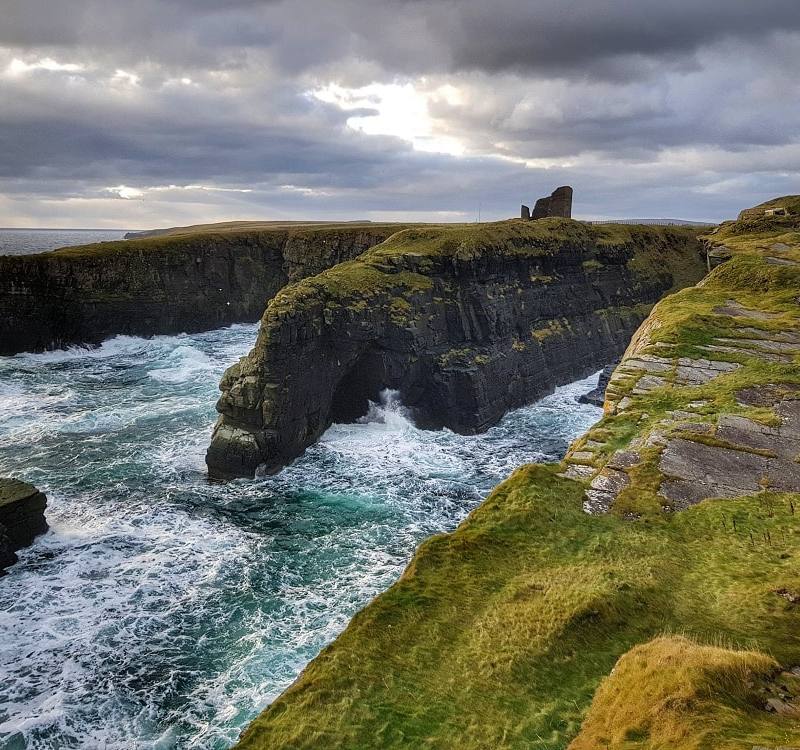
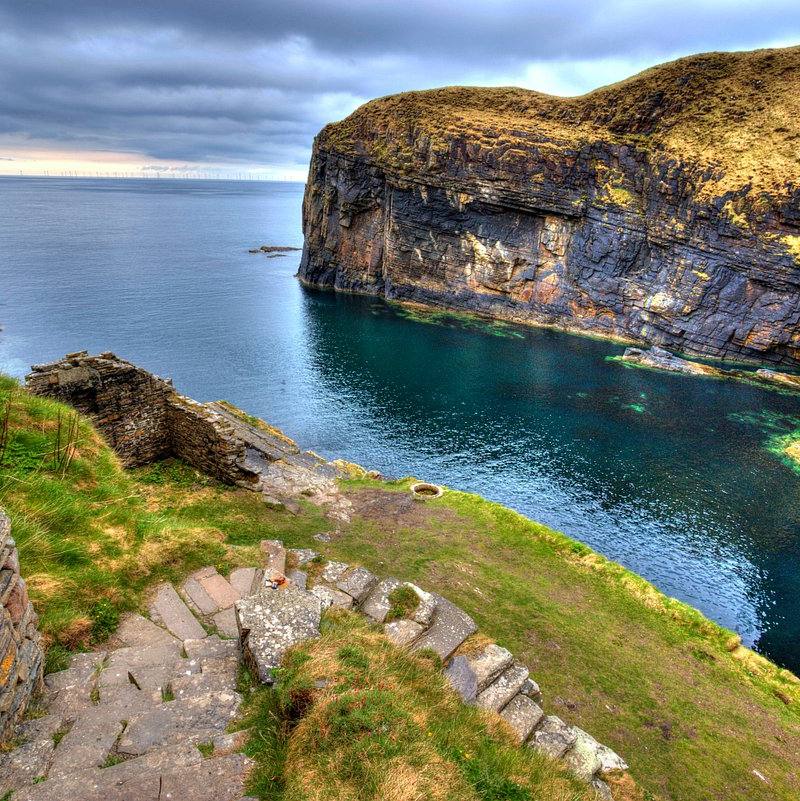
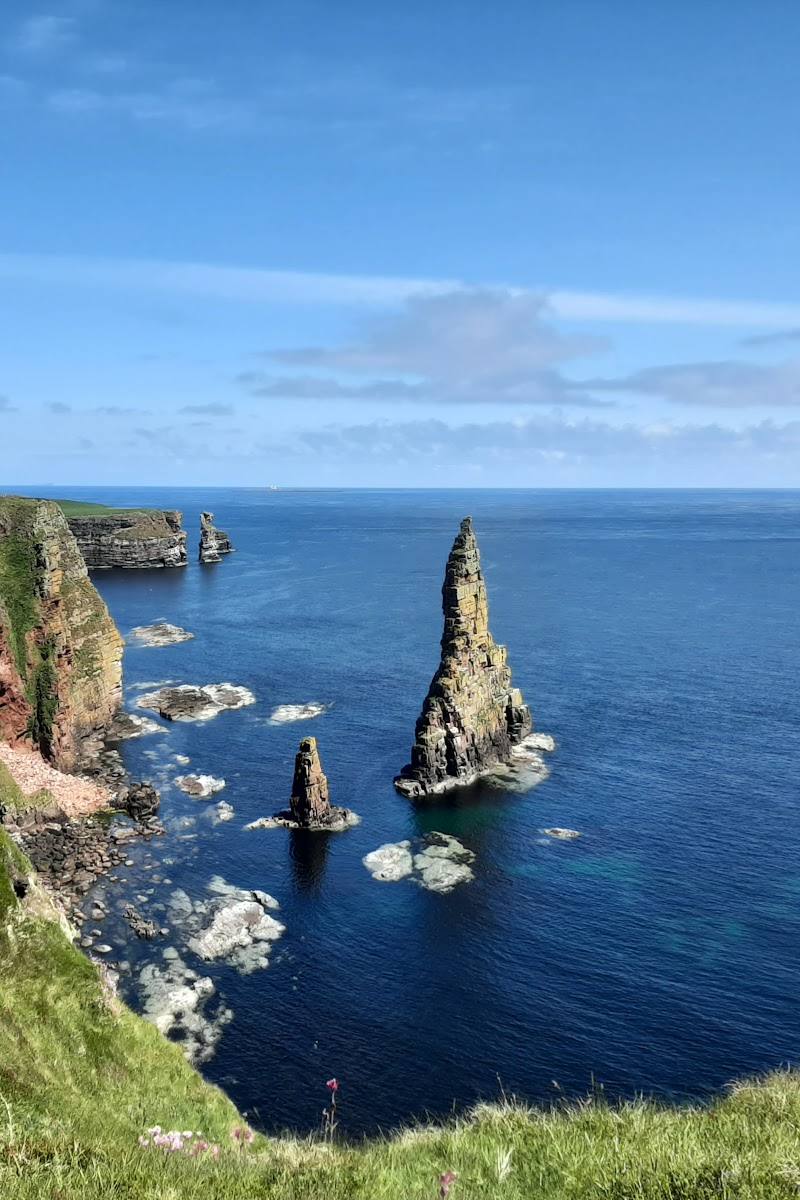
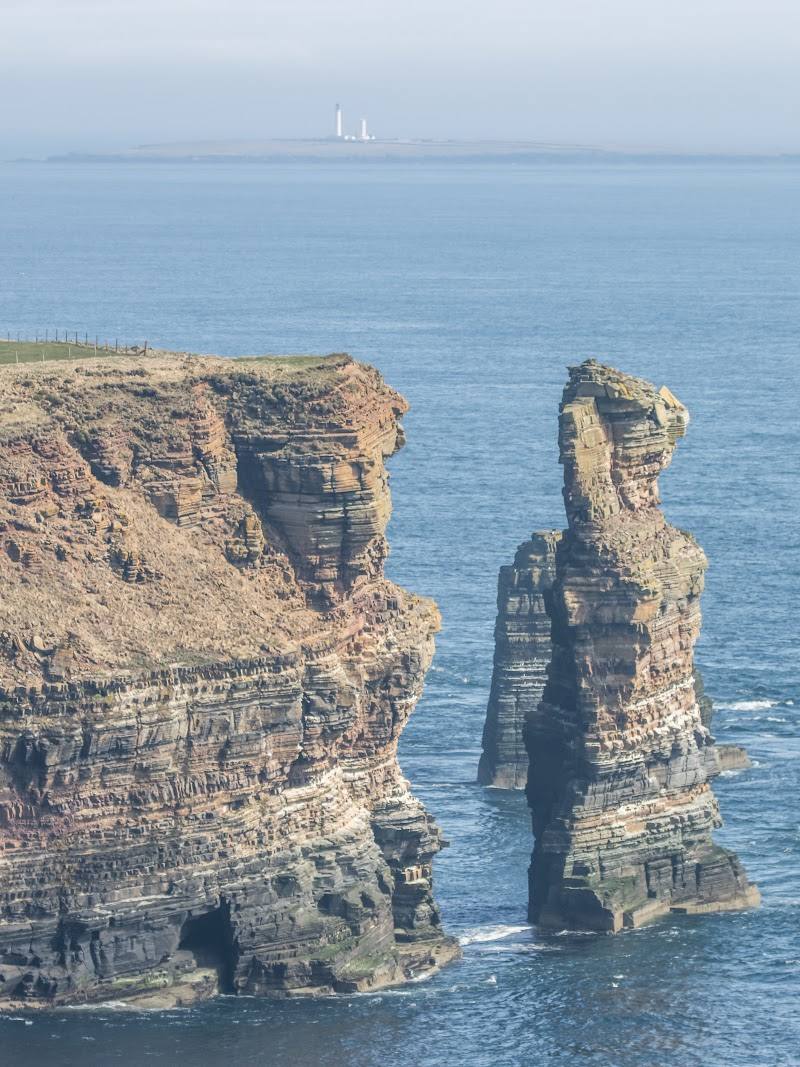
8.2Duncansby Head is the real north-eastern tip of mainland Scotland. Beyond the lighthouse, a short clifftop walk reveals a huge cleft in the cliffs, a natural rock arch and jagged sea stacks rising from the sea.
The lighthouse car park offers a striking view north, but the best of Duncansby lies south along the clifftop: the immense Geo of Sclaites, then Thirle Door and the stacks, changing shape as you move along the path. It is a dramatic coastal landscape with a rewarding walk beyond the obvious viewpoint.
Dramatic · Wild · Big-sky
Find your way
Open mapDuncansby Head, near John o’ Groats, Caithness, Scotland
Opening map…
Know this place a little better?
The experience
Go beyond the lighthouse viewpoint on foot. The southbound clifftop path leads to the Geo of Sclaites and, farther on, the natural arch of Thirle Door and the Stacks of Duncansby. The exposed coastal setting calls for care near the cliff edge.
Things to do
Walk to the Geo of Sclaites
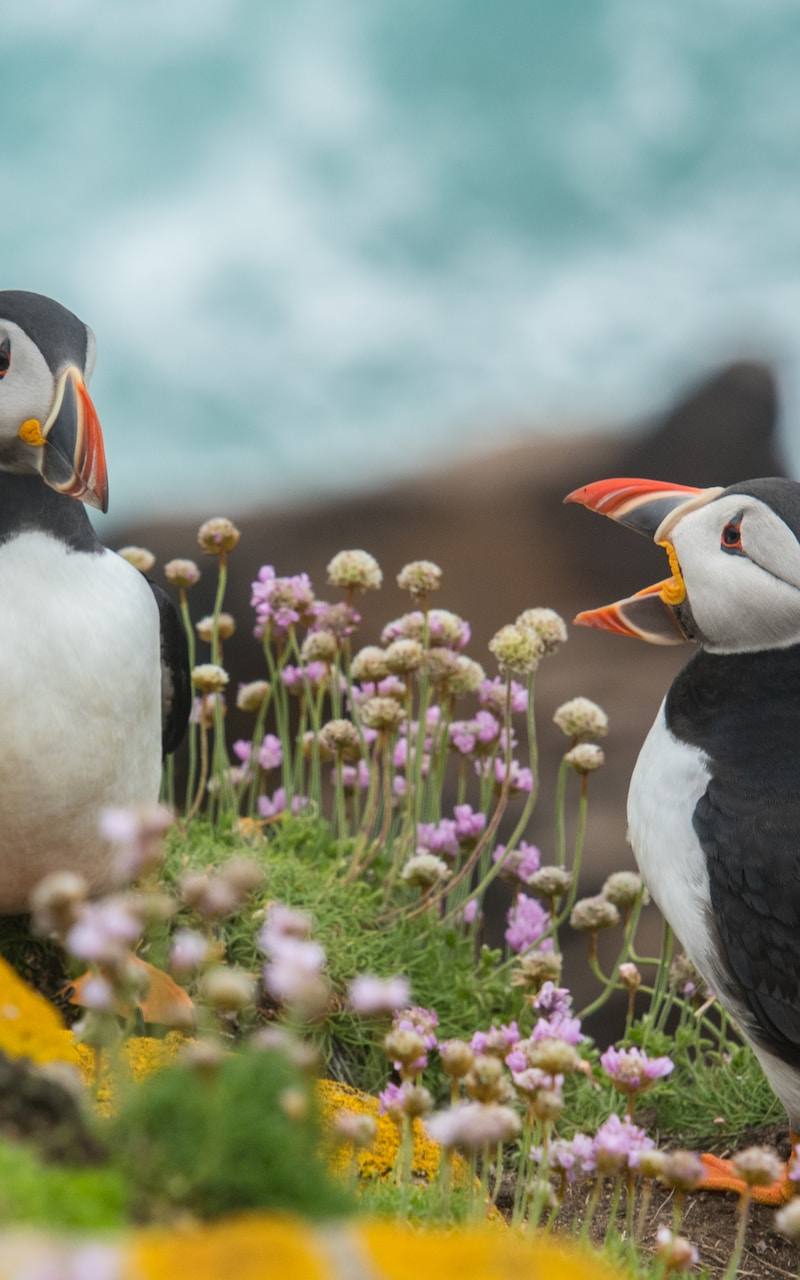
Follow the well-trodden path behind the lighthouse to this deep cleft in the cliffs. The source describes the sound and smell of its many seabirds.
See Thirle Door and the Stacks
Continue south along the clifftop fields for the rocky arch and jagged sea stacks. Their alignment changes as you move along the path.
Take in the lighthouse headland views
From the lighthouse area, look north towards Orkney and west towards John o’ Groats and Dunnet Head.
Make a day of it
Quick escape · Allow around 1–2 hours; exact walking time is not confirmed by the supplied sources.
Quick Escape: lighthouse to the stacks
- 01
Reach the lighthouse and take in the views north towards Orkney and west towards John o’ Groats and Dunnet Head.
- 02
Follow the well-trodden path south behind the lighthouse to the Geo of Sclaites.
- 03
Continue to the clifftop viewpoint for Thirle Door and the Stacks of Duncansby, then return the same way.
- 04
Keep well back from the cliff edge and check conditions before walking.
Half day · Half day; the supplied sources do not establish a complete route distance or duration.
Make a half day of it: explore Duncansby Head on foot
- 01
Begin at Duncansby Head lighthouse and look north towards Orkney, then west towards John o’ Groats and Dunnet Head.
- 02
Walk south behind the lighthouse, stopping at the Geo of Sclaites to look into the cliff cleft and listen for seabirds.
- 03
Continue along the clifftop fields to view Thirle Door and the Stacks from more than one angle.
- 04
Return by the same path. Add a John o’ Groats visit only if it suits your plans; no specific nearby food or other pairing is verified here.
Verified history
Duncansby Head lighthouse was built in 1924 and automated in 1997. The lighthouse keepers’ accommodation was sold after automation; the main buildings at Duncansby Head were later demolished because of asbestos, leaving one building attached to the lighthouse.
Hidden details
The best views are south of the lighthouse — It is easy to admire the view from the car park and turn back. The source identifies the main attractions as lying south of the lighthouse, reached by a short walk over the surrounding high ground.
The stacks change their alignment as you walk — The view of Thirle Door and the stacks varies along the clifftop path; move along the viewpoint rather than relying on a single photograph.
When to go
· No time-of-day recommendation is established by the supplied sources; check the forecast and conditions before visiting.
The supplied evidence does not identify a best season. Coastal weather and path conditions may affect the walk, so check locally before setting out.
Exposed clifftop setting. Check the weather and path conditions before walking, and keep well back from cliff edges.
Worth pairing with
John o’ Groats
The source describes the single-track road from John o’ Groats to the lighthouse and contrasts the commercial visitor stop with Duncansby Head’s natural scenery. No specific itinerary or facilities are verified.
What to look for
Look south from the clifftop for Thirle Door, the rocky arch, and the jagged sea stacks. Pause at different points along the path: changing your position alters the alignment of the arch and stacks. At the Geo of Sclaites, notice the great cleft in the cliffs and listen for seabirds.
The story
Duncansby Head lighthouse, built in 1924 and automated in 1997.
Best time to go
Check local conditions before visiting; no specific seasonal recommendation is established by the supplied sources.
No particular time of day is established by the supplied sources. Check local weather and path conditions before setting out.
How long to spend
1–2 hours
Perfect for
Walkers · Photographers · Wildlife lovers
Before you go
Address
Website
Listed hours
- Monday: Open 24 hours
- Tuesday: Open 24 hours
- Wednesday: Open 24 hours
- Thursday: Open 24 hours
- Friday: Open 24 hours
- Saturday: Open 24 hours
- Sunday: Open 24 hours
Check before visiting.
Google rating
Practical information
Opening & access
A single-track road from John o’ Groats reaches the lighthouse and car park. A well-trodden clifftop path leads south towards the Geo of Sclaites, Thirle Door and the stacks. Stay well back from cliff edges; check conditions before setting out.
Check before visiting
Parking
A car park is described beside the lighthouse; facilities, capacity and charges are not established. Check before visiting.
Check before visiting
Toilets
Check before visiting
Check before visiting
Food & drink
Check before visiting
Check before visiting
Dogs
Check before visiting
Check before visiting
Accessibility
The source row reports that the entrance is not wheelchair accessible. The clifftop path and terrain may be unsuitable for some visitors; check current conditions and access before visiting.
Check before visiting
Cost
Check before visiting
Check before visiting
Water
Sea
Gallery
Place photographs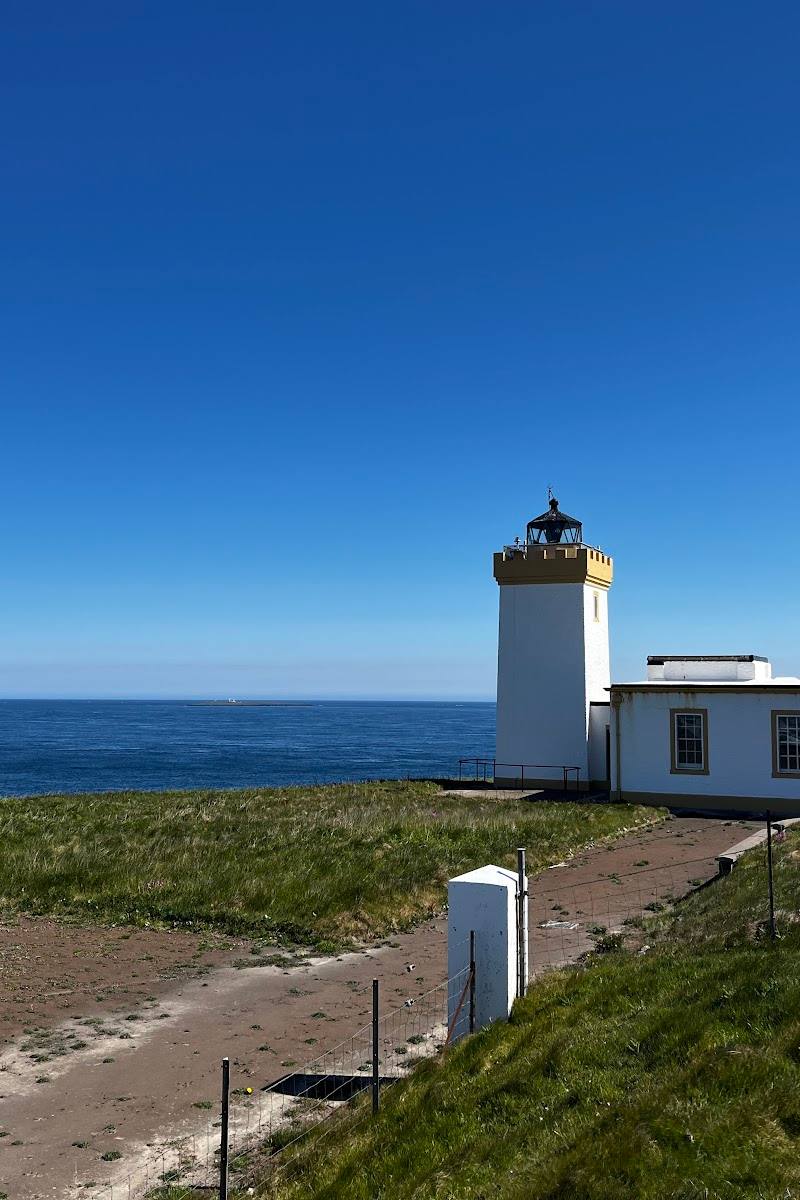
Keep exploring
Around Duncansby Stacks
Within 50 km · approximate straight-line distances
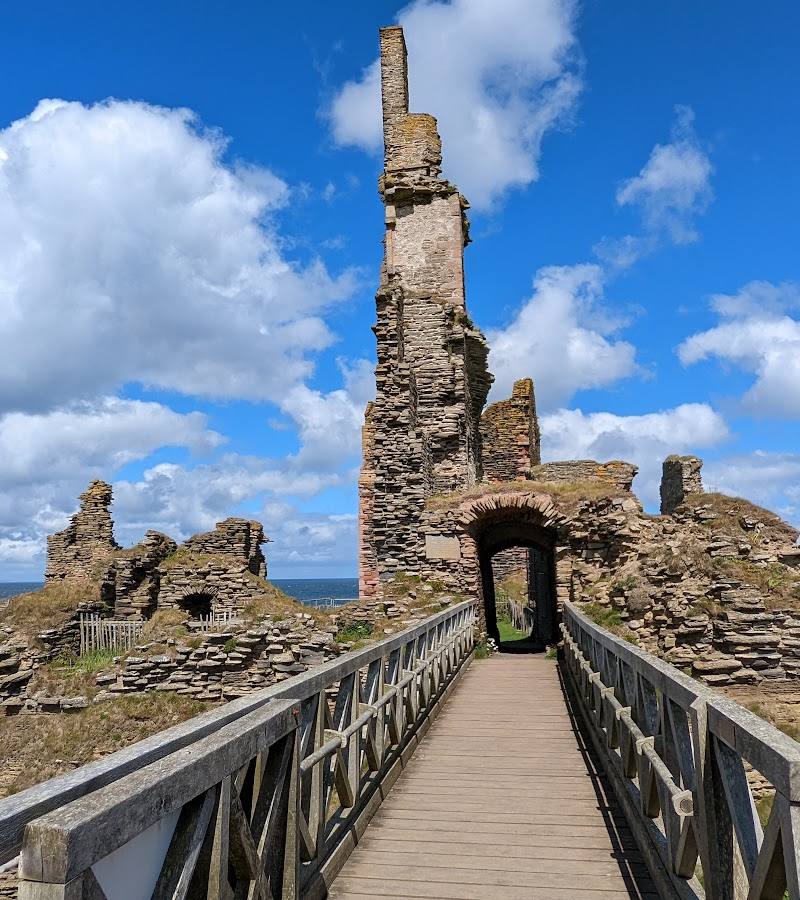 Place photograph8.2
Castle Sinclair Girnigoe
Near Noss Head, north of Wick, Caithness, Highlands, Scotland
17.5 km away
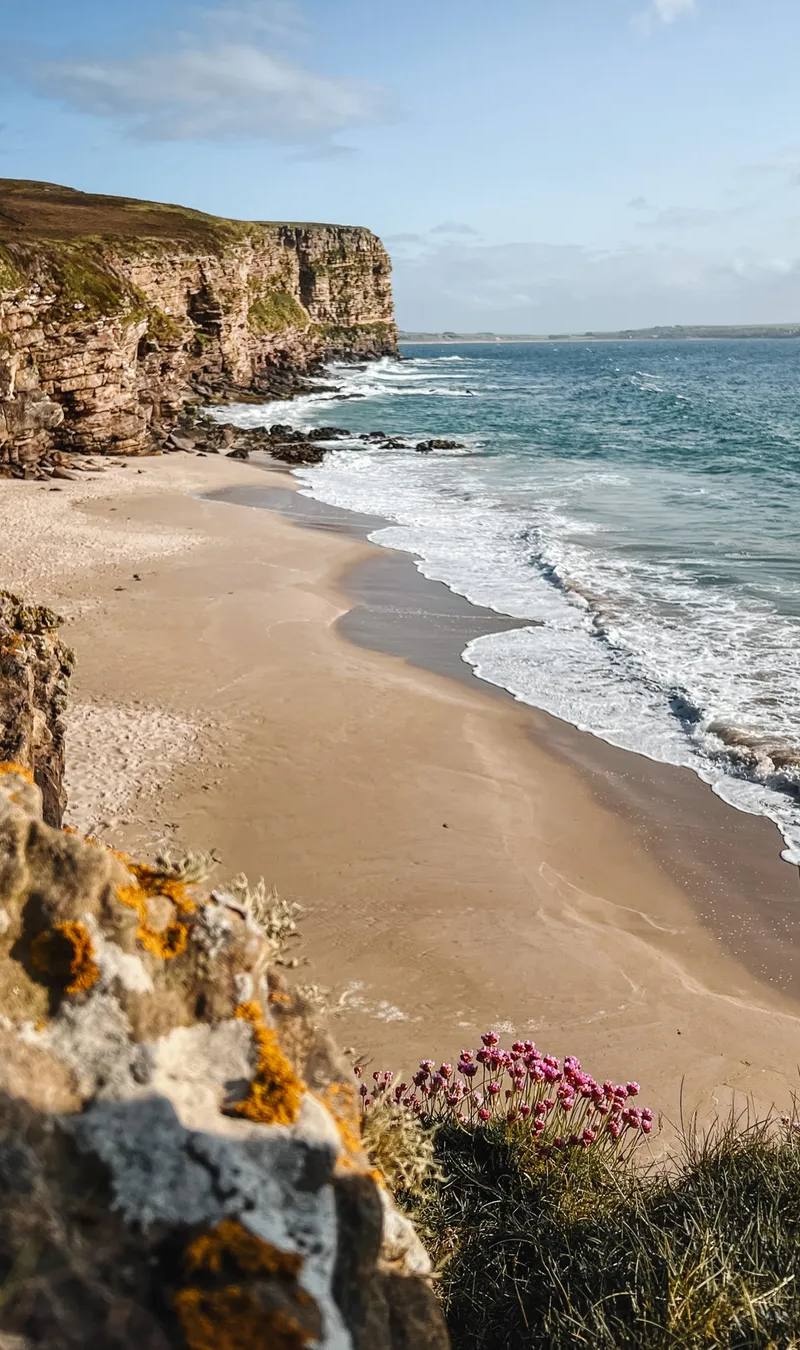 Place photograph7.6
Peedie Sands
Near Dwarwick Pier and Dunnet Head, Caithness, Highlands, Scotland
19.1 km away