Near John o’ Groats, Caithness, Highlands, Scotland
Duncansby Head
Viewpoint
Place photograph
8.8
Wildland
1–2 hours
Time
Free
Cost
Dramatic
Feel
Why it's Wildland
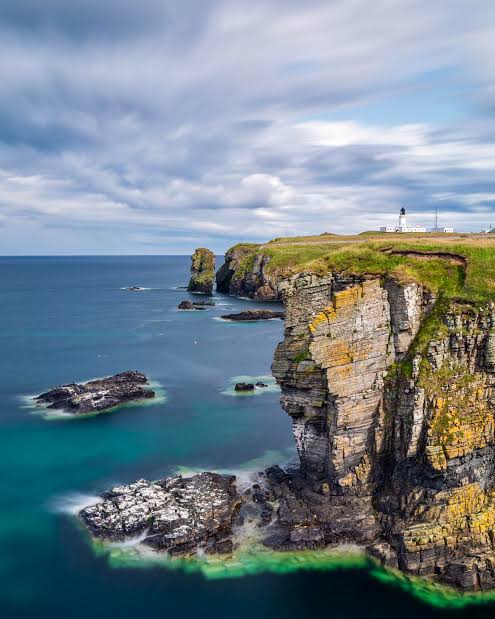
8.8Britain’s north-eastern corner: a Stevenson lighthouse, a seabird-filled cleft and sea stacks beyond the grassy clifftops.
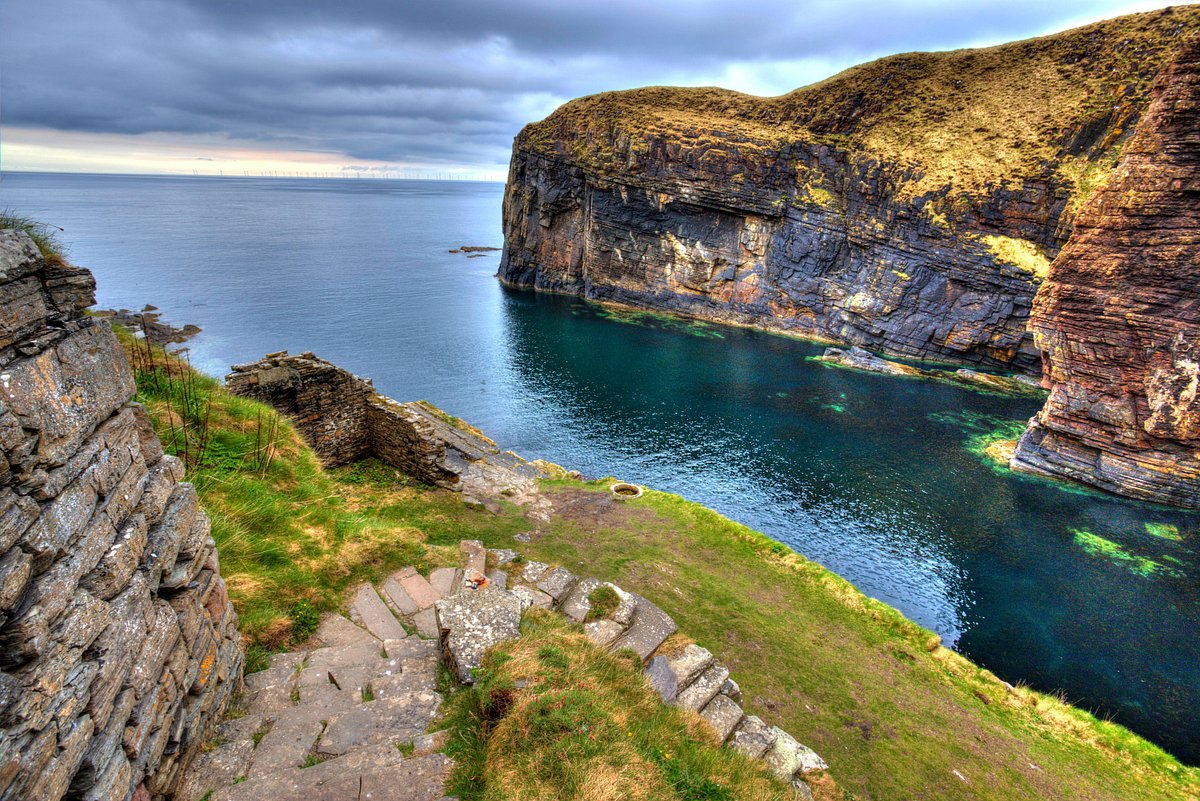
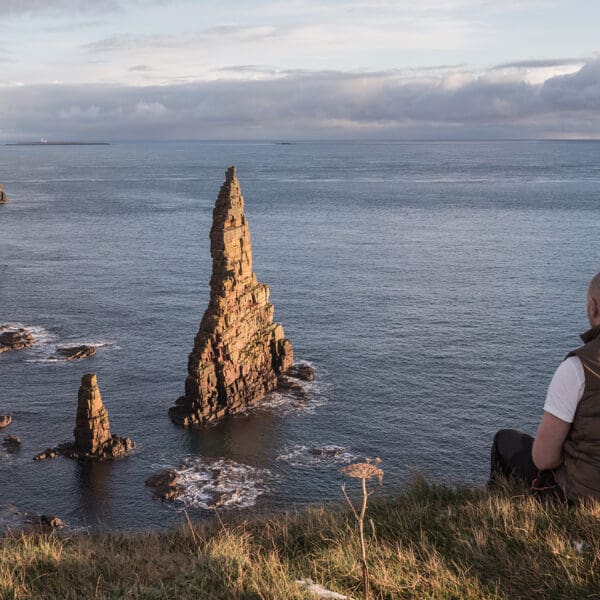
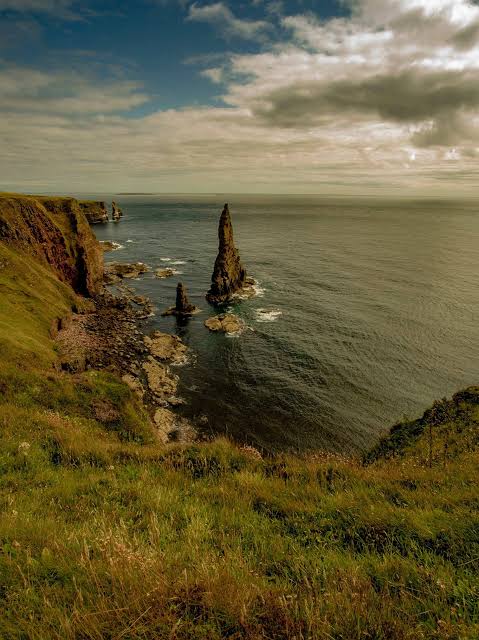
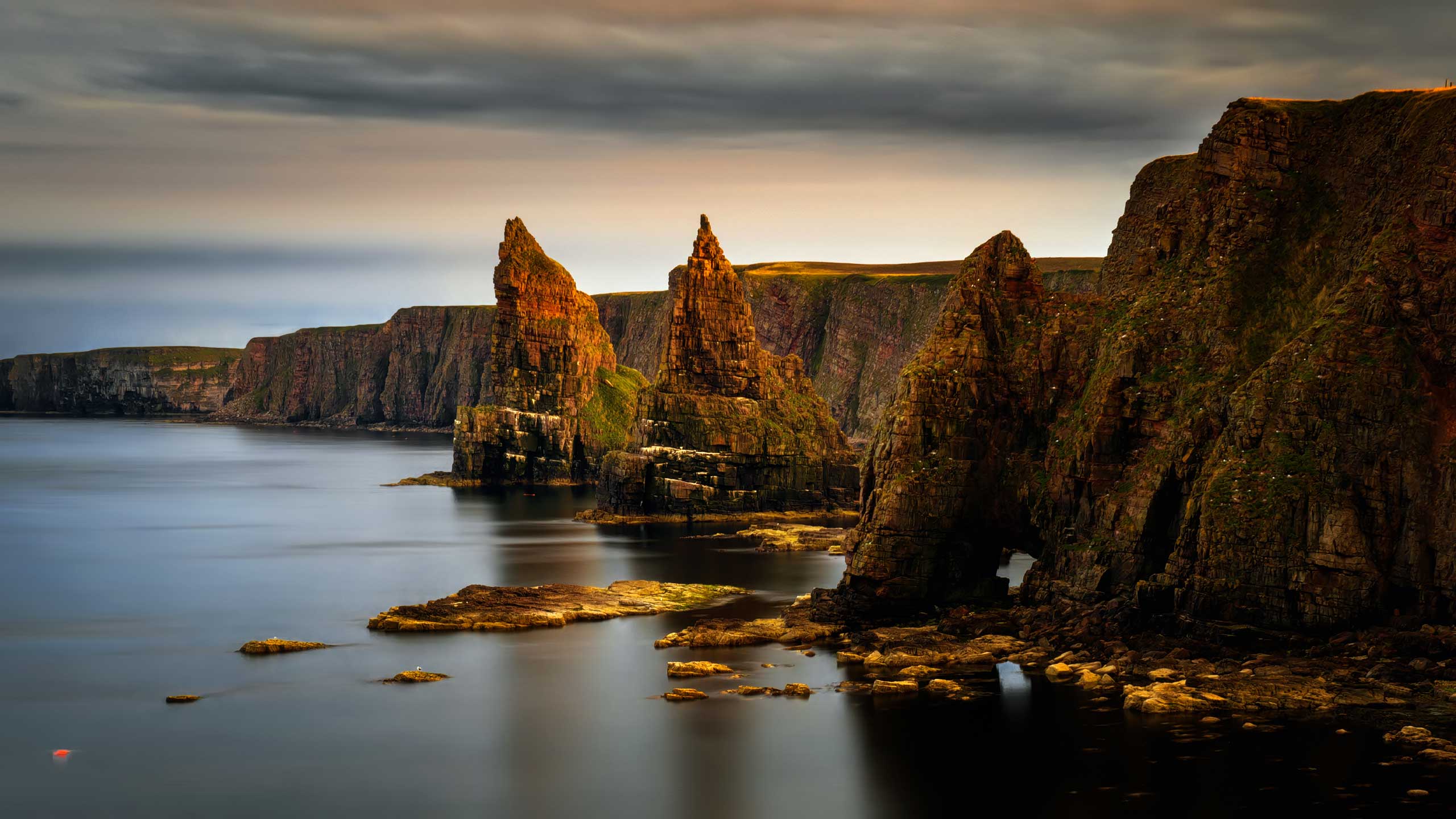
The lighthouse is only the beginning. Walk south and the coast opens into a deep, noisy seabird cleft, a natural arch and isolated rock pinnacles. It is a remarkably concentrated stretch of coastal drama, with the exposed Pentland Firth setting giving it real edge.
Dramatic · Big-sky · Wild
Find your way
Open mapNear John o’ Groats, Caithness, Highlands, Scotland
Opening map…
The experience
Start with the lighthouse exterior and views across the Pentland Firth, then walk south on the established clifftop path. Pause well back from the Geo of Sclaites, look for Thirle Door and continue to views of the Stacks of Duncansby before retracing your steps.
Things to do
Walk from the lighthouse to the stacks
Follow the well-trodden clifftop path south to the offshore rock pinnacles. The stacks lie a little less than a mile from the lighthouse; return the same way and stay well clear of cliff edges.
Allow 1–2 hours for the overall visit
Listen to the seabirds at the Geo of Sclaites
This narrow cleft interrupts the cliffs on the walk south. Listen to the gull colony from a safe distance rather than approaching the drop for a better view.
Read the coast through its lighthouse
View David Alan Stevenson’s 1924 lighthouse from outside and look north across the Pentland Firth towards Orkney. Its modest square tower marks waters notorious for powerful tidal races.
Make a day of it
Quick escape · 1–2 hours
Quick escape — lighthouse to stacks
- 01
Start at the lighthouse car park and view the white, square lighthouse from outside; there is no public entry to the building.
- 02
Follow the established path south, keeping well back from open cliff edges.
- 03
Pause at safe viewpoints for the Geo of Sclaites, Thirle Door and the sea stacks, a little less than a mile south of the lighthouse.
- 04
Return along the same path, allowing time to watch seabirds without approaching nesting ledges.
Half day · Half day; allow extra time for photography and stops
Half day — approach along the coast from John o’ Groats
- 01
Begin at John o’ Groats harbour, taking in the setting of the famous end-to-end journey.
- 02
Follow the coastal approach towards Duncansby Head, passing low-level beaches before reaching the headland.
- 03
Continue beyond the lighthouse to the Geo of Sclaites, Thirle Door and stack viewpoints.
- 04
Retrace the coastal approach to John o’ Groats. Check a current route map and conditions before setting out; the supplied sources do not establish a reliable total return distance.
Verified history
David Alan Stevenson built Duncansby Head Lighthouse in 1924, replacing a First World War foghorn. Its purpose was practical: the meeting waters of the North Atlantic and North Sea create dangerous tidal races in the Pentland Firth. Britain Express records that German aircraft attacked the lighthouse during the Second World War without causing damage or injury. It became fully automated in 1997. The white square tower remains the visible link to that maritime story, although its interior is not open to visitors.
Folklore & legend
On the coastal approach from John o’ Groats, local tradition associates small shells known as Groatie Buckies with good luck. This is folklore, not a historical claim about the headland.
Hidden details
The lighthouse sits in a dip — Unlike a tower dominating a skyline, Duncansby’s lighthouse is tucked into a dip and is not immediately visible until you approach.
Find Thirle Door before the stacks — South of the Geo of Sclaites, look for the natural sea arch called Thirle Door. View it from the established clifftop approach; the supplied evidence does not establish any safe shore or cave access.
When to go
· Early morning for a better chance of parking before the busiest period; sunset is a photography suggestion from the source row.
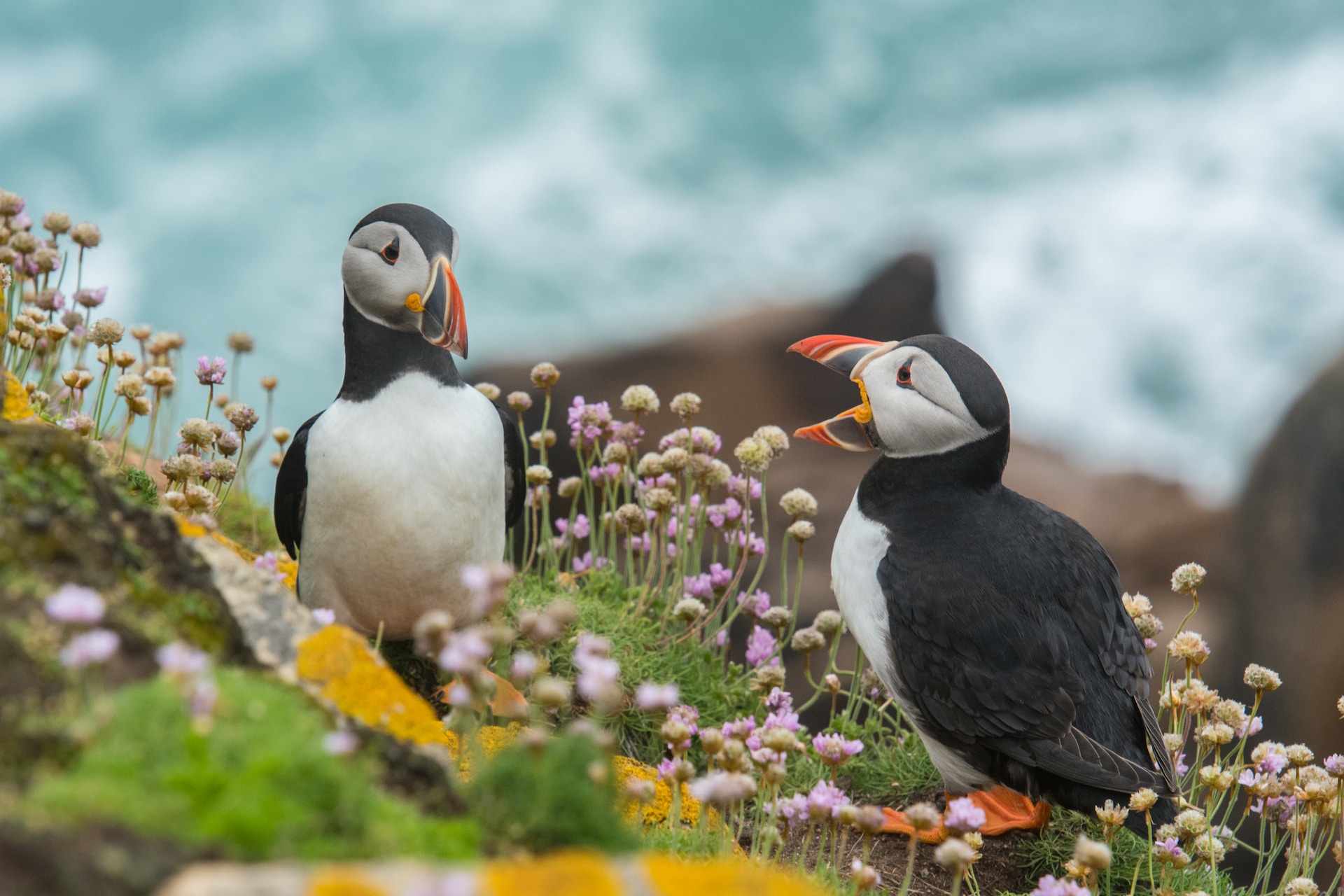
The source row recommends early summer for puffins. Exact peak months are not established by the supplied evidence, and wildlife sightings remain uncertain.
Strong winds and open cliff edges are the main concerns. Grassy sections can be damp; wear sturdy walking footwear and a windproof layer. Stay on the main path, keep dogs on a lead and abandon the exposed walk if conditions feel unsafe.
Worth pairing with
John o’ Groats harbour and coastal approach
A meaningful companion rather than a separate detour: see the end-of-road sign and harbour, then use the coastal path for a longer approach to Duncansby Head. Shops and cafés are reported in the source row; check individual opening times.
What to look for
- 01
The lighthouse’s unexpectedly low position in a dip
- 02
the narrow Geo of Sclaites and its calling seabirds
- 03
Thirle Door sea arch before the stacks.
The story
Maritime
Best time to go
Early summer for the chance of puffins; clear, calmer days for the coastal views.
Early summer offers a chance of puffins, though sightings are not guaranteed. Arrive early to reduce parking pressure. The source row suggests sunset for photography, but calmer conditions and enough daylight for the return walk matter more.
How long to spend
1–2 hours
Perfect for
Walkers · Photographers · Wildlife lovers
Practical information
Opening & access
Reach the lighthouse car park by road from John o’ Groats, then follow the clifftop path south towards the stacks. The lighthouse building is not open to the public.
Parking
Parking by the lighthouse; visitor reports describe limited capacity and recommend arriving early. Check current arrangements before visiting.
Check before visiting
Toilets
No toilets on site according to the source row. Check facilities in John o’ Groats before visiting.
Check before visiting
Food & drink
The source row reports shops and cafés in John o’ Groats, rather than facilities at the headland. Check opening times before visiting.
Check before visiting
Dogs
The source row describes the site as dog-friendly and advises keeping dogs on a lead because of strong winds and open cliff edges. Check current signage.
Check before visiting
Accessibility
The walk towards the stacks crosses grassy ground that can be damp. The source row marks it as not wheelchair accessible; step-free viewing and parking arrangements need checking.
Check before visiting
Cost
Free
Water
Sea
Gallery
Place photographs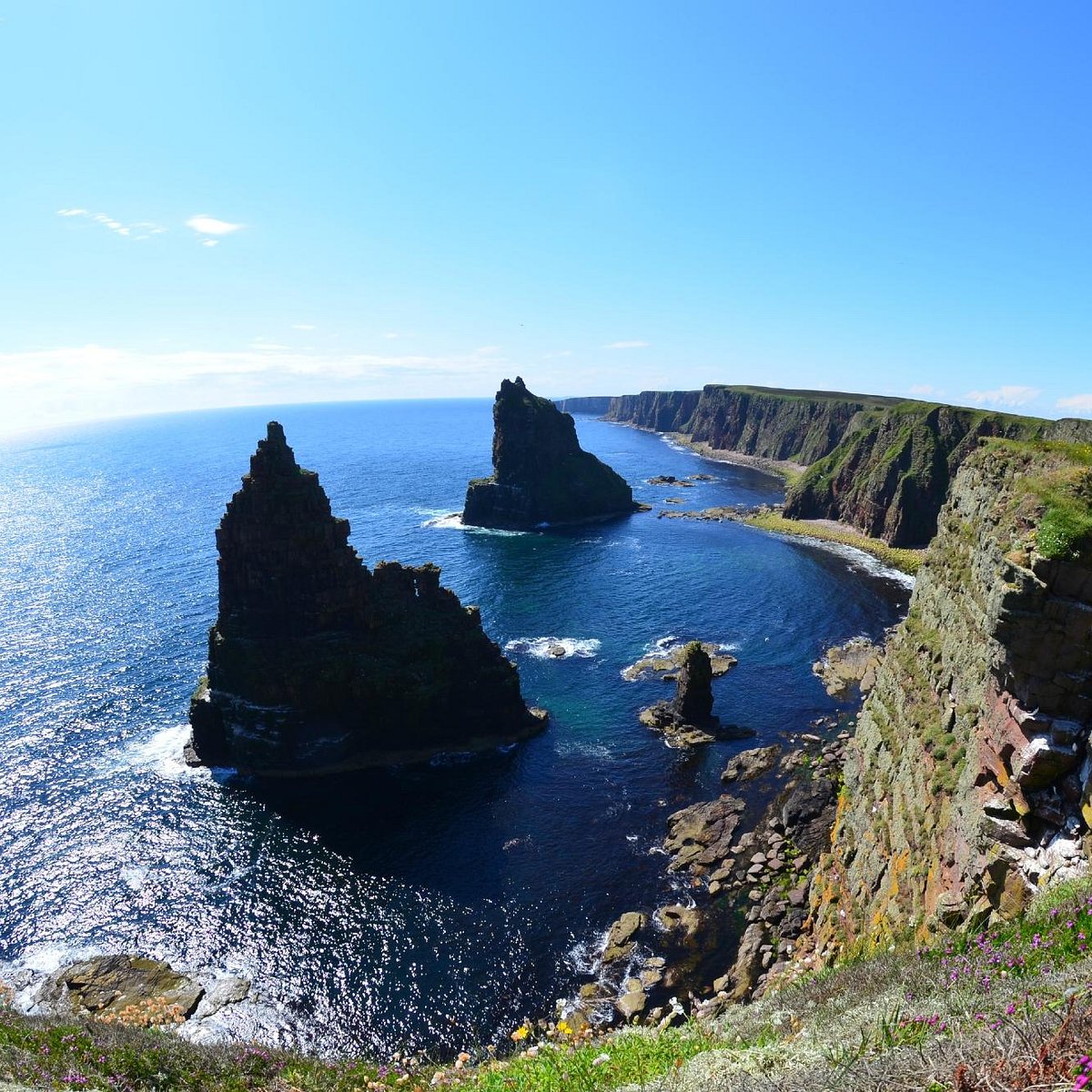
Keep exploring
Around Duncansby Head
Within 50 km · approximate straight-line distances

 Place photograph7.6
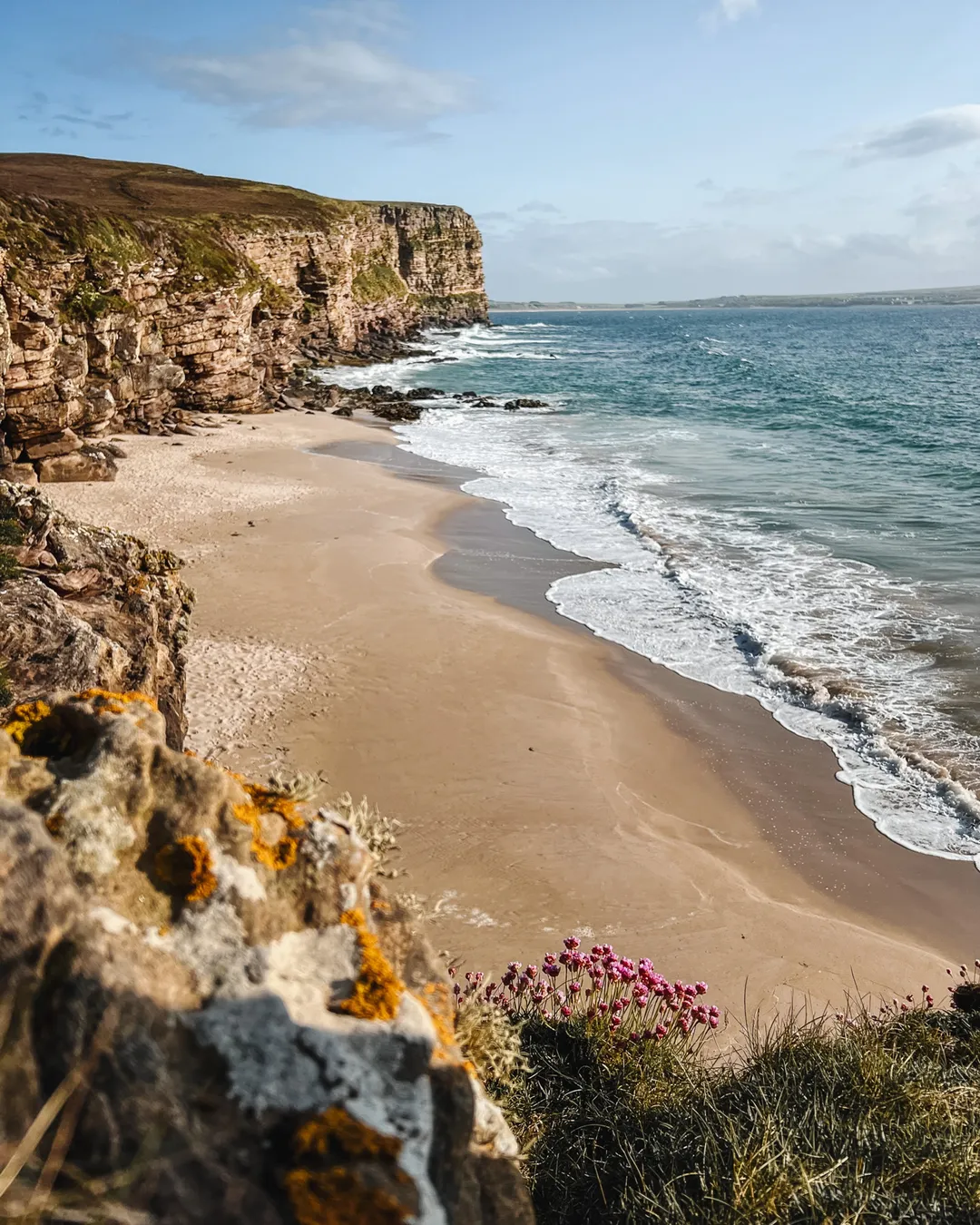
Peedie Sands
Near Dwarwick Pier and Dunnet Head, Caithness, Highlands, Scotland
19.0 km away
 Place photograph8.2
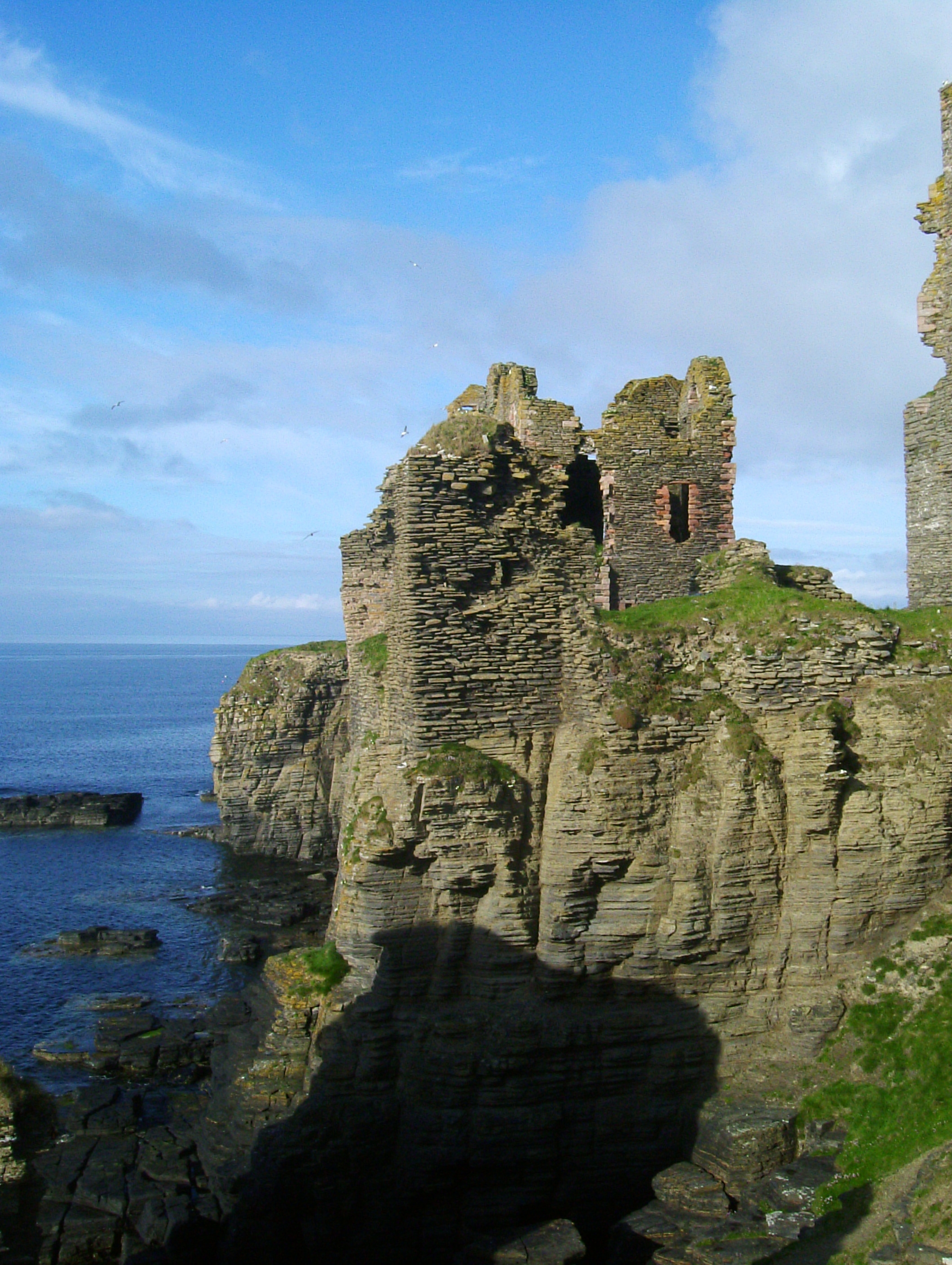
Castle Sinclair Girnigoe
Near Noss Head, north of Wick, Caithness, Highlands, Scotland
19.2 km away
 Place photograph8.1
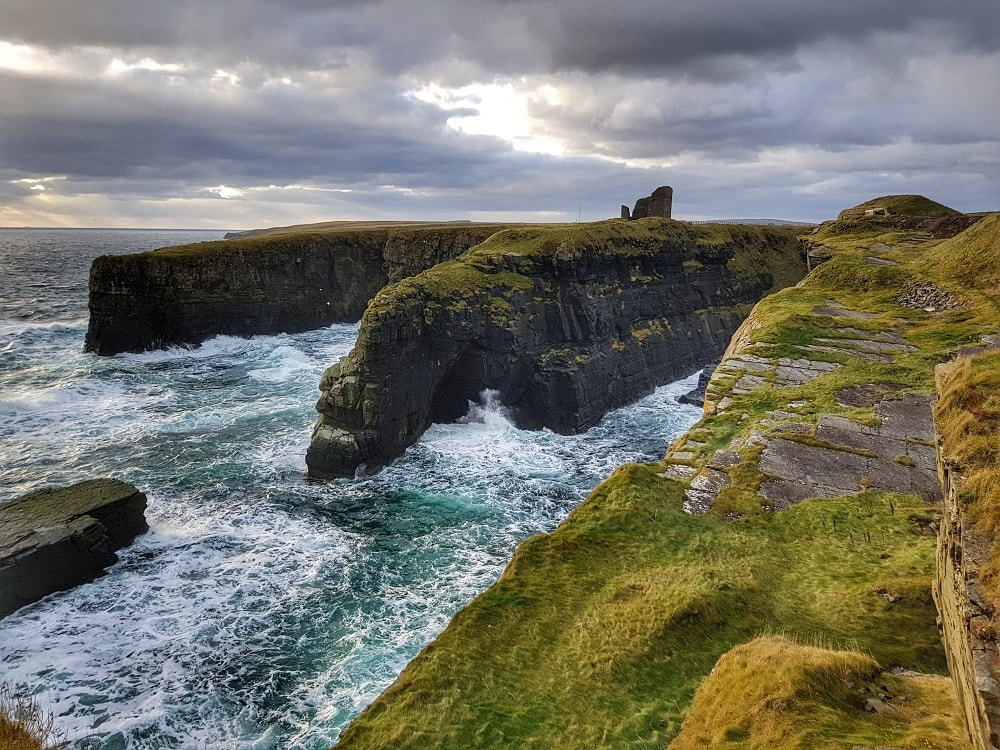
Castle of Old Wick Sea Cliffs
Near Wick, Caithness, Highlands, Scotland
23.9 km away