Clachtoll, Assynt, Sutherland, Scottish Highlands
Clachtoll Beach
Beach
Place photograph
8.2
Wildland
Half day
Time
Check
Cost
Dramatic
Feel
Why it's Wildland
8.2White sand, fractured rock and an Iron Age neighbour on the Assynt coast.
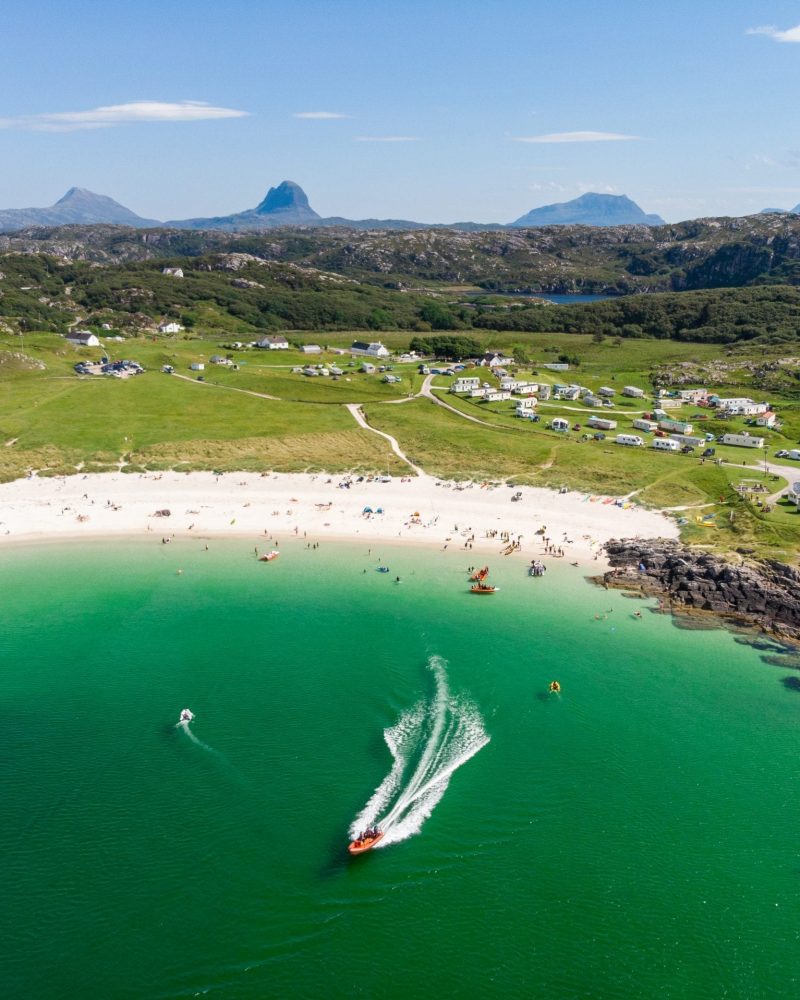
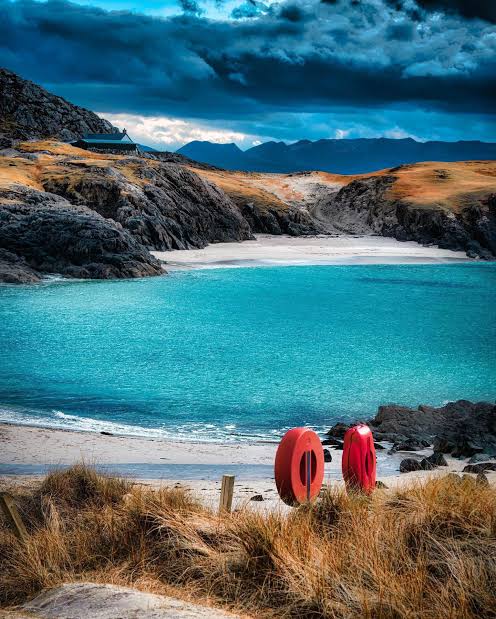
Clachtoll has more substance than its turquoise-water photographs suggest. Rock-framed sand, pools exposed by the tide and a nearby Iron Age broch give a short beach visit the makings of a rewarding coastal half day. Come outside the busiest months for the quieter version.
Dramatic · Big-sky
Find your way
Open mapClachtoll, Assynt, Sutherland, Scottish Highlands
Opening map…
The experience
Start with a walk across the pale sand and take in the contrast between clear water and broken rock. Around low tide, look into accessible rock pools without venturing onto wave-washed ledges. With more time, add the nearby broch and a picnic rather than rushing on to another beach.
Things to do
Walk the rock-framed sands
Explore the main beach on foot, looking at the contrast between pale sand, blue-green water and the rocky inset dividing the shoreline. This is a beach wander, not a waymarked route.
30–60 minutes suggested
Look into the low-tide pools
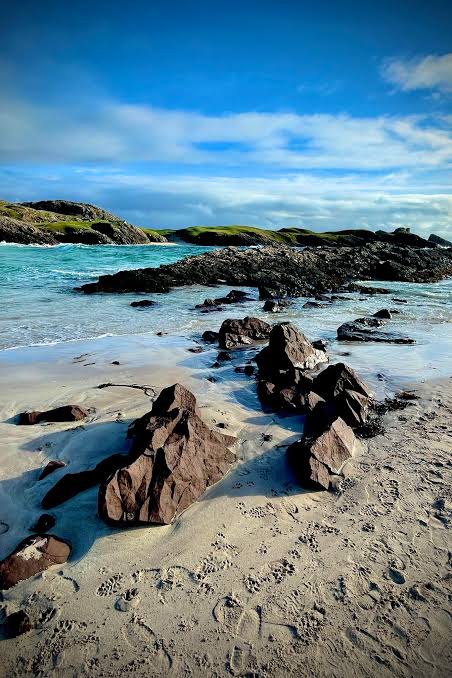
Visitor reports mention rock pools, and the destination guide describes more of the rocky shore becoming exposed at low tide. Keep to accessible pools and avoid slippery or wave-washed rock.
20–30 minutes suggested
Add Clachtoll Broch
Make the nearby Iron Age remains the historical focus of a longer visit. Visitors report combining the beach and broch on a coastal walk; check the local route and ground conditions before setting off.
Make a day of it
Quick escape · 1–2 hours suggested
Quick escape — sand, stone and rock pools
- 01
Start at the reported beach car park and follow the approach onto the sand.
- 02
Walk the bay, pausing to see how the rocky shoreline frames the blue-green water.
- 03
If tide and sea conditions allow, inspect accessible rock pools from safe ground.
- 04
Return by the beach approach, leaving time for the single-track drive.
Half day · 3–4 hours suggested
Half day — beach and broch
- 01
Give the beach an unhurried first hour, with rock pools as an option around low tide.
- 02
Check local directions and conditions for the coastal walk to Clachtoll Broch.
- 03
Explore the broch's visible circular stone remains and read the interpretation reported in the source row.
- 04
Return for a picnic or, if open, refreshments at nearby Flossies beach café.
Verified history
The nearby Clachtoll Broch gives this stretch of coast a visible Iron Age connection: circular stone remains stand beside the sea, and visitors combine them with walks from the beach. Supplied secondary accounts describe a destructive fire and domestic material preserved beneath collapsed masonry. Those excavation details lack a primary archaeological source in this evidence set, so precise dates and finds are not asserted here.
Hidden details
A beach with two sandy sections — Look for the jagged rocky inset dividing the sand into two bays: a small piece of shoreline structure that is easily missed in a wide beach photograph.
When to go
April · May · September · October · Daylight around low tide for rock pools; use local tide predictions rather than a fixed clock time.
These months are an editorial interpretation of the source row's spring-and-autumn recommendation. A visitor independently reports relatively quiet conditions in late April.
Check wind, sea conditions and tides before exploring the shore. Coastal turf can become boggy after rain. The source row warns of sharp underwater rocks, and a visitor reports jellyfish. Clear water is not evidence of safe swimming conditions.
Worth pairing with
Clachtoll Broch
The strongest sourced extension: nearby Iron Age stone remains add a tangible human story to the beach visit. Check local directions for the coastal approach.
Flossies beach café
A visitor-recommended nearby refreshment stop, useful for rounding off the beach rather than adding another drive. Current opening and service need checking.
What to look for
- 01
The rocky division between the sandy bays
- 02
pools revealed by the falling tide
- 03
the circular stone remains of nearby Clachtoll Broch.
The story
Archaeology
Best time to go
Spring and autumn for fewer visitors and changing coastal light.
Spring or autumn is the source row's recommendation for light and fewer people; a late-April visitor also reports a relatively quiet beach. Choose a daylight low tide for rock-pool exploration, checking the forecast and tide times first.
How long to spend
Half day
Perfect for
Photographers · Walkers · History lovers
Practical information
Opening & access
Visitor access is evidenced by beach and coastal-walk reports. The source row describes an approach off the B869, with a signed car park at the beach entrance. Single-track roads require care and considerate use of passing places.
Parking
Parking near the beach entrance is reported in the source row and supplied visitor sources. Current charges and restrictions: Check before visiting.
Check before visiting
Toilets
Public toilets at the car park are reported in visitor reviews and the walking source. Opening and availability: Check before visiting.
Check before visiting
Food & drink
A visitor review names nearby Flossies beach café; the source row reports occasional summer refreshments. Check before visiting and bring food if relying on a picnic.
Check before visiting
Dogs
The source row and a visitor review describe the beach as dog friendly. Current restrictions: Check before visiting. A review reports washed-up jellyfish.
Check before visiting
Accessibility
A visitor reports a gently descending approach suitable for some people with reduced mobility, but the source row marks the beach as not wheelchair accessible. Sand and rocky shoreline are distinct from the approach path; step-free suitability: Check before visiting.
Check before visiting
Cost
Check before visiting
Check before visiting
Water
Sea
Gallery
Place photographs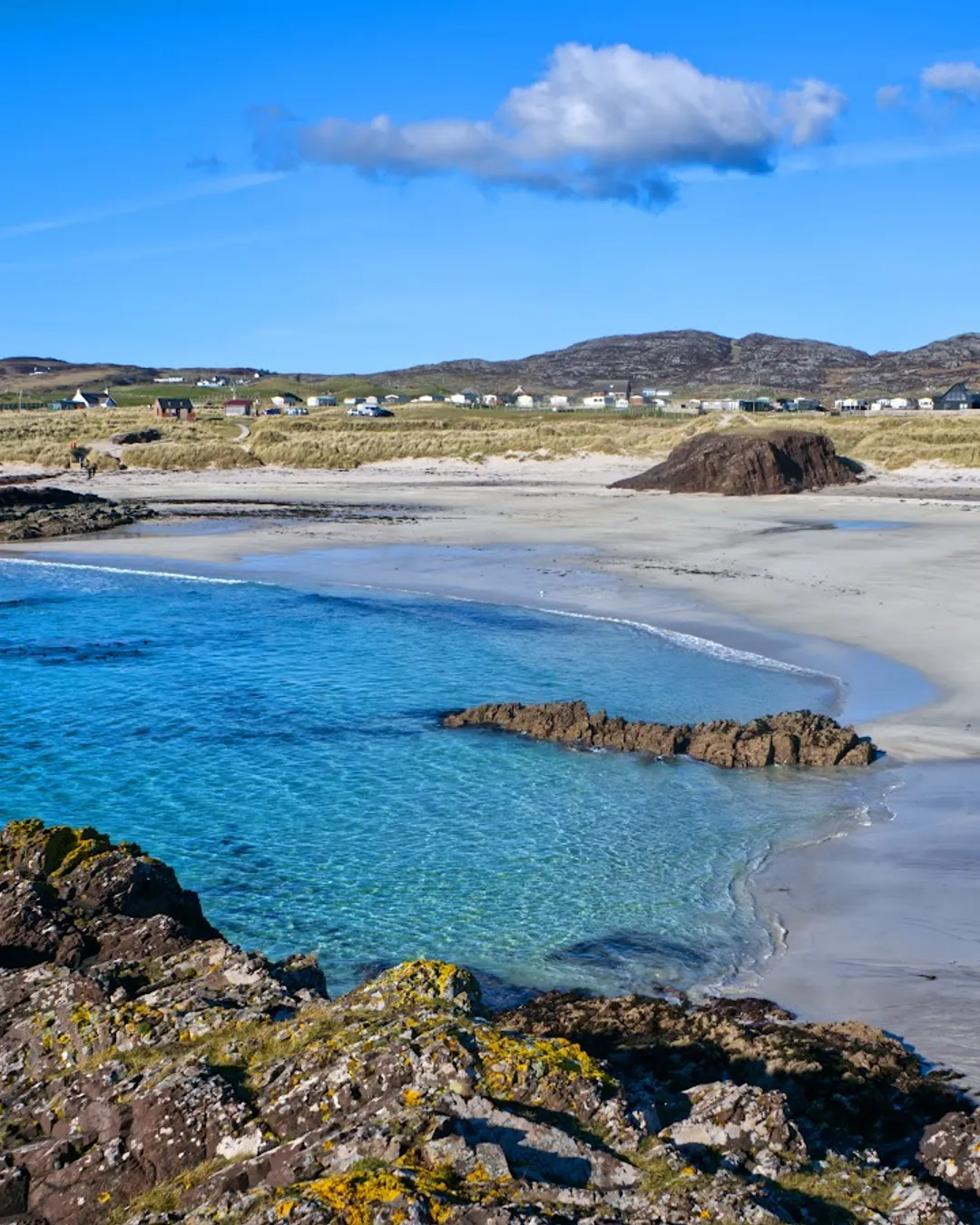
Keep exploring
Around Clachtoll Beach
Within 50 km · approximate straight-line distances
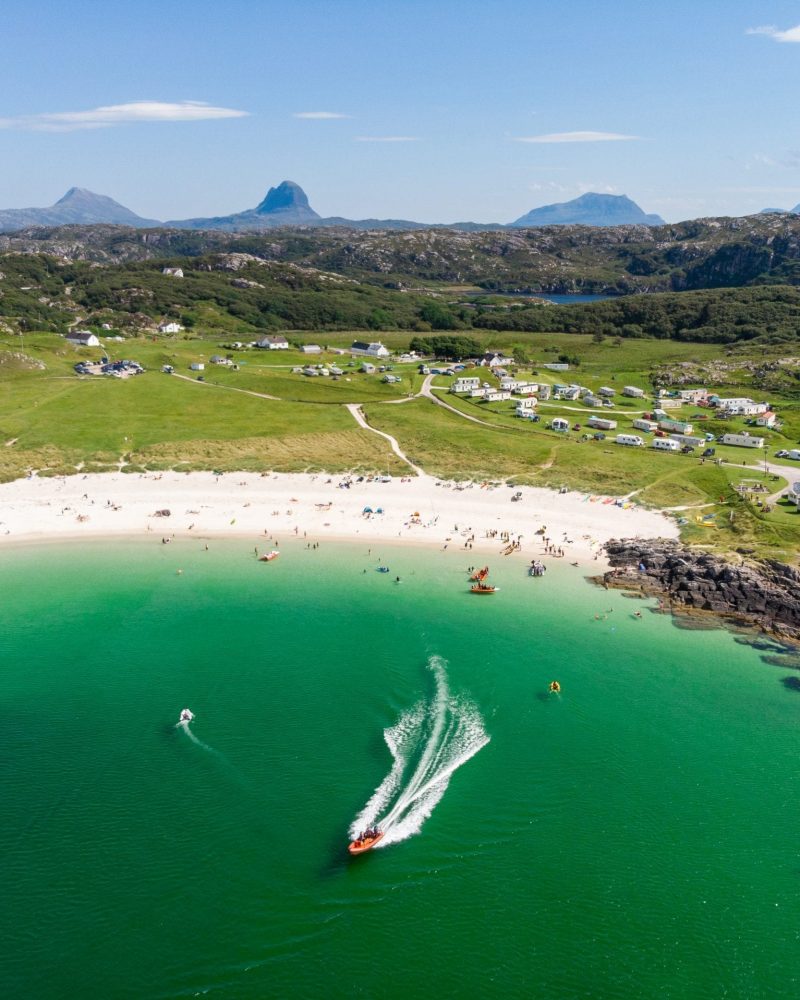
 Place photograph7.1
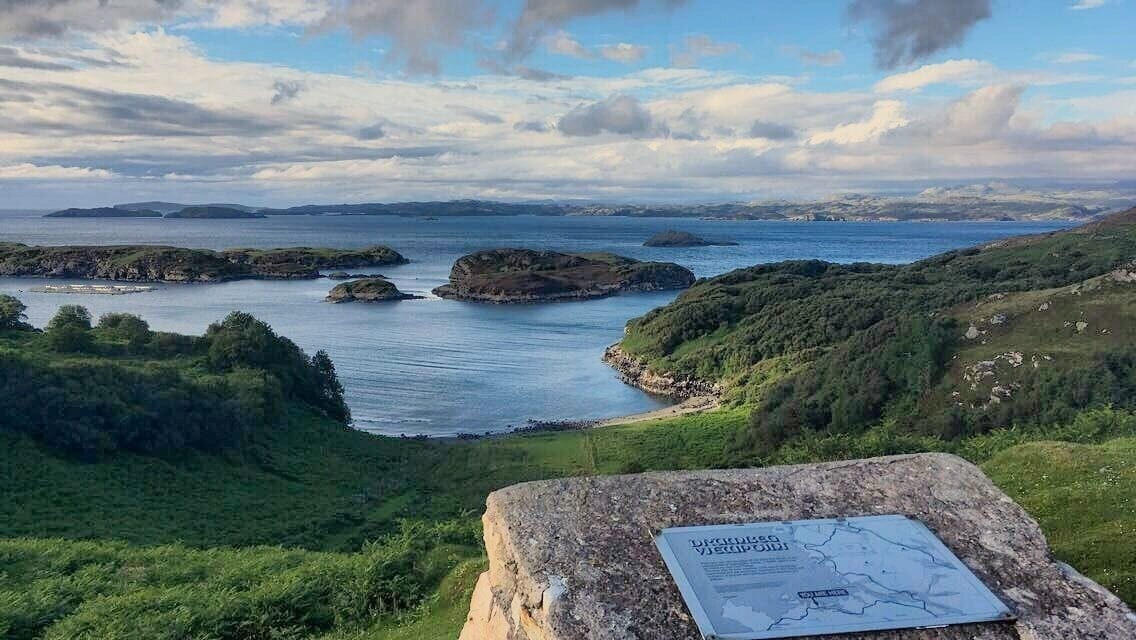
Drumbeg Viewpoint
West end of Drumbeg village, B869, Assynt, Sutherland, Scotland
12.9 km away
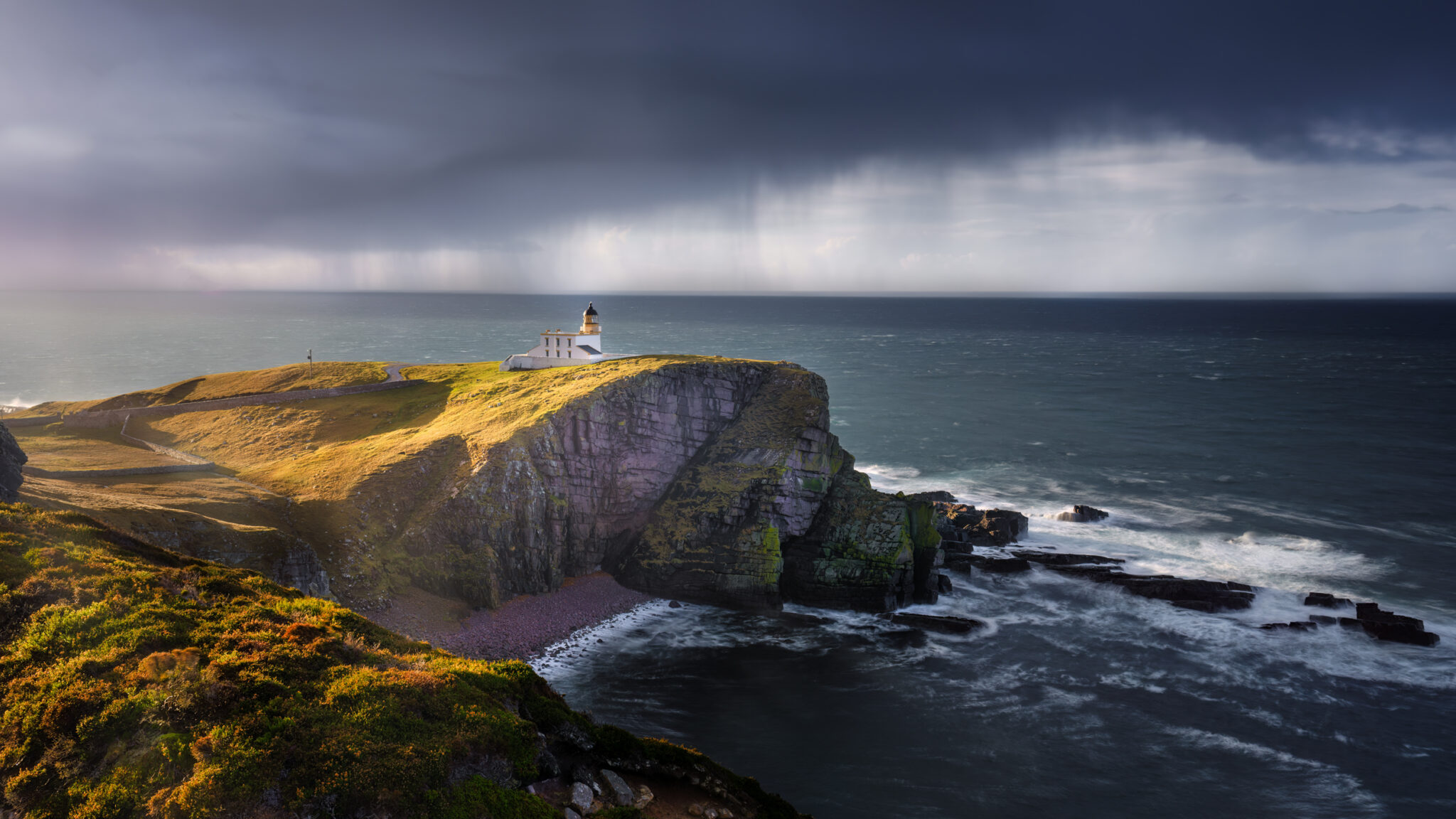
 Place photograph8.0
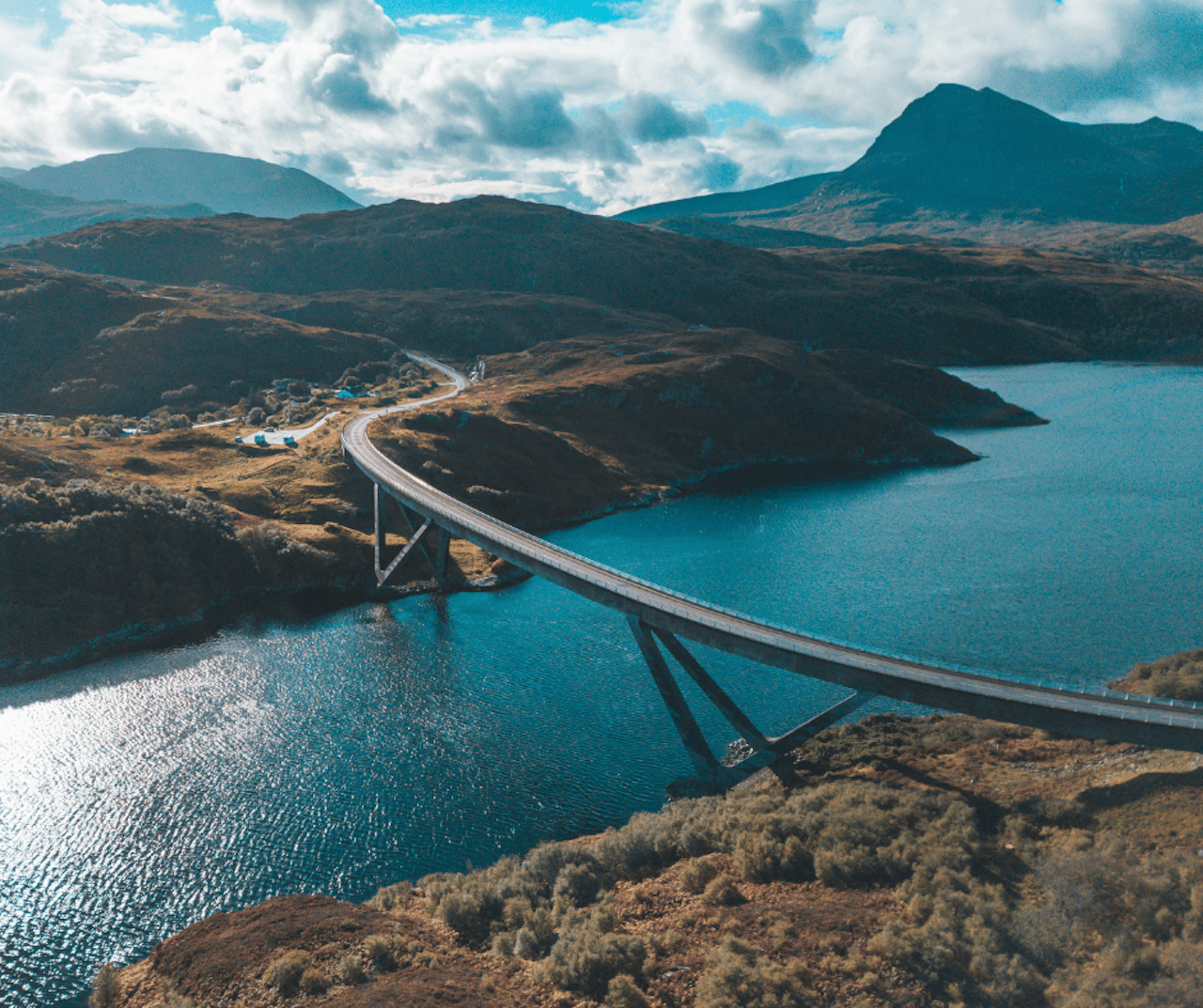
Kylesku Bridge
A894 at Kylesku, Sutherland, north-west Highlands, Scotland
17.6 km away