World’s End Lane, Weston Turville, Buckinghamshire HP22 5PS
Weston Turville Reservoir
Reservoir
Place photograph
7.2
Wildland
1–2 hours
Time
Free
Cost
Peaceful
Feel
Why it's Wildland
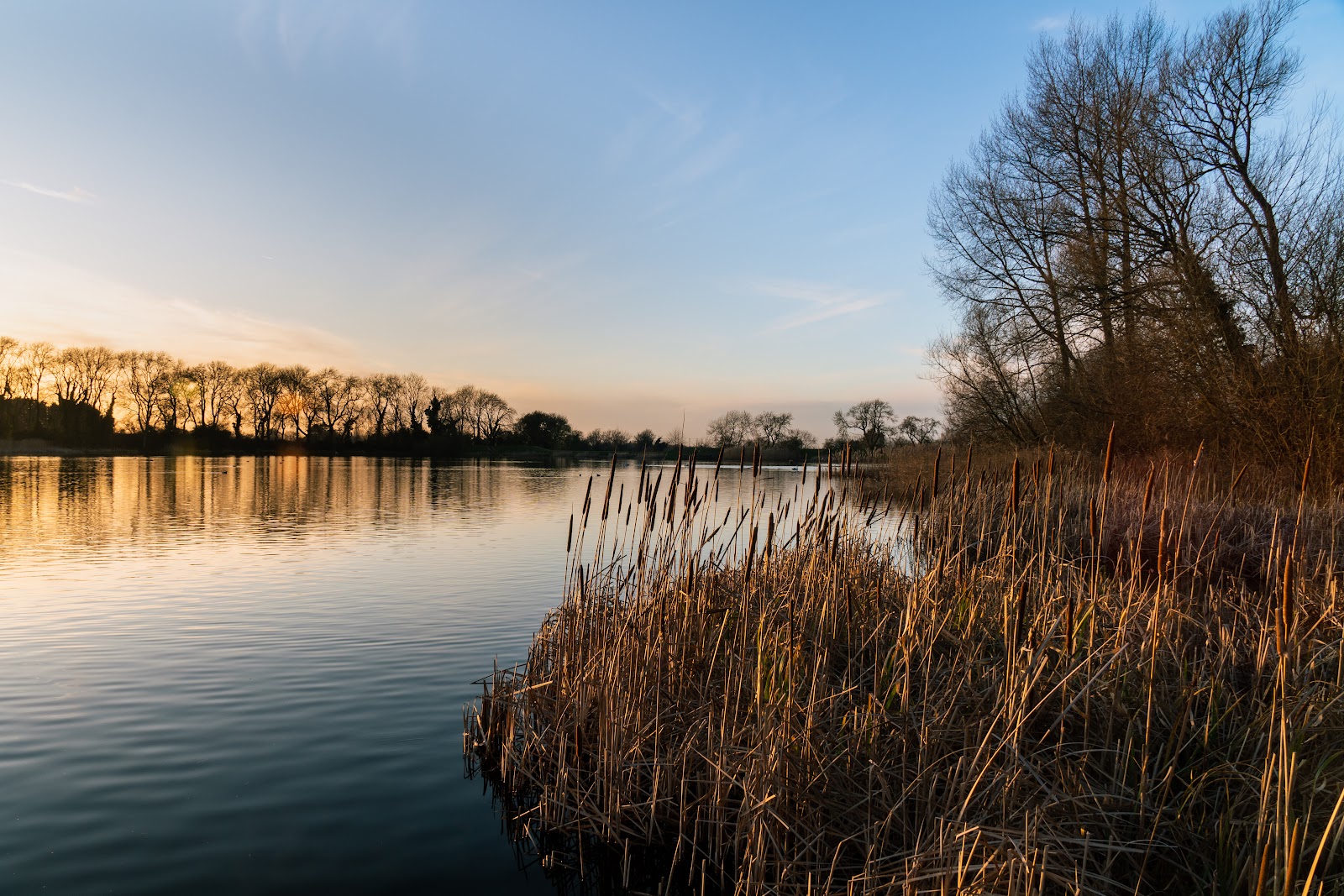
7.2Built in 1797 to supply the Wendover Arm of the Grand Union Canal, Weston Turville Reservoir is now edged by marshy fen, extensive reedbeds, scrub and woodland. Its wetland habitat attracts wintering wildfowl and birds such as reed warblers and water rails.
The appeal is the contrast between open reservoir water and a surprisingly varied fringe of fen, reedbed and woodland. It has a clear canal-era story and rewarding seasonal wildlife, including early marsh-orchids and occasional bittern sightings; come for quiet observation rather than a guaranteed close-up of rare birds.
Peaceful · Secluded · Wild
Find your way
Open mapWorld’s End Lane, Weston Turville, Buckinghamshire HP22 5PS
Opening map…
Know this place a little better?
The experience
A gentle wetland visit built around looking and listening. Explore the reserve paths, scan the reedbeds and woodland margins for birds, and notice how the former canal-supply reservoir has become a mosaic of wetland habitats. The bird hide has been removed, so bring binoculars and do not expect hide access.
Things to do
Watch the reedbeds
Scan the reed margins for reed warblers and listen for the water rail, whose distinctive call BBOWT says can be heard throughout the year. The bird hide has been removed, so observe from accessible paths and viewpoints instead.
Look for seasonal wetland flowers
In spring, look for early marsh-orchids. Later in summer, BBOWT lists lesser reedmace, purple-loosestrife, gipsywort, water mint and yellow iris among the reserve’s plants.
Watch for winter wildfowl
Look across the water and reed-fringed margins for wildfowl. BBOWT names teal, shoveler and tufted duck, and notes that bittern are seen occasionally rather than reliably.
Walk the reserve paths
Explore the reserve’s mix of open water, fen, extensive reedbeds and woodland. Path surfaces and access vary, with roots, soft patches, steps, kissing gates and a steep ramp.
Make a day of it
Quick escape · About 1–2 hours; allow longer if you want to watch birds.
A short wetland wildlife visit
- 01
Use the lay-by parking on World's End Lane described by the reserve or Canal & River Trust; check current parking arrangements before travelling.
- 02
Follow the reserve paths and pause at suitable viewpoints to scan the reedbeds, water and woodland edge.
- 03
Listen for water rails and look for wildfowl; do not expect to use the former bird hide, which has been removed.
Half day · Half day; suggested visit structure, not a published route duration.
Make time for the wetland seasons
- 01
Visit in the season that suits your interests: winter for wildfowl, or spring and summer for wetland flowers and breeding birds.
- 02
Explore the reserve paths at an unhurried pace, watching the transitions between open water, marshy fen, reedbeds and woodland.
- 03
Take a packed lunch for the picnic area noted in the source row; there are no toilets at the reserve, so plan facilities ahead.
Verified history
Weston Turville Reservoir was constructed in 1797 to supply water to the Wendover Arm of the Grand Union Canal. BBOWT manages the surrounding marshy fen, reedbeds, scrub and woodland; the open water is leased to local sailing and angling clubs. The former bird hide has been dismantled because it was unsafe.
Hidden details
The bird hide is no longer there — BBOWT says the reservoir’s bird hide was dismantled and removed after becoming unsafe. Plan to watch from paths and viewpoints instead, and check the reserve page for any update about replacement plans.
Listen for the water rail — This elusive wetland bird may be heard rather than seen: BBOWT describes its call as a distinctive piglet-like squeal and says it can be heard regularly throughout the year.
When to go
January · February · March · April · May · June · July · August · September · No best time of day is specified by the supplied authoritative reserve source. Consider a quieter visit for wildlife watching and check conditions before travelling.
BBOWT recommends January to September. Winter brings wildfowl such as teal, shoveler and tufted duck; spring brings early marsh-orchids; summer brings further wetland flowers and breeding reed warblers. Starlings and swallows roost in numbers in autumn.
Paths include soft patches and roots, and can vary in surface and accessibility. Check conditions and current reserve information before visiting; no specific weather guidance is provided by the supplied sources.
Worth pairing with
World’s End Garden Centre
Canal & River Trust lists the garden centre as a nearby place of interest and says the nearest toilets are at the garden centre or local pubs. Check current facilities and opening details before relying on them.
Local pubs
Canal & River Trust identifies local pubs as an option for the nearest toilets. No specific pub is named in the supplied source, so check what is currently open before planning a stop.
What to look for
Scan the reed stems for reed warblers and listen for the water rail’s squealing call. Look for early marsh-orchids in spring, then summer wetland plants including purple-loosestrife and yellow iris. Bittern are seen only occasionally. The bird hide has been dismantled and removed as unsafe.
The story
Canal water supply; constructed in 1797 to supply the Wendover Arm of the Grand Union Canal.
Best time to go
January to September according to BBOWT; winter is notable for wildfowl, while spring and summer bring wetland flowers and breeding birds.
BBOWT lists January to September as the best visiting period. Winter offers a chance to see wildfowl such as teal, shoveler and tufted duck; spring and summer bring flowering wetland plants and breeding birds. Early morning is a practical choice for quiet wildlife watching, but this is not specified by the supplied sources.
How long to spend
1–2 hours
Perfect for
Wildlife lovers · Birdwatchers · Photographers · Walkers · Families
Practical information
Opening & access
BBOWT says the reserve is open at all times, with no entry fee. Paths are flat but variable: around 60% surfaced, with soft patches, roots, a steep ramp, kissing gates and steps. The former bird hide has been removed because it was unsafe.
Parking
BBOWT directs visitors to a lay-by on World's End Lane, about 500m after turning from the A413/B4009 roundabout. Canal & River Trust describes free parking in a long lay-by beside the reservoir. Space may be limited; check current arrangements before travelling.
Check before visiting
Toilets
No toilets at the reservoir; Canal & River Trust says the nearest are at local pubs and the garden centre.
Food & drink
No café at the reserve. Canal & River Trust identifies a nearby garden centre and local pubs as options; check current opening details before setting out.
Check before visiting
Dogs
Dogs on a lead, according to BBOWT.
Accessibility
BBOWT describes the reserve as flat overall, with variable access: about 60% surfaced paths, soft patches, roots, one steep ramp, kissing gates and steps. Some sections may be challenging for wheelchair users.
Cost
Free
Water
Reservoir; swimming permission is not evidenced. Open water is leased to local sailing and angling clubs.
Gallery
Place photographs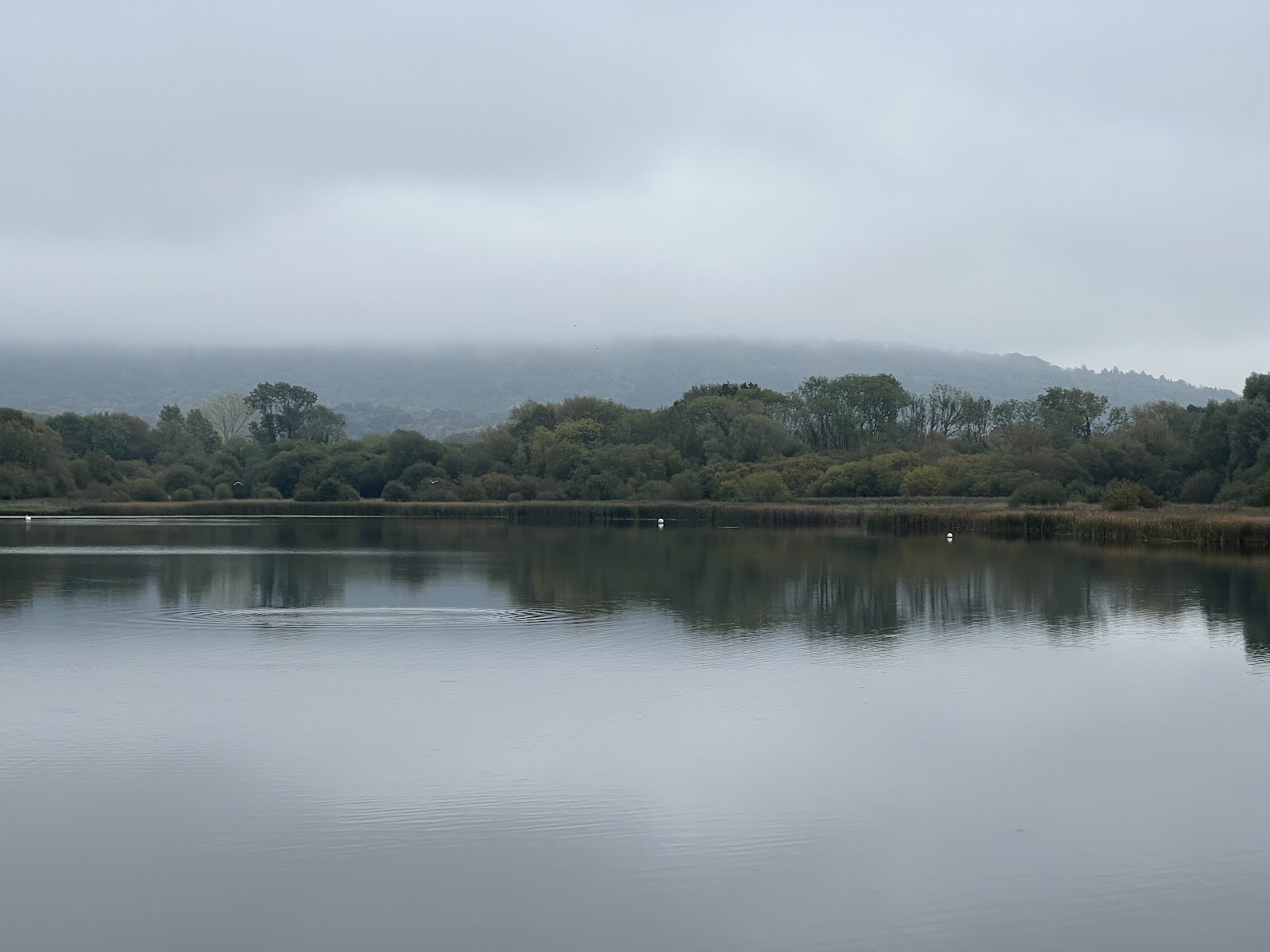
Keep exploring
Around Weston Turville Reservoir
Within 50 km · approximate straight-line distances