28 Marsden Road, East Dulwich, London SE15 4EE
Centre for Wildlife Gardening – London Wildlife Trust
Garden
Source image
4.7
Wildland
Under 1 hour
Time
Check
Cost
Peaceful
Feel
Why it's Wildland
4.7A former Southwark Council vehicle depot, derelict and rubble-covered, became a community tree nursery after London Wildlife Trust secured a lease in 1989. Today the small urban site brings together ponds, meadow, a chalk bank and other wildlife-friendly habitats.
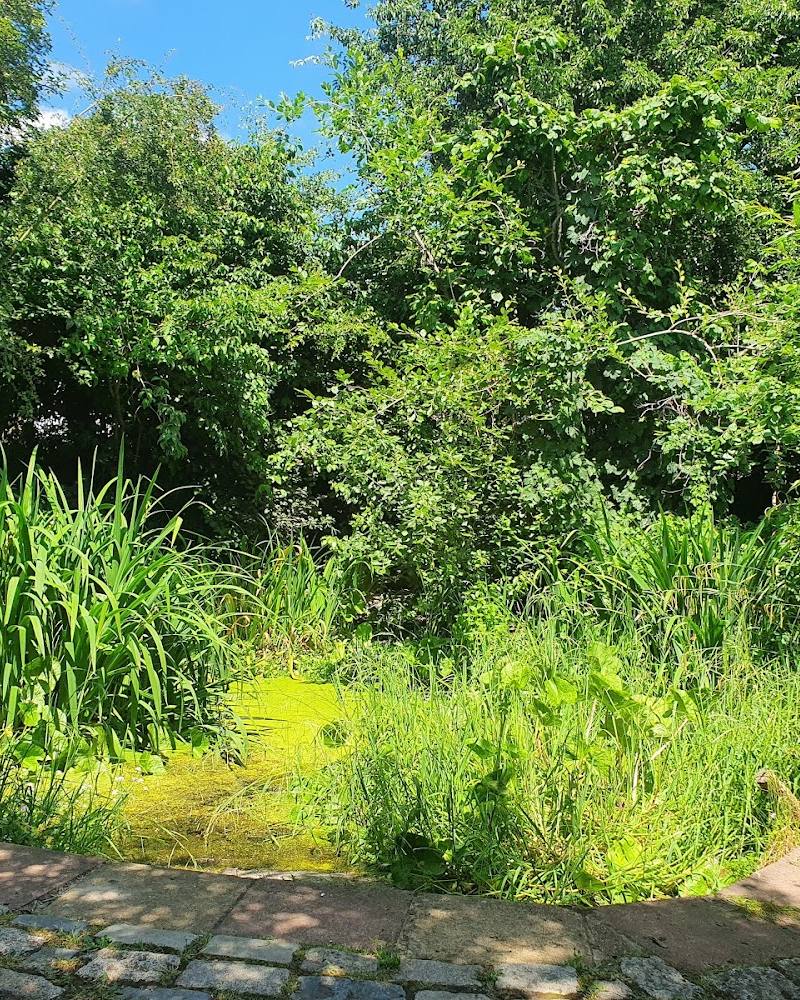
This is not a stretch of countryside, but a purpose-made urban wildlife haven with a surprising range of small habitats in a residential East Dulwich street. Its appeal is close-up discovery: four ponds, a wildflower meadow, woodland copse and places designed to shelter insects and other wildlife.
Peaceful · Family-buzz
Find your way
Open map28 Marsden Road, East Dulwich, London SE15 4EE
Opening map…
Know this place a little better?
The experience
A compact, planned visit rather than a long walk: explore the garden’s different habitats, pause by the ponds and look closely for insect and amphibian life. Check opening and any organised activities before travelling.
Things to do
Explore the mini-habitats
Follow the garden paths between its ponds, chalk bank, wildflower meadow, woodland copse, herb garden and raised beds demonstrating permaculture.
Look closely around the ponds
Observe the wildlife ponds and their edges. London Wildlife Trust describes pond-dipping activities at organised sessions; check event availability and do not assume equipment or activities are available on an ordinary visit.
Find the insect-friendly features
Look for the stag beetle sanctuaries and insect hotels among the garden’s wildlife-supporting features.
Join a wildlife-learning session
The Trust advertises family wildlife sessions that can include pond-netting and searching under logs for minibeasts. Check its current programme; sessions are not guaranteed on every visit.
Make a day of it
Quick escape · Under 1 hour
Quick wildlife-garden visit
- 01
Visit during the listed opening hours, Sunday–Thursday, 10.30am–4.30pm; check before setting out.
- 02
Take the paved paths around the garden and visit the ponds, meadow and woodland copse.
- 03
Look closely at habitat edges and wildlife features, such as the insect hotels and stag beetle sanctuaries.
Half day · Allow a longer visit; exact duration not stated
Make a wildlife-learning visit of it
- 01
Check the Trust’s current events and access details before travelling.
- 02
Explore the garden’s different mini-habitats, including the chalk bank, herb garden and raised permaculture beds.
- 03
If a suitable session is running, join an organised activity such as pond dipping or looking for minibeasts under logs; availability varies, so check the event listing.
Verified history
The site was a Southwark Council road-vehicle depot until the 1980s. After it had stood derelict and covered in rubble, London Wildlife Trust persuaded the council to lease it in 1989 as a community tree nursery supplying stock for nature reserves. The garden developed into an educational and community resource, and a visitor centre was added in 1991.
Hidden details
A garden built on a former depot — The wildlife garden occupies land that was once a council road-vehicle depot and later lay derelict beneath rubble before its transformation into a tree nursery and community resource.
Several habitats in a small site — The Trust describes four ponds alongside a chalk bank, wildflower meadow, woodland copse, herb garden, stag beetle sanctuaries, insect hotels and permaculture demonstration beds.
When to go
March · April · May · June · July · August · September · October · Visit within the listed opening hours; no quieter time is verified.
London Wildlife Trust gives March–October as the best visiting period. The available source does not specify peak flowering or wildlife dates.
Check conditions and current access before visiting; no site-specific weather guidance is supplied.
Worth pairing with
Horniman Gardens
A nearby garden identified in the supplied garden directory, listed 2.5 km away. Check its own visitor information before planning a combined visit.
Devonshire Road Nature Reserve
A nearby nature reserve identified in the supplied garden directory, listed 2.6 km away. Check its own access and opening information before visiting.
What to look for
- 01
Compare the four ponds and their edges
- 02
look for the wildflower meadow, chalk bank, woodland copse, herb garden, stag beetle sanctuaries, insect hotels and permaculture demonstration beds. The Trust also lists common frogs, common toads and smooth newts among the site’s species.
The story
Urban nature; community tree nursery; former council depot
Best time to go
March–October, according to London Wildlife Trust.
London Wildlife Trust recommends March to October. The garden is listed as open Sunday–Thursday, 10.30am–4.30pm; check before visiting as hours can change.
How long to spend
Under 1 hour
Perfect for
Families · Young children · Wildlife lovers · Walkers
Before you go
Address
Website
Listed hours
- Monday: 10:30am-4:30pm
- Tuesday: 10:30am-4:30pm
- Wednesday: 10:30am-4:30pm
- Thursday: 10:30am-4:30pm
- Friday: Closed
- Saturday: Closed
- Sunday: 10:30am-4:30pm
Check before visiting.
Google rating
Practical information
Opening & access
London Wildlife Trust lists the garden as open Sunday–Thursday, 10.30am–4.30pm. The entrance is through large wrought-iron gates on Marsden Road. Check before visiting for current opening and access information.
Check before visiting
Parking
London Wildlife Trust reports free street parking near the entrance. East Dulwich station is a five-minute walk away; Peckham Rye station is a 15-minute walk away. Buses 40, 176, 185, 484 and P13 stop nearby. Check current travel and parking details before setting out.
Check before visiting
Toilets
Toilets and an accessible toilet are listed by London Wildlife Trust.
Food & drink
Check before visiting.
Check before visiting
Dogs
Assistance dogs only, according to London Wildlife Trust.
Accessibility
The Trust describes paved paths, a ramp to the visitor centre, a flat site with gentle slopes and occasional small steps, and seating throughout. Its page also lists an accessible toilet. Check current access details before visiting.
Check before visiting
Cost
Check before visiting
Check before visiting
Water
Four wildlife ponds; no swimming permission is stated.
Gallery
Place photographsKeep exploring
Around Centre for Wildlife Gardening – London Wildlife Trust
Within 50 km · approximate straight-line distances