Langley Bush Road, Peterborough, PE6 7EN
Castor Hanglands National Nature Reserve
Mixed-habitat reserve
Source image
6.9
Wildland
1–2 hours
Time
Check
Cost
Peaceful
Feel
Why it's Wildland
6.9A small reserve with a remarkable range of habitats: ancient woodland, species-rich grassland, scrub and ponds. Its old coppice stools, medieval field ridges and exceptionally rich pond life reward a slower walk.
Castor Hanglands packs a rare amount of ecological and historical detail into less than 90 hectares. Follow the change from ancient woodland to heath and wet ground, and you may find old cultivation ridges, veteran coppice stools and ponds supporting unusually diverse freshwater life.
Peaceful · Atmospheric · Ancient-feeling
Find your way
Open mapLangley Bush Road, Peterborough, PE6 7EN
Opening map…
Know this place a little better?
The experience
Explore a compact mosaic of ancient woodland, grassland, scrub and wetland. Look for surviving ridge-and-furrow earthworks, old coppice stools, seasonal wildflowers and the wildlife associated with its ponds. Expect muddy or uneven paths, particularly after rain.
Things to do
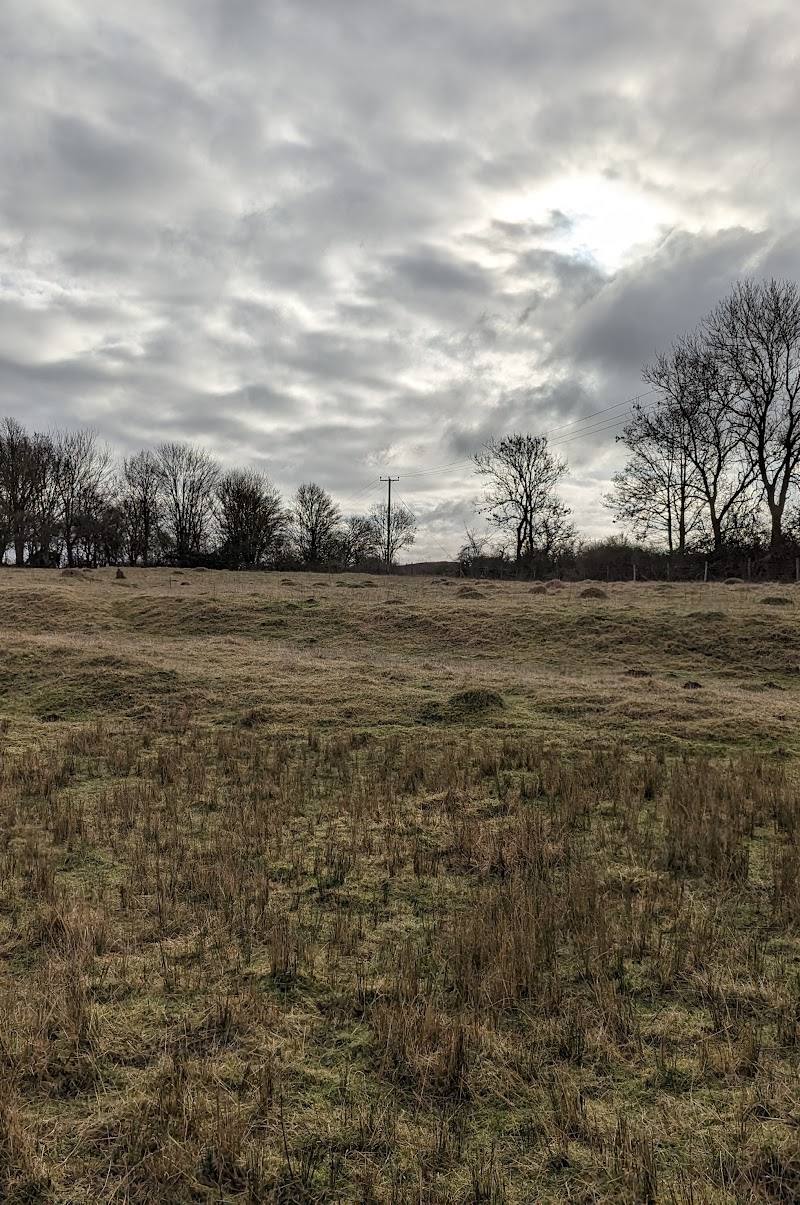
Trace the medieval ridge and furrow
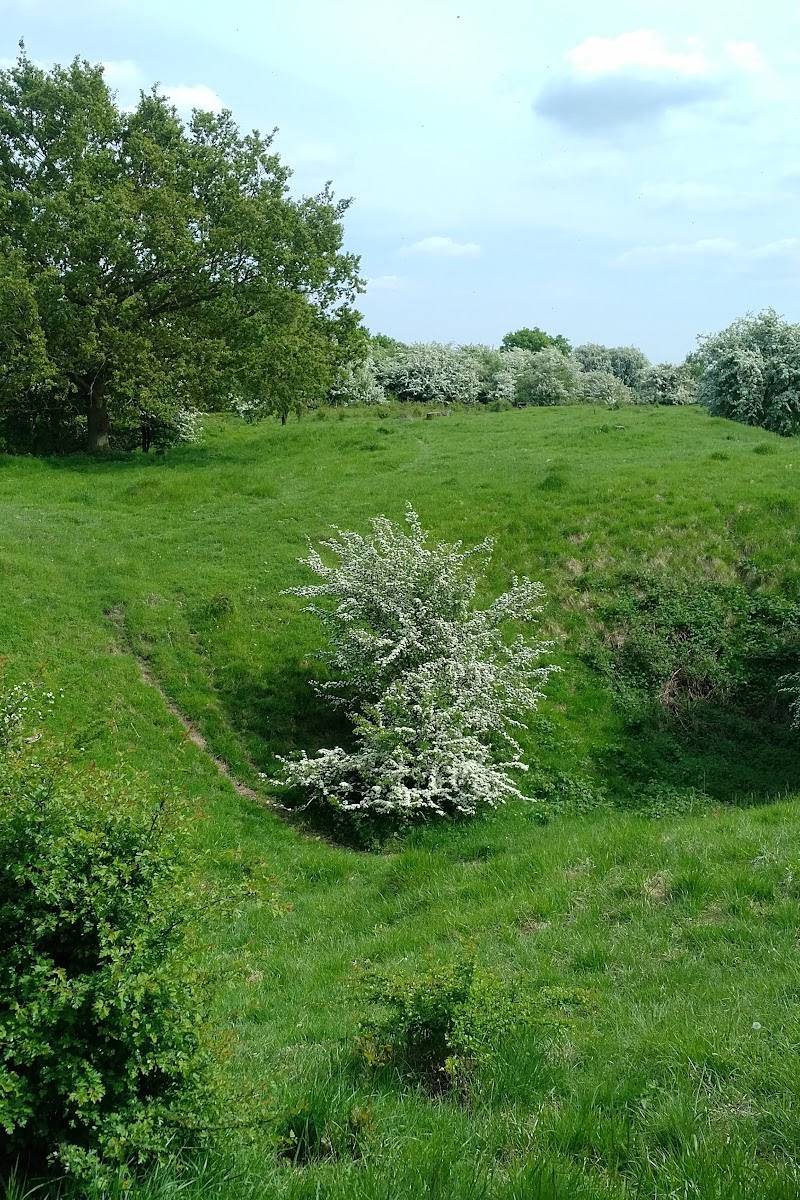
Look across the grassland of Ailsworth Heath for the ridges and furrows left by cultivation about 800 years ago.
Find the old coppice stools
Notice the gnarled bases, rot-holes and fallen limbs of old coppiced trees; these features provide habitat for fungi, mosses, lichens and insects.
Look for spring woodland flowers
Watch the woodland floor for bluebells, primroses, violets, wood anemones and common spotted orchids.
Watch the scrub for black hairstreak butterflies
Black hairstreak butterflies may be seen around blackthorn scrub, with adults sometimes feeding on privet blossom.
Notice the reserve’s ponds and wet ground
Explore the wetland sections and ponds from permitted paths. The ponds support a notable diversity of aquatic plants and invertebrates; do not enter the water.
Make a day of it
Quick escape · About 1–2 hours
Quick Escape: woodland, heath and ponds
- 01
Walk from the limited roadside parking to the reserve; allow about 500 metres for this approach.
- 02
Explore the accessible reserve paths, taking in the woodland and open grassland.
- 03
Pause to look for old coppice stools and the remaining medieval ridge-and-furrow pattern.
- 04
Return the same way, allowing extra time if paths are muddy.
Half day · Half day
Make a Half Day of It: follow the habitat changes
- 01
Take a longer walk through the reserve’s woodland, grassland, scrub and wetland rather than turning back after the first section.
- 02
Look for medieval cultivation ridges on Ailsworth Heath and old coppice stools in the woodland.
- 03
In spring, take time to spot woodland flowers; in early summer, look for grassland plants and butterflies.
- 04
Allow for the muddy, uneven paths and return to your starting point.
Verified history
The reserve’s woodland is thought to be more than 1,000 years old, and woodland in Castor is recorded in the Domesday Book of 1087. The western boundary follows King Street, a Roman road connecting Castor and Bourne. Parts of Ailsworth Heath retain ridge-and-furrow marks from cultivation around 800 years ago; cultivation was abandoned about 1350, after which the heath became common grazing land. In 1953, the remaining woodland and heath were declared one of Britain’s first National Nature Reserves.
Hidden details
A pond of exceptional variety — Freshwater Habitats Trust reports that the main pond has had just under 100 aquatic plant species recorded and 134 invertebrate species recorded in one year. Keep to permitted paths and do not assume pond access or entry is allowed.
The old coppice is wildlife habitat — Rot-holes and decaying wood in old coppice stools support fungi, mosses, lichens and insects—look closely without disturbing them.
When to go
March · April · May · June · Check conditions before setting out; the supplied sources do not identify a preferred time of day.
Spring brings woodland flowers, while grassland flowers and butterflies are more evident in warmer months. Black hairstreak butterflies may be seen around blackthorn scrub in June. Paths can be boggy for much of the year.
Paths may be muddy and uneven, and wetland ground can remain waterlogged. Wear suitable footwear and check conditions before visiting. The reserve advises caution in heavy winds because trees or branches may fall.
The route
- ascent
- A HiiKER-listed loop reports 54 m elevation gain.
- stiles
- Check before visiting
- surface
- Paths may be muddy and uneven; detailed surface information is not confirmed.
- distance
- A Komoot-listed loop is 6.48 km; a separate HiiKER-listed loop is about 6.5 km. These are third-party route descriptions, not confirmed reserve routes.
- duration
- The cited loops are listed at approximately 1 hour 22 minutes to 1 hour 40 minutes; allow longer for stops and muddy conditions.
- difficulty
- Listed as easy, but paths may be muddy and uneven.
- waymarking
- Check before visiting
- route shape
- Loop options are listed by third-party route services.
- start point
- The supplied sources describe limited roadside parking and an approximately 500-metre walk to the reserve; the accepted Google pin is a main-place pin, not an entrance.
- parking start
- Limited roadside parking; keep the bridleway track clear. Check current parking arrangements and the route to the reserve before setting out.
- shorter alternative
- A shorter out-and-back from the reserve approach may be possible, but no verified shorter route is supplied.
- Ancient woodland
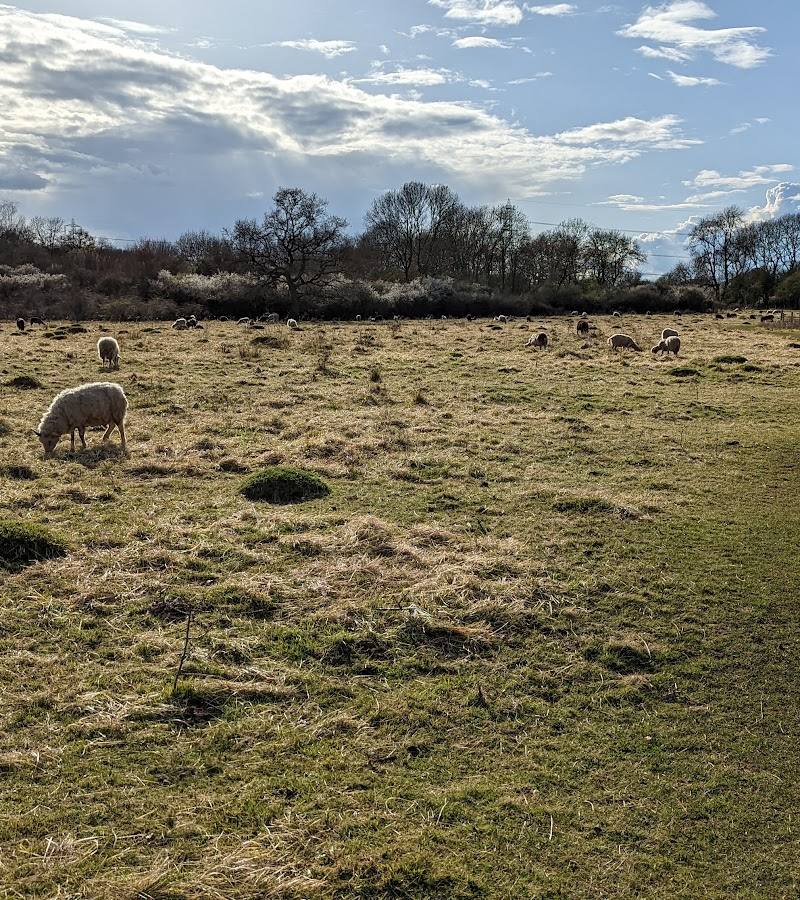
- Species-rich grassland and scrub
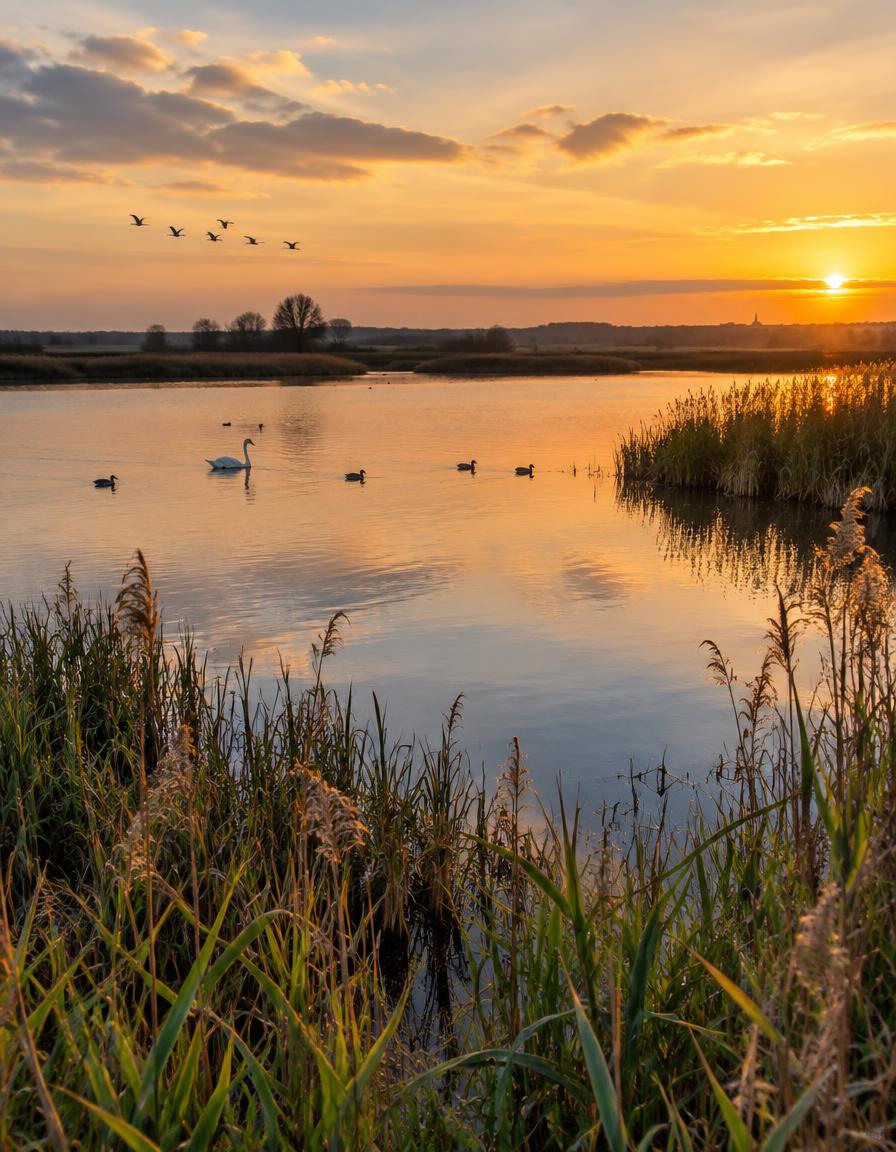
- Ponds and wetland
- Medieval ridge-and-furrow earthworks
What to look for
- 01
Look for the old coppice stools, with their knotted bases and rot-holes
- 02
the ridges and furrows left by medieval cultivation on Ailsworth Heath
- 03
and the transition from woodland to wet ground. In spring, watch for woodland flowers
- 04
in June, black hairstreak butterflies may be seen around blackthorn scrub.
The story
Ancient woodland, medieval hunting forest, Roman road and medieval ridge-and-furrow cultivation
Best time to go
Spring to early summer for woodland flowers and grassland plants; June for the black hairstreak butterfly. Autumn and winter can be good for fallow deer.
Visit in spring for bluebells, primroses, violets and wood anemones; early summer brings grassland flowers and the chance of black hairstreak butterflies around blackthorn scrub. A calm, dry spell makes the muddy paths easier to manage.
How long to spend
1–2 hours
Perfect for
Walkers · Wildlife lovers · Photographers · Families
Before you go
Address
Listed hours
- Monday: Open 24 hours
- Tuesday: Open 24 hours
- Wednesday: Open 24 hours
- Thursday: Open 24 hours
- Friday: Open 24 hours
- Saturday: Open 24 hours
- Sunday: Open 24 hours
Check before visiting.
Google rating
Practical information
Opening & access
The reserve is open year-round, with occasional closures for shooting; obey warning notices. Limited roadside parking is available, followed by a walk of about 500 metres to the reserve. Paths can be muddy and uneven. Check current access and closures before travelling.
Check before visiting
Parking
Limited roadside parking; keep the bridleway track clear. The reserve is about a 500-metre walk from the parking area. Check current parking arrangements before visiting.
Check before visiting
Toilets
Check before visiting
Check before visiting
Food & drink
Check before visiting
Check before visiting
Dogs
Keep dogs on a lead and close gates. Check current signage and any temporary restrictions.
Check before visiting
Accessibility
Terrain is generally flat, but paths may be uneven, muddy and waterlogged. Check conditions and suitability before visiting.
Check before visiting
Cost
Check before visiting
Check before visiting
Water
Ponds and wetland
Gallery
Place photographsKeep exploring
Around Castor Hanglands National Nature Reserve
Within 50 km · approximate straight-line distances